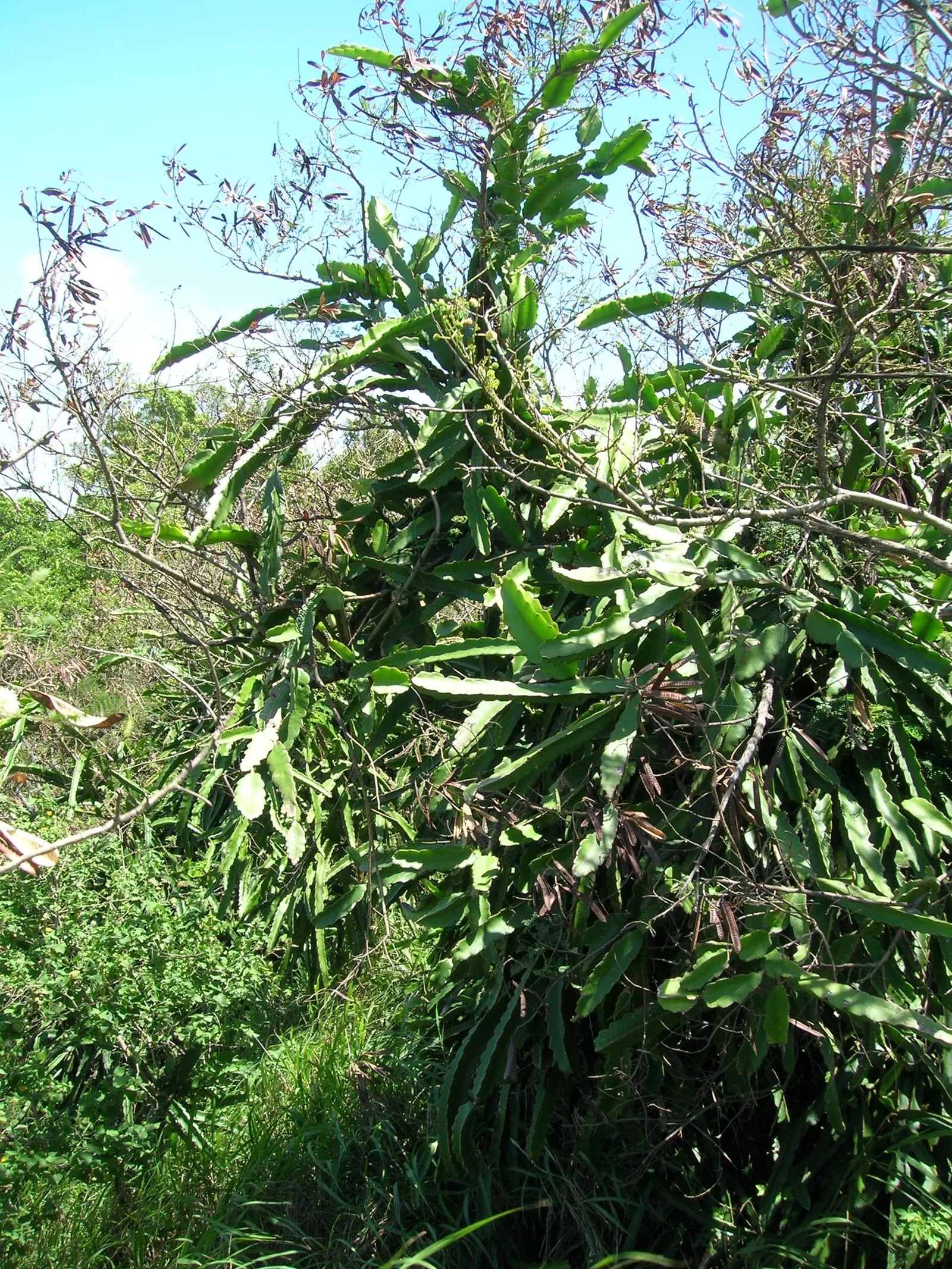
berry in zone 11b
Growing dragonfruit in zone 11b
Hylocereus undatus
- Zone
- 11b 45°F to 50°F
- Growing season
- 365 days
- Chill needed
- 0 below 45°F
- Suitable varieties
- 3
- Days to harvest
- 120 to 180
The verdict
Zone 11b is a strong match for dragonfruit, not a marginal one. The crop is a tropical climbing cactus (primarily Selenicereus undatus and related species) that requires no chilling period, and zone 11b's minimum temperatures of 45 to 50°F pose no frost threat whatsoever. The 365-day growing season aligns directly with the plant's preference for year-round warmth and allows for multiple fruiting cycles annually.
The main constraint in zone 11b is not cold, but sustained heat combined with high humidity, which can encourage fungal disease in poorly circulated plantings. Varieties like American Beauty, Vietnamese White, and Physical Graffiti are well-proven in tropical conditions and represent a reliable starting point. Growers in coastal areas face additional pressure from salt spray, which can burn foliage and stress trellised plants exposed to prevailing winds. Site selection and windbreaking matter more here than cold hardiness.
Recommended varieties for zone 11b
3 cultivars suited to this zone, with disease-resistance and zone-fit annotations.
| Variety | Notes | Zone fit | Disease resistance |
|---|---|---|---|
| American Beauty fits zone 11b | Magenta flesh with a sweeter raspberry-kiwi flavor; the prettiest cut and the easier sell. Self-fertile, productive. | | none noted |
| Vietnamese White fits zone 11b | White flesh with mild sweet flavor and the classic dragonfruit look; less intense than red varieties but reliable. Self-pollinating. | | none noted |
| Physical Graffiti fits zone 11b | Magenta flesh with intense candy-sweet floral notes; the variety that converts dragonfruit skeptics. Self-fertile, large fruit. | | none noted |
Critical timing for zone 11b
In zone 11b, dragonfruit blooms multiple times per year rather than in a single season. Individual flowers open for only one night and must be pollinated within a narrow window, but the plant cycles through bloom sets roughly every 4 to 6 weeks under warm conditions. Harvest follows bloom by approximately 30 to 50 days, which means fresh fruit is attainable across most months of the calendar year on established plants.
Frost timing is irrelevant in zone 11b. There is no dormancy period and no bloom window that needs to avoid a frost calendar. The practical planning question is rainfall: bloom and fruit development during periods of heavy precipitation increases the risk of fungal issues, particularly anthracnose, so timing irrigation reductions around predicted rainy periods can improve fruit set quality.
Common challenges in zone 11b
- ▸ Year-round pest pressure
- ▸ Salt spray near coasts
- ▸ No winter dormancy for traditional temperate species
Modified care for zone 11b
The primary care adjustment in zone 11b is managing the consequences of continuous growth rather than protecting against cold. Pest populations do not decline over winter, so scale insects, mealybugs, and fruit borers require monitoring throughout the year rather than only during warmer months. A consistent inspection schedule on new growth and developing fruit is more practical than reactive treatment.
Along the coast, salt spray can damage the waxy epidermis of dragonfruit stems and reduce photosynthetic efficiency. A sheltered trellis position or a windbreak planting on the ocean-facing side addresses this without limiting sunlight. For disease, anthracnose pressure is elevated in humid maritime environments; pruning to improve airflow through the canopy and removing damaged or dead stems promptly reduces inoculum load. Overhead irrigation should be minimized in favor of drip or ground-level application.
Frequently asked questions
- How many times per year can dragonfruit fruit in zone 11b?
Established plants in zone 11b can complete 4 to 6 fruiting cycles annually under good conditions, since warm temperatures allow continuous growth without a dormant period. Actual cycle count depends on the variety, pollination success, and soil fertility management.
- Does dragonfruit need a pollinator in zone 11b?
Most dragonfruit varieties are self-fertile to some degree, but cross-pollination with a second variety consistently improves fruit set and size. Hand pollination the night the flower opens is a reliable method where insect activity is limited, which can be a factor in dense urban plantings.
- Is anthracnose a serious problem for dragonfruit in zone 11b?
Anthracnose can affect fruit quality in humid, poorly ventilated plantings but is manageable with good site selection, canopy pruning for airflow, and prompt removal of diseased tissue. It rarely threatens the plant itself, mainly causing cosmetic damage to fruit skin.
+−
+−
+−
Dragonfruit in adjacent zones
Image: "Starr 060416-7723 Hylocereus undatus", by Forest & Kim Starr, via Wikimedia Commons, licensed under CC-BY Source.

Related