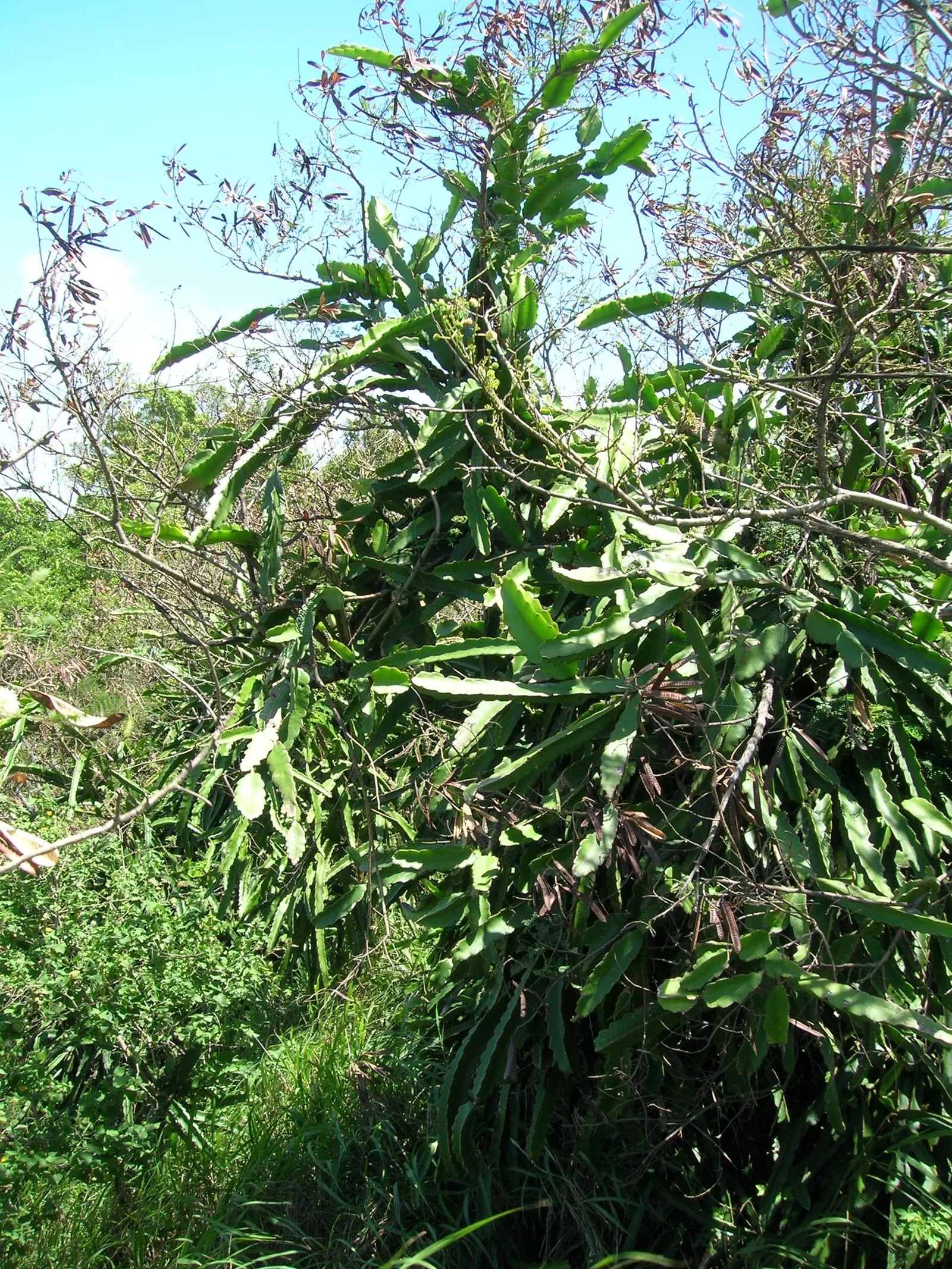
berry in zone 12a
Growing dragonfruit in zone 12a
Hylocereus undatus
- Zone
- 12a 50°F to 55°F
- Growing season
- 365 days
- Chill needed
- 0 below 45°F
- Suitable varieties
- 3
- Days to harvest
- 120 to 180
The verdict
Dragonfruit is a tropical cactus that requires zero chill hours to flower and fruit. Zone 12a, with minimum winter temperatures holding above 50°F and a 365-day growing season, represents a genuine sweet spot for this crop rather than a marginal case. The plant encounters no dormancy triggers or frost stress, which are the primary limiting factors in cooler zones.
American Beauty, Vietnamese White, and Physical Graffiti are all well-suited to this climate. At this zone level, variety selection is driven more by flavor profile and flesh color than by cold tolerance. Growers have access to the full range of available cultivars without the selection pressure imposed by chill requirements or frost timing.
Recommended varieties for zone 12a
3 cultivars suited to this zone, with disease-resistance and zone-fit annotations.
| Variety | Notes | Zone fit | Disease resistance |
|---|---|---|---|
| American Beauty fits zone 12a | Magenta flesh with a sweeter raspberry-kiwi flavor; the prettiest cut and the easier sell. Self-fertile, productive. | | none noted |
| Vietnamese White fits zone 12a | White flesh with mild sweet flavor and the classic dragonfruit look; less intense than red varieties but reliable. Self-pollinating. | | none noted |
| Physical Graffiti fits zone 12a | Magenta flesh with intense candy-sweet floral notes; the variety that converts dragonfruit skeptics. Self-fertile, large fruit. | | none noted |
Critical timing for zone 12a
In zone 12a, dragonfruit typically produces multiple bloom and harvest cycles across the calendar year rather than a single defined season. Blooms emerge at night and last only one evening; hand pollination improves fruit set, particularly for self-sterile varieties. Fruit matures roughly 30 to 50 days after successful pollination.
Without frost to interrupt growth, plants cycle through vegetative growth, flowering, and fruiting continuously from late spring through early winter, with a modest slowdown during the shortest days of the year. Two to four harvest windows annually is realistic for mature plants under zone 12a conditions, though exact timing varies by site, variety, and rainfall patterns.
Common challenges in zone 12a
- ▸ No temperate species
- ▸ Tropical pest and disease pressure
- ▸ Hurricane exposure
Modified care for zone 12a
Hurricane exposure is the most consequential zone-specific risk. Established dragonfruit plants grow on tall posts or trellises and carry significant wind load; trellis systems require reinforced anchoring before plants are large, and canes should be secured ahead of any storm warning. Trellis failure during a storm sets the plant back by years.
Tropical disease pressure, including Mango Anthracnose, is elevated in zone 12a's combination of heat and humidity. Maintaining airflow around canes and avoiding overhead irrigation reduces infection opportunities; affected tissue should be removed promptly. Drainage is equally important: dragonfruit roots tolerate heat well but rot quickly in saturated soil, making raised beds or mounded planting sites advisable on heavy or compacted soils.
Dragonfruit in adjacent zones
Image: "Starr 060416-7723 Hylocereus undatus", by Forest & Kim Starr, via Wikimedia Commons, licensed under CC-BY Source.

Related