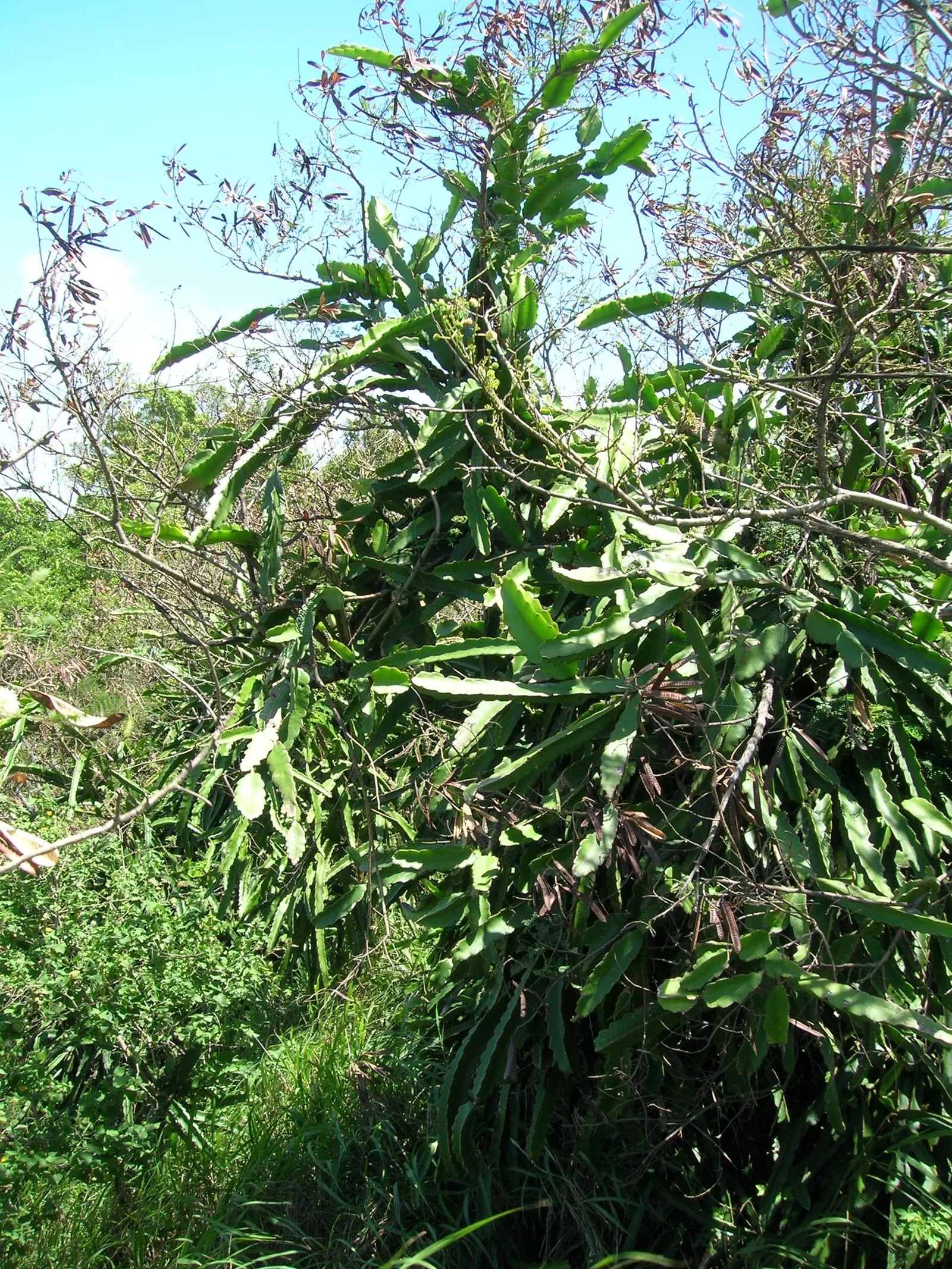
berry in zone 13b
Growing dragonfruit in zone 13b
Hylocereus undatus
- Zone
- 13b 65°F to 70°F
- Growing season
- 365 days
- Chill needed
- 0 below 45°F
- Suitable varieties
- 3
- Days to harvest
- 120 to 180
The verdict
Dragonfruit carries a chill-hour requirement of zero, which makes zone 13b not just compatible but genuinely well-suited to the crop. The zone's minimum winter temperatures of 65 to 70°F remove any cold-injury risk to the cactus stems and root crown, and the 365-day growing season aligns with dragonfruit's preference for uninterrupted warmth. Unlike temperate stone fruits or pome fruits, which depend on winter dormancy to reset their fruiting cycle, dragonfruit (Hylocereus and Selenicereus species) produces most reliably when heat accumulation is continuous.
American Beauty, Vietnamese White, and Physical Graffiti all perform well under these conditions. The main reservation about zone 13b is not cold but heat stress during peak summer months and the elevated humidity that accompanies tropical climates. Dragonfruit's cactus physiology tolerates high temperatures better than most tropical fruit crops, but stem scalding can occur on south-facing surfaces without active management. Overall, this is a strong zone for dragonfruit, not a marginal one.
Recommended varieties for zone 13b
3 cultivars suited to this zone, with disease-resistance and zone-fit annotations.
| Variety | Notes | Zone fit | Disease resistance |
|---|---|---|---|
| American Beauty fits zone 13b | Magenta flesh with a sweeter raspberry-kiwi flavor; the prettiest cut and the easier sell. Self-fertile, productive. | | none noted |
| Vietnamese White fits zone 13b | White flesh with mild sweet flavor and the classic dragonfruit look; less intense than red varieties but reliable. Self-pollinating. | | none noted |
| Physical Graffiti fits zone 13b | Magenta flesh with intense candy-sweet floral notes; the variety that converts dragonfruit skeptics. Self-fertile, large fruit. | | none noted |
Critical timing for zone 13b
With no frost risk anywhere in the growing calendar and minimum winter temperatures above 65°F, zone 13b supports multiple independent bloom-to-harvest cycles each year. Dragonfruit blooms are nocturnal, opening for a single night and requiring either hand pollination or active nocturnal pollinators such as bats and large moths. Fruit matures 30 to 50 days after successful pollination.
In practice, growers in zone 13b can expect two to four harvests per year depending on variety and management intensity. Bloom initiation responds to long-day photoperiod cues and irrigation scheduling; a brief dry period followed by resumed watering can trigger a flush of flowering. There is no frost-sensitive bloom window to protect, which removes one of the primary scheduling constraints faced by growers in cooler tropical and subtropical zones.
Common challenges in zone 13b
- ▸ Persistent heat stress
- ▸ No traditional temperate fruit
- ▸ Specialized horticulture
Modified care for zone 13b
The primary management adjustment in zone 13b is heat and humidity mitigation rather than any form of cold protection. Shade cloth rated at 30 to 50% transmission reduction can prevent cactus stem scalding on south- and west-facing cladode surfaces during peak summer heat. Irrigation should be consistent but well-drained; prolonged root-zone saturation in humid conditions encourages stem and root rot.
Anthracnose caused by Colletotrichum species, the same pathogen group responsible for mango anthracnose, is a documented problem in tropical dragonfruit production. It presents as stem lesions and dark, sunken spots on fruit skin. Copper-based fungicide applications at bloom onset and after heavy rain events reduce incidence. Trellising systems should prioritize air circulation through the canopy to lower the microclimate humidity that favors infection. Fertilize every six to eight weeks with a balanced formulation to sustain continuous fruiting cycles without triggering excessive vegetative growth.
Dragonfruit in adjacent zones
Image: "Starr 060416-7723 Hylocereus undatus", by Forest & Kim Starr, via Wikimedia Commons, licensed under CC-BY Source.

Related