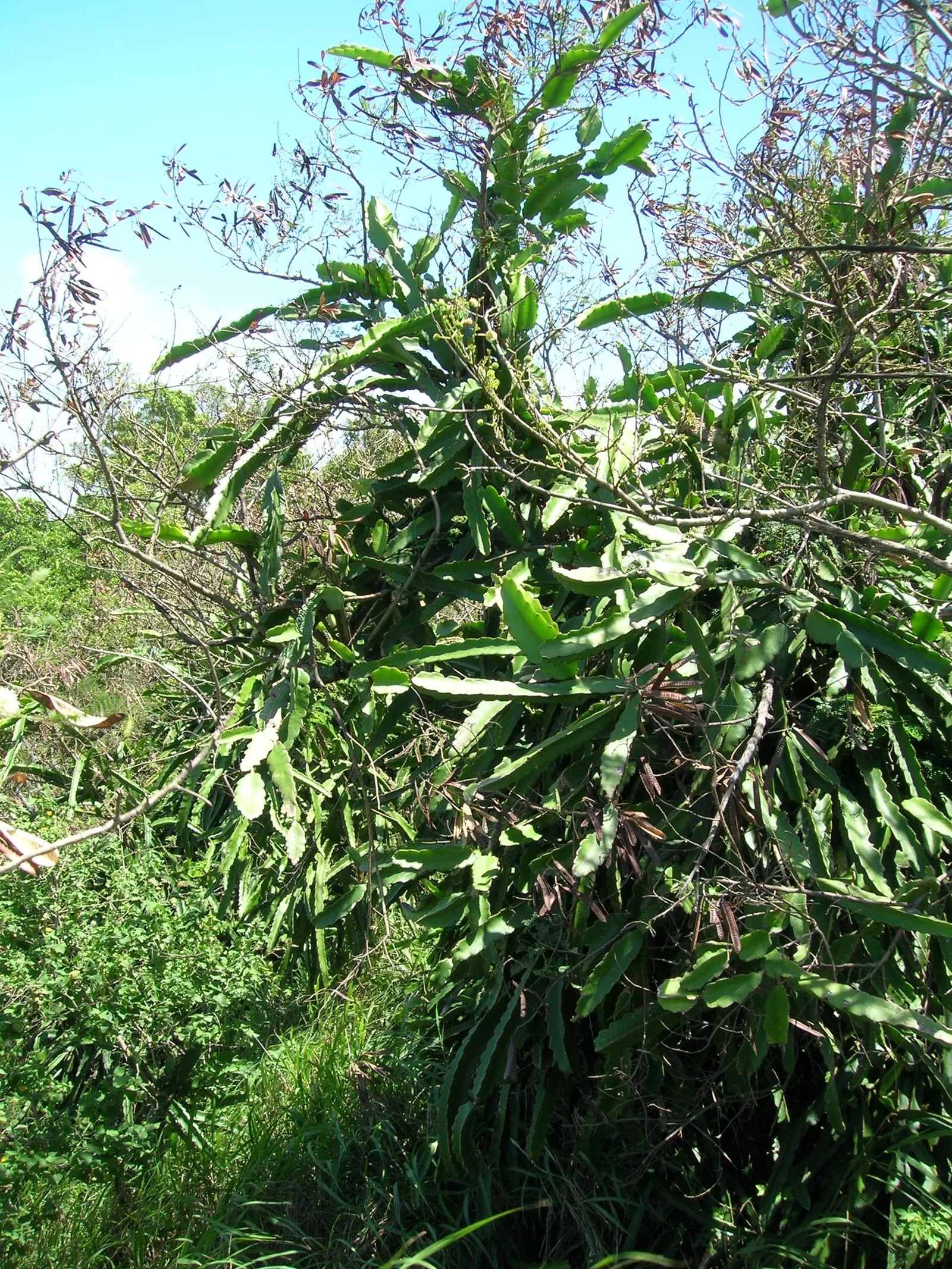
berry in zone 13a
Growing dragonfruit in zone 13a
Hylocereus undatus
- Zone
- 13a 60°F to 65°F
- Growing season
- 365 days
- Chill needed
- 0 below 45°F
- Suitable varieties
- 3
- Days to harvest
- 120 to 180
The verdict
Dragonfruit requires zero chill hours, and zone 13a delivers exactly that. With minimum temperatures holding between 60 and 65°F year-round and a 365-day growing season, this is among the most suitable zones for dragonfruit cultivation in the continental United States and its territories. There is no marginal-zone calculus here: the cold-hardiness match is essentially perfect.
The practical ceiling is heat, not cold. Zone 13a locations often see sustained periods above 100°F, and dragonfruit productivity can decline when temperatures regularly push past that threshold. Fruit set is also sensitive to nighttime temperatures above 85°F during the bloom window. Growers in hotter, drier zone 13a microclimates (interior desert areas) will face more heat stress than those in coastal or elevated sites where temperatures moderate. The three recommended varieties for this zone, American Beauty, Vietnamese White, and Physical Graffiti, are selected partly for their tolerance of high-heat conditions.
Recommended varieties for zone 13a
3 cultivars suited to this zone, with disease-resistance and zone-fit annotations.
| Variety | Notes | Zone fit | Disease resistance |
|---|---|---|---|
| American Beauty fits zone 13a | Magenta flesh with a sweeter raspberry-kiwi flavor; the prettiest cut and the easier sell. Self-fertile, productive. | | none noted |
| Vietnamese White fits zone 13a | White flesh with mild sweet flavor and the classic dragonfruit look; less intense than red varieties but reliable. Self-pollinating. | | none noted |
| Physical Graffiti fits zone 13a | Magenta flesh with intense candy-sweet floral notes; the variety that converts dragonfruit skeptics. Self-fertile, large fruit. | | none noted |
Critical timing for zone 13a
Without frost risk, dragonfruit in zone 13a cycles through multiple bloom events annually, typically four to six per year under good conditions. Individual blooms are nocturnal and last a single night, so hand pollination at dusk improves fruit set reliability, especially where native pollinator populations are limited. Peak blooming generally concentrates in the warmer months from late spring through early fall, though zone 13a's consistent warmth allows cycles to continue into what is winter elsewhere.
Fruit matures 30 to 50 days after successful pollination. With overlapping bloom cycles, a well-established planting can yield fruit across eight or more months of the year. Tracking individual bloom events and marking pollination dates helps predict harvest windows accurately.
Common challenges in zone 13a
- ▸ Heat stress on most crops
- ▸ Year-round irrigation
- ▸ Limited cultivar selection
Modified care for zone 13a
Heat stress management is the primary adjustment for zone 13a. Providing afternoon shade using 30 to 40 percent shade cloth during peak summer months reduces stem scorching and supports fruit development. Trellises oriented to give eastern morning exposure and western shade work well in desert-adjacent sites.
Year-round irrigation is non-negotiable. Dragonfruit is a cactus and tolerates dry intervals, but consistent moisture during active bloom and fruit development directly affects yield. In zone 13a climates with defined dry seasons, drip irrigation on a timer prevents the stress cycles that cause bud drop.
Mango anthracnose, the primary fungal concern listed for this combination, thrives in humid conditions. In zone 13a locations with seasonal humidity or monsoon patterns, thinning interior growth to improve airflow and avoiding overhead irrigation reduces infection pressure substantially. Copper-based fungicides are effective as a preventive measure during wet periods.
Frequently asked questions
- How many times per year does dragonfruit produce fruit in zone 13a?
Under good conditions, dragonfruit in zone 13a can complete four to six bloom cycles annually, with fruit maturing 30 to 50 days after each successful pollination. Consistent irrigation and heat management during summer months are the main factors that determine whether a plant achieves the higher end of that range.
- Does dragonfruit need a pollination partner in zone 13a?
Most dragonfruit varieties are self-fertile but set heavier crops with cross-pollination. Since blooms open only at night and last a single evening, hand pollination at dusk using a soft brush between two varieties significantly improves fruit set, particularly in areas with limited nocturnal pollinator activity.
- Will extreme summer heat in zone 13a damage dragonfruit plants?
Sustained temperatures above 100°F can cause stem discoloration and reduce fruit set. Afternoon shade cloth (30 to 40 percent density) and consistent soil moisture protect plants during heat peaks. Established plants on well-drained soil with drip irrigation tolerate zone 13a heat better than newly planted ones.
+−
+−
+−
Dragonfruit in adjacent zones
Image: "Starr 060416-7723 Hylocereus undatus", by Forest & Kim Starr, via Wikimedia Commons, licensed under CC-BY Source.

Related