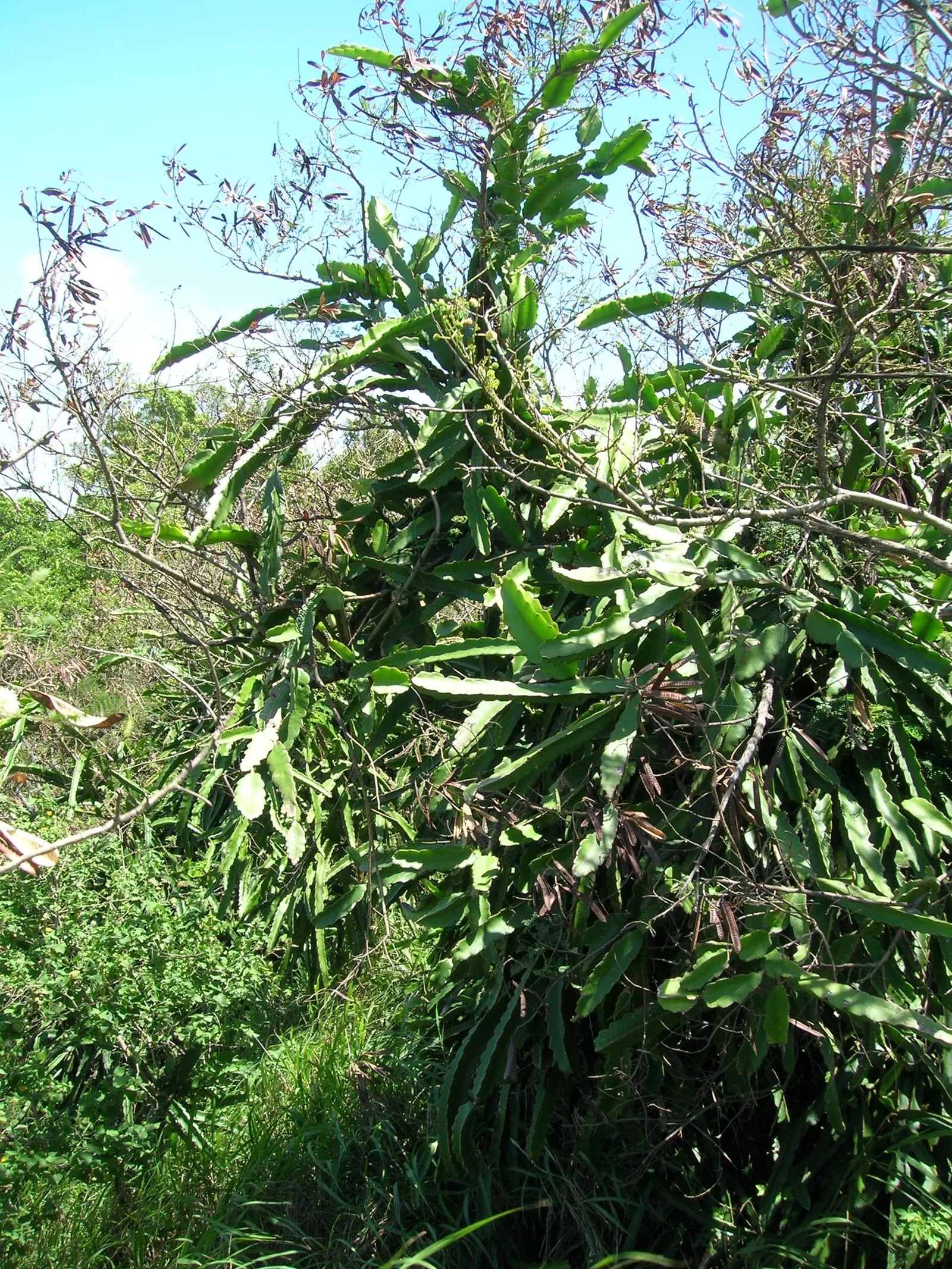
berry in zone 10a
Growing dragonfruit in zone 10a
Hylocereus undatus
- Zone
- 10a 30°F to 35°F
- Growing season
- 340 days
- Chill needed
- 0 below 45°F
- Suitable varieties
- 3
- Days to harvest
- 120 to 180
The verdict
Zone 10a is a genuine sweet spot for dragonfruit. The crop is a tropical cactus (primarily Hylocereus undatus and related species) that requires zero chill hours, so the absence of winter chilling that limits temperate fruit trees here is irrelevant. With minimum temperatures between 30 and 35°F and a 340-day growing season, the zone provides nearly year-round warmth and a long enough window for multiple fruiting cycles.
The one frost risk is real but manageable. Dragonfruit can tolerate brief dips to around 32°F with minimal damage to established stems, though a hard freeze will damage new growth and exposed pads. The varieties best suited here, including American Beauty, Vietnamese White, and Physical Graffiti, are selected precisely for heat tolerance and tropical performance. Hurricane exposure is the more significant structural concern in coastal parts of zone 10a, not cold.
Recommended varieties for zone 10a
3 cultivars suited to this zone, with disease-resistance and zone-fit annotations.
| Variety | Notes | Zone fit | Disease resistance |
|---|---|---|---|
| American Beauty fits zone 10a | Magenta flesh with a sweeter raspberry-kiwi flavor; the prettiest cut and the easier sell. Self-fertile, productive. | | none noted |
| Vietnamese White fits zone 10a | White flesh with mild sweet flavor and the classic dragonfruit look; less intense than red varieties but reliable. Self-pollinating. | | none noted |
| Physical Graffiti fits zone 10a | Magenta flesh with intense candy-sweet floral notes; the variety that converts dragonfruit skeptics. Self-fertile, large fruit. | | none noted |
Critical timing for zone 10a
In zone 10a, dragonfruit typically begins its first flowering flush in late May or June, with additional flushes possible through October or November. Each flower opens for a single night, so hand-pollination or proximity to compatible pollinators is important for reliable fruit set. Fruit matures roughly 30 to 50 days after successful pollination, meaning harvests can run from mid-summer through late fall.
Frost timing is rarely a constraint here. The 30 to 35°F winter minimums arrive, if at all, in December through February, well outside the bloom window. Growers can generally expect two to four harvest cycles per season depending on plant maturity, irrigation, and whether multiple varieties are present to cross-pollinate.
Common challenges in zone 10a
- ▸ No chilling for traditional temperate fruit
- ▸ Hurricane exposure
- ▸ Heat-tolerant cultivars only
Modified care for zone 10a
The primary zone 10a adaptation is structural. Dragonfruit climbs via aerial roots and requires a post or trellis that can survive high winds. In hurricane-prone parts of zone 10a, anchor posts deeply and keep the canopy manageable rather than letting vines sprawl unsupported.
Anthracnose pressure, the same fungal pathogen that affects mango in humid subtropical climates, can affect dragonfruit pads and fruit under wet conditions. Improve airflow by thinning crowded stems and avoid overhead irrigation during humid stretches. Fungicide applications are rarely needed on established plants with good structure.
Summer irrigation matters more than in drier climates. Zone 10a heat pushes evapotranspiration rates high, but dragonfruit roots rot quickly in waterlogged soil. Use a well-draining substrate and water deeply but infrequently, backing off after heavy rain.
Frequently asked questions
- Does dragonfruit need a pollinator in zone 10a?
Most commercial varieties benefit from cross-pollination. American Beauty is partially self-fertile, but planting two or more varieties increases fruit set significantly. Flowers open only at night, so hand-pollination between varieties is a reliable option if plantings are small.
- How many times a year will dragonfruit fruit in zone 10a?
Mature plants in zone 10a can produce two to four fruiting cycles between June and November. Yield depends on plant age, irrigation consistency, and whether cross-pollination is occurring. First-year plants rarely fruit; expect meaningful production in years two or three.
- Will a brief freeze damage dragonfruit in zone 10a?
Established stems tolerate a short dip to 32°F without significant damage. New growth and fruit are more vulnerable. In areas where zone 10a occasionally sees 30 to 32°F nights, covering young plants or moving potted specimens under cover is reasonable insurance.
+−
+−
+−
Dragonfruit in adjacent zones
Image: "Starr 060416-7723 Hylocereus undatus", by Forest & Kim Starr, via Wikimedia Commons, licensed under CC-BY Source.

Related