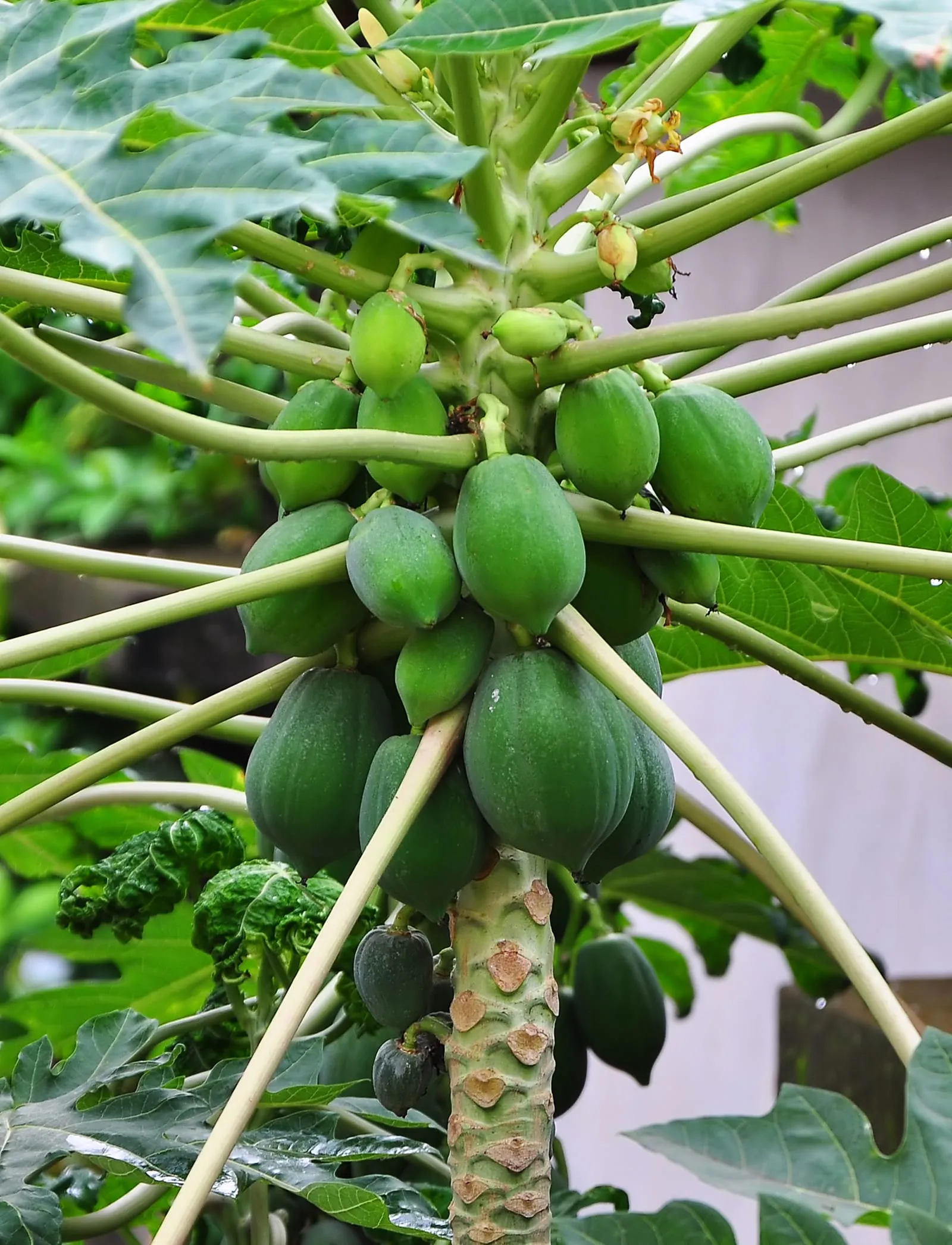
fruit tree in zone 13b
Growing papaya in zone 13b
Carica papaya
- Zone
- 13b 65°F to 70°F
- Growing season
- 365 days
- Chill needed
- 0 below 45°F
- Suitable varieties
- 3
- Days to harvest
- 180 to 270
The verdict
Papaya is among the few crops where zone 13b is not a compromise but a genuine sweet spot. The crop requires zero chill hours, tolerates no frost, and performs best where temperatures stay consistently warm through the night. Zone 13b delivers exactly that, with annual minimums running 65 to 70°F and a 365-day growing season. There is no cold dormancy to work around, no frost window to time against, and no chill-hour deficit to compensate for.
All three varieties in the recommended list, Red Lady, Maradol, and Solo (Sunrise), were selected or bred for continuous tropical production and perform reliably here. The main limiting factors in zone 13b are not temperature-related at all. They are persistent heat stress during peak summer, soil drainage, and disease pressure from thrips-vectored viruses. Growers coming from temperate backgrounds should reset expectations: this crop does not have seasons in the familiar sense. Management is year-round.
Recommended varieties for zone 13b
3 cultivars suited to this zone, with disease-resistance and zone-fit annotations.
| Variety | Notes | Zone fit | Disease resistance |
|---|---|---|---|
| Red Lady fits zone 13b | Sweet musky orange-red flesh with low papain bitterness; an F1 hybrid with reliable fruit set without male trees. The standard home-garden choice. | | none noted |
| Maradol fits zone 13b | Large football-shaped fruit with mild sweet flesh; the Mexican commercial variety. Heavy producer once established. | | none noted |
| Solo (Sunrise) fits zone 13b | Small pear-shaped Hawaiian variety with intense sweet flavor and pinkish flesh. Self-pollinating; ideal for single-tree home gardens. | | none noted |
Critical timing for zone 13b
In zone 13b, papaya does not follow a single annual bloom-and-harvest window. Plants set flowers continuously, and under adequate irrigation and nutrition, fruit can be harvested at any point in the calendar year. From transplant, first harvest typically occurs 6 to 9 months out, depending on variety. Red Lady and Solo (Sunrise) trend toward the shorter end of that range; Maradol runs longer.
There is no frost risk to intersect with bloom timing, which eliminates the primary scheduling constraint that applies in cooler zones. The practical timing consideration in zone 13b is managing heat load: flowering and fruit set can be suppressed during extended periods of extreme heat. Planting in fall or early dry season gives young plants time to establish before peak heat, improving first-year yields.
Common challenges in zone 13b
- ▸ Persistent heat stress
- ▸ No traditional temperate fruit
- ▸ Specialized horticulture
Disease pressure to watch for
Modified care for zone 13b
The standard papaya management guide assumes consistent warmth but not sustained extreme heat. In zone 13b, growers should plan for periods where air temperatures exceed optimal ranges for fruit set, typically above 95°F. Afternoon shade cloth (30 to 40% reduction) can help during the hottest months, particularly for younger plantings.
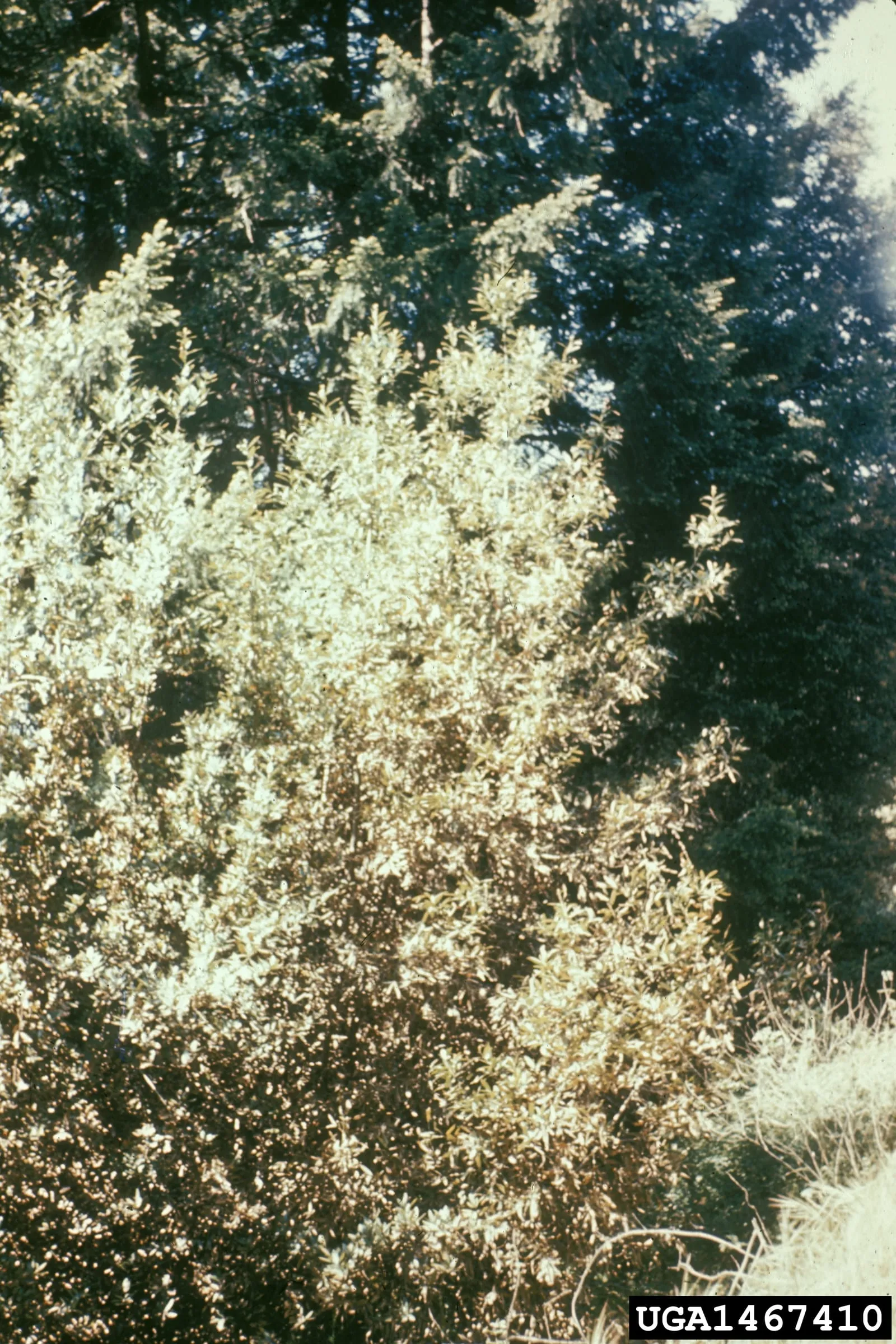
Tomato Spotted Wilt Virus, spread by thrips, is a serious threat in warm climates where thrips populations remain active year-round. Reflective mulch and early-season thrips management reduce transmission pressure more effectively than reactive spraying once infection is established. Mango Anthracnose can affect fruit quality at harvest; minimize surface moisture through drip irrigation rather than overhead watering.
Papayas are shallow-rooted and prone to wind throw. Windbreaks or staking during the first year are worthwhile investments in exposed sites. Soil drainage is non-negotiable; standing water at the root zone causes crown rot quickly in the persistent warmth of zone 13b.
Papaya in adjacent zones
Image: "Carica papaya 22 08 2012", by Joydeep, via Wikimedia Commons, licensed under CC-BY Source.

Related