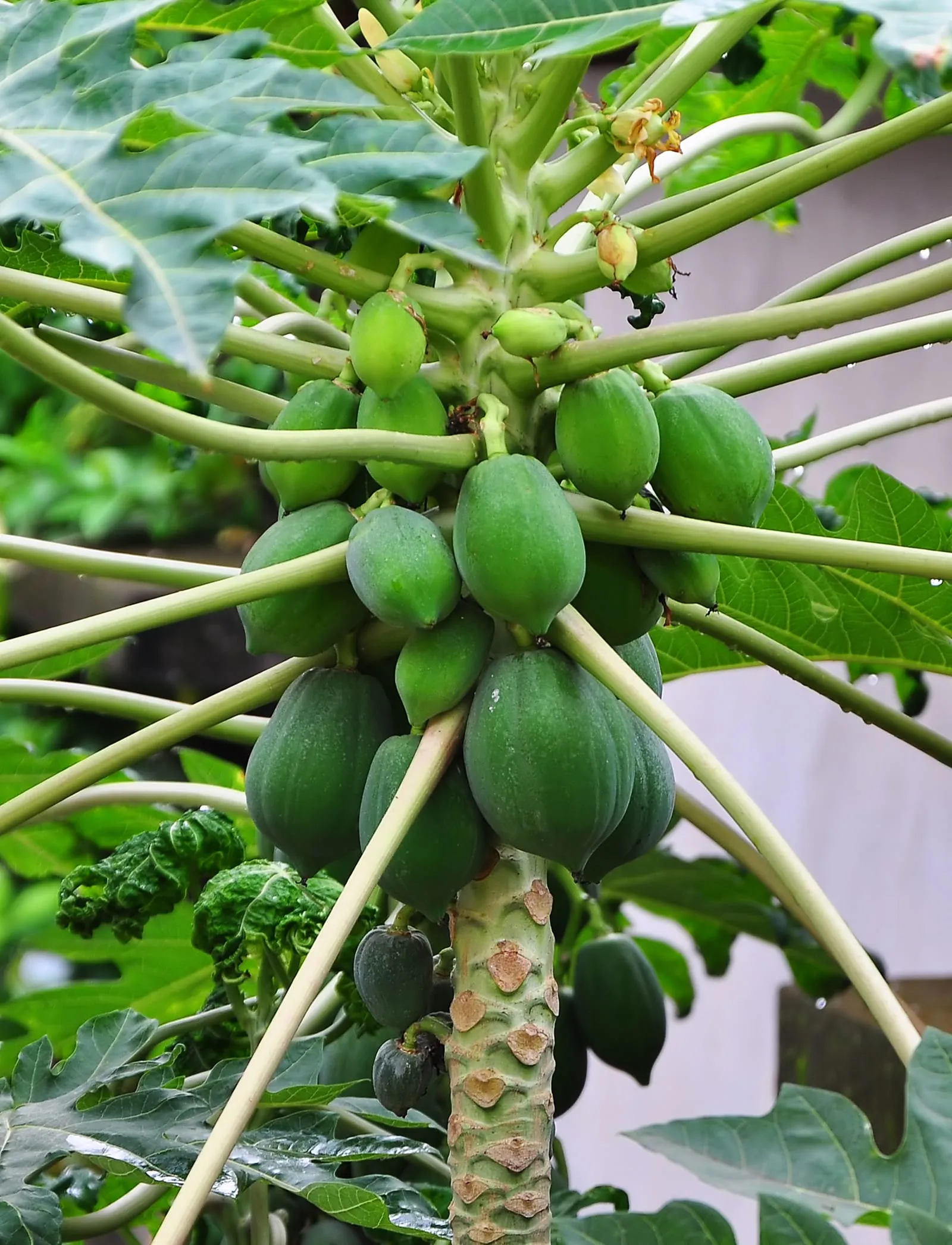
fruit tree in zone 11a
Growing papaya in zone 11a
Carica papaya
- Zone
- 11a 40°F to 45°F
- Growing season
- 365 days
- Chill needed
- 0 below 45°F
- Suitable varieties
- 3
- Days to harvest
- 180 to 270
The verdict
Zone 11a is a sweet spot for papaya, not a marginal zone. With a minimum winter temperature of 40 to 45°F and a 365-day growing season, growers can plant and harvest papaya year-round without any concern for cold-induced dormancy or frost damage. Papaya requires zero chill hours, which means the crop's entire thermal requirement is met from the moment of transplanting.
The varieties best matched to zone 11a conditions include Red Lady, Maradol, and Solo (Sunrise). All three tolerate the persistent heat and humidity typical of this zone, though each differs in fruit size and disease tolerance. The primary limiting factors in zone 11a are not temperature or growing season length but rather the unrelenting pest and pathogen pressure that accompanies a frost-free climate. Growers who manage those vectors consistently will find papaya among the most productive crops available for this zone.
Recommended varieties for zone 11a
3 cultivars suited to this zone, with disease-resistance and zone-fit annotations.
| Variety | Notes | Zone fit | Disease resistance |
|---|---|---|---|
| Red Lady fits zone 11a | Sweet musky orange-red flesh with low papain bitterness; an F1 hybrid with reliable fruit set without male trees. The standard home-garden choice. | | none noted |
| Maradol fits zone 11a | Large football-shaped fruit with mild sweet flesh; the Mexican commercial variety. Heavy producer once established. | | none noted |
| Solo (Sunrise) fits zone 11a | Small pear-shaped Hawaiian variety with intense sweet flavor and pinkish flesh. Self-pollinating; ideal for single-tree home gardens. | | none noted |
Critical timing for zone 11a
Because zone 11a carries no frost dates, papaya does not follow a conventional seasonal calendar. Planting can occur in any month, with seedlings typically reaching first bloom 3 to 5 months after transplant. Fruit development from bloom to full ripeness takes roughly 5 to 7 months depending on variety and ambient temperatures, putting first harvest at 8 to 12 months from planting.
The practical implication is that succession planting every 4 to 6 months keeps a steady harvest in rotation. No bloom protection for frost is needed. The main timing consideration is wind exposure during the summer storm season, which can damage the brittle trunk and knock developing fruit prematurely.
Common challenges in zone 11a
- ▸ No temperate fruit potential
- ▸ Year-round pest pressure
- ▸ Specialized crop selection
Disease pressure to watch for
Modified care for zone 11a
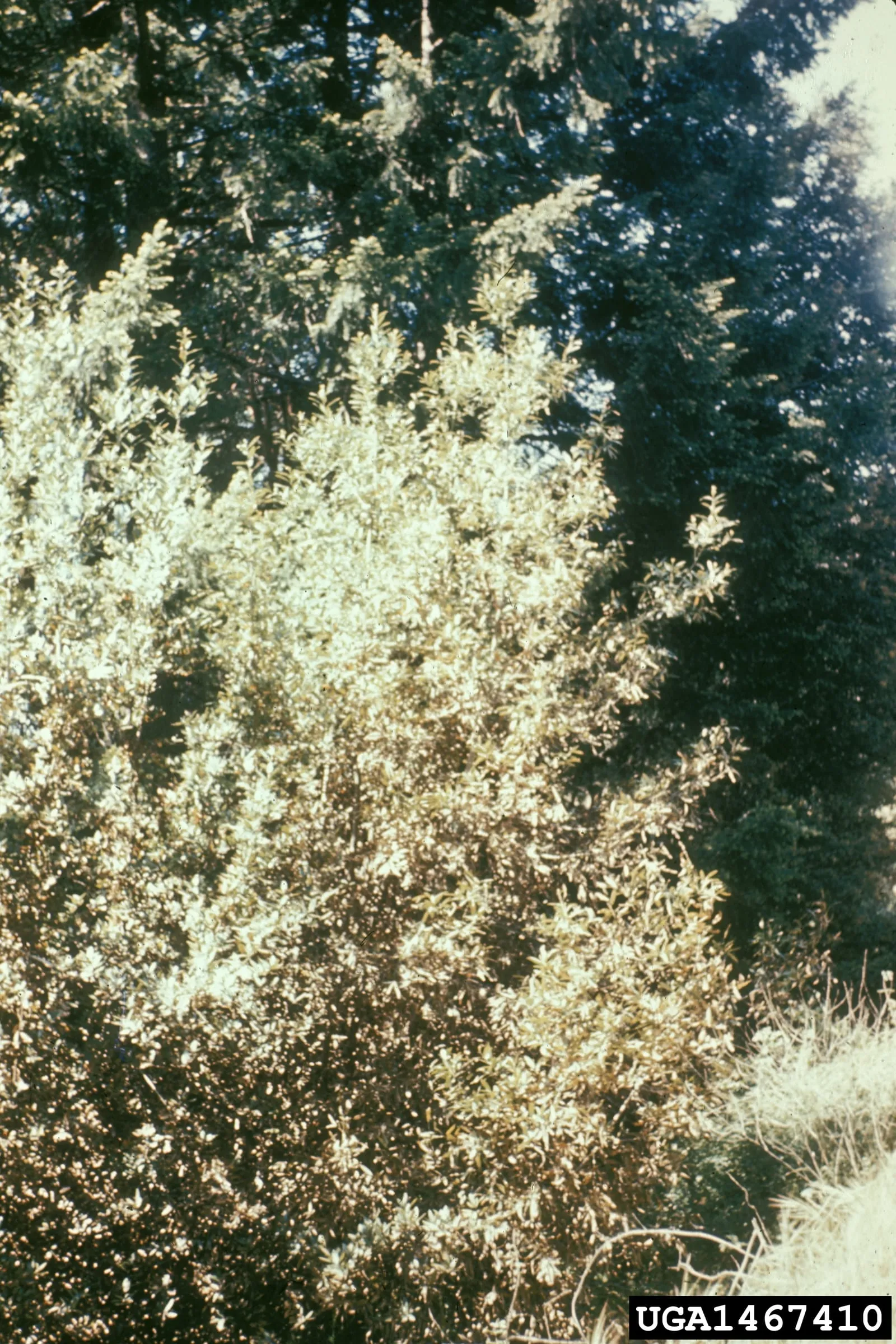
The care adjustments in zone 11a shift almost entirely toward pest and disease management rather than cold protection. Tomato Spotted Wilt Virus, spread by thrips, is a persistent risk in warm frost-free climates; reflective mulch around the base and early-season thrips monitoring reduce transmission pressure. Mango Anthracnose can affect papaya foliage and fruit in humid conditions, particularly during wet seasons; copper-based fungicide applications at bloom help limit spread.
Roots are sensitive to waterlogging, so well-drained planting beds and raised mounding are important in areas with high annual rainfall. Wind protection matters more in zone 11a than in cooler zones, as the fast-growing trunks become top-heavy quickly and are prone to snapping in storm events. Spacing plants at least 8 feet apart also improves airflow and slows fungal spread between trees.
Frequently asked questions
- Can papaya fruit year-round in zone 11a?
Yes. With no frost and a 365-day growing season, papaya produces continuously in zone 11a. Succession planting every 4 to 6 months is the most practical way to maintain a steady harvest rather than relying on a single large planting.
- Which papaya variety performs best in zone 11a?
Red Lady, Maradol, and Solo (Sunrise) are all well-suited to zone 11a conditions. Solo (Sunrise) produces smaller fruit favored for home use; Maradol yields larger commercial-size fruit. Choice depends more on space and market preference than on zone fit.
- Is Tomato Spotted Wilt Virus a serious concern for papaya in this zone?
It is a consistent risk in frost-free climates where thrips populations remain active year-round. Reflective mulch, early monitoring, and removal of infected plants before the virus spreads are the primary management tools. There are no commercially available papaya varieties with full resistance to TSWV.
+−
+−
+−
Papaya in adjacent zones
Image: "Carica papaya 22 08 2012", by Joydeep, via Wikimedia Commons, licensed under CC-BY Source.

Related