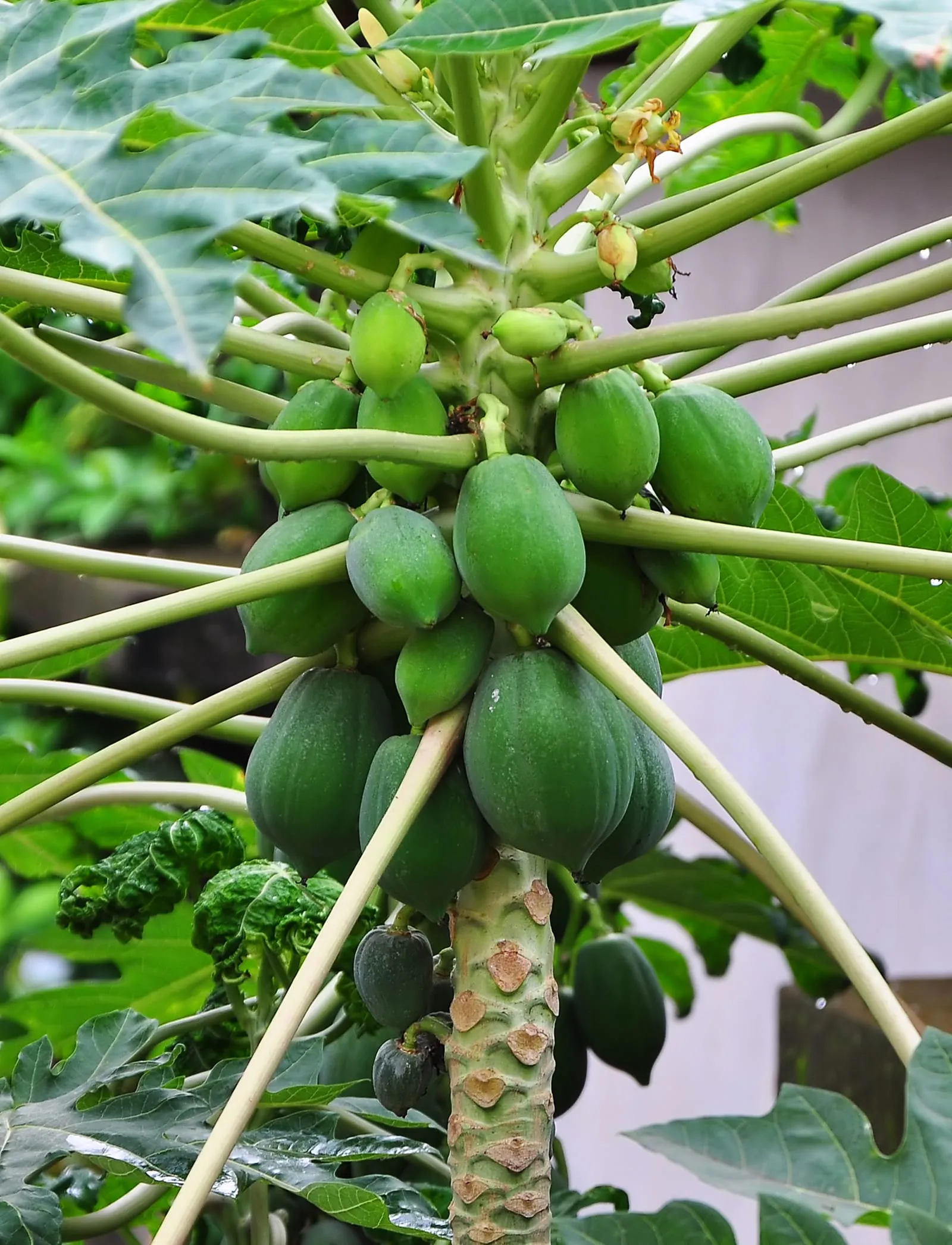
fruit tree in zone 10b
Growing papaya in zone 10b
Carica papaya
- Zone
- 10b 35°F to 40°F
- Growing season
- 365 days
- Chill needed
- 0 below 45°F
- Suitable varieties
- 3
- Days to harvest
- 180 to 270
The verdict
Zone 10b is a genuine sweet spot for papaya, not a marginal situation. Papaya requires zero chill hours and performs best in frost-free or near-frost-free climates. The zone's minimum winter temperatures of 35 to 40°F sit just above the threshold where papaya sustains significant cold injury (around 32°F), leaving the door open for year-round production without the hard resets that temperate climates impose. With a 365-day growing season, plants can cycle through multiple fruiting flushes uninterrupted.
The main caveat in zone 10b is not cold but rather the suite of tropical pest and disease pressures that intensify in consistently warm climates. Varieties like Red Lady, Maradol, and Solo (Sunrise) are all well-adapted to these conditions and widely grown in analogous tropical climates. Growers in coastal portions of the zone should also account for saltwater intrusion risk in low-lying soils, which can stress root systems and reduce fruit quality even when air temperatures are favorable.
Recommended varieties for zone 10b
3 cultivars suited to this zone, with disease-resistance and zone-fit annotations.
| Variety | Notes | Zone fit | Disease resistance |
|---|---|---|---|
| Red Lady fits zone 10b | Sweet musky orange-red flesh with low papain bitterness; an F1 hybrid with reliable fruit set without male trees. The standard home-garden choice. | | none noted |
| Maradol fits zone 10b | Large football-shaped fruit with mild sweet flesh; the Mexican commercial variety. Heavy producer once established. | | none noted |
| Solo (Sunrise) fits zone 10b | Small pear-shaped Hawaiian variety with intense sweet flavor and pinkish flesh. Self-pollinating; ideal for single-tree home gardens. | | none noted |
Critical timing for zone 10b
In zone 10b, papaya behaves as a near-continuous producer rather than a seasonal crop. Plants set flower buds year-round with no dormancy period interrupting the cycle. From transplant, most varieties reach first harvest in 6 to 9 months. Red Lady and Solo (Sunrise) tend toward the shorter end of that range; Maradol, with its larger fruit, typically runs closer to 9 months.
The zone's minimum temperatures of 35 to 40°F create a narrow cold-risk window during the coolest nights of December through February. Developing fruit and open flowers can show chilling injury if temperatures hold near 35°F for extended periods. These events are infrequent across most 10b locations, but growers should be prepared to cover young plants or newly set fruit during unusual cold snaps rather than treating the zone as entirely frost-proof.
Common challenges in zone 10b
- ▸ No winter chill
- ▸ Tropical pest and disease pressure
- ▸ Saltwater intrusion in coastal soils
Disease pressure to watch for
Modified care for zone 10b
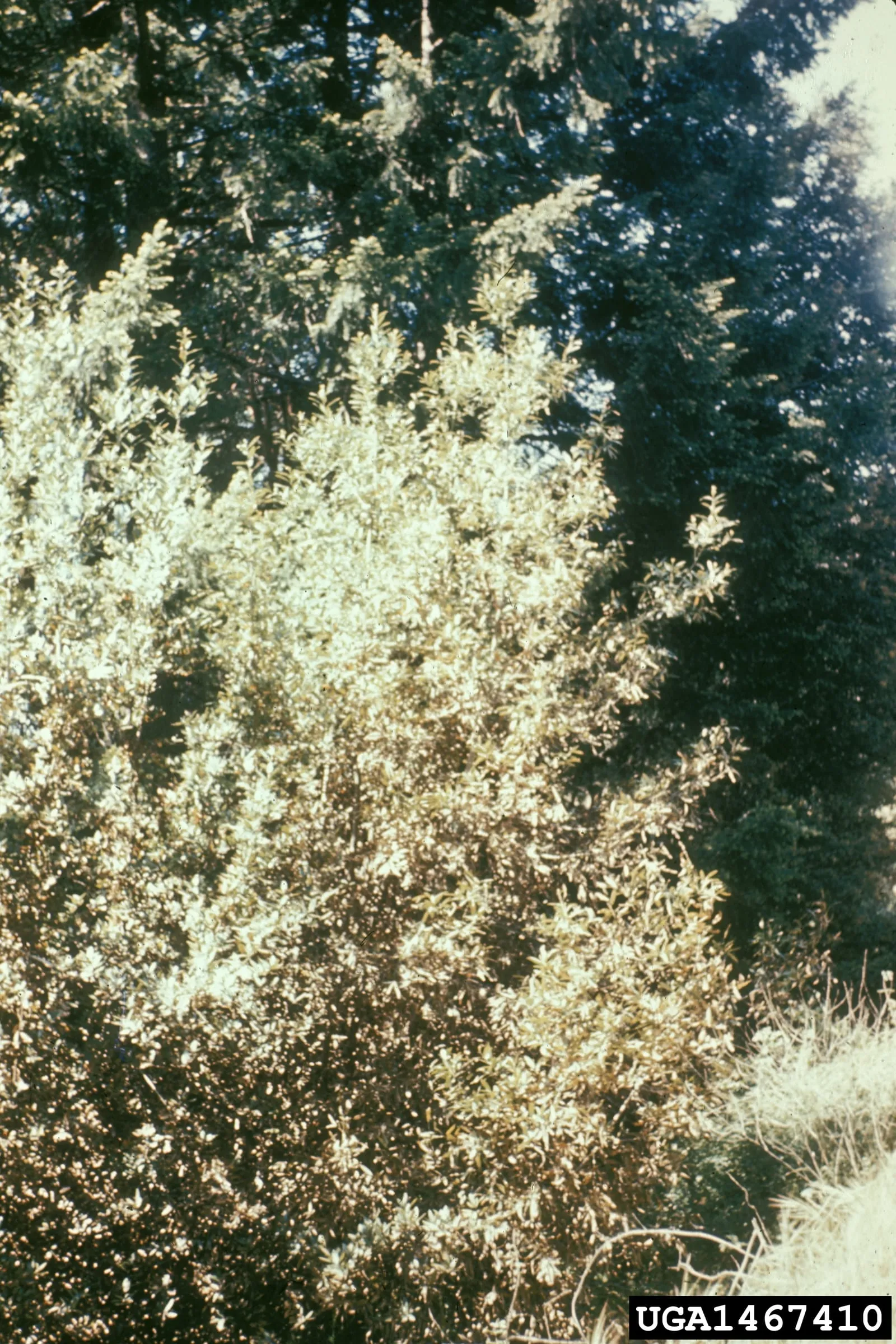
The main care adjustments in zone 10b center on disease and soil management rather than temperature. Tomato Spotted Wilt Virus, transmitted by thrips, is the more serious disease threat. Controlling thrips populations with reflective mulch and avoiding heavy nitrogen applications (which promote the soft, rapidly expanding foliage that thrips favor) are the primary management tools. Mango Anthracnose can affect fruit quality during extended wet periods, particularly in humid coastal areas where air circulation is limited.
In coastal plantings where saltwater intrusion is a documented soil issue, raised beds or mounded planting sites with improved drainage help protect the shallow root zone. Papaya is notably sensitive to waterlogged conditions, so any site that holds standing water after rain warrants amendment before planting. Mulching heavily around the base moderates soil moisture in drier inland 10b locations while also suppressing weeds and reducing soil splash that spreads fungal spores onto lower leaves.
Papaya in adjacent zones
Image: "Carica papaya 22 08 2012", by Joydeep, via Wikimedia Commons, licensed under CC-BY Source.

Related