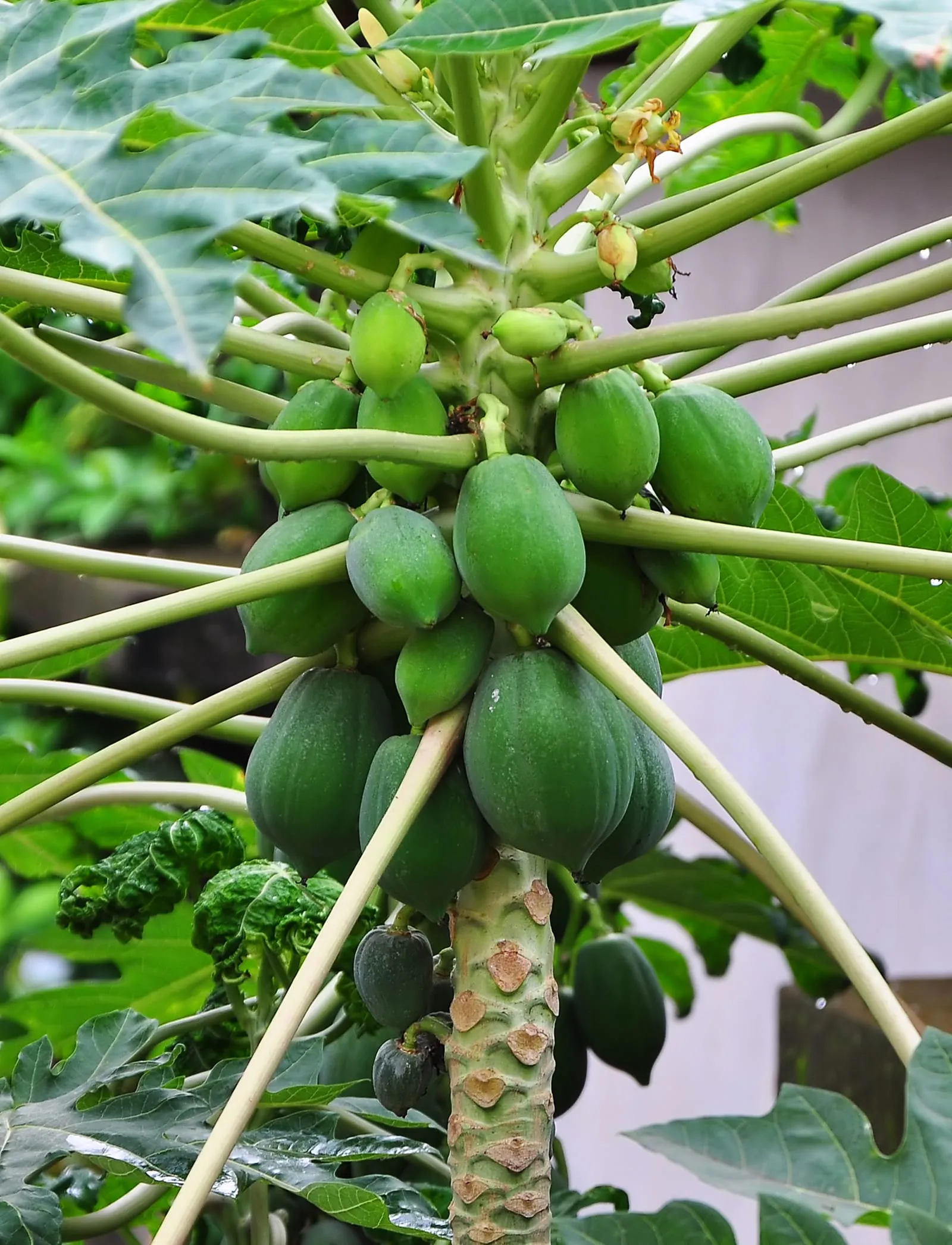
fruit tree in zone 10a
Growing papaya in zone 10a
Carica papaya
- Zone
- 10a 30°F to 35°F
- Growing season
- 340 days
- Chill needed
- 0 below 45°F
- Suitable varieties
- 2
- Days to harvest
- 180 to 270
The verdict
Papaya requires 0 chill hours, which means zone 10a's 340-day growing season and warm winters are a genuine fit rather than a workaround. The binding constraint is the minimum temperature range of 30 to 35°F: papaya foliage begins to suffer below 32°F, and a hard freeze at 30°F can kill the growing tip outright, ending that stem's productive life.
Zone 10a is workable but not uniformly safe. Coastal sites that rarely drop below 35°F are the sweet spot; inland pockets where temperatures occasionally reach the zone floor are more marginal. In those locations, papaya behaves more like a semi-permanent crop that growers replace after significant cold events rather than a long-lived perennial. Red Lady and Maradol both handle zone 10a's heat load well and are the standard starting point here.
Recommended varieties for zone 10a
2 cultivars suited to this zone, with disease-resistance and zone-fit annotations.
| Variety | Notes | Zone fit | Disease resistance |
|---|---|---|---|
| Red Lady fits zone 10a | Sweet musky orange-red flesh with low papain bitterness; an F1 hybrid with reliable fruit set without male trees. The standard home-garden choice. | | none noted |
| Maradol fits zone 10a | Large football-shaped fruit with mild sweet flesh; the Mexican commercial variety. Heavy producer once established. | | none noted |
Critical timing for zone 10a
Papaya planted from transplant in spring typically begins flowering within 4 to 6 months. Fruit set follows roughly 5 to 7 months after flowering, placing first harvest 9 to 12 months after planting for spring-started plants. Zone 10a's 340-day growing season accommodates that cycle without interruption in most years.
The frost risk window, generally December through February in zone 10a, can intersect with the bloom period if plants flower in late fall. Open flowers are more frost-sensitive than foliage. Staggering planting dates or choosing cultivars with predictable spring-biased bloom timing reduces the chance of cold coinciding with flowering. Once established at a frost-free site, papaya fruits continuously rather than in a single seasonal flush.
Common challenges in zone 10a
- ▸ No chilling for traditional temperate fruit
- ▸ Hurricane exposure
- ▸ Heat-tolerant cultivars only
Disease pressure to watch for
Modified care for zone 10a
Hurricane exposure is a structural concern in coastal zone 10a. Papaya's shallow root system and tall, top-heavy habit make it vulnerable to wind throw. Planting in clusters of three or more provides mutual bracing, and semi-dwarf types like Red Lady reduce the wind leverage problem compared to taller selections.
For frost events within the 30 to 35°F minimum range, protecting the growing tip is the priority. Foliage can regrow after cold damage, but a killed apical meristem ends that stem's fruiting. A layer of frost cloth over the crown is sufficient for brief dips to 32°F.
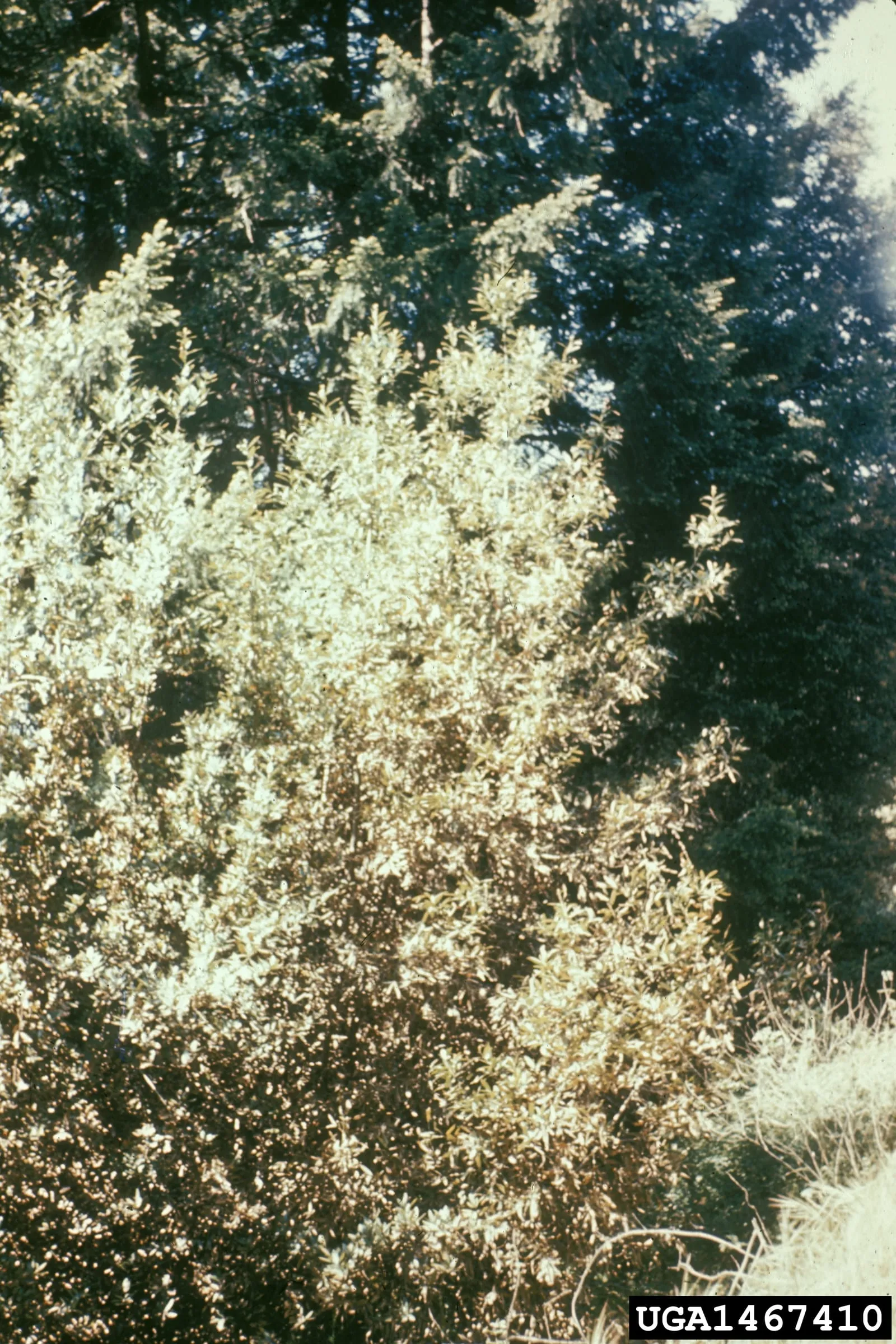
Tomato Spotted Wilt Virus spreads through thrips; reflective mulch around the base of plants suppresses thrips populations and reduces transmission risk. Mango Anthracnose pressure rises during humid periods, particularly around flowering; copper-based fungicide applications before and during bloom are standard practice where the disease is active.
Papaya in adjacent zones
Image: "Carica papaya 22 08 2012", by Joydeep, via Wikimedia Commons, licensed under CC-BY Source.

Related