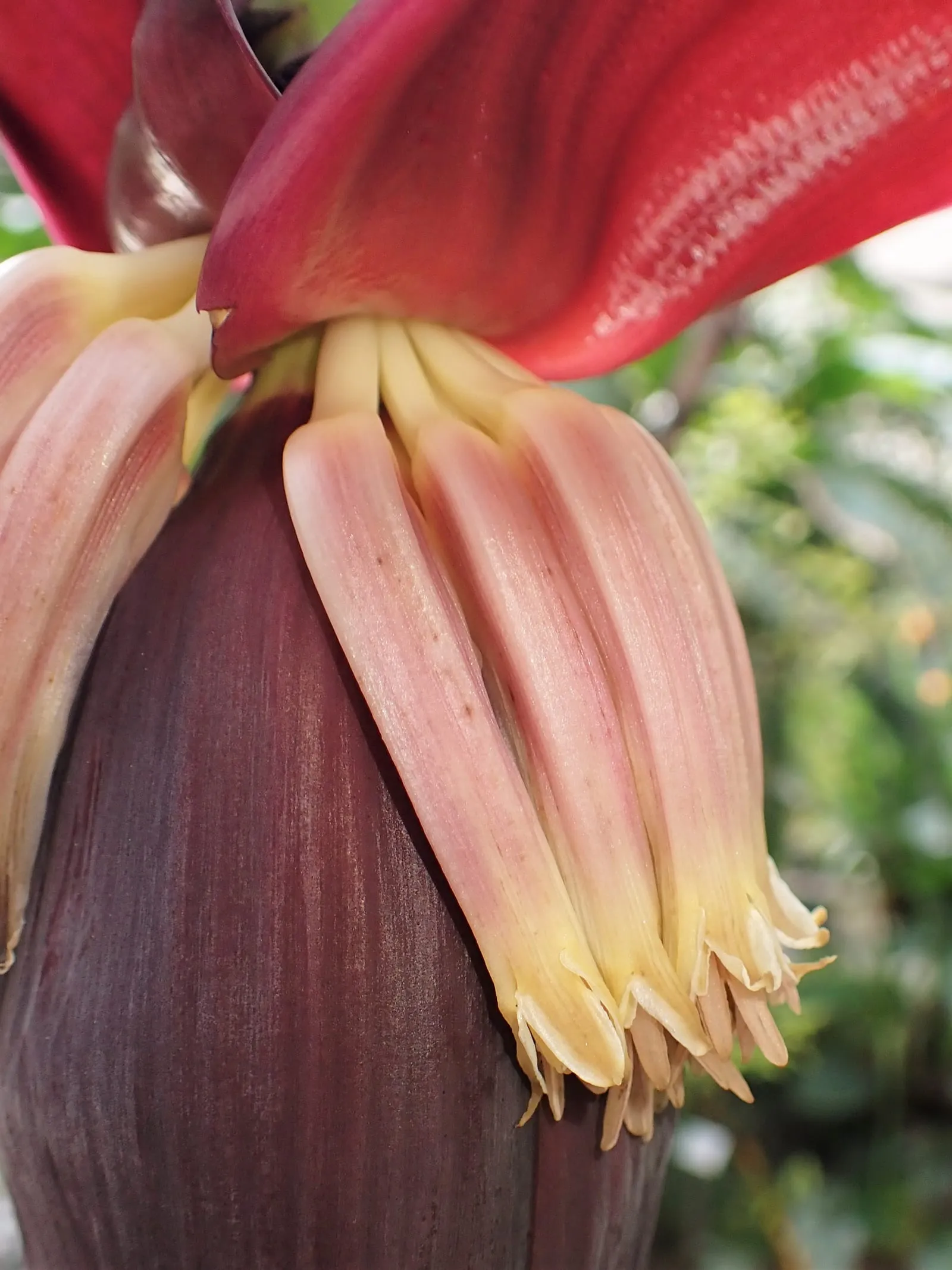
fruit tree in zone 12a
Growing banana in zone 12a
Musa acuminata
- Zone
- 12a 50°F to 55°F
- Growing season
- 365 days
- Chill needed
- 0 below 45°F
- Suitable varieties
- 5
- Days to harvest
- 270 to 365
The verdict
Zone 12a is a genuine sweet spot for banana cultivation. With minimum temperatures staying between 50°F and 60°F and a 365-day growing season, bananas face none of the chill-induced dormancy issues that limit them in cooler zones. Bananas require zero chill hours, and zone 12a delivers exactly that: uninterrupted warmth year-round.
Most edible banana varieties, from commercial Cavendish types to Ice Cream and Goldfinger, reach their full genetic potential in these conditions. Goldfinger (FHIA-01) is particularly well suited given its disease tolerance profile. The primary constraints in zone 12a are not temperature but rather wind exposure from tropical storms, Panama Disease pressure in soils with cultivation history, and periodic flooding. Growers who manage those site factors will find bananas among the most reliably productive fruit crops available in the zone.
Recommended varieties for zone 12a
5 cultivars suited to this zone, with disease-resistance and zone-fit annotations.
| Variety | Notes | Zone fit | Disease resistance |
|---|---|---|---|
| Cavendish (Williams) fits zone 12a | Mild sweet flesh that's everyone's reference banana; the supermarket standard. Threatened by Tropical Race 4 Panama disease worldwide. | | none noted |
| Apple Banana (Manzano) fits zone 12a | Short fat fruit with a tangy apple-strawberry note; eaten when skin is fully blackened. Hardy and productive in marginal subtropical sites. | | none noted |
| Ice Cream (Blue Java) fits zone 12a | Silvery-blue peel and creamy vanilla flesh that earns the name; eaten fresh or frozen for soft-serve texture. Cold-hardier than most for a banana. | | none noted |
| Goldfinger (FHIA-01) fits zone 12a | Modern Honduran hybrid with apple-like sweet-tart flavor; bred for Panama disease resistance. Wind-tolerant and productive in cyclone-prone areas. | |
|
| Plantain (Dwarf Puerto Rican) fits zone 12a | Starchy cooking banana for frying, boiling, and tostones; never eaten raw at green stage. Compact pseudostem (~8 ft) for backyard production. | | none noted |
Critical timing for zone 12a
In zone 12a, bananas do not follow a single seasonal rhythm. Planting can occur in any month, and with consistent warmth, a newly planted sucker typically reaches flowering in 9 to 15 months depending on variety and site conditions. Cavendish types tend toward the shorter end of that window; Goldfinger and Plantain selections often run longer.
Once the flower emerges, the fruit hand develops over roughly 3 to 5 months before harvest. Because there is no frost interruption, multiple ratoon cycles can proceed in succession without the forced dormancy that limits productivity in marginal zones. Growers can stagger planting across multiple mats to achieve a near-continuous harvest rather than a single seasonal flush.
Common challenges in zone 12a
- ▸ No temperate species
- ▸ Tropical pest and disease pressure
- ▸ Hurricane exposure
Disease pressure to watch for
Modified care for zone 12a
The principal care adjustment in zone 12a is structural: bananas in hurricane-exposure areas need strategic siting and, for tall varieties, potential staking or windbreak planting on the upwind side. Dwarf selections such as Dwarf Puerto Rican Plantain offer a meaningful advantage in exposed locations.
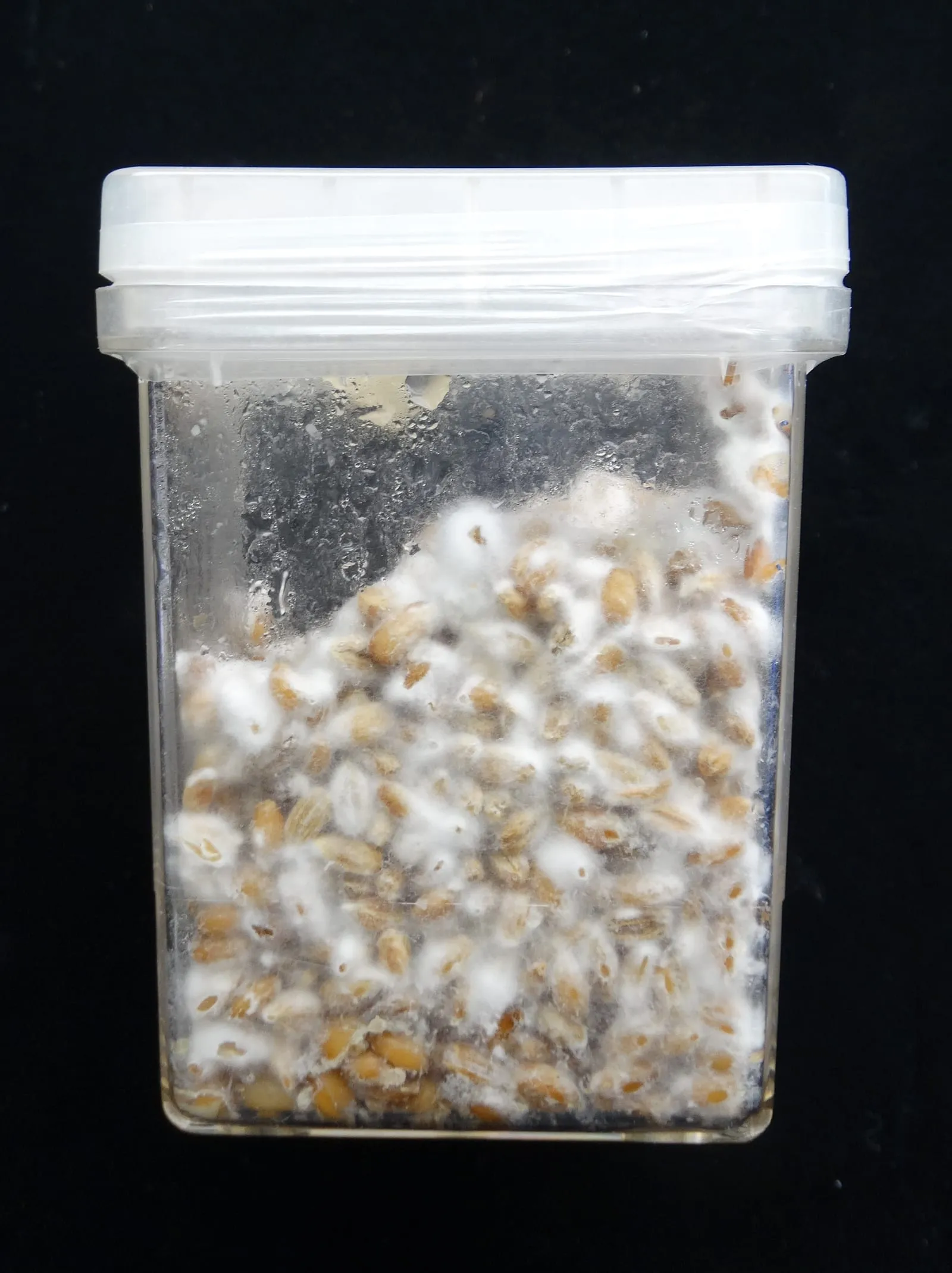
Panama Disease (Fusarium wilt) is a soil-borne pathogen with long persistence; avoid replanting susceptible varieties like Gros Michel into ground with known infection history and favor resistant selections such as Goldfinger. Sooty mold typically tracks aphid and mealybug pressure, so managing soft-bodied insects with horticultural oil or reflective mulch reduces mold incidence indirectly.
In dense, humid sites, improve air circulation by thinning sucker populations to one parent and one ratoon at a time. Irrigation is generally supplemental rather than critical, but consistent moisture during fruit fill improves bunch weight noticeably.
Banana in adjacent zones
Image: "Musa acuminata kz01", by Krzysztof Ziarnek, Kenraiz, via Wikimedia Commons, licensed under CC-BY Source.

Related