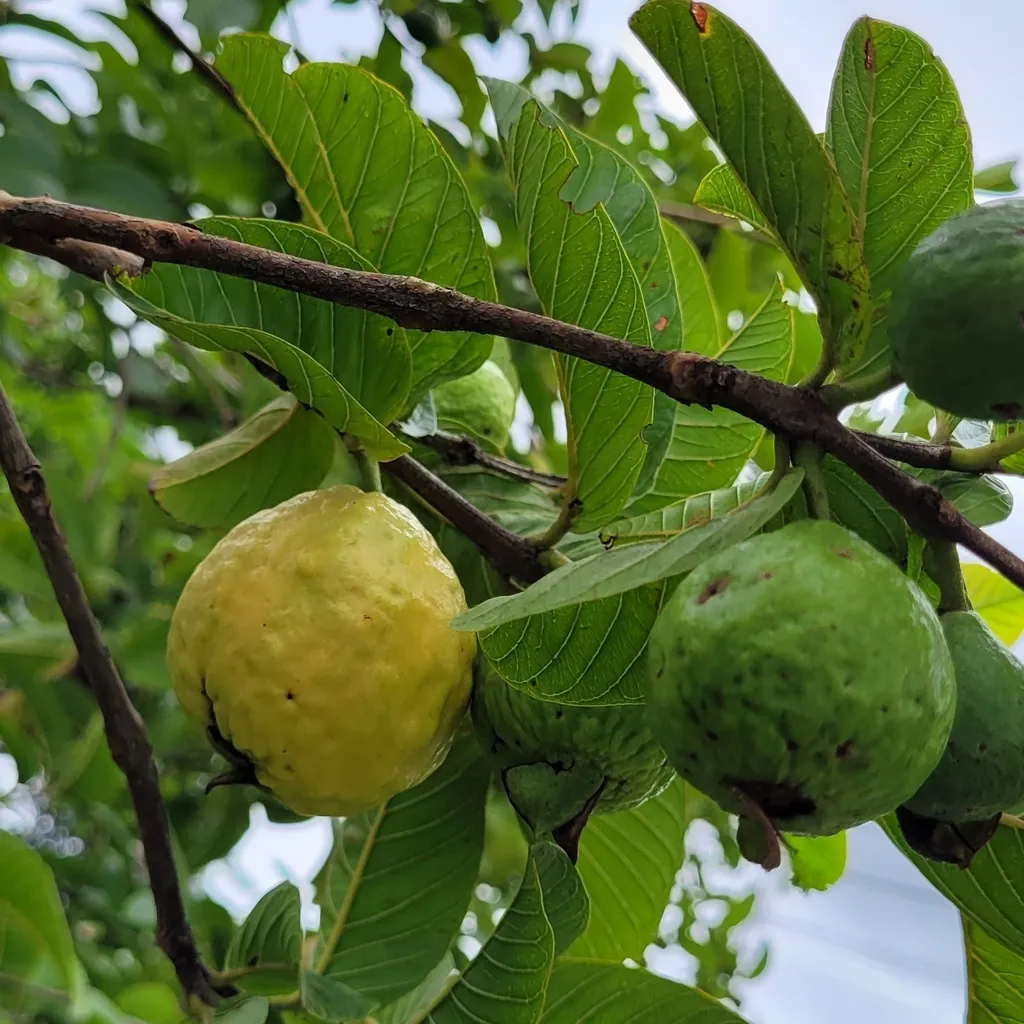
fruit tree in zone 11b
Growing guava in zone 11b
Psidium guajava
- Zone
- 11b 45°F to 50°F
- Growing season
- 365 days
- Chill needed
- 0 to 100 below 45°F
- Suitable varieties
- 3
- Days to harvest
- 120 to 240
The verdict
Zone 11b is a genuine sweet spot for guava, not a marginal zone. With minimum temperatures holding between 45 and 50°F and a 365-day growing season, the climate matches guava's requirements almost perfectly. Guava's chill-hour requirement sits between 0 and 100 hours, and zone 11b delivers that range comfortably without the temperature swings that complicate production in cooler zones. Ruby Supreme, White Indian, and Strawberry Guava are all well-adapted here, with no meaningful risk of frost damage to blooms or developing fruit.
The primary constraints in zone 11b are not temperature-related but biological: year-round pest pressure that never gets a seasonal reset, and salt spray exposure for coastal plantings. Zone 11b growers do not face the suitability questions that arise in zones 9 or 10; the challenge is managing a crop that grows vigorously year-round without the natural pause that cooler winters provide elsewhere.
Recommended varieties for zone 11b
3 cultivars suited to this zone, with disease-resistance and zone-fit annotations.
| Variety | Notes | Zone fit | Disease resistance |
|---|---|---|---|
| Ruby Supreme fits zone 11b | Pink-fleshed sweet aromatic guava with a perfumed musky note; the dessert standard. Reliable producer of large fruit on a manageable tree. | | none noted |
| White Indian fits zone 11b | White flesh with a milder cleaner sweet flavor and fewer seeds; the choice for fresh eating without the perfumed funk. Old Florida heirloom. | | none noted |
| Strawberry Guava fits zone 11b | Smaller red-skinned fruit with a strawberry-like sweet-tart flavor; technically a different species (Psidium cattleyanum). Cold-hardier and invasive in Hawaii. | | none noted |
Critical timing for zone 11b
In zone 11b, guava does not follow a single annual bloom cycle. Without meaningful winter chilling or a frost signal to synchronize flowering, plants can produce multiple flushes throughout the year, most commonly from late winter through spring and again in late summer. Fruit development takes approximately 90 to 150 days from fruit set depending on variety, so staggered harvests across the calendar are typical.
Coastal zone 11b plantings may see some bloom suppression during periods of sustained salt spray and strong winds, which can desiccate flowers before pollination completes. There is no frost window to avoid. The primary timing concern is harvest monitoring, since fruit ripens quickly in consistent heat and deteriorates fast if left on the tree past peak.
Common challenges in zone 11b
- ▸ Year-round pest pressure
- ▸ Salt spray near coasts
- ▸ No winter dormancy for traditional temperate species
Disease pressure to watch for
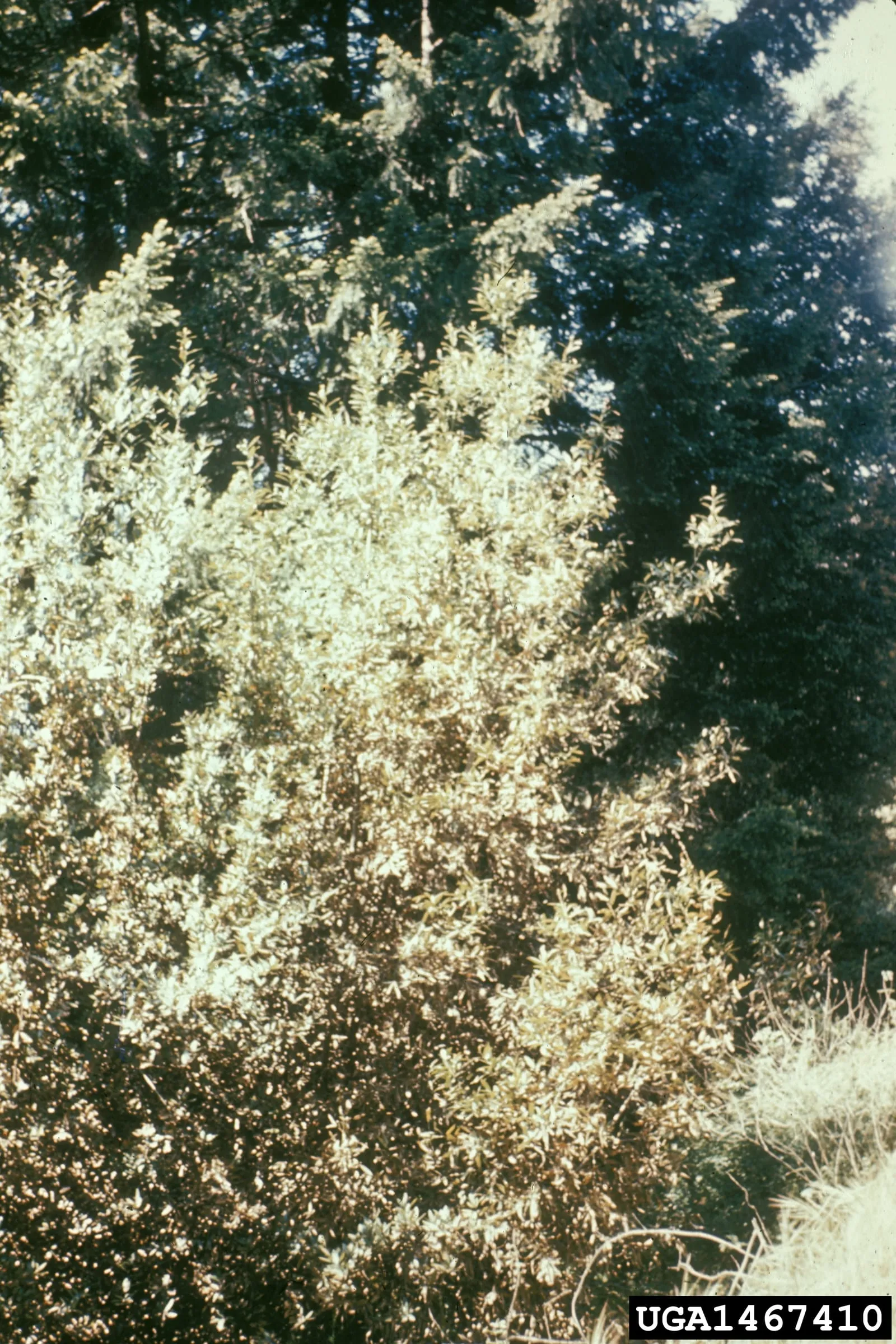
Colletotrichum gloeosporioides
Most damaging mango disease worldwide. Fungal spores infect blossoms and developing fruit during humid weather, producing black sunken lesions that expand on ripening fruit.
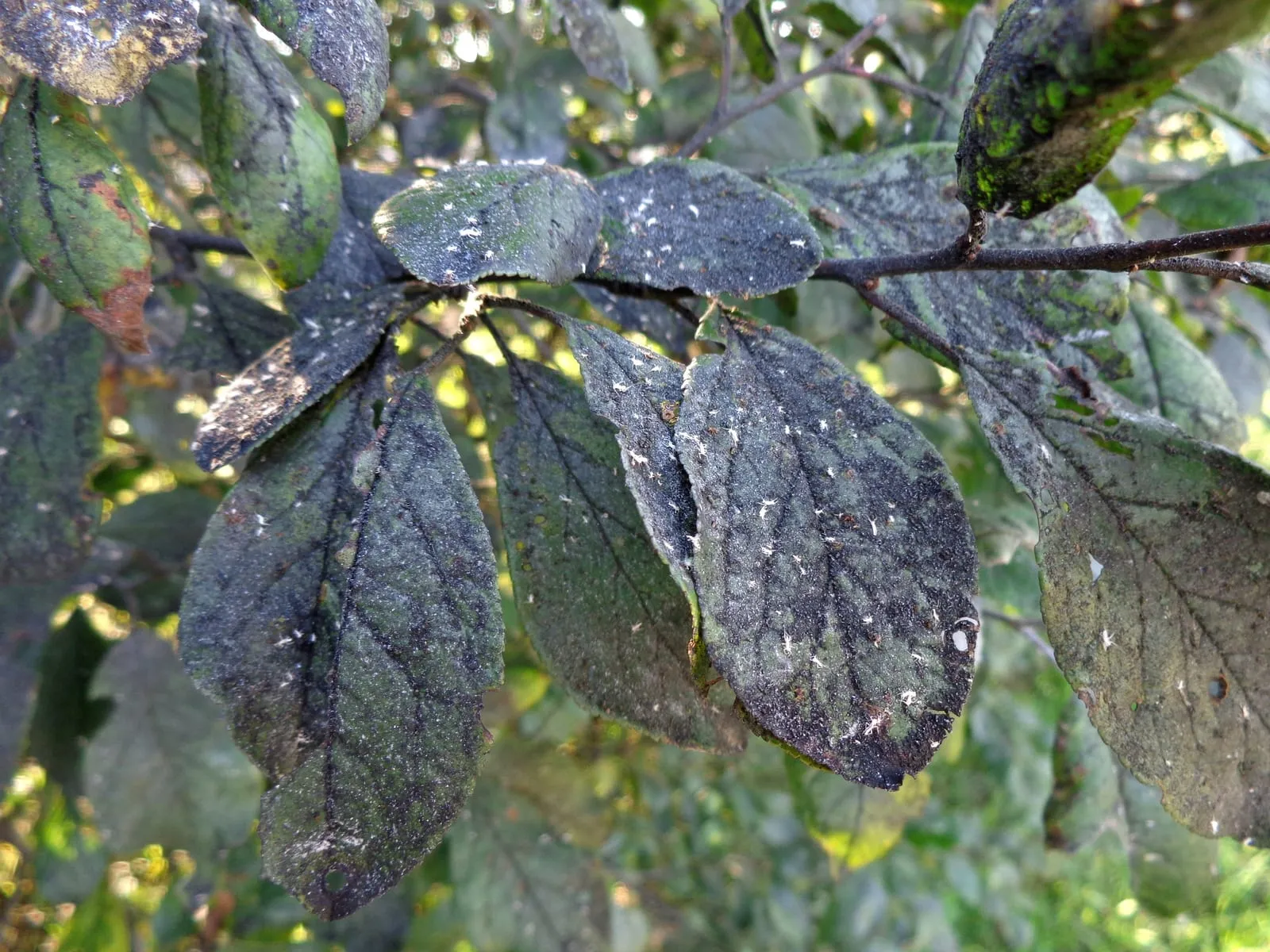
Capnodium spp.
Black fungal coating that grows on honeydew secreted by aphids, scale, mealybugs, and whiteflies. Doesn't infect plant tissue directly but blocks photosynthesis and disfigures fruit.
Modified care for zone 11b
The most significant adjustment for zone 11b is pest management cadence. With no winter dormancy to interrupt pest life cycles, populations of fruit flies, scale insects, and mealybugs can build continuously. A consistent monitoring and intervention schedule every three to four weeks outperforms seasonal spray programs that assume a winter break.
Anthracnose remains active year-round in humid zone 11b conditions, making fungal management an ongoing concern rather than a seasonal one. Removing infected fruit promptly and maintaining canopy airflow through selective pruning reduces pressure. Coastal growers should rinse foliage with fresh water after salt spray events to prevent foliar accumulation. Generous mulching helps retain soil moisture during dry periods without creating the waterlogged conditions that promote root rot. Cold hardiness is not a limiting factor here; no winter protection is needed.
Frequently asked questions
- Is zone 11b too hot for guava?
Guava is well-suited to zone 11b's heat and requires 0 to 100 chill hours, which the zone provides without difficulty. Heat stress is rarely the limiting factor; consistent moisture and pest management matter more than temperature ceilings in this zone.
- How many times per year will guava fruit in zone 11b?
Without a winter chilling period to synchronize flowering, guava in zone 11b typically blooms in two or more flushes per year. Growers can expect fruit at multiple points in the calendar rather than a single concentrated harvest.
- Which guava varieties perform best in zone 11b?
Ruby Supreme, White Indian, and Strawberry Guava are all compatible with zone 11b conditions. Strawberry Guava is notably tolerant of coastal conditions and periodic salt exposure, making it a practical choice for growers near the water.
+−
+−
+−
Guava in adjacent zones
Image: "Goiabeira", by Daniel Dias, via iNaturalist, licensed under CC-BY Source.
Related