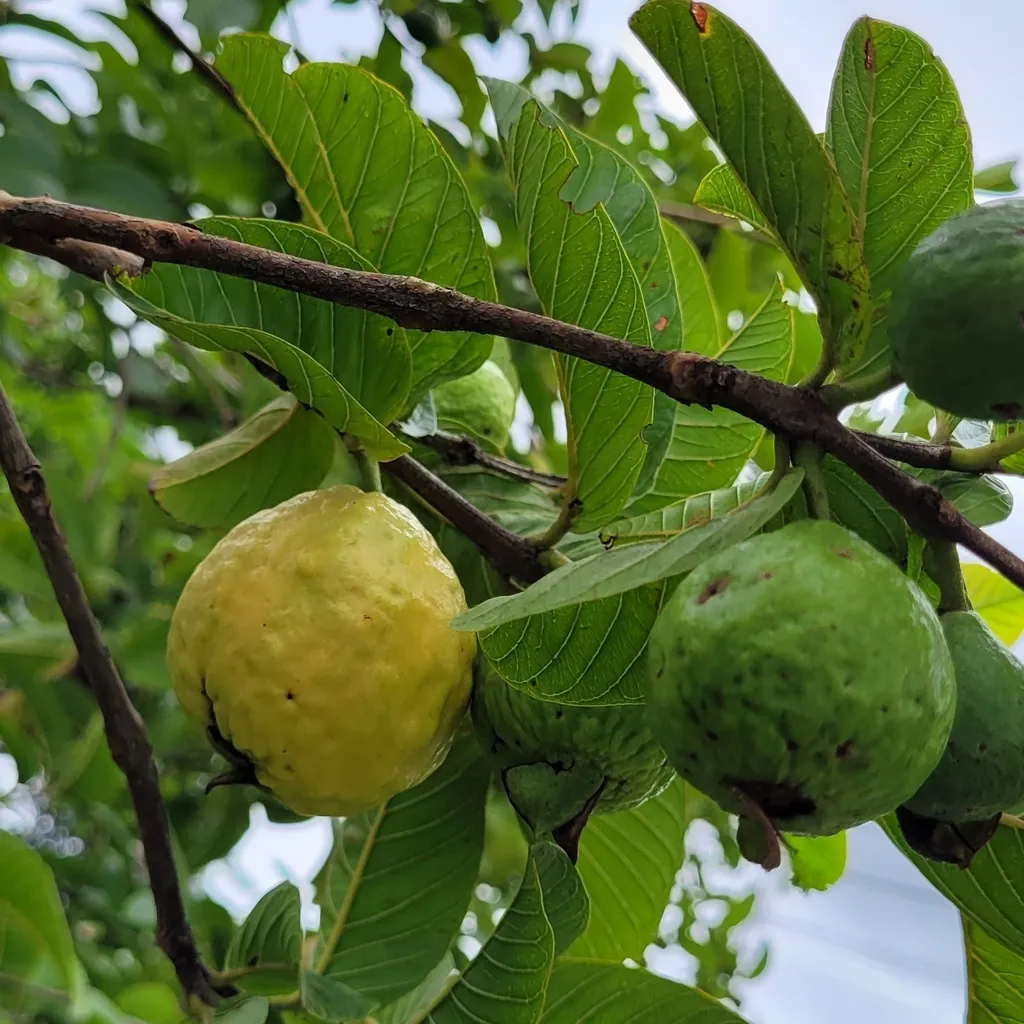
fruit tree in zone 11a
Growing guava in zone 11a
Psidium guajava
- Zone
- 11a 40°F to 45°F
- Growing season
- 365 days
- Chill needed
- 0 to 100 below 45°F
- Suitable varieties
- 3
- Days to harvest
- 120 to 240
The verdict
Zone 11a, with minimum winter temperatures between 40 and 45°F and a 365-day growing season, represents a genuine sweet spot for guava rather than a marginal case. The crop requires only 0 to 100 chill hours annually, and zone 11a delivers essentially none, which is precisely the condition guava evolved for. Unlike temperate stone fruits or pome fruits that fail entirely in this zone, guava is among the crops that perform at their ceiling here.
All three recommended varieties, Ruby Supreme, White Indian, and Strawberry Guava, are suited to the sustained heat and humidity that define zone 11a. Continuous warm conditions mean the plant faces no meaningful dormancy window, which aligns with guava's preference for uninterrupted growth. Growers in cooler zones often push guava to its cold tolerance limits; zone 11a is the baseline those comparisons measure against. The primary constraints here are not thermal but involve managing the year-round pest and disease pressure that unbroken warm conditions sustain.
Recommended varieties for zone 11a
3 cultivars suited to this zone, with disease-resistance and zone-fit annotations.
| Variety | Notes | Zone fit | Disease resistance |
|---|---|---|---|
| Ruby Supreme fits zone 11a | Pink-fleshed sweet aromatic guava with a perfumed musky note; the dessert standard. Reliable producer of large fruit on a manageable tree. | | none noted |
| White Indian fits zone 11a | White flesh with a milder cleaner sweet flavor and fewer seeds; the choice for fresh eating without the perfumed funk. Old Florida heirloom. | | none noted |
| Strawberry Guava fits zone 11a | Smaller red-skinned fruit with a strawberry-like sweet-tart flavor; technically a different species (Psidium cattleyanum). Cold-hardier and invasive in Hawaii. | | none noted |
Critical timing for zone 11a
In zone 11a, guava does not follow a single annual bloom-to-harvest cycle. With no frost interruption across the full 365-day growing season, established trees can produce two or three flush cycles per year depending on variety and irrigation management. Ruby Supreme and White Indian typically concentrate their heaviest crop in late spring through early summer, with a secondary flush possible in fall. Strawberry Guava tends toward more continuous production across the year.
Because zone 11a carries no meaningful frost risk, the bloom window is never threatened by cold events. The practical timing constraint shifts to water availability: dry periods can trigger stress-induced bloom cycles, and growers can use this to shift harvest timing deliberately. Fruit development from bloom to ripe fruit typically runs 90 to 150 days depending on variety, so managing irrigation and pruning cycles effectively sequences harvests throughout the year.
Common challenges in zone 11a
- ▸ No temperate fruit potential
- ▸ Year-round pest pressure
- ▸ Specialized crop selection
Disease pressure to watch for
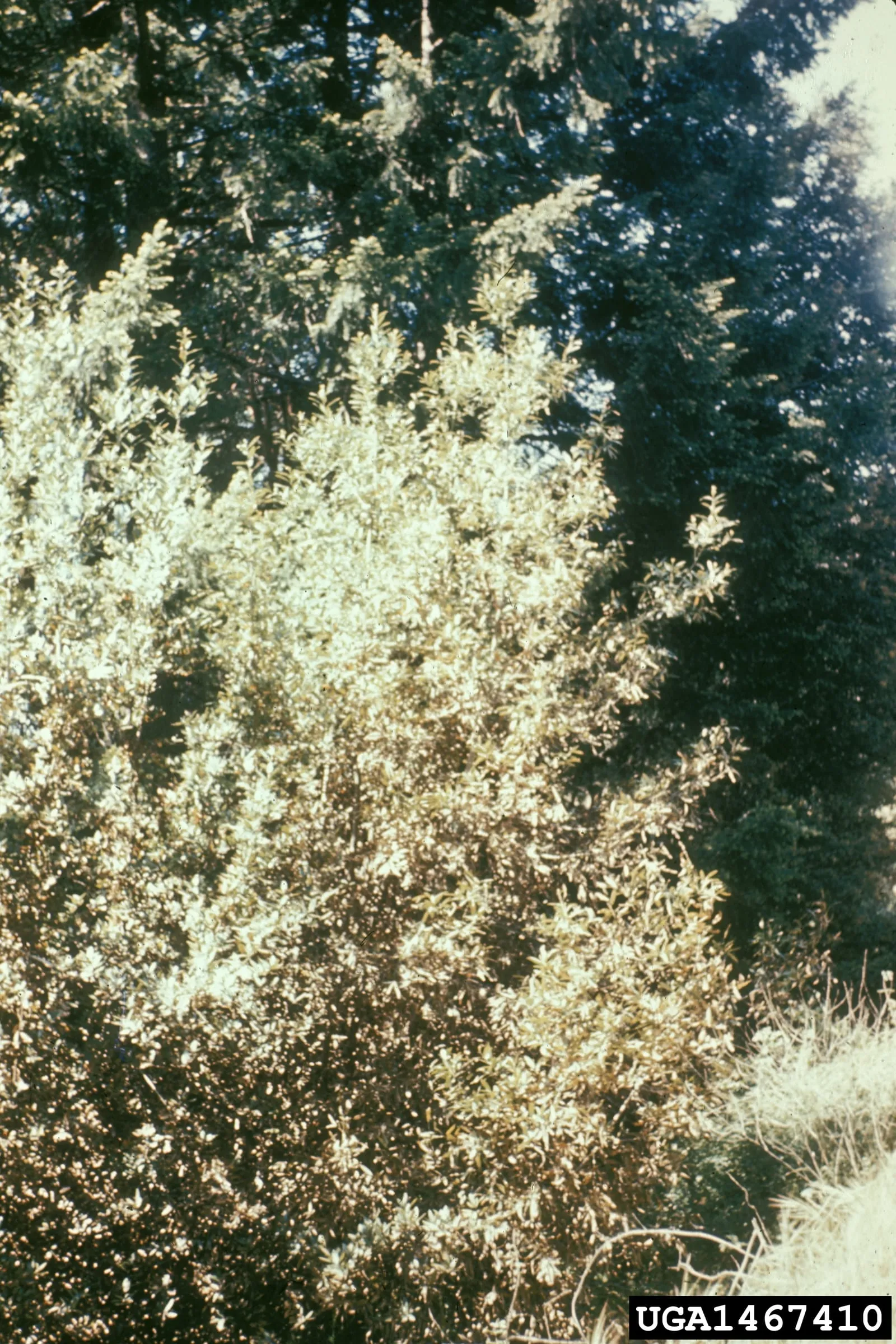
Colletotrichum gloeosporioides
Most damaging mango disease worldwide. Fungal spores infect blossoms and developing fruit during humid weather, producing black sunken lesions that expand on ripening fruit.
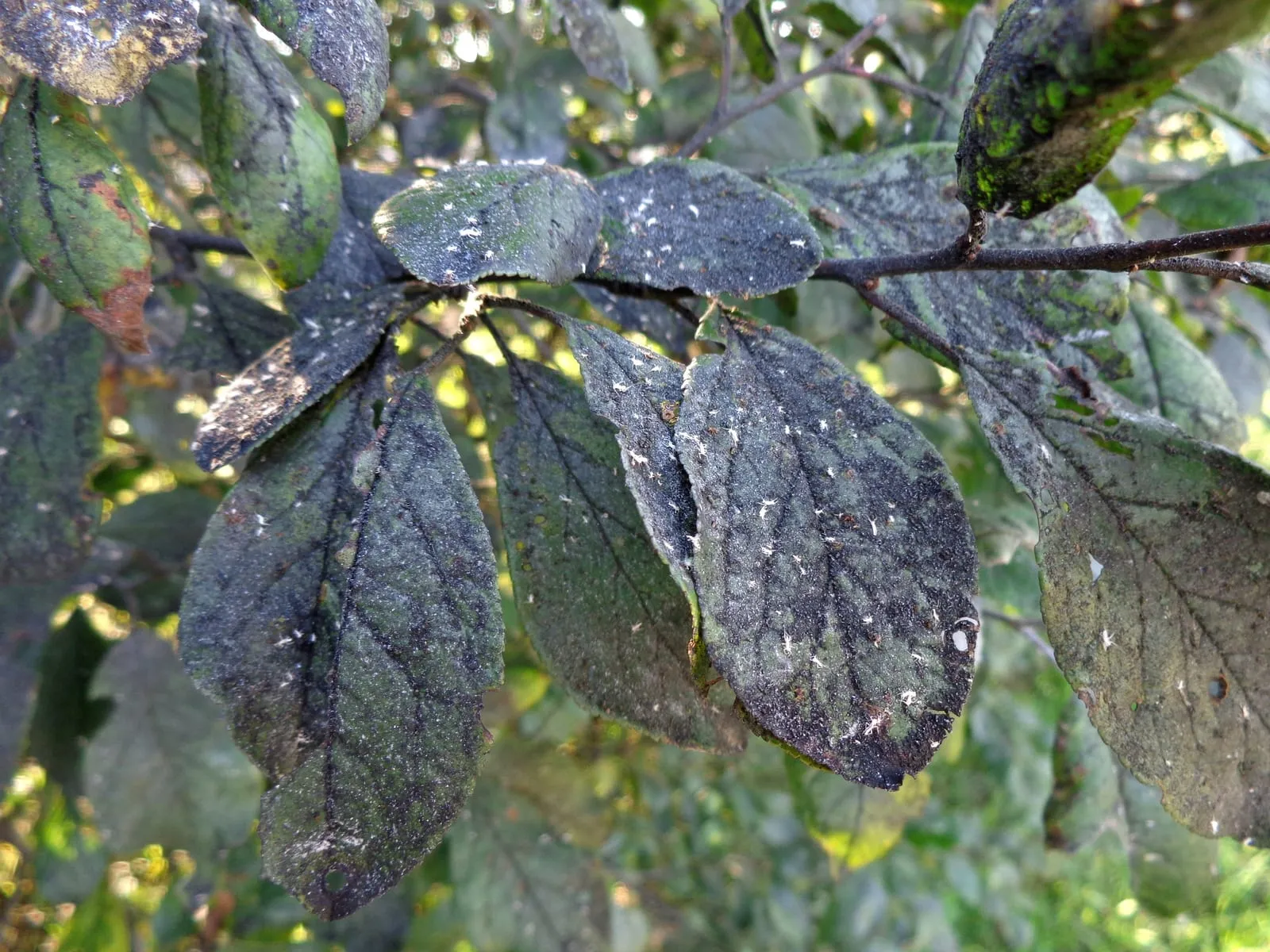
Capnodium spp.
Black fungal coating that grows on honeydew secreted by aphids, scale, mealybugs, and whiteflies. Doesn't infect plant tissue directly but blocks photosynthesis and disfigures fruit.
Modified care for zone 11a
Winter protection is unnecessary in zone 11a. Management demands shift instead toward pest and disease pressure, which operates every month without the seasonal interruptions that cooler climates provide.
Mango anthracnose, a fungal pathogen that affects guava in humid tropical conditions, warrants consistent monitoring during wet periods. Copper-based fungicides applied at bloom and during extended rain reduce infection rates; the UF/IFAS Tropical Fruit Production Guide is the standard regional reference for timing and application rates. Maintaining an open canopy through regular pruning improves airflow and reduces the humid microclimate that drives fungal spread.
Pest monitoring requires year-round attention. Fruit flies, scale insects, and guava moth face no cold-season interruption in this zone. Keeping ground cover managed beneath the canopy and removing dropped fruit promptly reduces pest refugia. Mulching the root zone helps buffer the occasional brief cool spells that do occur, though temperatures in zone 11a rarely approach the crop's damage threshold of around 28°F.
Guava in adjacent zones
Image: "Goiabeira", by Daniel Dias, via iNaturalist, licensed under CC-BY Source.
Related