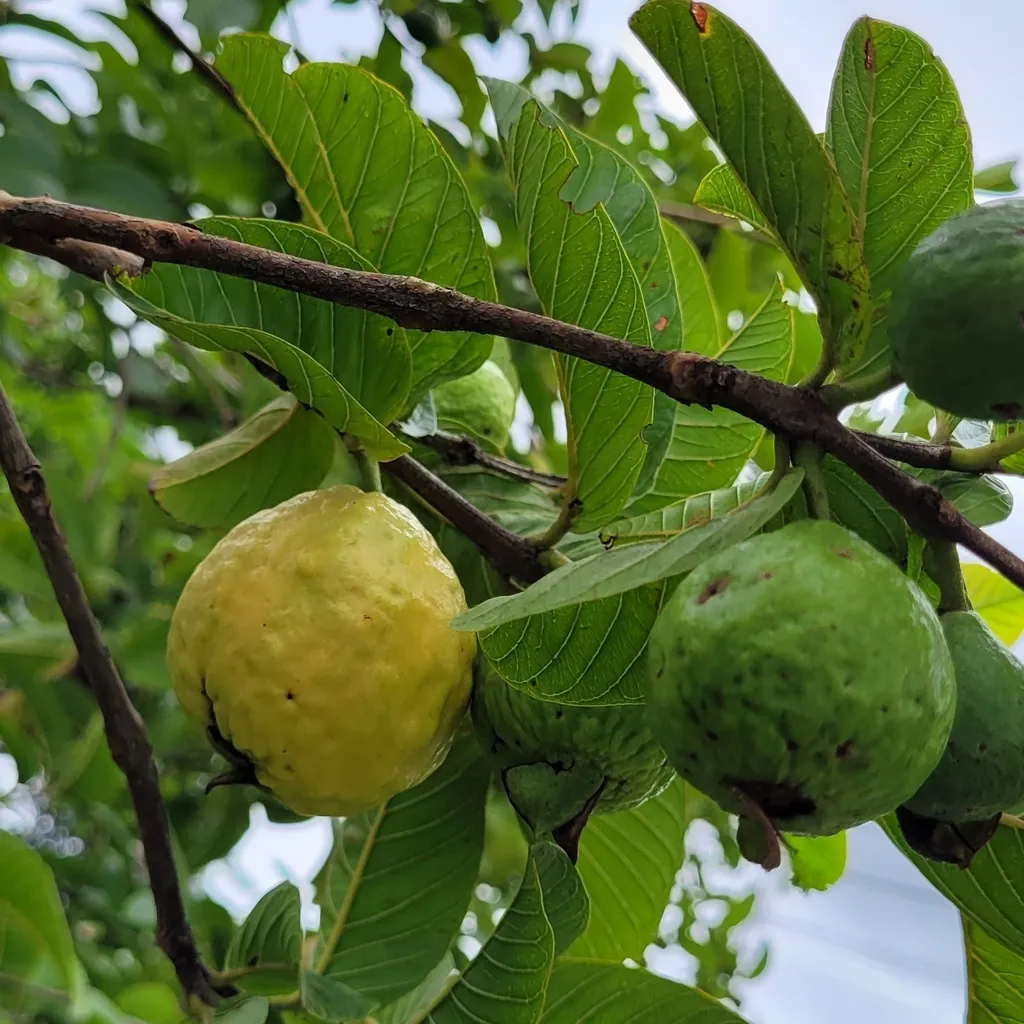
fruit tree in zone 10b
Growing guava in zone 10b
Psidium guajava
- Zone
- 10b 35°F to 40°F
- Growing season
- 365 days
- Chill needed
- 0 to 100 below 45°F
- Suitable varieties
- 3
- Days to harvest
- 120 to 240
The verdict
Zone 10b is a genuine sweet spot for guava rather than a marginal zone. Guava's chill-hour requirement sits between 0 and 100 hours, and zone 10b winters rarely deliver even that modest total, which is entirely acceptable for this tropical crop. Most fruiting varieties produce reliably with little to no winter chilling.
The 365-day growing season eliminates the frost risk that limits guava in cooler zones. Minimum winter temperatures of 35 to 40°F push the lower boundary of guava cold tolerance, but established trees typically handle brief dips into this range without meaningful damage. Young trees and newly planted stock need more attention during cold snaps.
The real constraints in zone 10b are not temperature-related. Tropical pest and disease pressure, combined with potential saltwater intrusion in coastal soils, are the management challenges that matter here. Ruby Supreme, White Indian, and Strawberry Guava are all well-matched to zone 10b conditions and fruit reliably without supplemental chilling.
Recommended varieties for zone 10b
3 cultivars suited to this zone, with disease-resistance and zone-fit annotations.
| Variety | Notes | Zone fit | Disease resistance |
|---|---|---|---|
| Ruby Supreme fits zone 10b | Pink-fleshed sweet aromatic guava with a perfumed musky note; the dessert standard. Reliable producer of large fruit on a manageable tree. | | none noted |
| White Indian fits zone 10b | White flesh with a milder cleaner sweet flavor and fewer seeds; the choice for fresh eating without the perfumed funk. Old Florida heirloom. | | none noted |
| Strawberry Guava fits zone 10b | Smaller red-skinned fruit with a strawberry-like sweet-tart flavor; technically a different species (Psidium cattleyanum). Cold-hardier and invasive in Hawaii. | | none noted |
Critical timing for zone 10b
In zone 10b, guava does not follow a single annual bloom-and-harvest cycle. Trees often bloom two to three times per year, with the largest flush typically occurring in spring (March through April) and a secondary flush in late summer. Fruit from the spring bloom generally ripens from July through September; the summer flush produces fruit in late fall through early winter.
Frost timing is not a meaningful concern in zone 10b. The bloom window does not intersect with any realistic frost risk, so crop loss from a late cold event is rare. Heat and humidity during bloom affect fruit set more than any cold snap will. Harvest timing is better tracked by fruit color, aroma, and slight give under thumb pressure than by calendar date, since zone 10b's year-round warmth compresses ripening considerably compared to subtropical zones.
Common challenges in zone 10b
- ▸ No winter chill
- ▸ Tropical pest and disease pressure
- ▸ Saltwater intrusion in coastal soils
Disease pressure to watch for
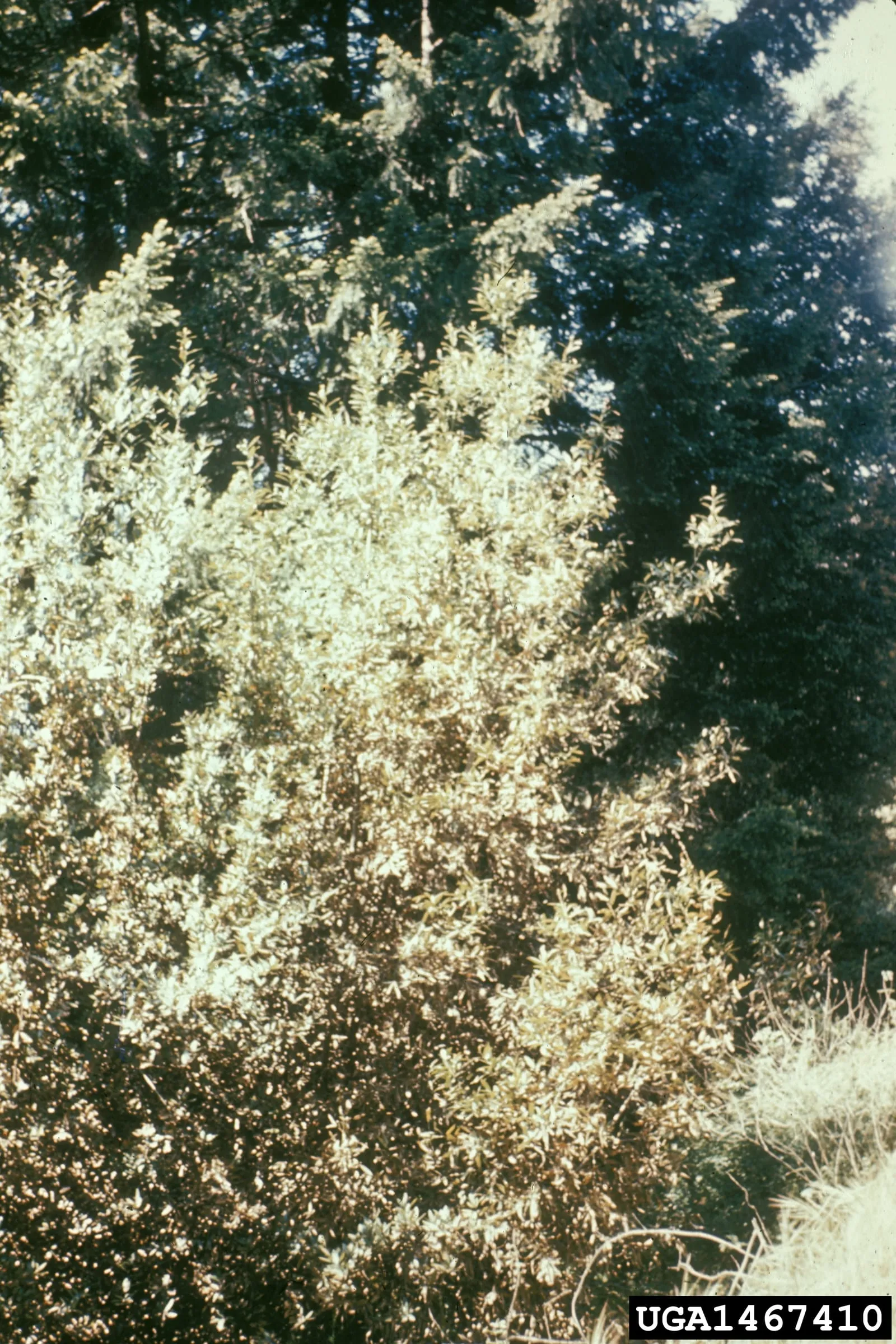
Colletotrichum gloeosporioides
Most damaging mango disease worldwide. Fungal spores infect blossoms and developing fruit during humid weather, producing black sunken lesions that expand on ripening fruit.
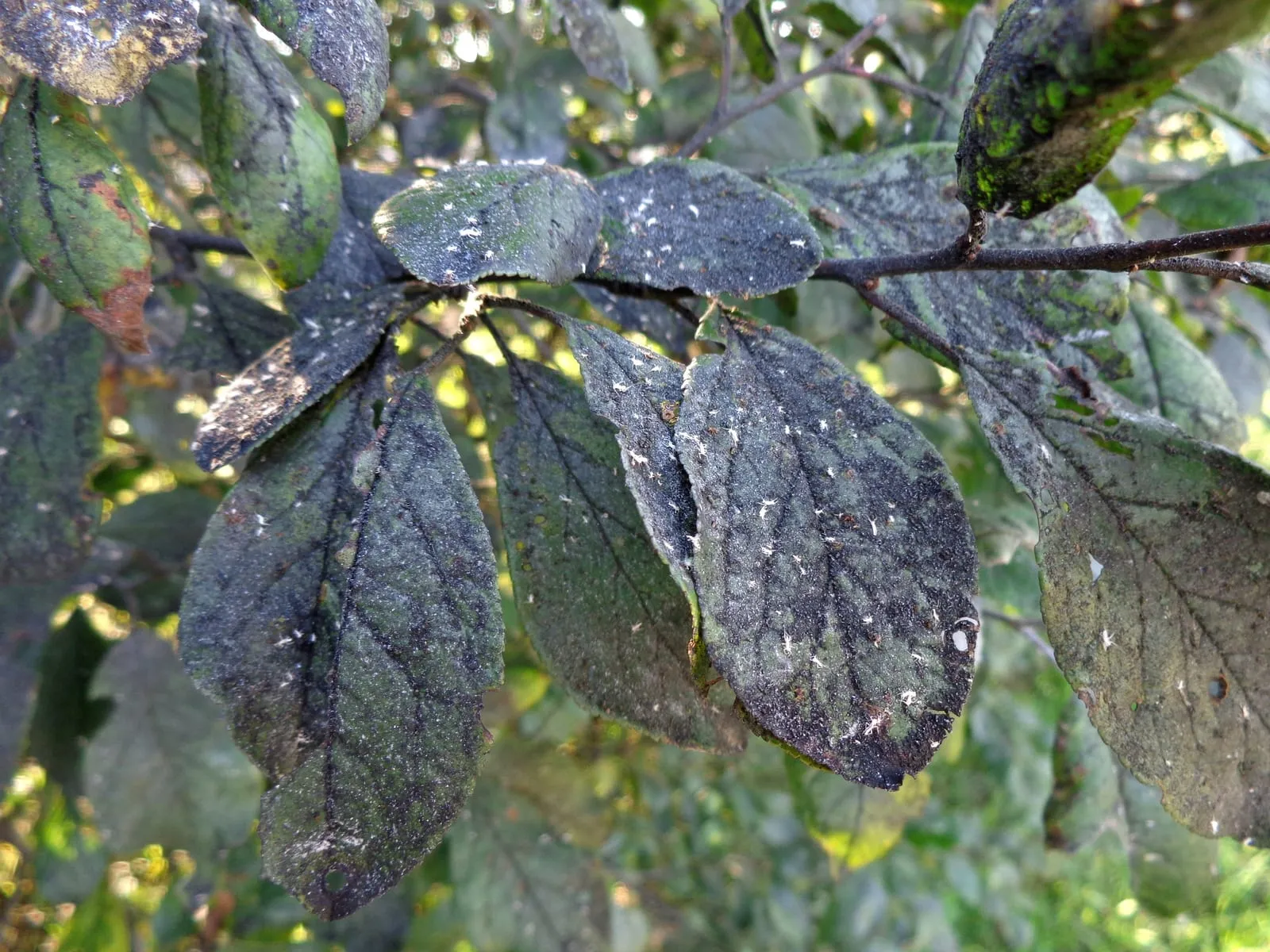
Capnodium spp.
Black fungal coating that grows on honeydew secreted by aphids, scale, mealybugs, and whiteflies. Doesn't infect plant tissue directly but blocks photosynthesis and disfigures fruit.
Modified care for zone 10b
The absence of a true dormant period in zone 10b means guava trees grow and fruit nearly continuously, which increases nutrient demand compared to cooler zones. Fertilizing on a four-to-six-week schedule through the active growing season supports consistent production rather than the twice-yearly applications sufficient in zone 9 and below.
Mango Anthracnose pressure is documented in humid tropical environments, and zone 10b's warm, wet conditions favor this pathogen on guava as well. Pruning to maintain an open canopy and ensuring good airflow reduces surface wetness and limits infection entry points. Removing and disposing of affected fruit promptly prevents spore buildup.
In coastal locations, saltwater intrusion can elevate soil sodium and chloride to levels that stress guava roots over time. Raised beds, organic matter amendment, and attention to irrigation water quality are practical responses. Container growing offers more direct control over soil conditions where salinity is a persistent and recurring problem.
Guava in adjacent zones
Image: "Goiabeira", by Daniel Dias, via iNaturalist, licensed under CC-BY Source.
Related