fruit tree in zone 10a
Growing guava in zone 10a
Psidium guajava
- Zone
- 10a 30°F to 35°F
- Growing season
- 340 days
- Chill needed
- 0 to 100 below 45°F
- Suitable varieties
- 3
- Days to harvest
- 120 to 240
The verdict
Zone 10a is a genuine sweet spot for guava, not a marginal one. The crop's chill-hour requirement of 0 to 100 hours aligns almost perfectly with zone 10a winters, where temperatures rarely sustain the cold needed to accumulate meaningful chilling. Guava tolerates brief dips into the low 30s (zone 10a's floor is 30 to 35°F) but performs best when freezes are infrequent and short-lived. At 340 days of growing season, the zone provides more than enough warmth for multiple fruiting cycles annually. The main limitation is not cold but storm exposure: zone 10a overlaps with hurricane-prone coastlines in Florida, Hawaii, and Puerto Rico, which can defoliate or uproot established trees. Variety selection matters here. Ruby Supreme, White Indian, and Strawberry Guava are all adapted to this heat profile and will not require the chilling accumulation that disqualifies temperate fruit crops from the same zone.
Recommended varieties for zone 10a
3 cultivars suited to this zone, with disease-resistance and zone-fit annotations.
| Variety | Notes | Zone fit | Disease resistance |
|---|---|---|---|
| Ruby Supreme fits zone 10a | Pink-fleshed sweet aromatic guava with a perfumed musky note; the dessert standard. Reliable producer of large fruit on a manageable tree. | | none noted |
| White Indian fits zone 10a | White flesh with a milder cleaner sweet flavor and fewer seeds; the choice for fresh eating without the perfumed funk. Old Florida heirloom. | | none noted |
| Strawberry Guava fits zone 10a | Smaller red-skinned fruit with a strawberry-like sweet-tart flavor; technically a different species (Psidium cattleyanum). Cold-hardier and invasive in Hawaii. | | none noted |
Critical timing for zone 10a
In zone 10a, guava does not follow a single annual bloom cycle. With year-round warmth and a 340-day growing season, established trees typically produce two to three flushes of bloom per year, most commonly in spring and again in late summer. The fruit that follows takes roughly 90 to 150 days to ripen depending on variety, meaning harvests can occur in summer and again in winter. The zone's frost window, centered around the 30 to 35°F minimum, is short enough that bloom is rarely interrupted. A hard freeze event below 28°F can damage flower buds and tender shoot tips, but sustained cold of that severity is uncommon in true zone 10a locations. Growers should track local microclimate data rather than relying on zone averages alone.
Common challenges in zone 10a
- ▸ No chilling for traditional temperate fruit
- ▸ Hurricane exposure
- ▸ Heat-tolerant cultivars only
Disease pressure to watch for
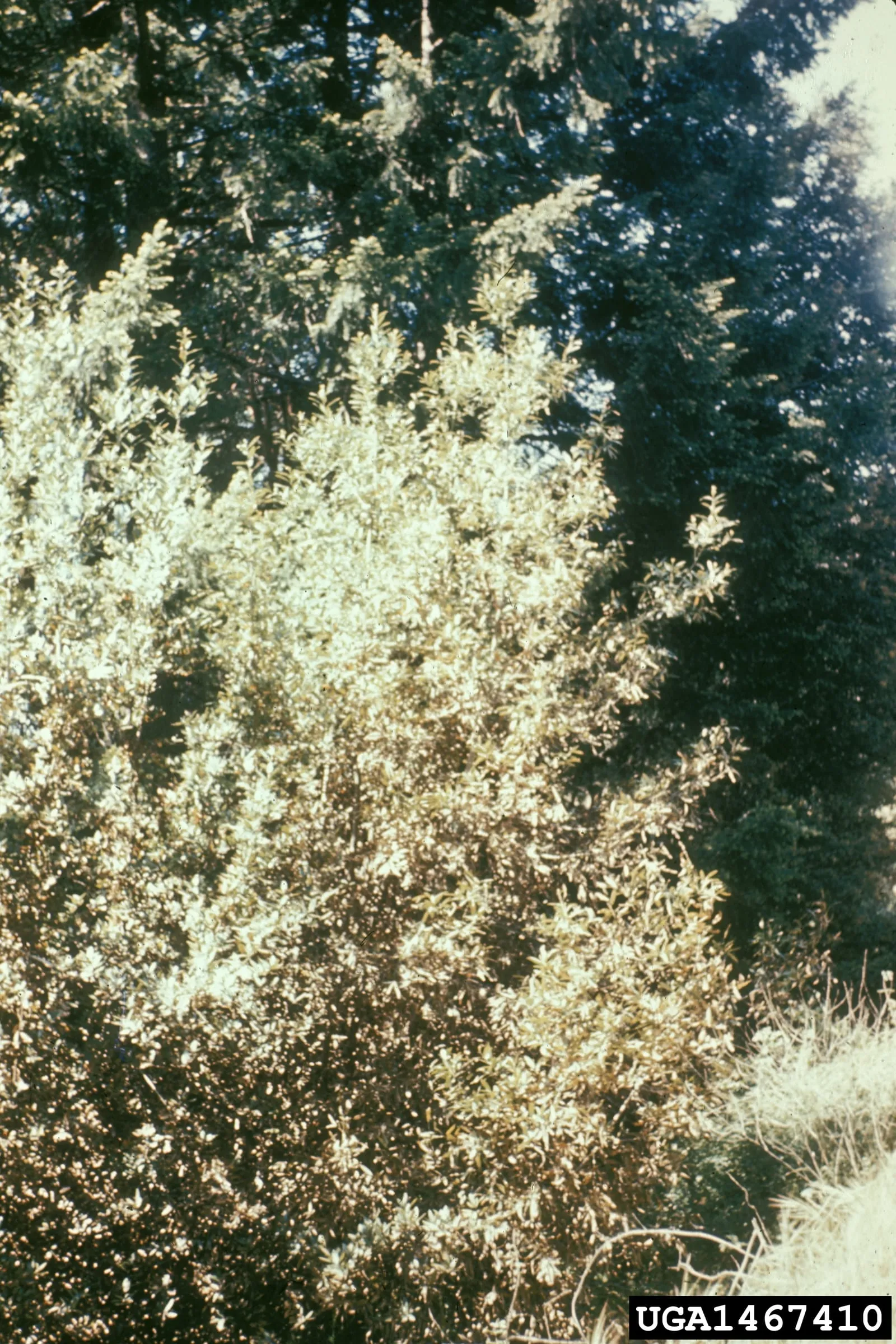
Colletotrichum gloeosporioides
Most damaging mango disease worldwide. Fungal spores infect blossoms and developing fruit during humid weather, producing black sunken lesions that expand on ripening fruit.
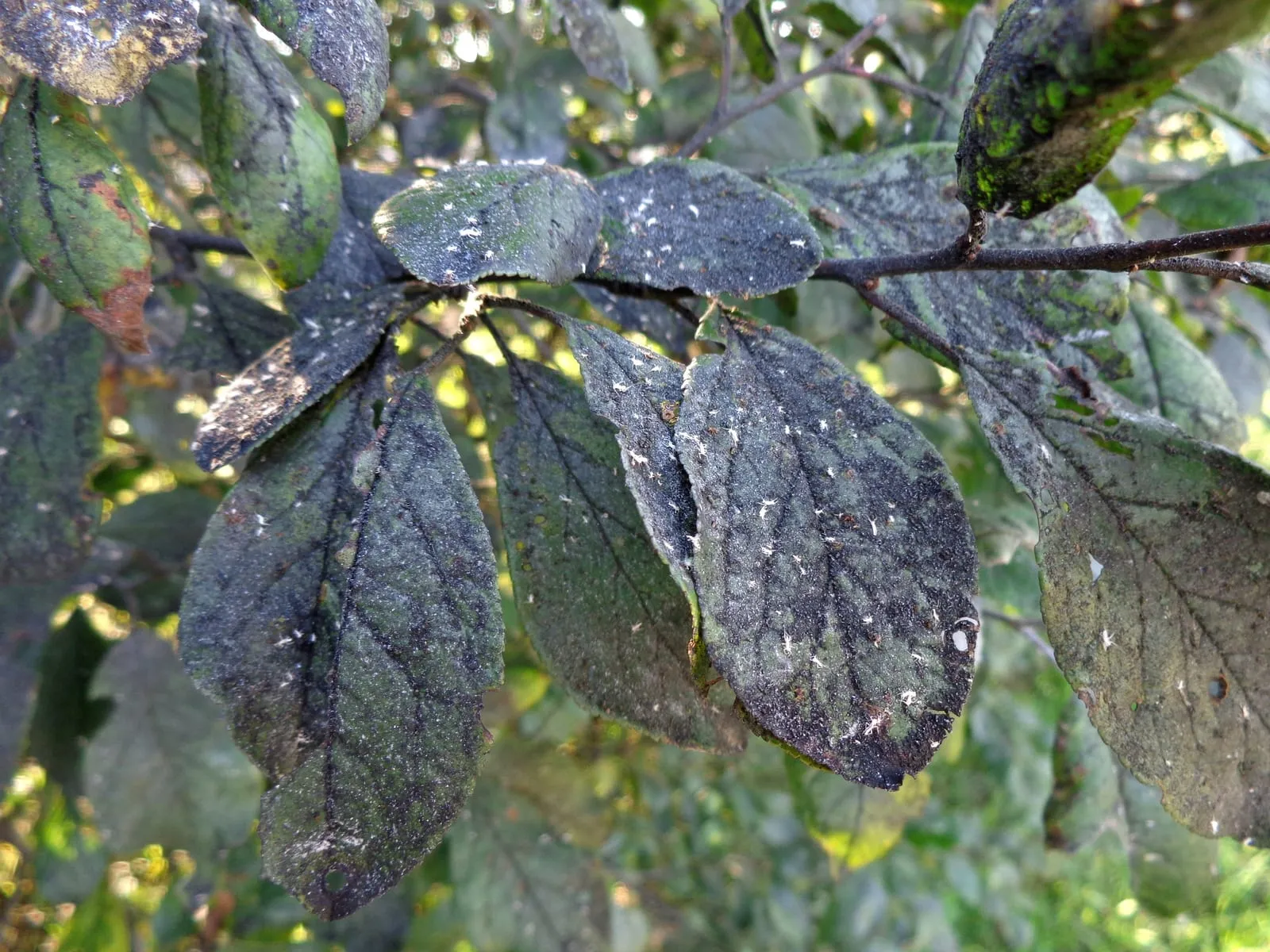
Capnodium spp.
Black fungal coating that grows on honeydew secreted by aphids, scale, mealybugs, and whiteflies. Doesn't infect plant tissue directly but blocks photosynthesis and disfigures fruit.
Modified care for zone 10a
The primary care adjustment in zone 10a is structural: trees need to be anchored and pruned for wind resistance given hurricane exposure across much of the zone. Open-center training that reduces canopy sail area is preferred over tall, single-leader forms. Young trees benefit from staking through their first two years. Frost protection is rarely necessary for established specimens, but container-grown or newly planted trees may need brief cover if temperatures approach the zone's 30°F floor. Disease pressure from anthracnose, a fungal infection that affects fruit surfaces and young shoots in humid conditions, increases significantly during wet tropical summers. Copper-based sprays applied before anticipated wet periods can reduce incidence. Avoid overhead irrigation during bloom flushes, as persistent leaf wetness accelerates fungal spread. Summer shade is not needed; guava tolerates full tropical sun throughout zone 10a.
Guava in adjacent zones
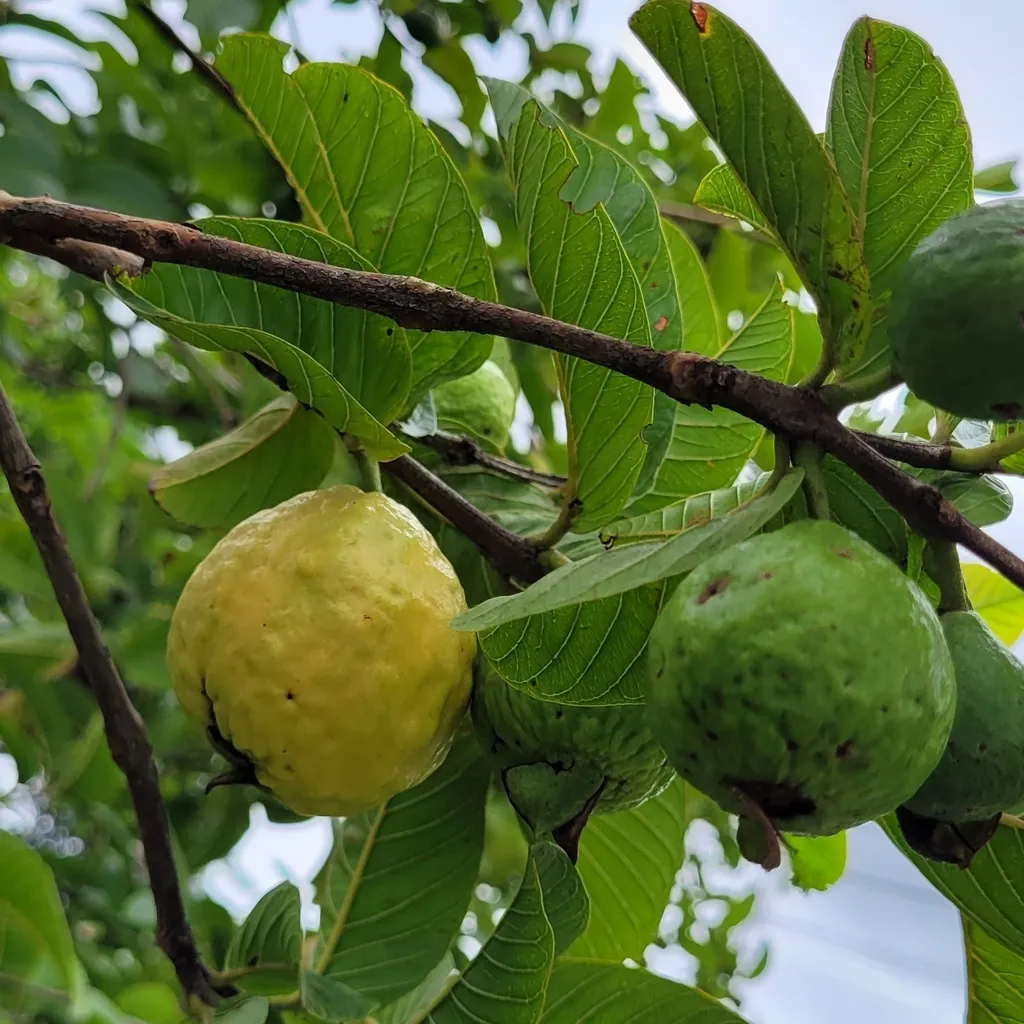
Image: "Goiabeira", by Daniel Dias, via iNaturalist, licensed under CC-BY Source.
Related