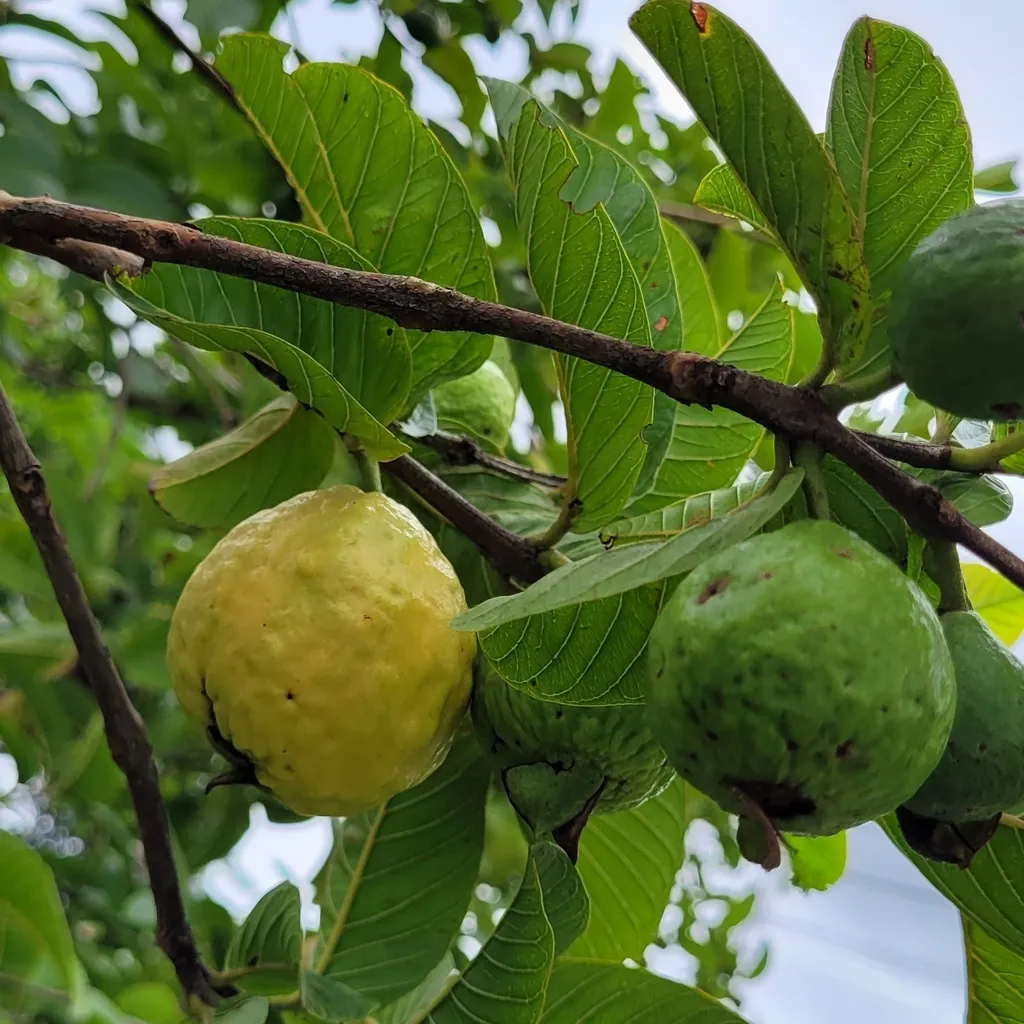
fruit tree in zone 9b
Growing guava in zone 9b
Psidium guajava
- Zone
- 9b 25°F to 30°F
- Growing season
- 310 days
- Chill needed
- 0 to 100 below 45°F
- Suitable varieties
- 3
- Days to harvest
- 120 to 240
The verdict
Zone 9b sits squarely in guava's preferred range. With a minimum temperature band of 25 to 30°F, the zone occasionally dips into territory that can damage exposed wood or foliage, but established trees typically recover. More importantly, guava requires only 0 to 100 chill hours, a threshold zone 9b clears with ease in most winters. This is not a marginal situation requiring careful variety selection to scrape past a chill minimum; guava simply does not need cold to break dormancy and set fruit.
The 310-day growing season gives guava ample time to complete one or two fruiting cycles annually, depending on spring timing and summer heat load. Ruby Supreme, White Indian, and Strawberry Guava all perform reliably here. Strawberry Guava, though technically a different species (Psidium cattleianum), is the most cold-tolerant of the three and the best choice for growers at the cooler end of zone 9b or in low-lying frost pockets.
Recommended varieties for zone 9b
3 cultivars suited to this zone, with disease-resistance and zone-fit annotations.
| Variety | Notes | Zone fit | Disease resistance |
|---|---|---|---|
| Ruby Supreme fits zone 9b | Pink-fleshed sweet aromatic guava with a perfumed musky note; the dessert standard. Reliable producer of large fruit on a manageable tree. | | none noted |
| White Indian fits zone 9b | White flesh with a milder cleaner sweet flavor and fewer seeds; the choice for fresh eating without the perfumed funk. Old Florida heirloom. | | none noted |
| Strawberry Guava fits zone 9b | Smaller red-skinned fruit with a strawberry-like sweet-tart flavor; technically a different species (Psidium cattleyanum). Cold-hardier and invasive in Hawaii. | | none noted |
Critical timing for zone 9b
In zone 9b, guava typically blooms in spring, with the main flush appearing from March through May as soil temperatures climb above 60°F. A second, lighter bloom often follows in late summer. The primary crop from the spring bloom reaches harvest between July and September, roughly 90 to 150 days after fruit set depending on variety and heat accumulation.
Frost risk in zone 9b is generally past by mid-February, which means spring flowers are rarely threatened. The greater concern is late-summer heat slowing fruit development or causing premature drop during extended periods above 95°F. Coastal growers on the cooler side of zone 9b may see harvest stretch into October for the late-season crop.
Common challenges in zone 9b
- ▸ Heat stress in summer
- ▸ Insufficient chill for most apples
- ▸ Salt spray near coasts
Disease pressure to watch for
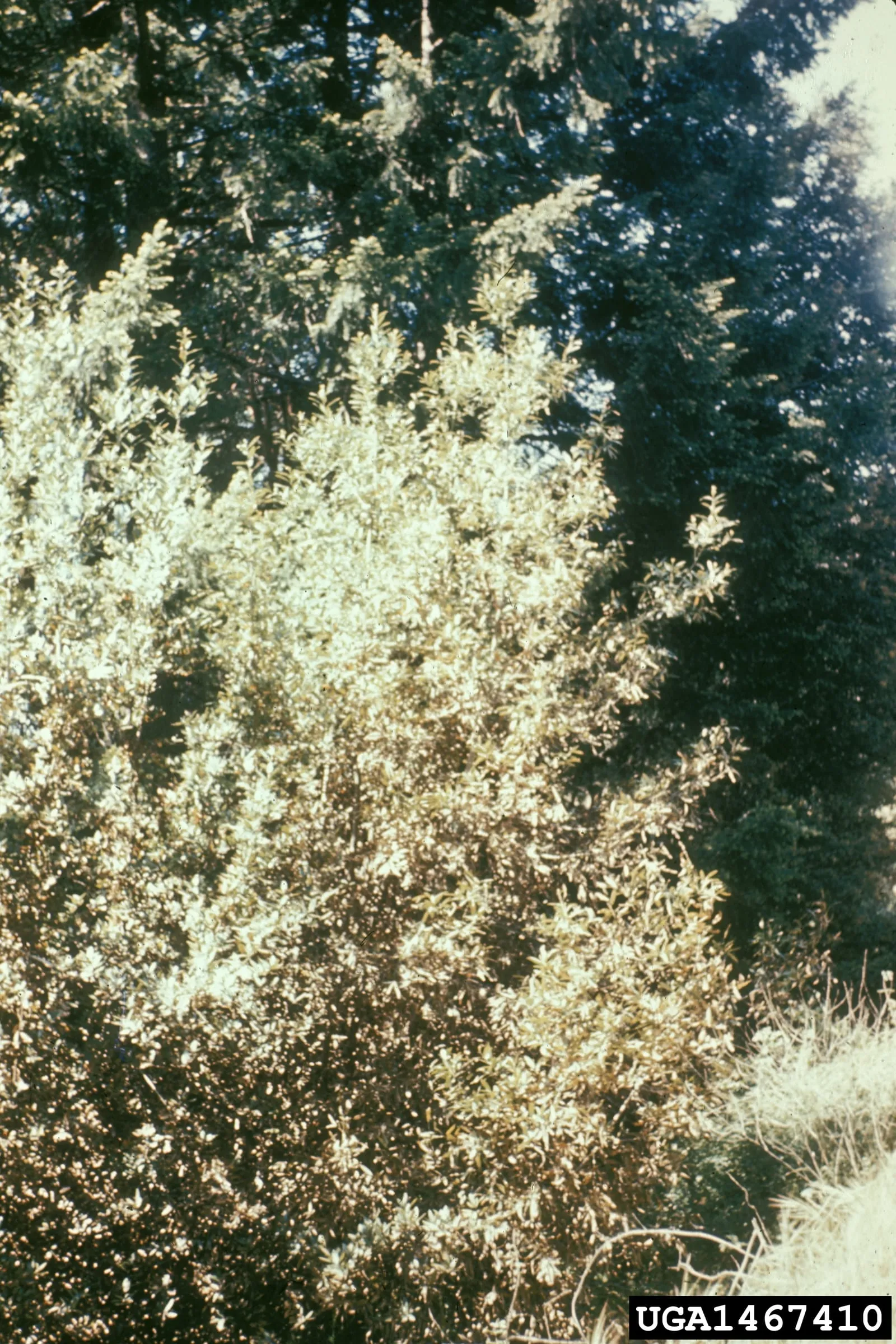
Colletotrichum gloeosporioides
Most damaging mango disease worldwide. Fungal spores infect blossoms and developing fruit during humid weather, producing black sunken lesions that expand on ripening fruit.
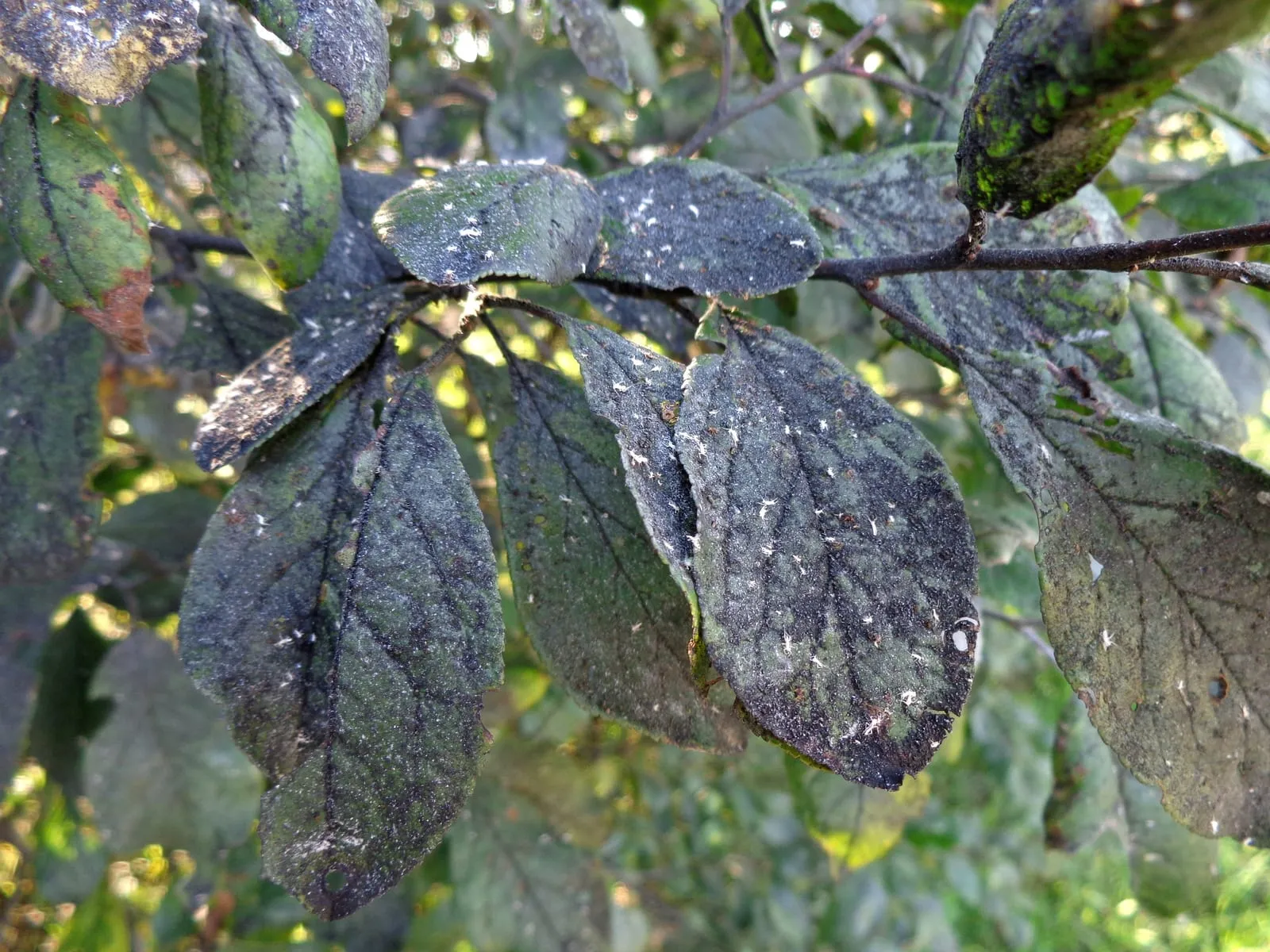
Capnodium spp.
Black fungal coating that grows on honeydew secreted by aphids, scale, mealybugs, and whiteflies. Doesn't infect plant tissue directly but blocks photosynthesis and disfigures fruit.
Modified care for zone 9b
Summer heat management is the primary adjustment in zone 9b. Deep, infrequent irrigation encourages roots to follow moisture downward rather than staying near the surface where soil temperatures spike. A 4- to 6-inch organic mulch layer over the root zone reduces soil temperature and maintains moisture between waterings.
Guava in zone 9b rarely needs winter protection except during unusual cold snaps below 28°F, when young trees benefit from frost cloth or temporary overhead cover. Established trees with a dense canopy can usually tolerate brief dips without intervention.
For coastal growers dealing with salt spray, rinse foliage after salt-laden wind events and avoid planting in direct sea-wind corridors. Mango Anthracnose, though named for a different host, can affect guava fruit surfaces in humid conditions; improving airflow through selective pruning and avoiding overhead irrigation reduces infection pressure during the rainy season.
Frequently asked questions
- Can guava survive a hard frost in zone 9b?
Guava tolerates brief dips to around 26 to 28°F without serious damage to established wood, but extended freezes or temperatures below 25°F can kill stems back to the graft union or soil line. In zone 9b, hard freezes are uncommon and typically short-lived, so most seasons pass without significant cold injury.
- How many times a year does guava fruit in zone 9b?
Guava in zone 9b commonly produces two crops annually: a main harvest from the spring bloom, typically ripening July through September, and a lighter second crop from a late-summer bloom. Total production depends on irrigation consistency and heat load during fruit development.
- Which guava variety is best for the cooler parts of zone 9b?
Strawberry Guava (Psidium cattleianum) is the most cold-tolerant option and suits growers near the 25°F edge of the zone or in frost-prone low spots. Ruby Supreme and White Indian are better choices where winters stay mild, as they produce larger, higher-quality fruit.
+−
+−
+−
Guava in adjacent zones
Image: "Goiabeira", by Daniel Dias, via iNaturalist, licensed under CC-BY Source.
Related