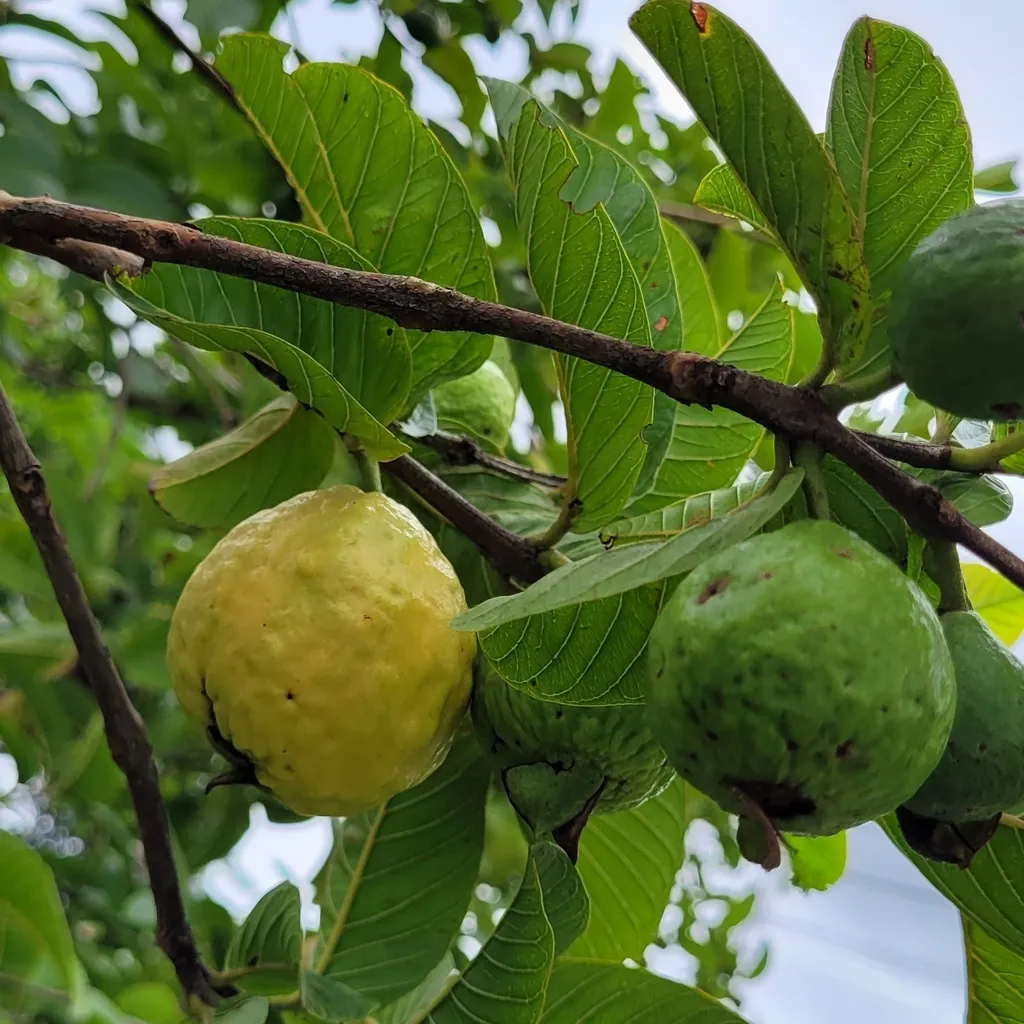
fruit tree in zone 12a
Growing guava in zone 12a
Psidium guajava
- Zone
- 12a 50°F to 55°F
- Growing season
- 365 days
- Chill needed
- 0 to 100 below 45°F
- Suitable varieties
- 3
- Days to harvest
- 120 to 240
The verdict
Zone 12a is a strong match for guava, not a marginal one. The crop's chill-hour requirement of 0 to 100 hours is met without effort in a zone where minimum temperatures stay between 50 and 55°F year-round and hard frost is essentially unknown. Guava originates from tropical and subtropical regions of the Americas and performs best where cold is absent entirely, which describes zone 12a accurately.
Ruby Supreme, White Indian, and Strawberry Guava all adapt well to fully tropical conditions, with no need for variety selection based on cold tolerance. The 365-day growing season allows trees to cycle through multiple bloom and fruit periods without the dormancy interruptions that constrain production in cooler zones.
The concerns in zone 12a are not cold but rather hurricane exposure and sustained tropical disease pressure. Neither disqualifies guava from the zone, but both require consistent management.
Recommended varieties for zone 12a
3 cultivars suited to this zone, with disease-resistance and zone-fit annotations.
| Variety | Notes | Zone fit | Disease resistance |
|---|---|---|---|
| Ruby Supreme fits zone 12a | Pink-fleshed sweet aromatic guava with a perfumed musky note; the dessert standard. Reliable producer of large fruit on a manageable tree. | | none noted |
| White Indian fits zone 12a | White flesh with a milder cleaner sweet flavor and fewer seeds; the choice for fresh eating without the perfumed funk. Old Florida heirloom. | | none noted |
| Strawberry Guava fits zone 12a | Smaller red-skinned fruit with a strawberry-like sweet-tart flavor; technically a different species (Psidium cattleyanum). Cold-hardier and invasive in Hawaii. | | none noted |
Critical timing for zone 12a
In zone 12a, guava is not bound to a single annual bloom period. Trees frequently flower two to three times per year when conditions are favorable, with the main flush typically coinciding with the dry season transition. Fruit development takes approximately 90 to 150 days from flower set depending on variety, which means harvest windows repeat rather than concentrate in one season.
Without frost to threaten bloom, the critical timing factor becomes rainfall and wind. Flowering during peak hurricane season (June through November across much of zone 12a) risks physical damage to blossoms and developing fruit. Tracking bloom cycles and providing wind protection during named storms allows growers to capture multiple harvests in a single calendar year.
Common challenges in zone 12a
- ▸ No temperate species
- ▸ Tropical pest and disease pressure
- ▸ Hurricane exposure
Disease pressure to watch for
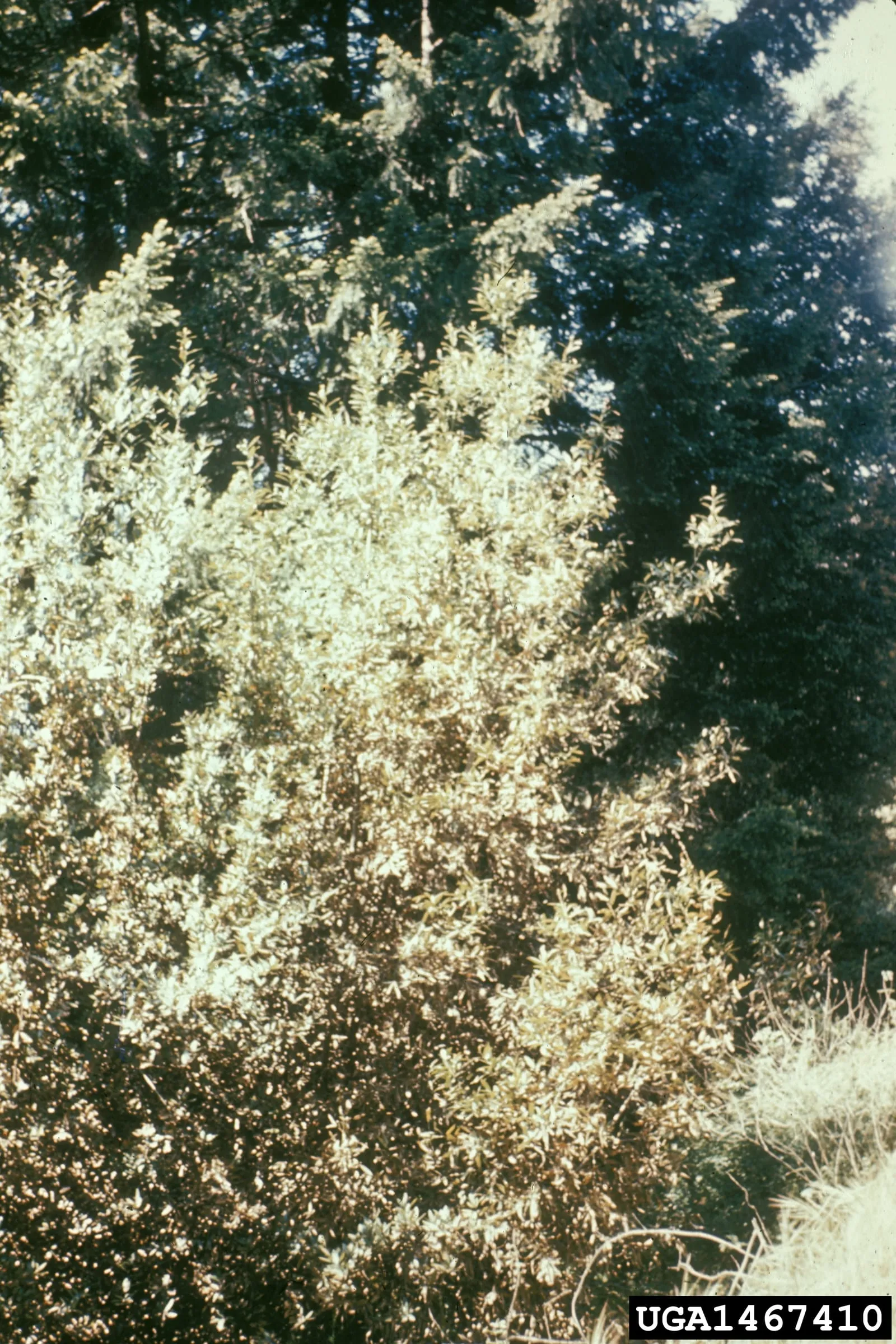
Colletotrichum gloeosporioides
Most damaging mango disease worldwide. Fungal spores infect blossoms and developing fruit during humid weather, producing black sunken lesions that expand on ripening fruit.
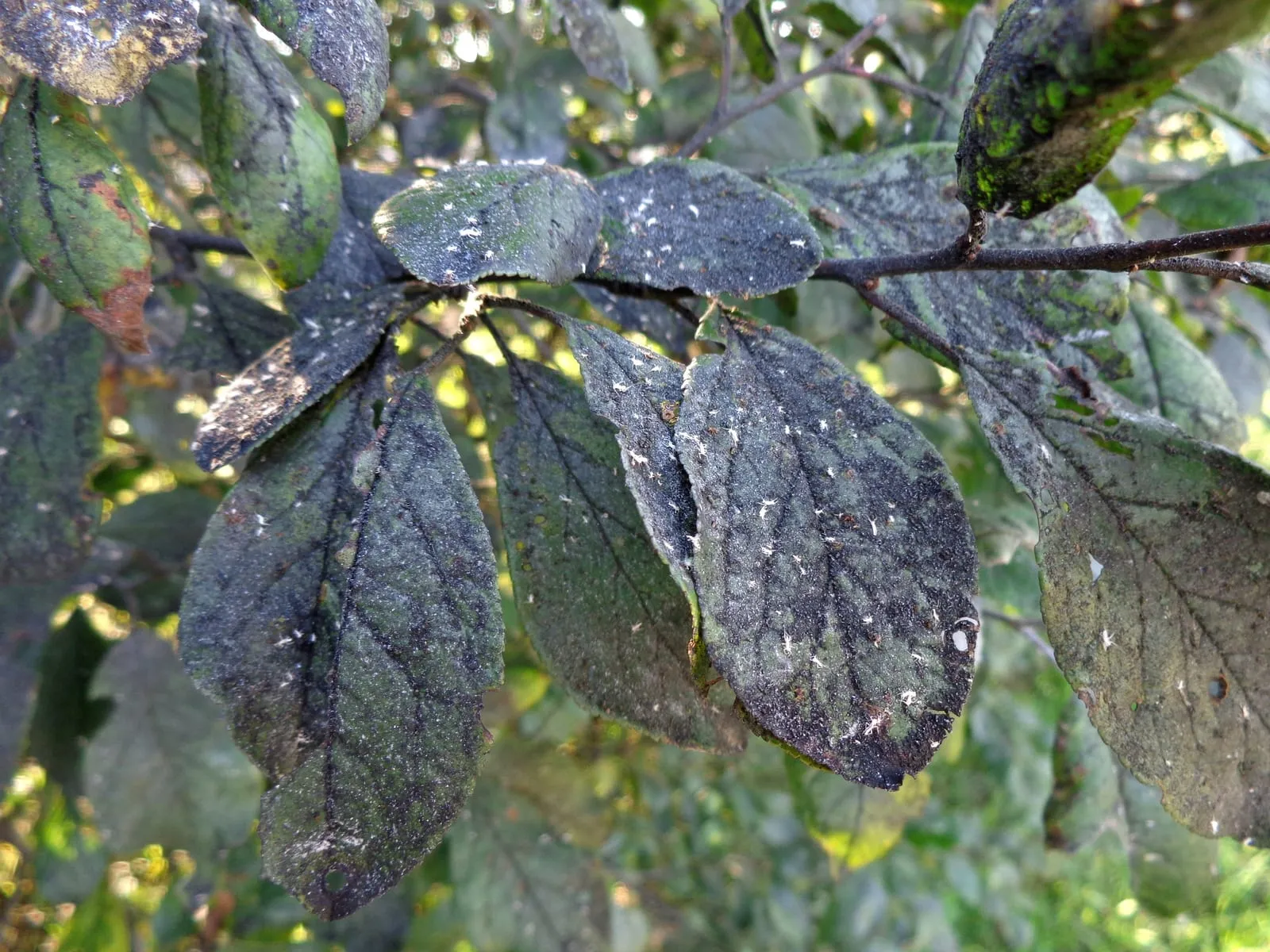
Capnodium spp.
Black fungal coating that grows on honeydew secreted by aphids, scale, mealybugs, and whiteflies. Doesn't infect plant tissue directly but blocks photosynthesis and disfigures fruit.
Modified care for zone 12a
Hurricane exposure is the defining management challenge in zone 12a. Guava trees are structurally flexible but can defoliate or lose major limbs in storm winds. Low-canopy training, selective thinning before storm season, and strategic windbreaks reduce the risk significantly.
Tropical disease pressure, including anthracnose, intensifies in the consistently warm and humid conditions of zone 12a. Fruit and foliage are both susceptible during wet periods; copper-based fungicide applications at bloom and following heavy rain events can reduce losses. Improving canopy airflow through annual pruning matters more here than in drier parts of the crop's range.
Strawberry Guava, while productive in zone 12a, is classified as invasive in Hawaii and parts of Florida. Confirm local regulations before planting, and avoid composting fruit in areas where seedlings might establish beyond the property.
Guava in adjacent zones
Image: "Goiabeira", by Daniel Dias, via iNaturalist, licensed under CC-BY Source.
Related