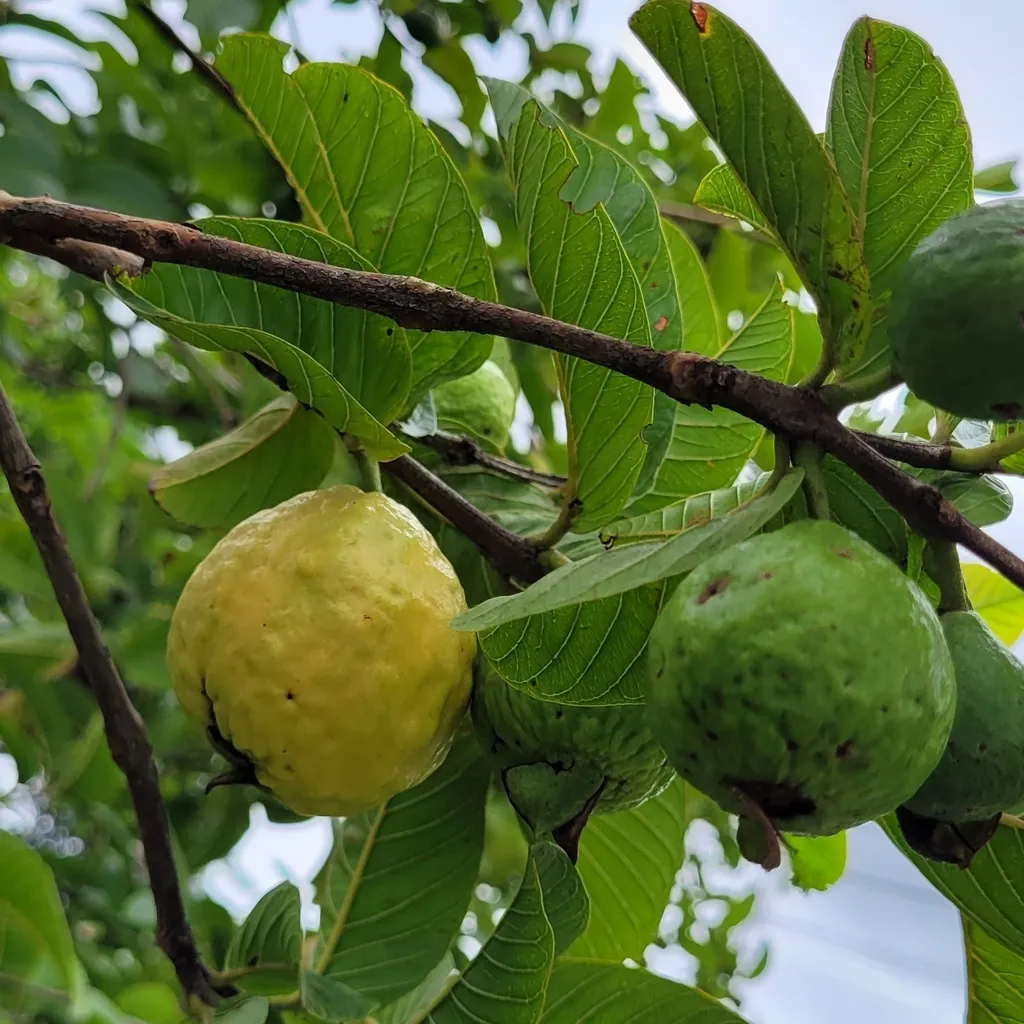
fruit tree in zone 12b
Growing guava in zone 12b
Psidium guajava
- Zone
- 12b 55°F to 60°F
- Growing season
- 365 days
- Chill needed
- 0 to 100 below 45°F
- Suitable varieties
- 3
- Days to harvest
- 120 to 240
The verdict
Zone 12b is a genuine sweet spot for guava, not a marginal case. The crop's chill-hour requirement sits between 0 and 100 hours, and zone 12b rarely if ever accumulates meaningful chilling. That alignment is essentially perfect: guava evolved in tropical lowlands and does not need winter dormancy to set fruit reliably. The 365-day growing season and minimum temperatures that stay between 55 and 60°F keep the tree in continuous active growth, which guava handles well. Ruby Supreme, White Indian, and Strawberry Guava are all proven performers in this thermal range. The caution in zone 12b is not cold tolerance but the opposite: uninterrupted warm, humid conditions favor pest and fungal cycles that temperate climates interrupt naturally. Growers should expect year-round pest management rather than a seasonal reprieve. Variety selection within that short list matters more than it would in a zone with harsher natural controls.
Recommended varieties for zone 12b
3 cultivars suited to this zone, with disease-resistance and zone-fit annotations.
| Variety | Notes | Zone fit | Disease resistance |
|---|---|---|---|
| Ruby Supreme fits zone 12b | Pink-fleshed sweet aromatic guava with a perfumed musky note; the dessert standard. Reliable producer of large fruit on a manageable tree. | | none noted |
| White Indian fits zone 12b | White flesh with a milder cleaner sweet flavor and fewer seeds; the choice for fresh eating without the perfumed funk. Old Florida heirloom. | | none noted |
| Strawberry Guava fits zone 12b | Smaller red-skinned fruit with a strawberry-like sweet-tart flavor; technically a different species (Psidium cattleyanum). Cold-hardier and invasive in Hawaii. | | none noted |
Critical timing for zone 12b
Without frost, guava in zone 12b can cycle through multiple bloom and harvest periods in a single calendar year. Under natural conditions, flowering tends to peak following brief dry spells, which act as a mild stress trigger. In zone 12b, growers often manipulate irrigation to induce a controlled dry period and synchronize bloom, making harvest more predictable than on a purely free-running schedule. From bloom to ripe fruit typically runs 90 to 150 days depending on variety, so a dry-period-induced flush in late winter can yield fruit by mid-spring. A second flush triggered in late summer is common. There is no frost window to work around, which simplifies timing considerably compared to subtropics where late cold snaps threaten open flowers.
Common challenges in zone 12b
- ▸ No chilling for temperate fruit
- ▸ Pest pressure year-round
- ▸ Specialized cultivar selection
Disease pressure to watch for
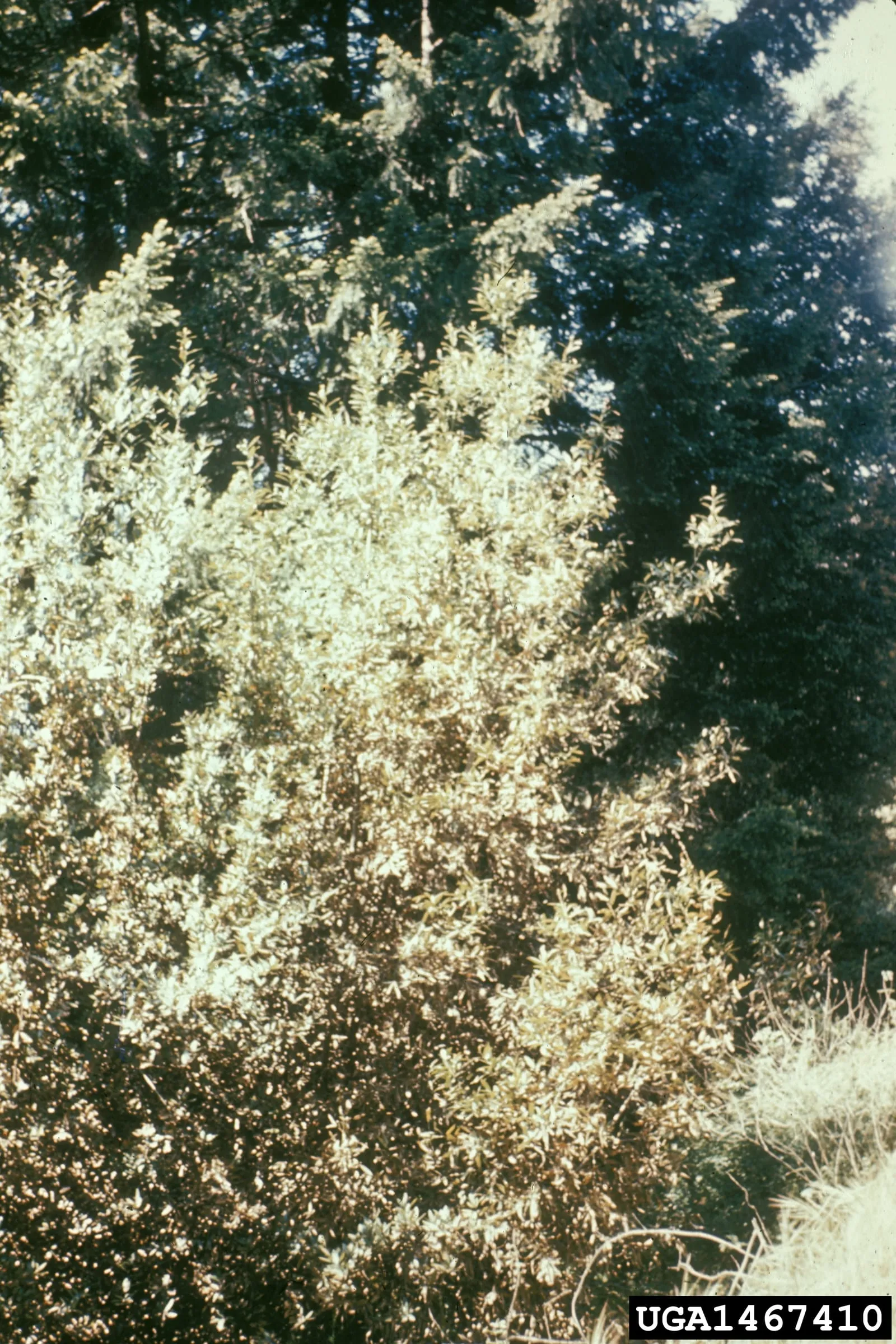
Colletotrichum gloeosporioides
Most damaging mango disease worldwide. Fungal spores infect blossoms and developing fruit during humid weather, producing black sunken lesions that expand on ripening fruit.
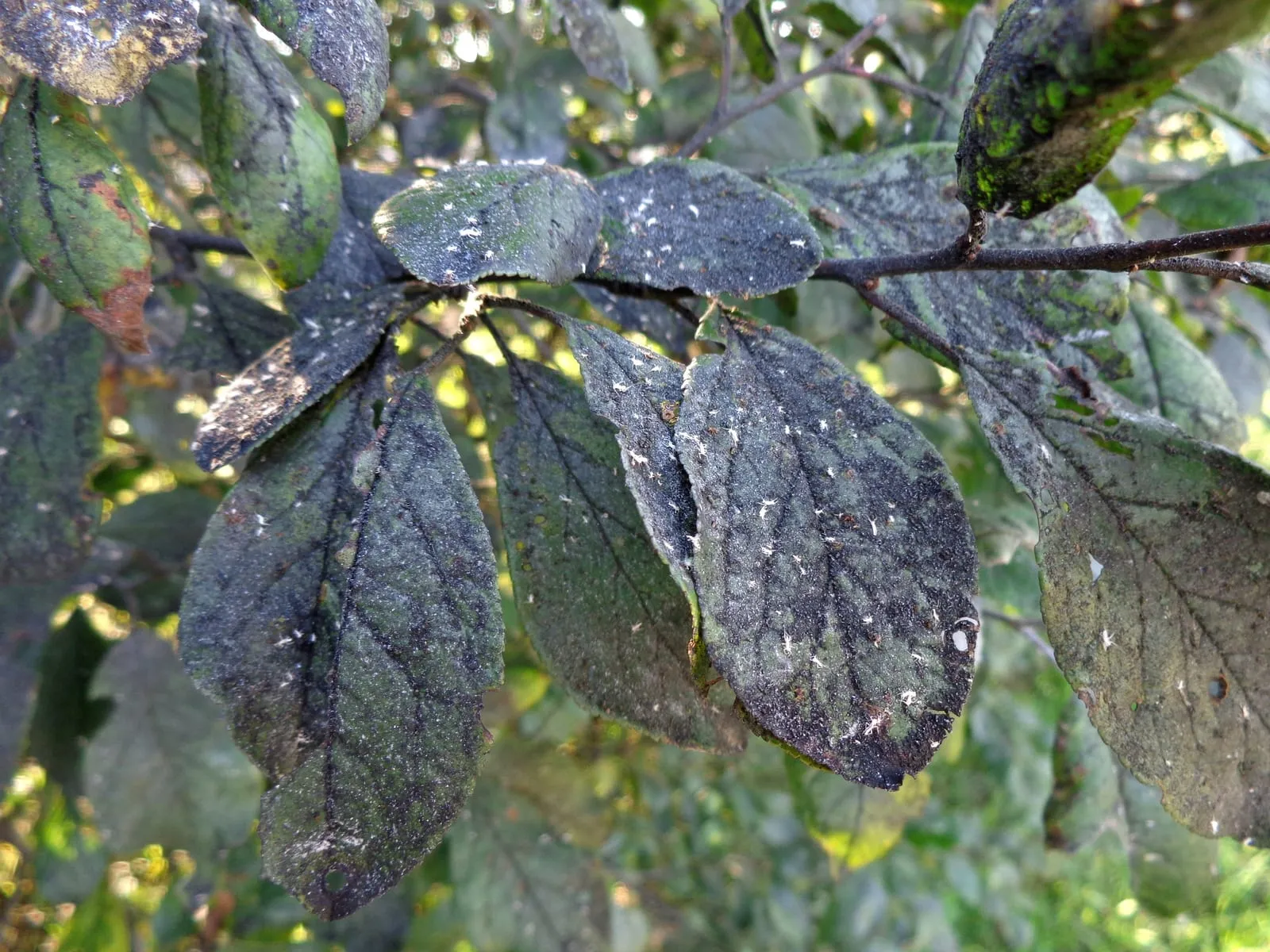
Capnodium spp.
Black fungal coating that grows on honeydew secreted by aphids, scale, mealybugs, and whiteflies. Doesn't infect plant tissue directly but blocks photosynthesis and disfigures fruit.
Modified care for zone 12b
The primary management shift in zone 12b is moving from seasonal to continuous pest and disease monitoring. Mango Anthracnose, which affects guava in addition to mango, can establish and persist without the interruption that cooler zones provide. Scout fruit and new growth regularly and apply copper-based fungicide programs ahead of rainy periods rather than reactively. Pest pressure from fruit flies, scale, and mealybug operates year-round, so beneficial insect habitat and targeted interventions replace the spray-and-rest cycles possible elsewhere. Irrigation management doubles as a cultural control: timed dry periods synchronize fruiting and reduce fungal incidence. Fertilization should be split into smaller, more frequent applications rather than heavy seasonal feeds, since the tree never fully rests and nutrient demand stays relatively constant through the year.
Frequently asked questions
- Can guava produce fruit year-round in zone 12b?
With managed irrigation cycles to trigger bloom, two or even three fruiting flushes per year are achievable in zone 12b. Continuous heat and no frost allow the tree to remain active without dormancy, but synchronizing irrigation dry spells produces more predictable harvests than relying on unmanaged fruiting.
- Which guava varieties perform best in zone 12b?
Ruby Supreme, White Indian, and Strawberry Guava are all well-adapted to zone 12b's thermal range. Ruby Supreme is widely grown for its large, pink-fleshed fruit. White Indian is a reliable producer with mild, sweet flavor. Strawberry Guava is more compact and tolerant of varied soils, though it can become invasive in some tropical regions.
- Does guava need any cold protection in zone 12b?
No. Zone 12b minimum temperatures of 55 to 60°F stay well above the damage threshold for guava, which begins to show injury below approximately 27 to 28°F. Cold protection is not a concern in this zone; the management focus shifts entirely to pest and disease pressure.
+−
+−
+−
Guava in adjacent zones
Image: "Goiabeira", by Daniel Dias, via iNaturalist, licensed under CC-BY Source.
Related