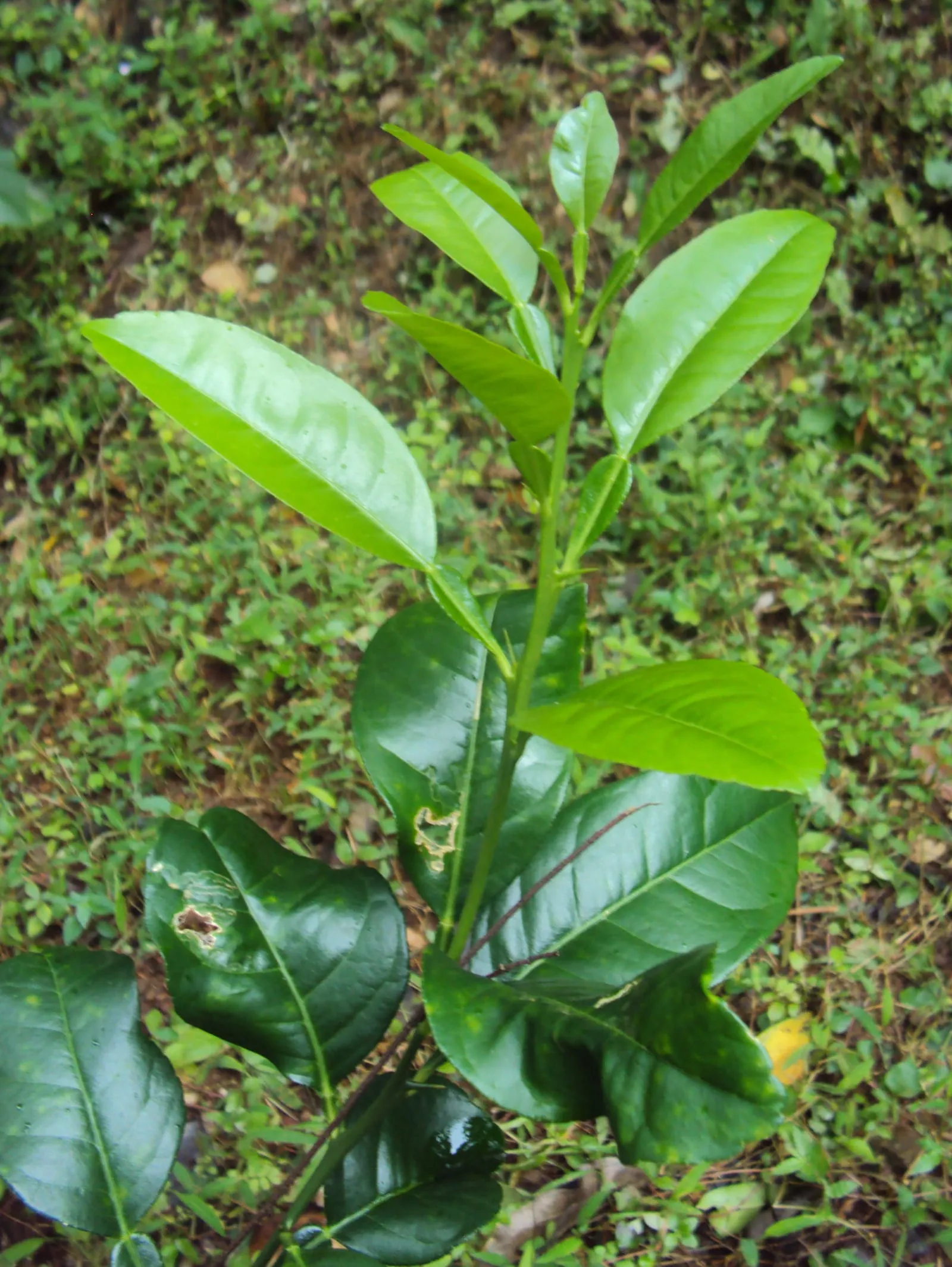
fruit tree in zone 11b
Growing lime in zone 11b
Citrus aurantiifolia
- Zone
- 11b 45°F to 50°F
- Growing season
- 365 days
- Chill needed
- 0 to 50 below 45°F
- Suitable varieties
- 3
- Days to harvest
- 120 to 240
The verdict
Zone 11b is a genuine sweet spot for lime, not a marginal case. With minimum winter temperatures staying between 45 and 50°F and a 365-day growing season, the zone eliminates the primary limiting factors for this crop: frost damage and insufficient warmth. Limes require only 0 to 50 chill hours annually, a threshold zone 11b meets without difficulty and without excess. The three most commonly grown varieties in this zone, Persian (Bearss), Key, and Kaffir (Makrut), are all adapted to tropical and near-tropical conditions and perform reliably at these temperatures. Persian limes, the standard commercial type, are the most forgiving of the three and show good tolerance for the humidity levels typical of zone 11b. Key limes, smaller and more aromatic, are similarly well-matched. The main limitation in zone 11b is not cold but persistent pest and disease pressure, particularly citrus greening (HLB) and citrus canker, both of which thrive in the warm, humid conditions that also favor lime production.
Recommended varieties for zone 11b
3 cultivars suited to this zone, with disease-resistance and zone-fit annotations.
| Variety | Notes | Zone fit | Disease resistance |
|---|---|---|---|
| Persian (Bearss) fits zone 11b | The supermarket lime: seedless, juicy, sharp clean acidity. Larger fruit and more cold-tolerant than Key lime. | | none noted |
| Key fits zone 11b | Aromatic small thin-skinned lime with a perfumed acidic punch; the lime for the pie and the gin and tonic. Frost-sensitive; thrives only in zones 10b and warmer. | | none noted |
| Kaffir (Makrut) fits zone 11b | Grown for the fragrant double leaves more than for fruit; essential in Thai and Cambodian cooking. Bumpy fruit zest is also prized. | | none noted |
Critical timing for zone 11b
Lime trees in zone 11b are not constrained to a single bloom flush. Without a defined dormancy period, Persian and Key limes can produce multiple flowering cycles across the year, with the most vigorous bloom typically occurring in late winter through spring. Harvest for Persian limes generally follows 5 to 6 months after a major bloom flush, placing the primary crop in late summer to fall. Key limes fruit more continuously and can produce harvestable fruit in nearly any month, though volume peaks tend to align with the spring bloom cycle. Frost is not a factor in zone 11b, so there is no intersection between cold events and bloom windows. The practical timing concern here is rain at bloom: heavy precipitation during active flowering can reduce fruit set, though zone 11b's rain patterns vary considerably depending on whether the site is inland or coastal.
Common challenges in zone 11b
- ▸ Year-round pest pressure
- ▸ Salt spray near coasts
- ▸ No winter dormancy for traditional temperate species
Disease pressure to watch for
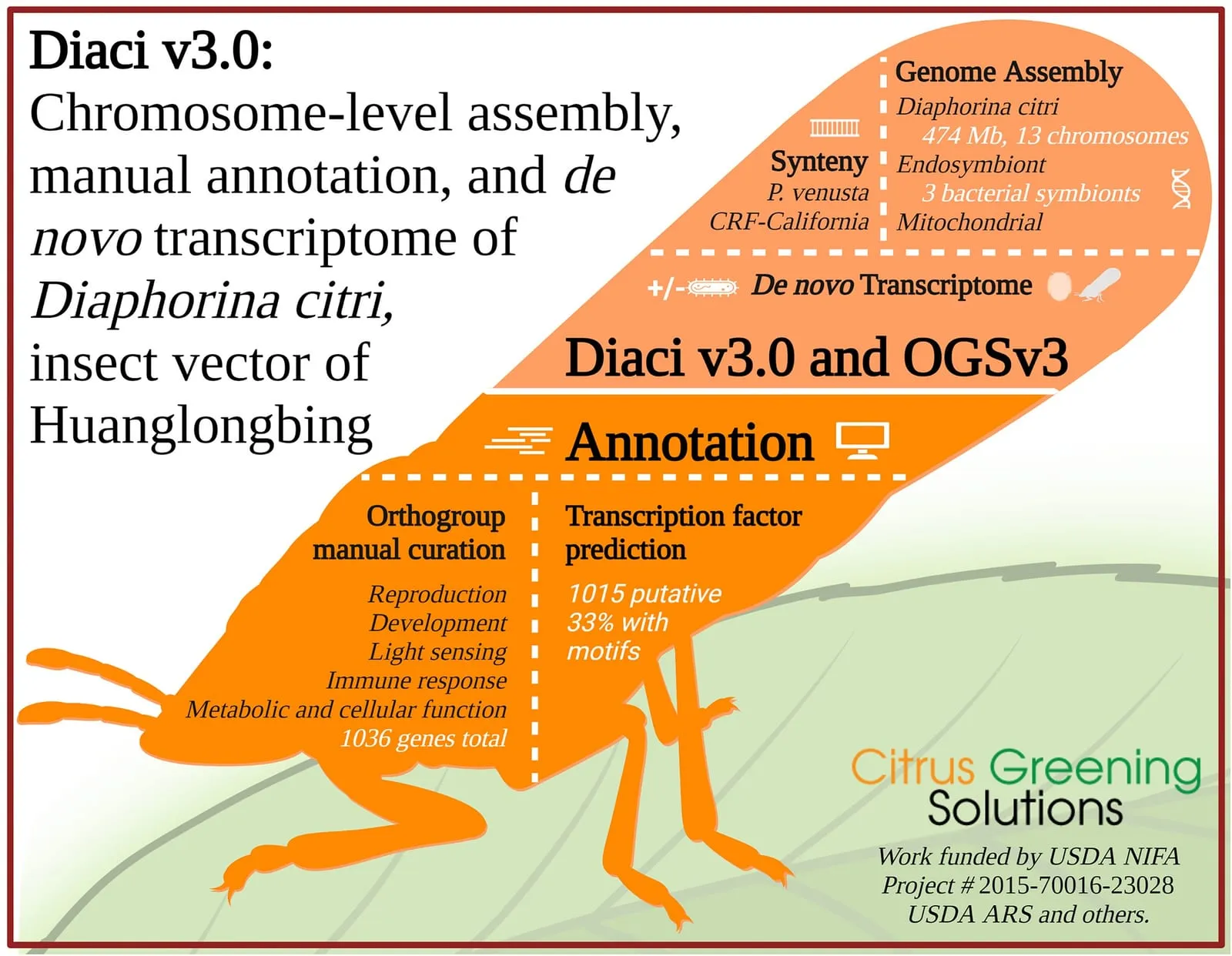
Candidatus Liberibacter asiaticus
Devastating bacterial disease vectored by the Asian citrus psyllid. Once infected, trees decline progressively over several years and there is no cure. Has destroyed commercial citrus across Florida and threatens production worldwide.
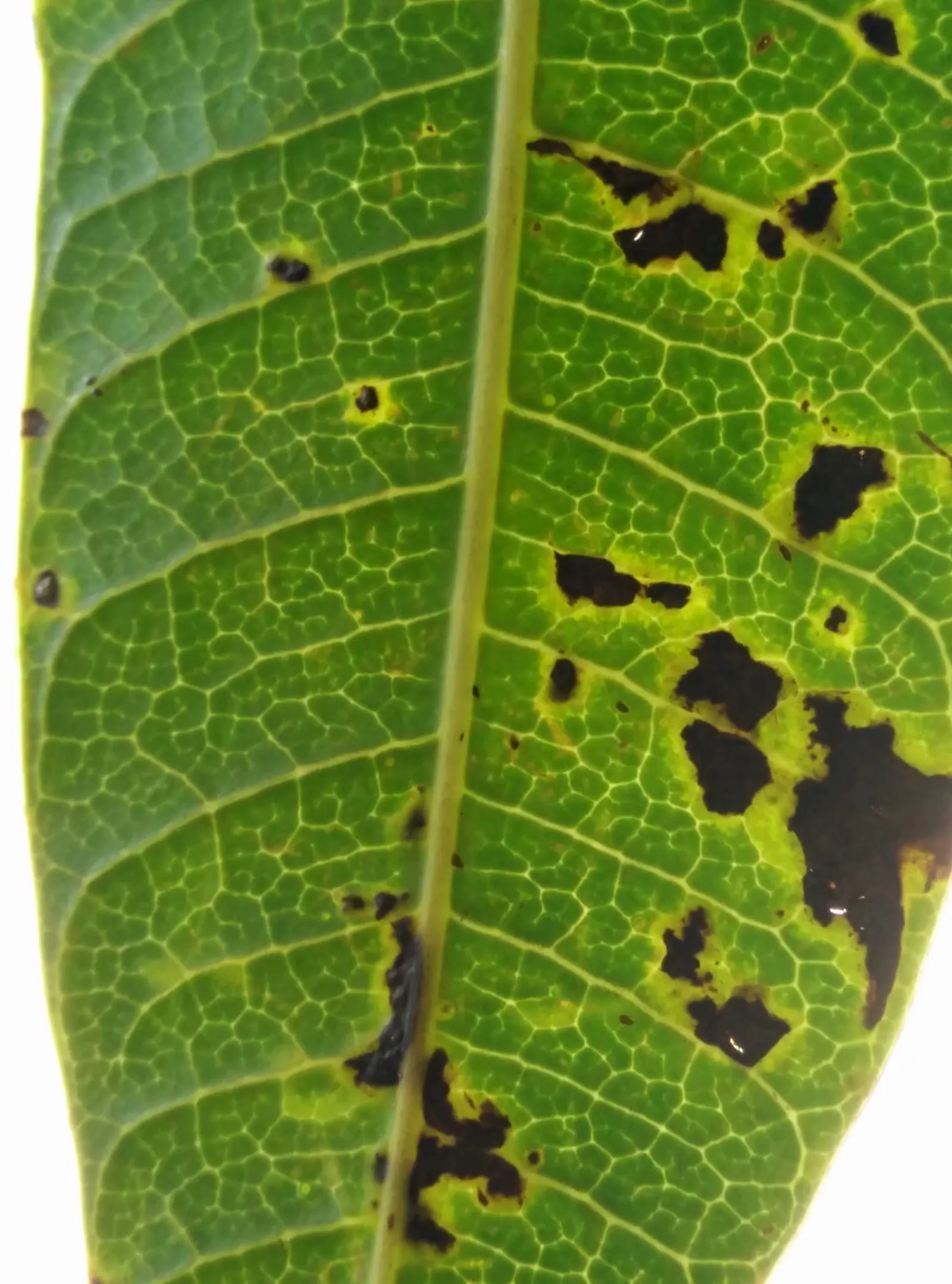
Xanthomonas citri
Bacterial disease producing raised corky lesions on leaves, twigs, and fruit. Spread by wind-driven rain and contaminated tools. Quarantine-regulated in many areas.
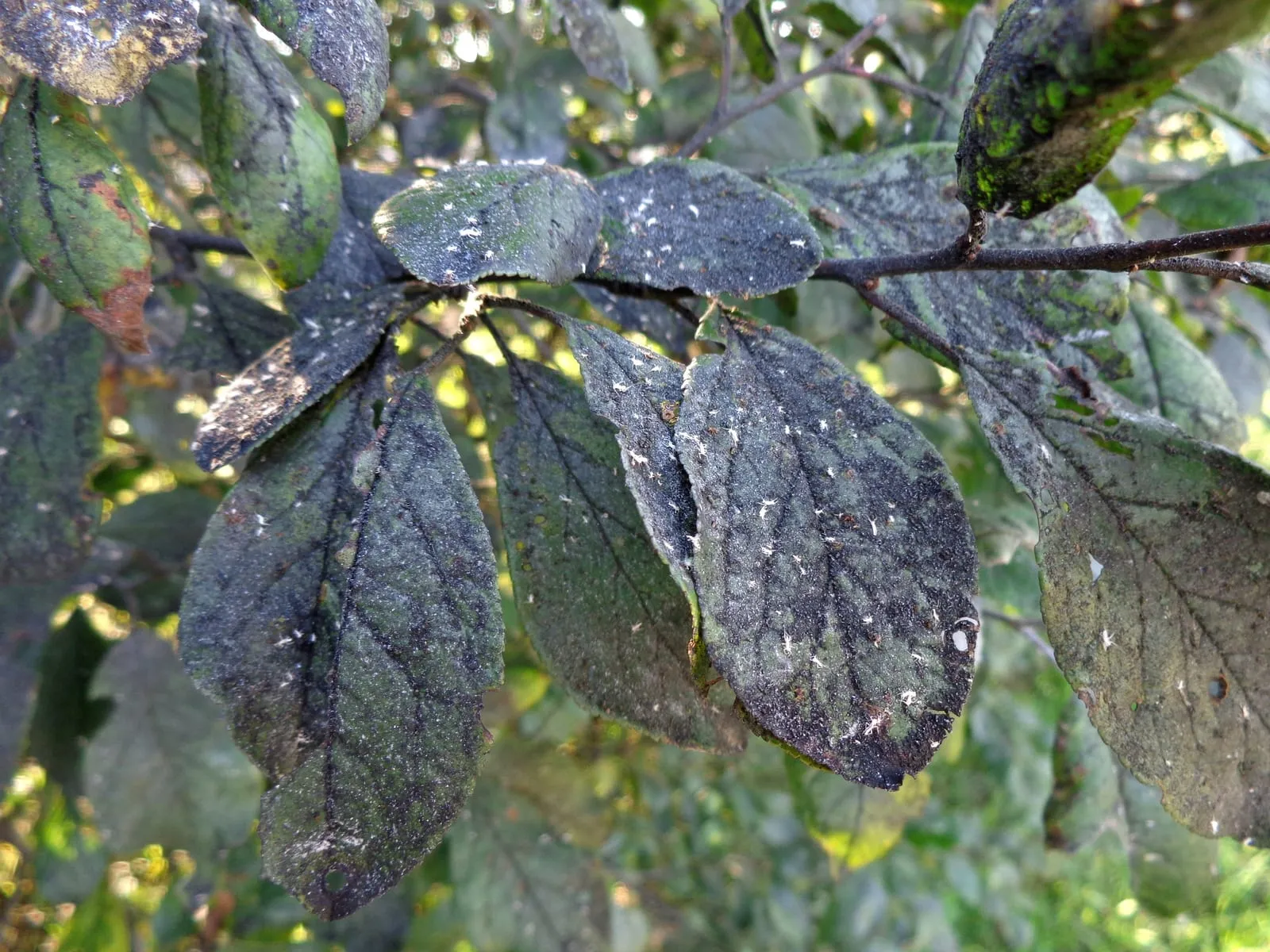
Capnodium spp.
Black fungal coating that grows on honeydew secreted by aphids, scale, mealybugs, and whiteflies. Doesn't infect plant tissue directly but blocks photosynthesis and disfigures fruit.
Modified care for zone 11b
Growers in zone 11b face a different management calculus than those in cooler citrus regions. Winter does not interrupt pest cycles, so aphids, Asian citrus psyllid, scale insects, and whiteflies require monitoring year-round rather than seasonally. Asian citrus psyllid is the primary concern because it vectors citrus greening (HLB), a bacterial disease with no cure that has devastated commercial groves across Florida and parts of Hawaii. Regular scouting and prompt control of psyllid populations is the most consequential management practice in this zone. Sooty mold, a secondary issue, signals active sap-sucking insect pressure and clears once the underlying pest is controlled. Coastal sites face additional salt spray exposure; selecting a windbreak or applying periodic foliar rinses can reduce leaf scorch. Fertilization schedules can spread across more of the year compared to zone 8 or 9 growing, but splitting applications into three or four smaller doses prevents nitrogen flush that attracts insect pressure.
Lime in adjacent zones
Image: "Citrus aurantifolia leaves", by Vinayaraj, via Wikimedia Commons, licensed under CC-BY Source.

Related