fruit tree in zone 11a
Growing lime in zone 11a
Citrus aurantiifolia
- Zone
- 11a 40°F to 45°F
- Growing season
- 365 days
- Chill needed
- 0 to 50 below 45°F
- Suitable varieties
- 3
- Days to harvest
- 120 to 240
The verdict
Zone 11a is a genuine sweet spot for lime production. With minimum winter temperatures between 40 and 45°F and a 365-day growing season, the thermal environment matches what limes require better than almost any zone in the continental range. Persian (Bearss) and Key limes carry a chill-hour requirement near zero, so the near-absence of cool accumulation is not a limitation here; it is a match.
Kaffir (Makrut) lime performs equally well under these conditions, and all three varieties will produce multiple flush cycles annually rather than a single seasonal crop. Growers in zone 11a are not making zone-edge compromises with lime; the crop is genuinely at home. The practical constraints here are disease pressure and irrigation management, not cold tolerance or chill accumulation. Expect vigorous vegetative growth and fruit set across most of the calendar year under normal conditions.
Recommended varieties for zone 11a
3 cultivars suited to this zone, with disease-resistance and zone-fit annotations.
| Variety | Notes | Zone fit | Disease resistance |
|---|---|---|---|
| Persian (Bearss) fits zone 11a | The supermarket lime: seedless, juicy, sharp clean acidity. Larger fruit and more cold-tolerant than Key lime. | | none noted |
| Key fits zone 11a | Aromatic small thin-skinned lime with a perfumed acidic punch; the lime for the pie and the gin and tonic. Frost-sensitive; thrives only in zones 10b and warmer. | | none noted |
| Kaffir (Makrut) fits zone 11a | Grown for the fragrant double leaves more than for fruit; essential in Thai and Cambodian cooking. Bumpy fruit zest is also prized. | | none noted |
Critical timing for zone 11a
In zone 11a, lime trees are not bound to a single annual bloom window. Persian and Key limes typically carry multiple overlapping flush cycles, with major bloom periods often concentrated in late winter and early spring when temperatures are mildest, followed by secondary flushes triggered by summer rainfall or irrigation. Frost timing is not a meaningful planning variable at this zone; minimum temperatures of 40 to 45°F present negligible bloom risk.
Harvest windows spread across the year as a result of staggered flowering. Persian limes commonly reach marketable size 5 to 6 months after bloom. Key limes mature faster, often within 3 to 4 months. Growers managing a mixed planting can generally harvest something in every season, with peak volume typically arriving in the cooler months following a strong spring flush.
Common challenges in zone 11a
- ▸ No temperate fruit potential
- ▸ Year-round pest pressure
- ▸ Specialized crop selection
Disease pressure to watch for
Candidatus Liberibacter asiaticus
Devastating bacterial disease vectored by the Asian citrus psyllid. Once infected, trees decline progressively over several years and there is no cure. Has destroyed commercial citrus across Florida and threatens production worldwide.
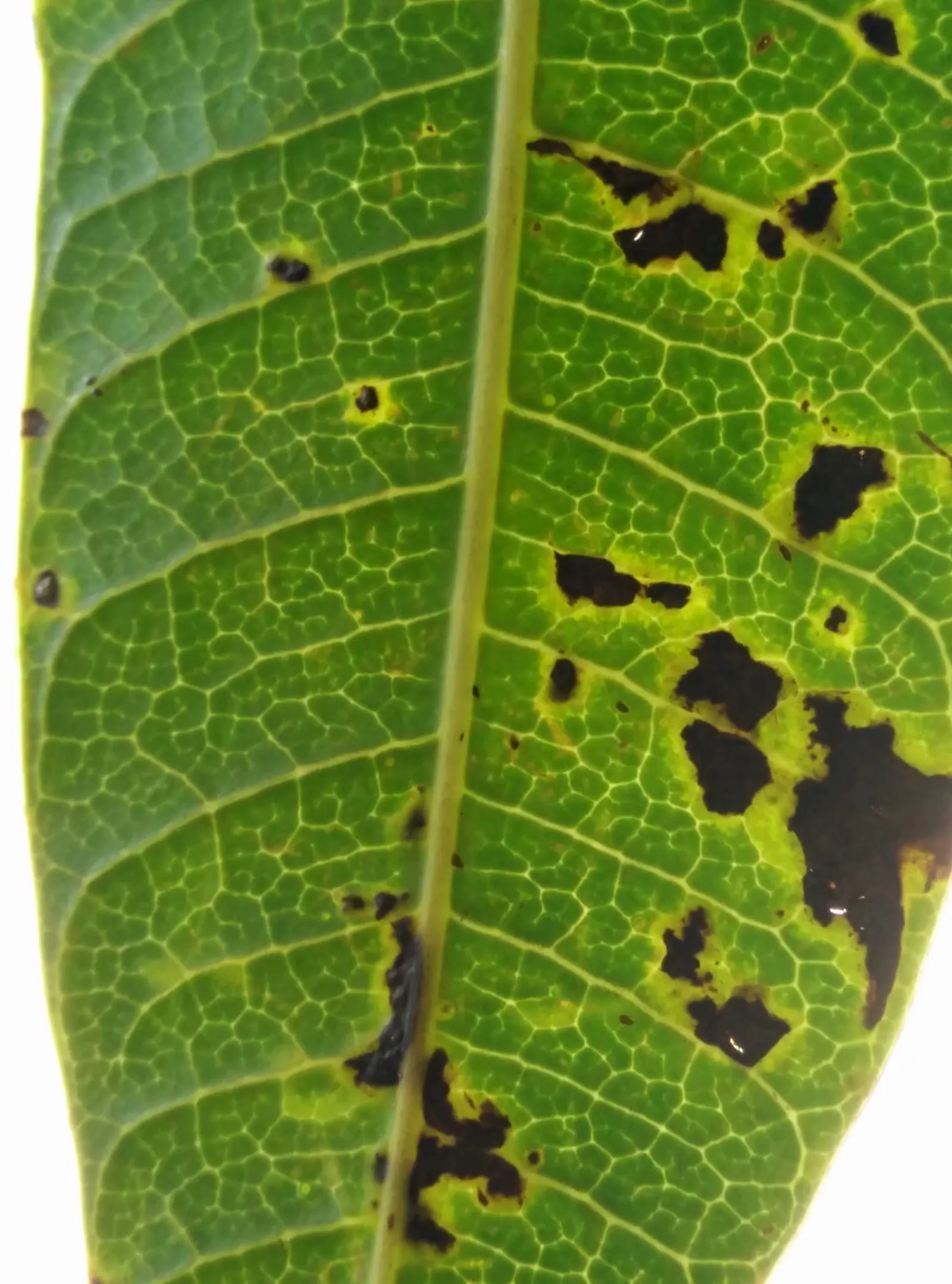
Xanthomonas citri
Bacterial disease producing raised corky lesions on leaves, twigs, and fruit. Spread by wind-driven rain and contaminated tools. Quarantine-regulated in many areas.
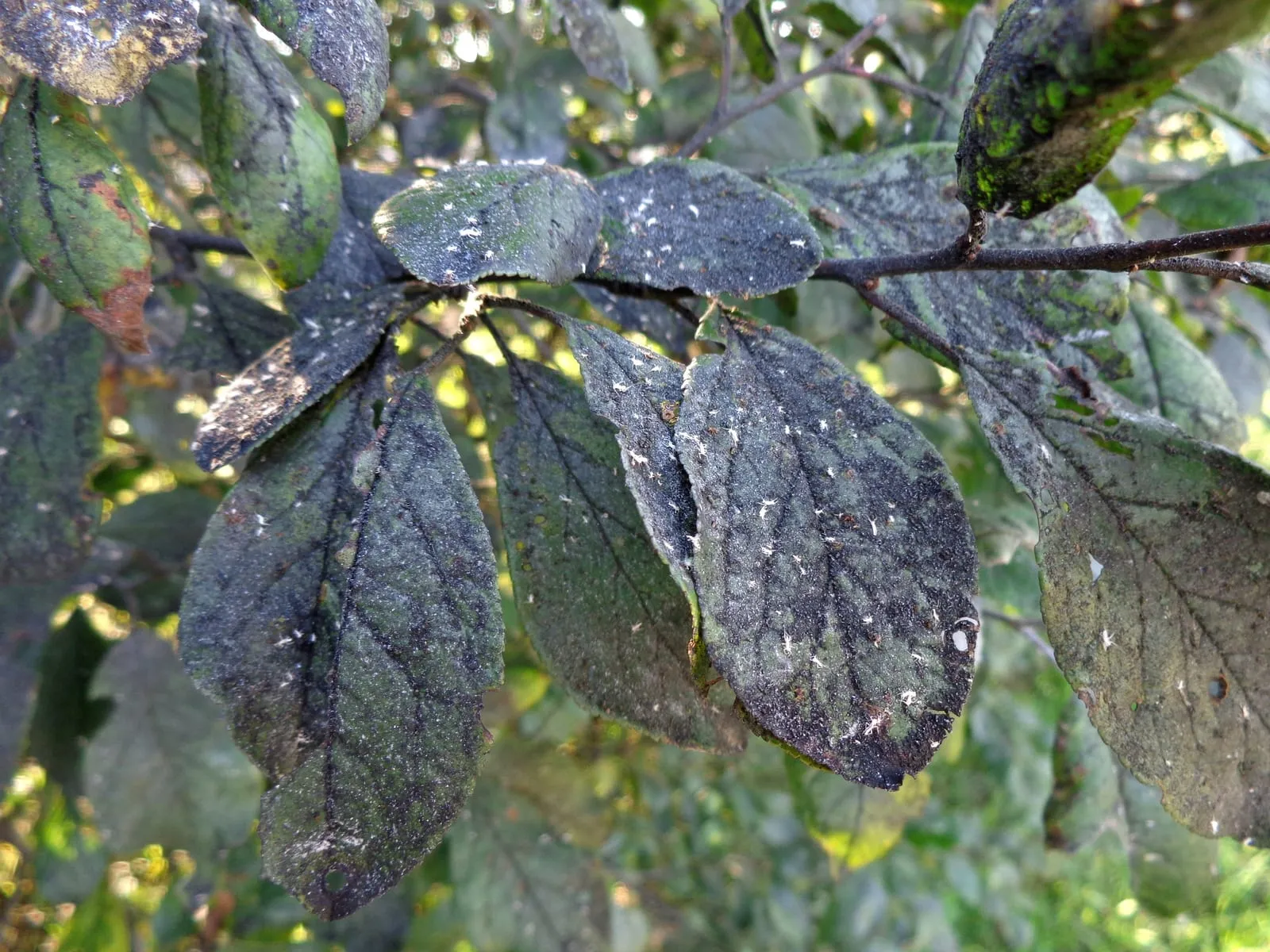
Capnodium spp.
Black fungal coating that grows on honeydew secreted by aphids, scale, mealybugs, and whiteflies. Doesn't infect plant tissue directly but blocks photosynthesis and disfigures fruit.
Modified care for zone 11a
The care adjustments in zone 11a shift almost entirely toward pest and disease management rather than cold protection. Year-round warmth sustains continuous pest populations, including citrus leafminer, Asian citrus psyllid (the vector for Citrus Greening/HLB), and scale insects. Monitoring frequency should increase compared to more temperate zones, and any psyllid pressure demands immediate attention given HLB's severity and the absence of a cure once a tree is infected.
Citrus canker spreads readily under warm, wet conditions, so pruning practices and post-storm inspections matter. Sooty mold follows honeydew-producing insects; controlling the underlying pest reduces mold incidence. Irrigation discipline is essential during dry periods since zone 11a does not guarantee year-round rainfall. Mulching heavily around the root zone conserves moisture and moderates soil temperature during the hottest months.
Frequently asked questions
- Can Key lime and Persian lime both grow in zone 11a?
Both varieties are well-suited to zone 11a. Persian (Bearss) lime produces larger, seedless fruit and tolerates brief temperature dips slightly better. Key lime is more cold-sensitive but thrives with zone 11a's warmth and can produce fruit nearly year-round in this climate.
- Is Citrus Greening (HLB) a serious risk for lime trees in zone 11a?
Yes. HLB is present across tropical and subtropical citrus-growing regions, and zone 11a's year-round warmth sustains Asian citrus psyllid populations that spread the disease. There is no cure once a tree is infected, so early detection, psyllid control, and sourcing certified disease-free nursery stock are the primary defenses.
- Do lime trees in zone 11a need any winter protection?
Not typically. With minimum temperatures of 40 to 45°F, zone 11a rarely produces conditions that damage established lime trees. Young trees in their first season benefit from wind protection rather than frost protection, since desiccating winds are generally more damaging than cold at this zone's temperature floor.
+−
+−
+−
Lime in adjacent zones
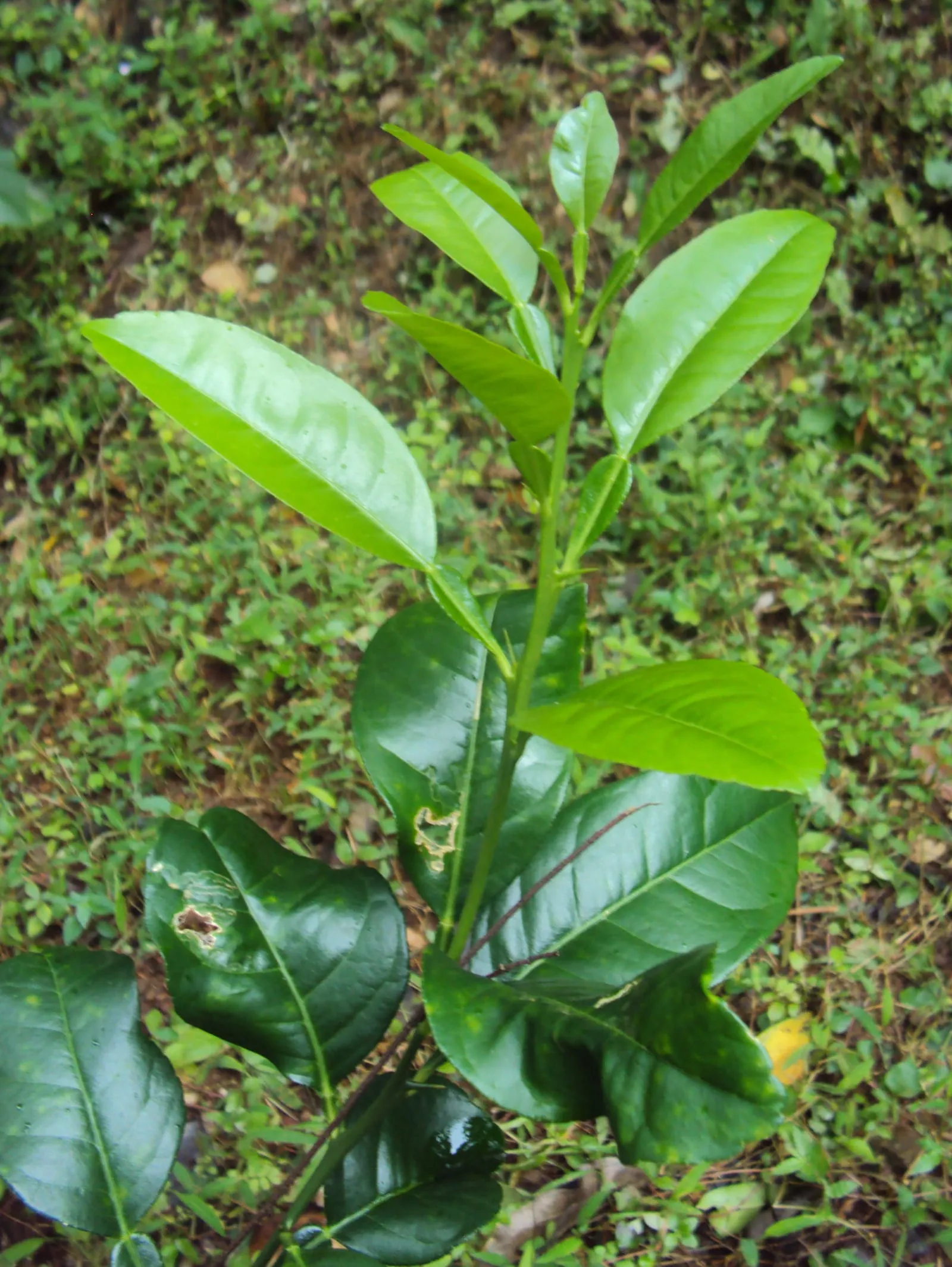
Image: "Citrus aurantifolia leaves", by Vinayaraj, via Wikimedia Commons, licensed under CC-BY Source.

Related