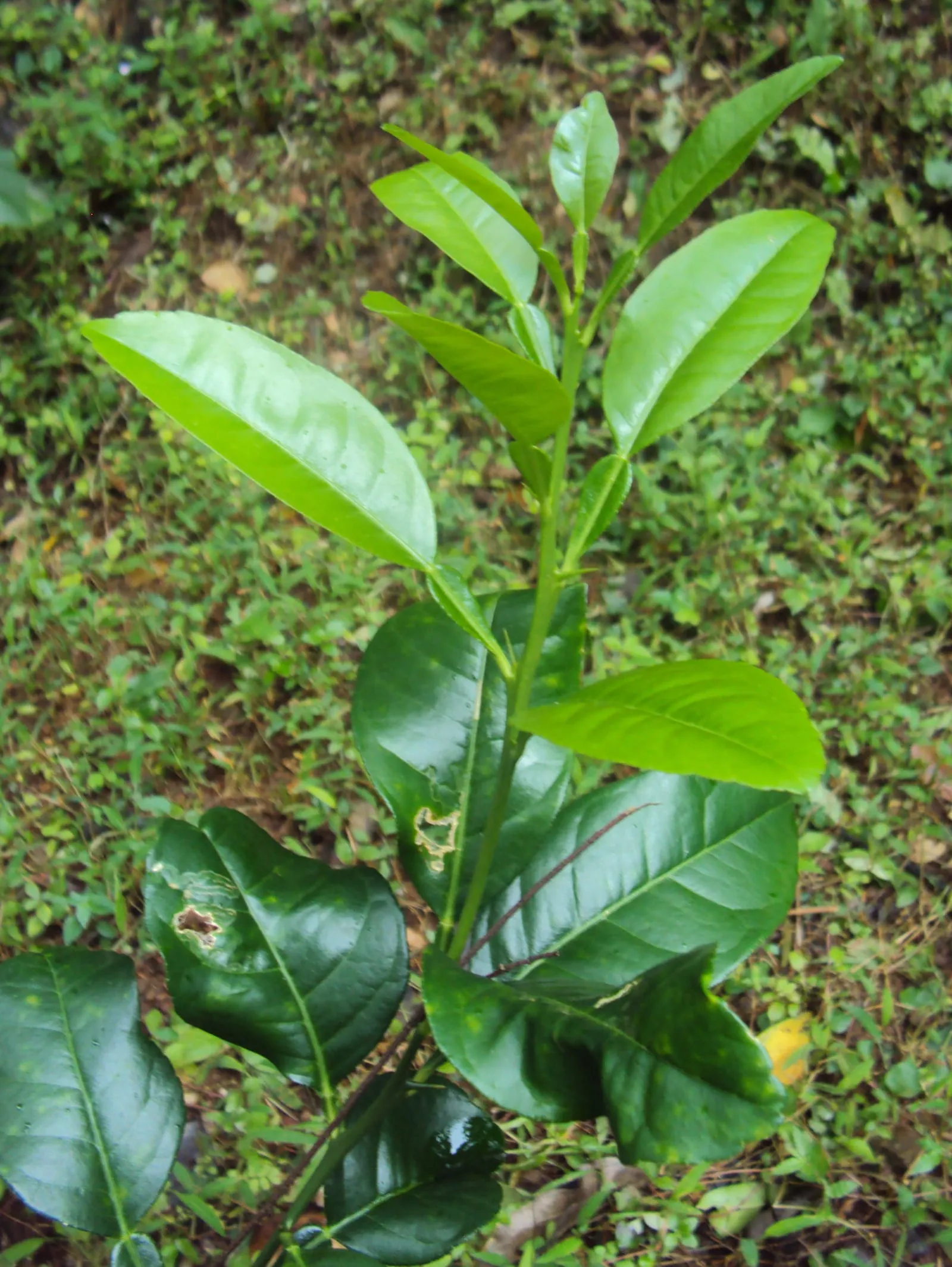
fruit tree in zone 10b
Growing lime in zone 10b
Citrus aurantiifolia
- Zone
- 10b 35°F to 40°F
- Growing season
- 365 days
- Chill needed
- 0 to 50 below 45°F
- Suitable varieties
- 3
- Days to harvest
- 120 to 240
The verdict
Zone 10b is a genuine sweet spot for lime production. Minimum winter temperatures of 35 to 40°F keep frost damage rare, and limes require essentially no chill hours; the 0 to 50 hour requirement is met without effort even in the most thermally uniform tropical climates. Persian (Bearss) and Key limes both perform reliably here without the physiological stress that cooler zones impose. Key limes are sensitive to temperatures below 30°F, making zone 10b close to the practical northern limit for reliable outdoor Key lime production. The 365-day growing season enables continuous flowering and fruiting cycles, a behavior limes naturally exhibit in tropical conditions.
Soil drainage and irrigation quality matter more than zone compatibility in this context. Coastal saltwater intrusion, common in parts of zone 10b, can compromise root health and long-term productivity more than any temperature-related factor.
Recommended varieties for zone 10b
3 cultivars suited to this zone, with disease-resistance and zone-fit annotations.
| Variety | Notes | Zone fit | Disease resistance |
|---|---|---|---|
| Persian (Bearss) fits zone 10b | The supermarket lime: seedless, juicy, sharp clean acidity. Larger fruit and more cold-tolerant than Key lime. | | none noted |
| Key fits zone 10b | Aromatic small thin-skinned lime with a perfumed acidic punch; the lime for the pie and the gin and tonic. Frost-sensitive; thrives only in zones 10b and warmer. | | none noted |
| Kaffir (Makrut) fits zone 10b | Grown for the fragrant double leaves more than for fruit; essential in Thai and Cambodian cooking. Bumpy fruit zest is also prized. | | none noted |
Critical timing for zone 10b
In zone 10b, lime does not follow a single annual bloom cycle the way deciduous fruit does. Persian limes produce multiple flushes throughout the year, with heavier bloom periods typically occurring in late winter and spring (February through April) and again in fall. Key limes bloom nearly continuously. Fruit set follows bloom by roughly 5 to 6 months for Persian lime; Key lime fruit matures faster, typically 3 to 4 months after bloom.
With no meaningful frost risk in zone 10b, there is no critical bloom window to protect. Harvest is effectively year-round, timed to individual flushes rather than a single annual season. The practical peak harvest window for Persian lime in this zone tends to fall from late summer through winter.
Common challenges in zone 10b
- ▸ No winter chill
- ▸ Tropical pest and disease pressure
- ▸ Saltwater intrusion in coastal soils
Disease pressure to watch for
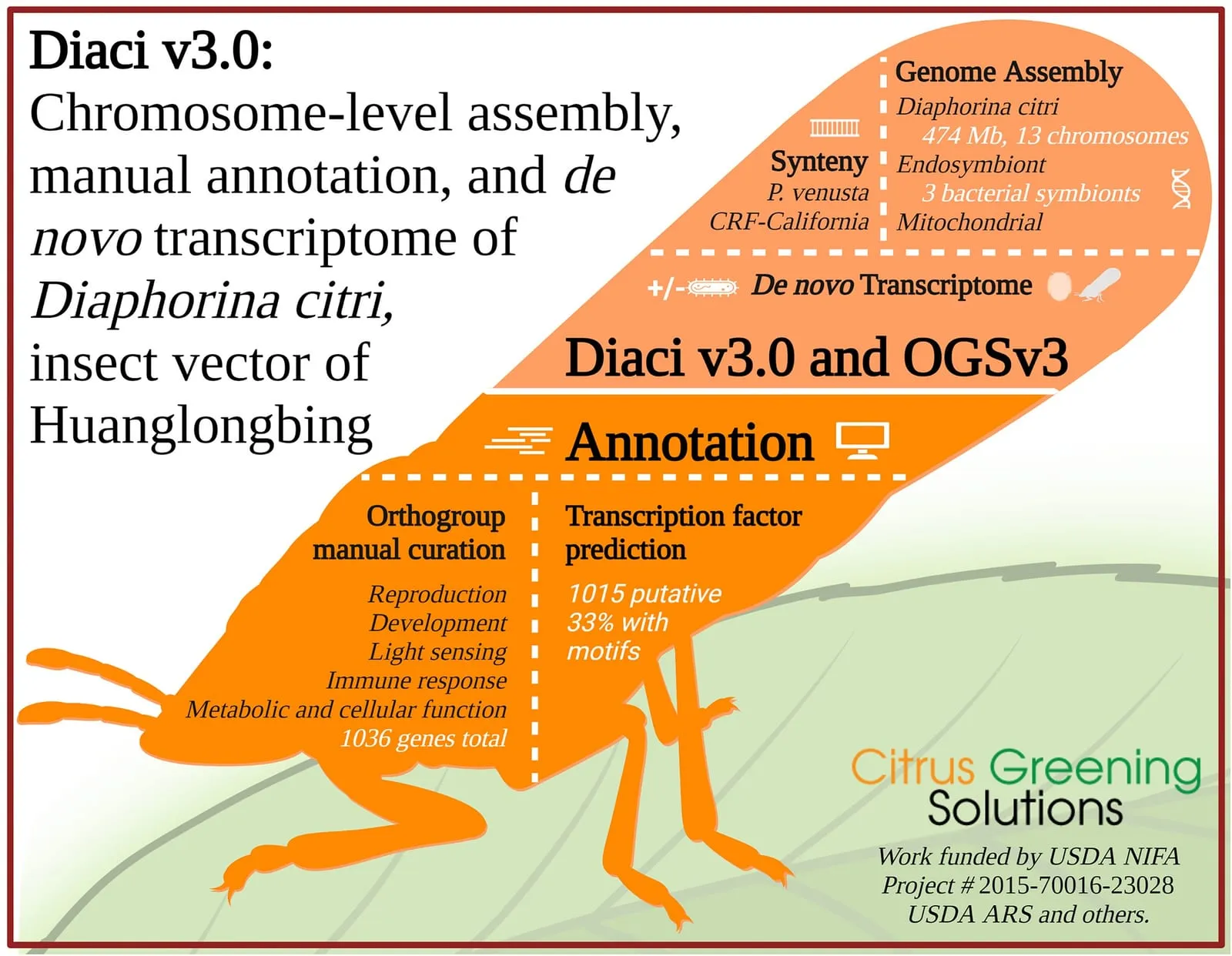
Candidatus Liberibacter asiaticus
Devastating bacterial disease vectored by the Asian citrus psyllid. Once infected, trees decline progressively over several years and there is no cure. Has destroyed commercial citrus across Florida and threatens production worldwide.
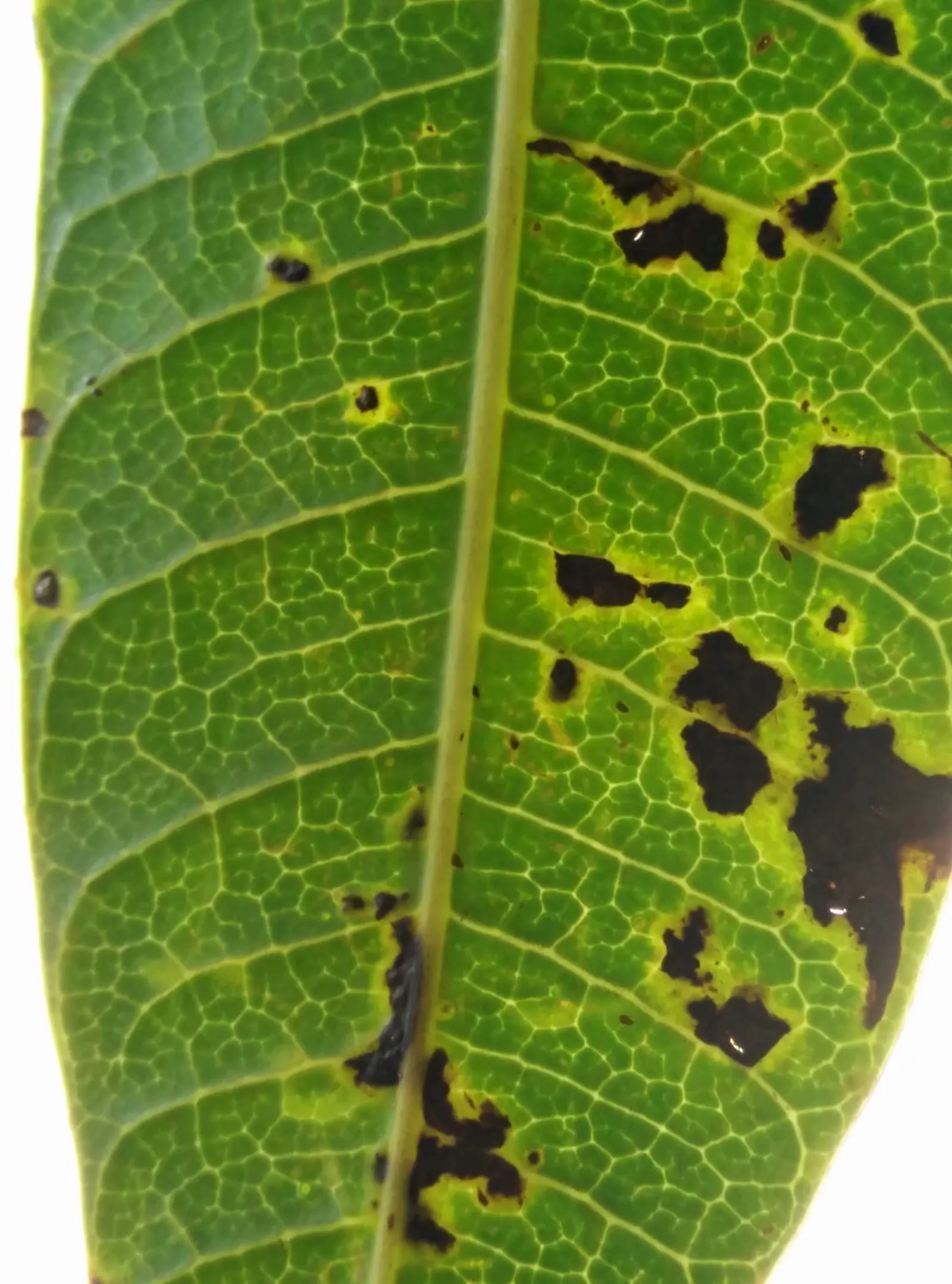
Xanthomonas citri
Bacterial disease producing raised corky lesions on leaves, twigs, and fruit. Spread by wind-driven rain and contaminated tools. Quarantine-regulated in many areas.
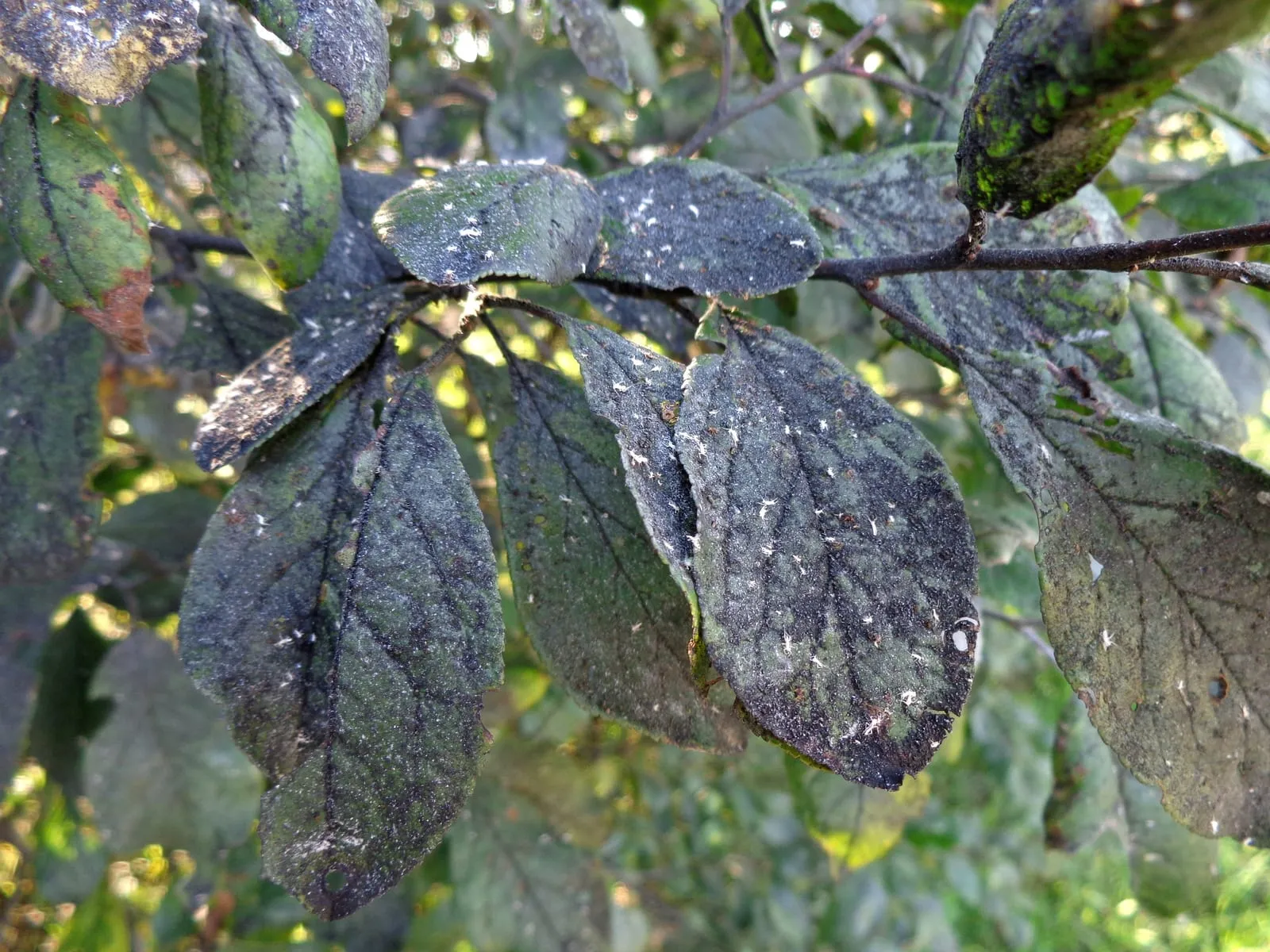
Capnodium spp.
Black fungal coating that grows on honeydew secreted by aphids, scale, mealybugs, and whiteflies. Doesn't infect plant tissue directly but blocks photosynthesis and disfigures fruit.
Modified care for zone 10b
The primary management concern in zone 10b is disease and pest pressure rather than cold protection. Citrus Greening (HLB), spread by the Asian citrus psyllid, is active throughout South Florida and tropical growing areas. There is no cure; management focuses on psyllid control through systemic insecticides and prompt removal of symptomatic trees. Citrus Canker requires copper-based fungicide applications and strict sanitation practices, including tool sterilization and avoiding overhead irrigation. Both diseases are serious enough that sourcing trees from certified, disease-free nurseries is the most consequential care decision available.
Where coastal salt accumulation is a concern, raised planting beds or container culture with filtered irrigation water can significantly extend productive life. Sooty Mold on lime typically follows scale or aphid infestations; controlling the underlying pest population eliminates the mold's food source and resolves the problem without direct treatment.
Lime in adjacent zones
Image: "Citrus aurantifolia leaves", by Vinayaraj, via Wikimedia Commons, licensed under CC-BY Source.

Related