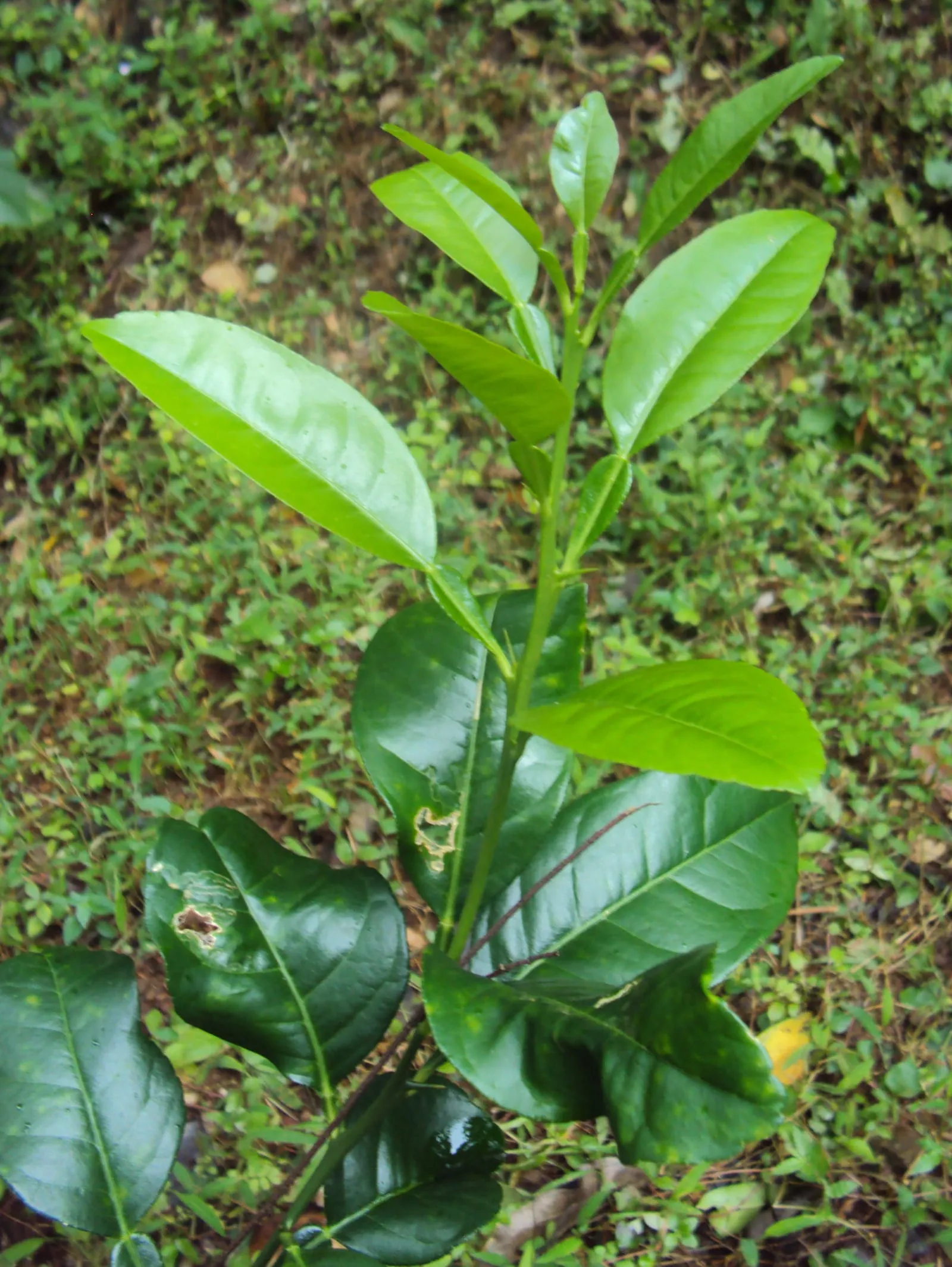
fruit tree in zone 10a
Growing lime in zone 10a
Citrus aurantiifolia
- Zone
- 10a 30°F to 35°F
- Growing season
- 340 days
- Chill needed
- 0 to 50 below 45°F
- Suitable varieties
- 3
- Days to harvest
- 120 to 240
The verdict
Zone 10a is a genuine sweet spot for lime production. With minimum winter temperatures between 30 and 35°F and a 340-day growing season, the zone closely matches lime's native tropical and subtropical range. Lime requires only 0 to 50 chill hours, a threshold zone 10a meets without effort, making chill-hour deficit a non-issue here unlike it would be for temperate fruit.
Persian (Bearss) limes are the most reliable choice across zone 10a, tolerating brief cold snaps better than Key lime. Key lime performs well in the warmer pockets of the zone but sits at the margin of cold hardiness when temperatures approach 30°F. Kaffir (Makrut) lime, grown primarily for its leaves and zest, handles zone 10a conditions comfortably.
The main production risks are disease pressure (particularly Citrus Greening) and storm exposure, not climate suitability. Temperature alone is not the limiting factor here.
Recommended varieties for zone 10a
3 cultivars suited to this zone, with disease-resistance and zone-fit annotations.
| Variety | Notes | Zone fit | Disease resistance |
|---|---|---|---|
| Persian (Bearss) fits zone 10a | The supermarket lime: seedless, juicy, sharp clean acidity. Larger fruit and more cold-tolerant than Key lime. | | none noted |
| Key fits zone 10a | Aromatic small thin-skinned lime with a perfumed acidic punch; the lime for the pie and the gin and tonic. Frost-sensitive; thrives only in zones 10b and warmer. | | none noted |
| Kaffir (Makrut) fits zone 10a | Grown for the fragrant double leaves more than for fruit; essential in Thai and Cambodian cooking. Bumpy fruit zest is also prized. | | none noted |
Critical timing for zone 10a
In zone 10a, limes do not follow a single annual bloom cycle the way temperate fruit does. Persian limes typically produce a heavy primary flush in late winter to early spring, with secondary flushes through summer. Harvest follows roughly five to six months after bloom, putting the main crop in late summer through fall, with off-season fruit available much of the year.
Key limes bloom more sporadically and can fruit nearly year-round in warm microclimates. The zone's frost risk window, generally December through February, can interrupt winter bloom cycles if temperatures dip to the low 30s. Cold damage to open flowers or small fruitlets is possible during those weeks, but the long season means recovery is fast and total annual yield is rarely seriously reduced.
Common challenges in zone 10a
- ▸ No chilling for traditional temperate fruit
- ▸ Hurricane exposure
- ▸ Heat-tolerant cultivars only
Disease pressure to watch for
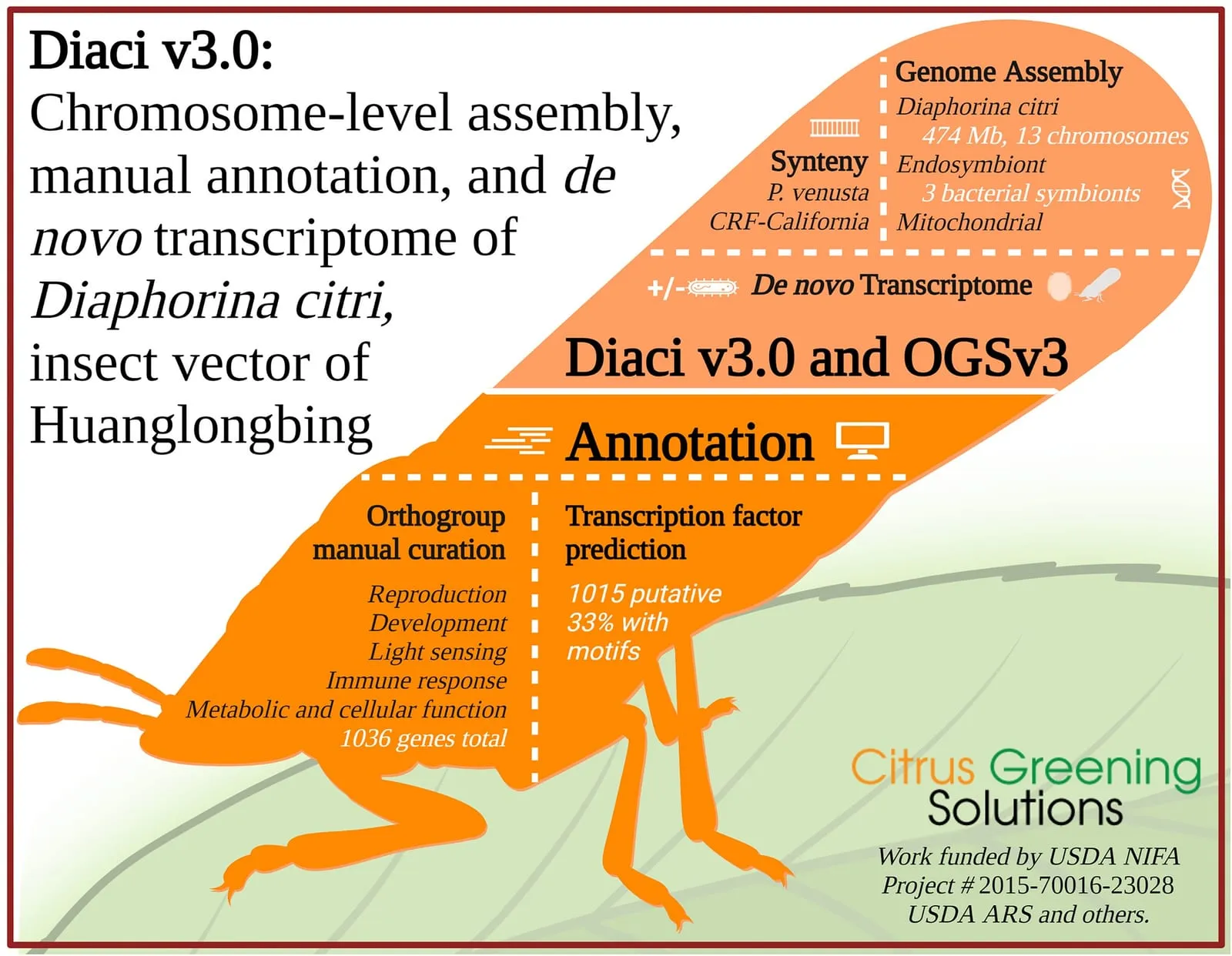
Candidatus Liberibacter asiaticus
Devastating bacterial disease vectored by the Asian citrus psyllid. Once infected, trees decline progressively over several years and there is no cure. Has destroyed commercial citrus across Florida and threatens production worldwide.
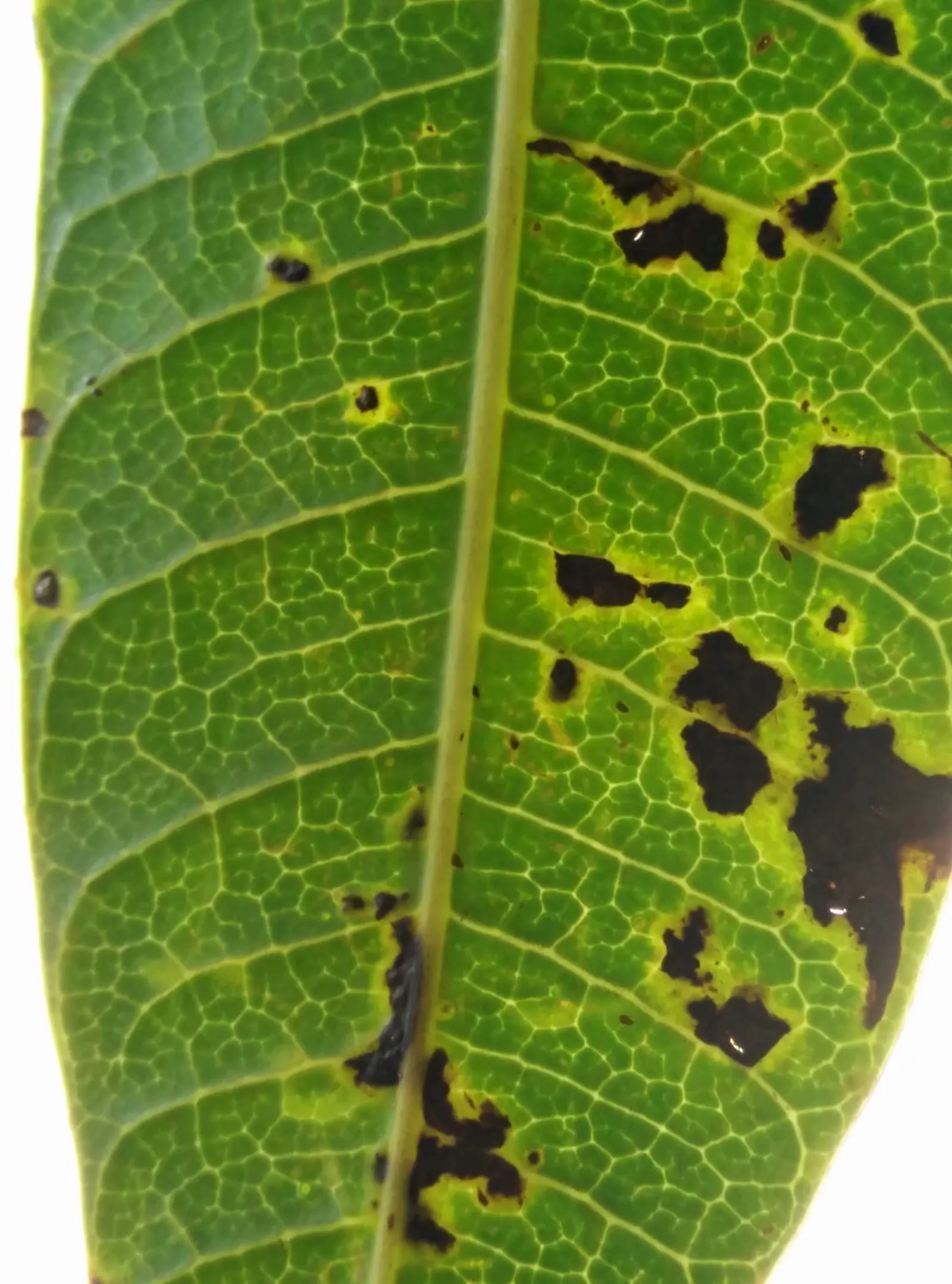
Xanthomonas citri
Bacterial disease producing raised corky lesions on leaves, twigs, and fruit. Spread by wind-driven rain and contaminated tools. Quarantine-regulated in many areas.
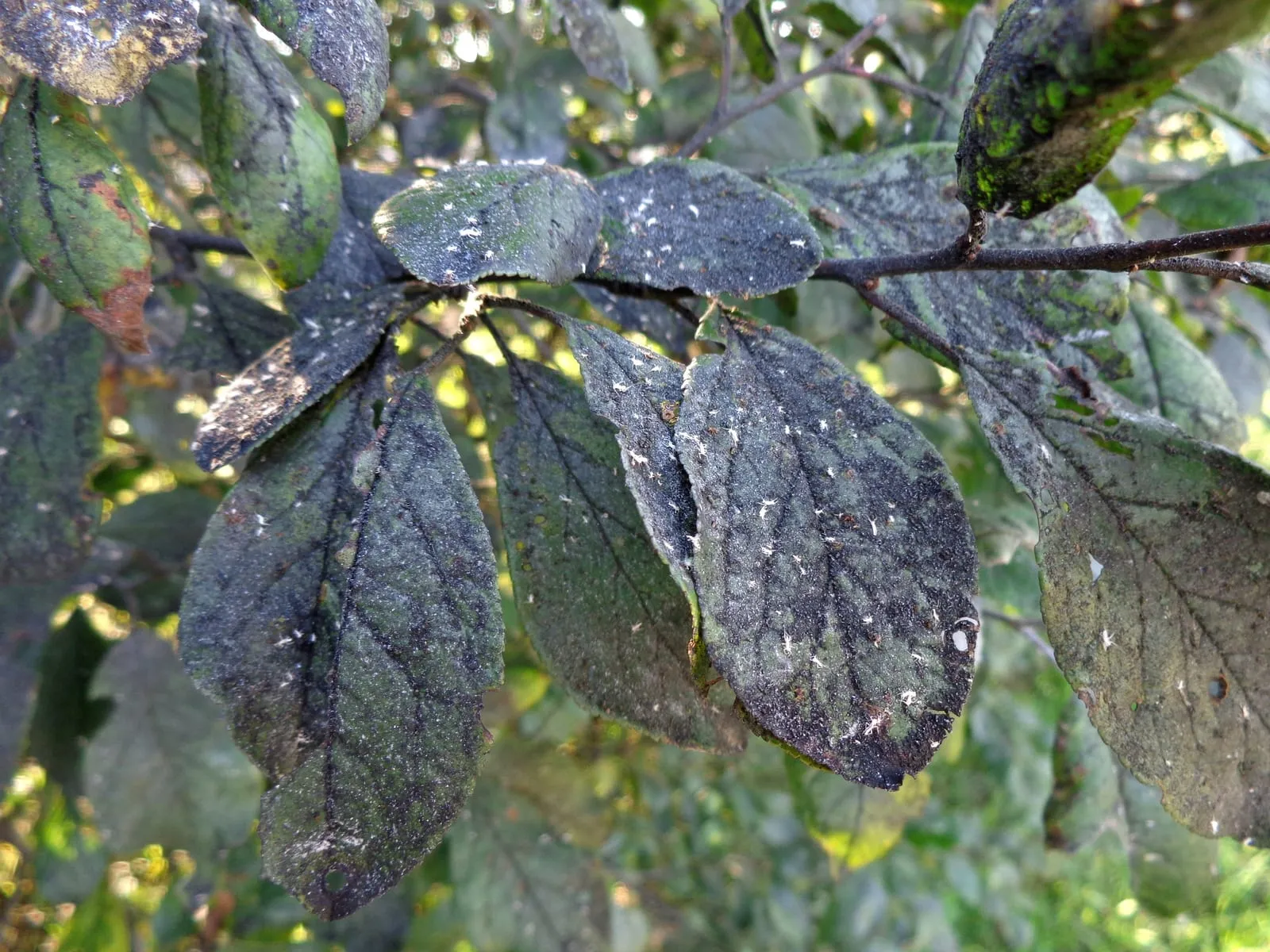
Capnodium spp.
Black fungal coating that grows on honeydew secreted by aphids, scale, mealybugs, and whiteflies. Doesn't infect plant tissue directly but blocks photosynthesis and disfigures fruit.
Modified care for zone 10a
The dominant care adjustment in zone 10a is disease vigilance rather than cold protection. Citrus Greening (HLB) is established in Florida and present in other zone 10a regions; there is no cure, so the management focus is controlling the Asian citrus psyllid vector through monitoring and targeted insecticide applications. Citrus Canker, a bacterial disease spread by wind-driven rain, requires copper-based sprays on a preventive schedule, especially before and after hurricane season. Sooty mold follows from whitefly and aphid infestations and is controlled by managing the underlying pest rather than treating the mold directly.
Hurricane exposure warrants structural consideration: plant in a wind-sheltered microclimate where possible, and stake young trees through their first two seasons. For Key limes in the cooler parts of zone 10a, wrapping the trunk or using frost cloth during predicted cold snaps below 32°F reduces bark damage on young trees.
Frequently asked questions
- Which lime variety performs best in zone 10a?
Persian (Bearss) lime is the most dependable choice for zone 10a. It tolerates brief cold better than Key lime, produces reliable crops on a roughly annual cycle, and is widely available from certified nurseries. Key lime is viable in warmer zone 10a microclimates but is more cold-sensitive and slower to recover from frost events.
- Is Citrus Greening (HLB) a serious threat to home lime trees in zone 10a?
Yes. HLB is established across much of zone 10a, particularly in Florida, and there is currently no cure for infected trees. The practical response is purchasing certified disease-free nursery stock, controlling Asian citrus psyllid populations with regular monitoring, and removing any confirmed infected trees promptly to reduce spread to healthy trees nearby.
- Do limes in zone 10a need any winter protection?
Established Persian lime trees generally tolerate the low end of zone 10a (30 to 32°F) without protection. Key lime and young trees of any variety benefit from frost cloth or a trunk wrap when temperatures are forecast to drop below 32°F. Container-grown limes can be moved to shelter during cold snaps.
+−
+−
+−
Lime in adjacent zones
Image: "Citrus aurantifolia leaves", by Vinayaraj, via Wikimedia Commons, licensed under CC-BY Source.

Related