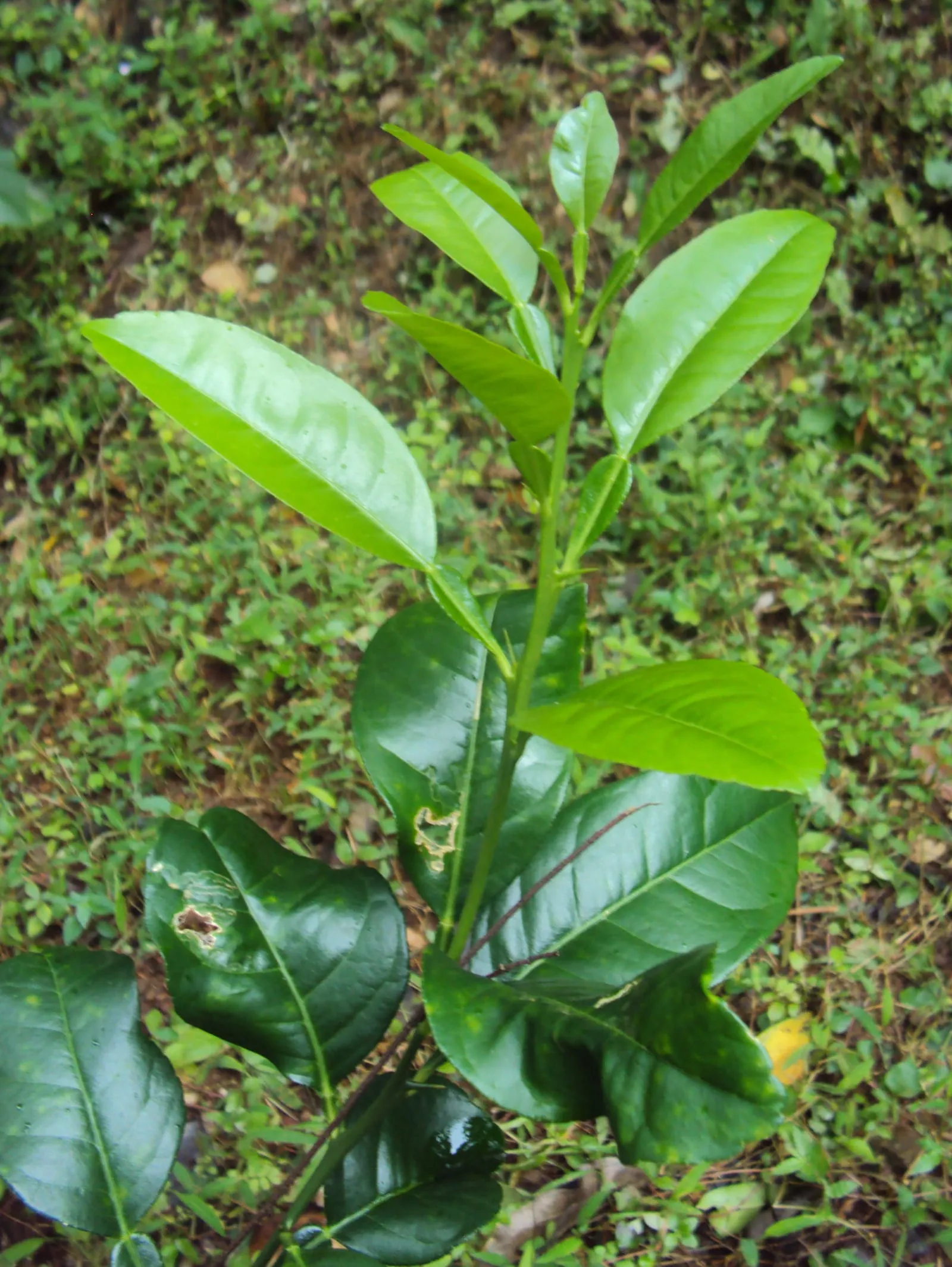
fruit tree in zone 9b
Growing lime in zone 9b
Citrus aurantiifolia
- Zone
- 9b 25°F to 30°F
- Growing season
- 310 days
- Chill needed
- 0 to 50 below 45°F
- Suitable varieties
- 1
- Days to harvest
- 120 to 240
The verdict
Zone 9b sits squarely in lime's comfort zone. With minimum winter temperatures between 25 and 30°F and a 310-day growing season, the conditions match lime's negligible chill requirement (0 to 50 hours) almost exactly. Unlike most tree fruits, lime does not need cold dormancy to produce; extended warmth is an asset here, not a liability.
The practical cold-tolerance floor for Persian (Bearss) lime is around 28 to 30°F. Zone 9b's low-end temperatures brush that threshold, so brief radiative frost events on clear winter nights can cause tip dieback or fruit drop on unprotected trees. This is a minor management concern rather than a structural incompatibility. Coastal sites add salt spray as a secondary stressor, which affects site selection more than variety choice. On balance, zone 9b is one of the more reliable zones for lime production in the continental United States.
Recommended varieties for zone 9b
1 cultivar suited to this zone, with disease-resistance and zone-fit annotations.
| Variety | Notes | Zone fit | Disease resistance |
|---|---|---|---|
| Persian (Bearss) fits zone 9b | The supermarket lime: seedless, juicy, sharp clean acidity. Larger fruit and more cold-tolerant than Key lime. | | none noted |
Critical timing for zone 9b
Persian (Bearss) lime in zone 9b does not follow a single clean bloom-to-harvest cycle. Trees typically produce multiple flushes of bloom across the year, with the heaviest flowering occurring from late winter through spring, roughly February through April. Fruit from the spring flush matures in late summer to fall, approximately 5 to 9 months after bloom depending on heat accumulation.
Zone 9b's frost window is narrow, generally confined to December through February with light events only. Spring bloom in February or early March carries some cold exposure risk, but sustained freezes capable of killing open flowers are uncommon. Secondary bloom flushes in summer and fall add production opportunities, particularly in the warmest microclimates within the zone.
Common challenges in zone 9b
- ▸ Heat stress in summer
- ▸ Insufficient chill for most apples
- ▸ Salt spray near coasts
Disease pressure to watch for
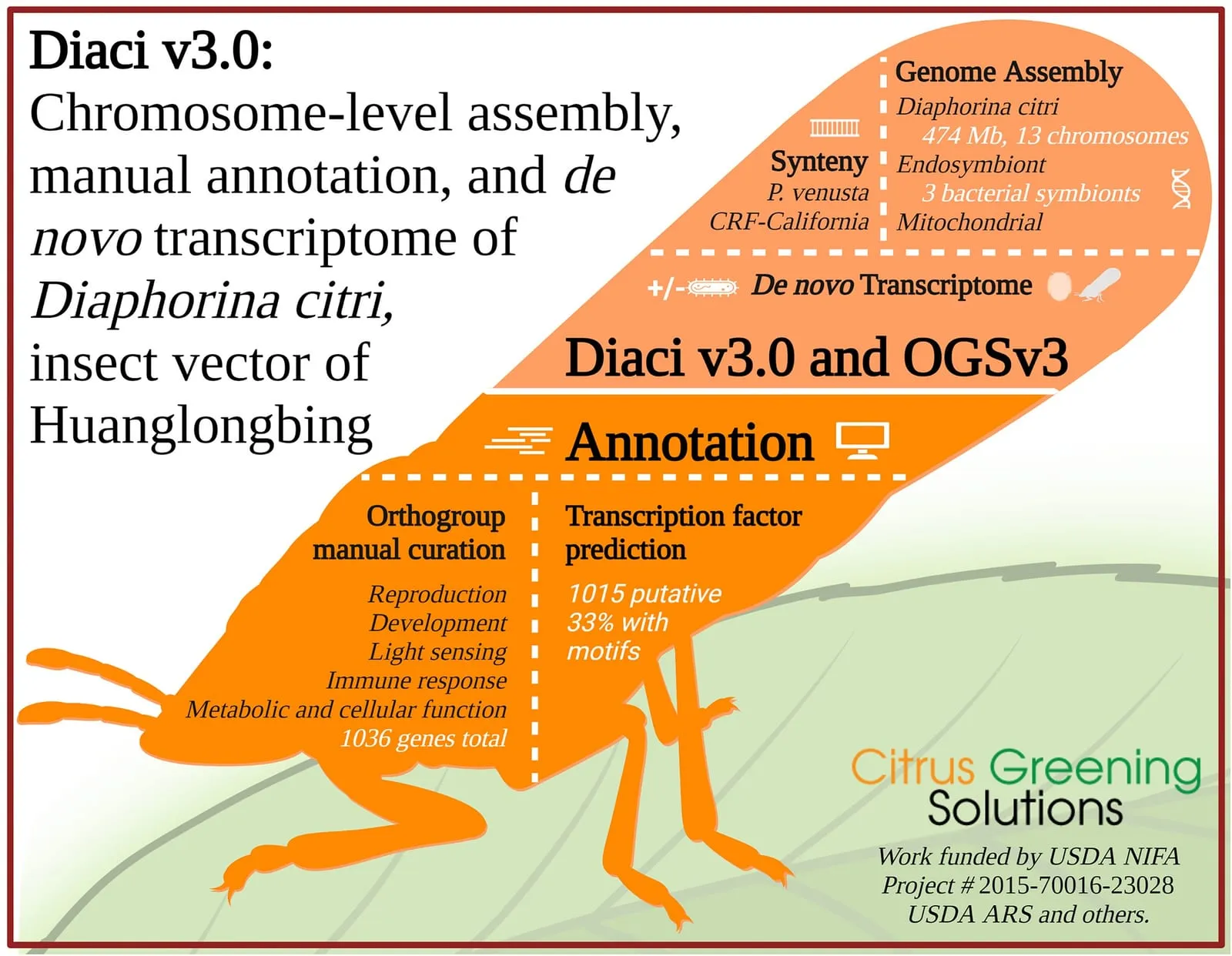
Candidatus Liberibacter asiaticus
Devastating bacterial disease vectored by the Asian citrus psyllid. Once infected, trees decline progressively over several years and there is no cure. Has destroyed commercial citrus across Florida and threatens production worldwide.
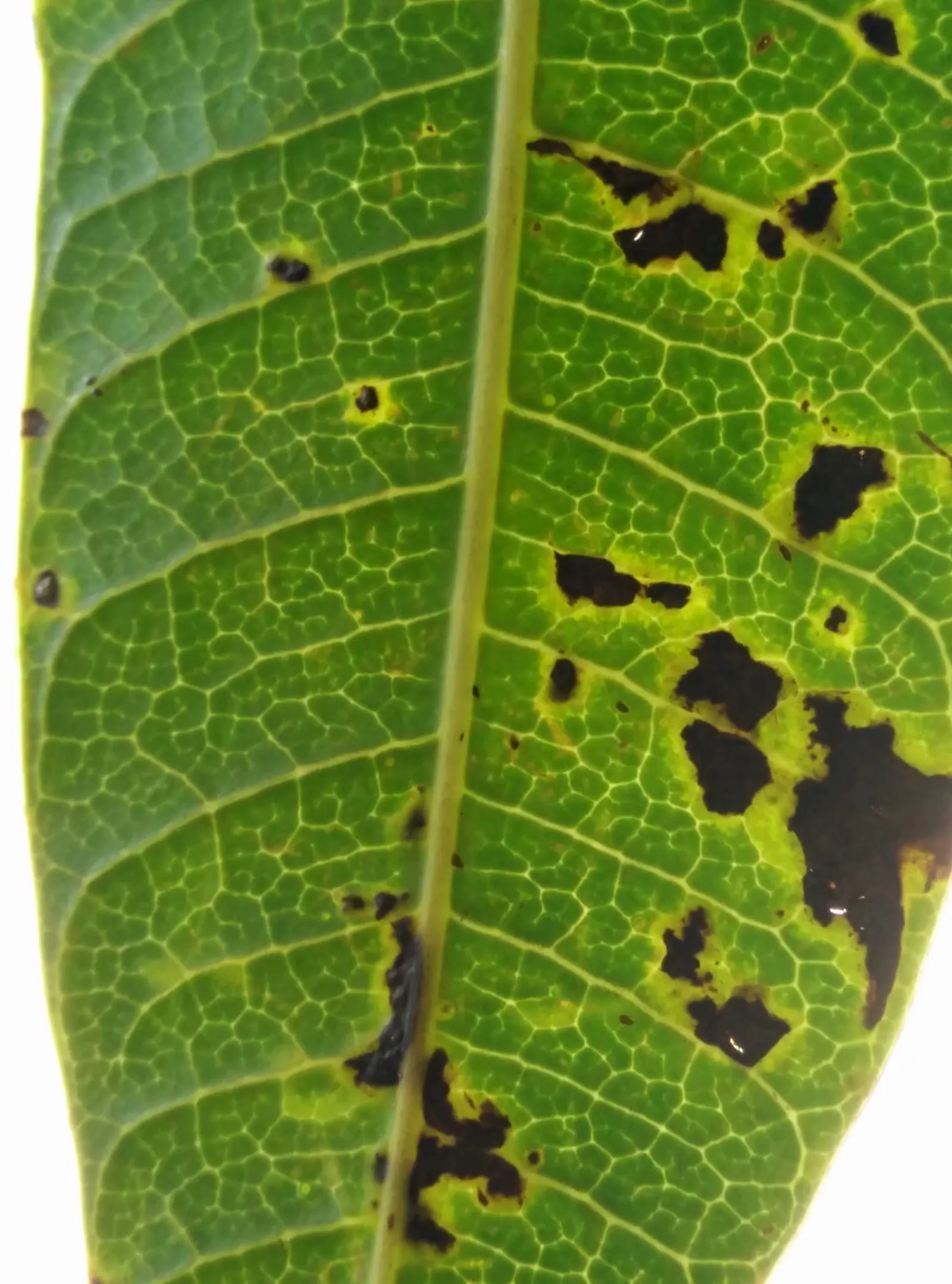
Xanthomonas citri
Bacterial disease producing raised corky lesions on leaves, twigs, and fruit. Spread by wind-driven rain and contaminated tools. Quarantine-regulated in many areas.
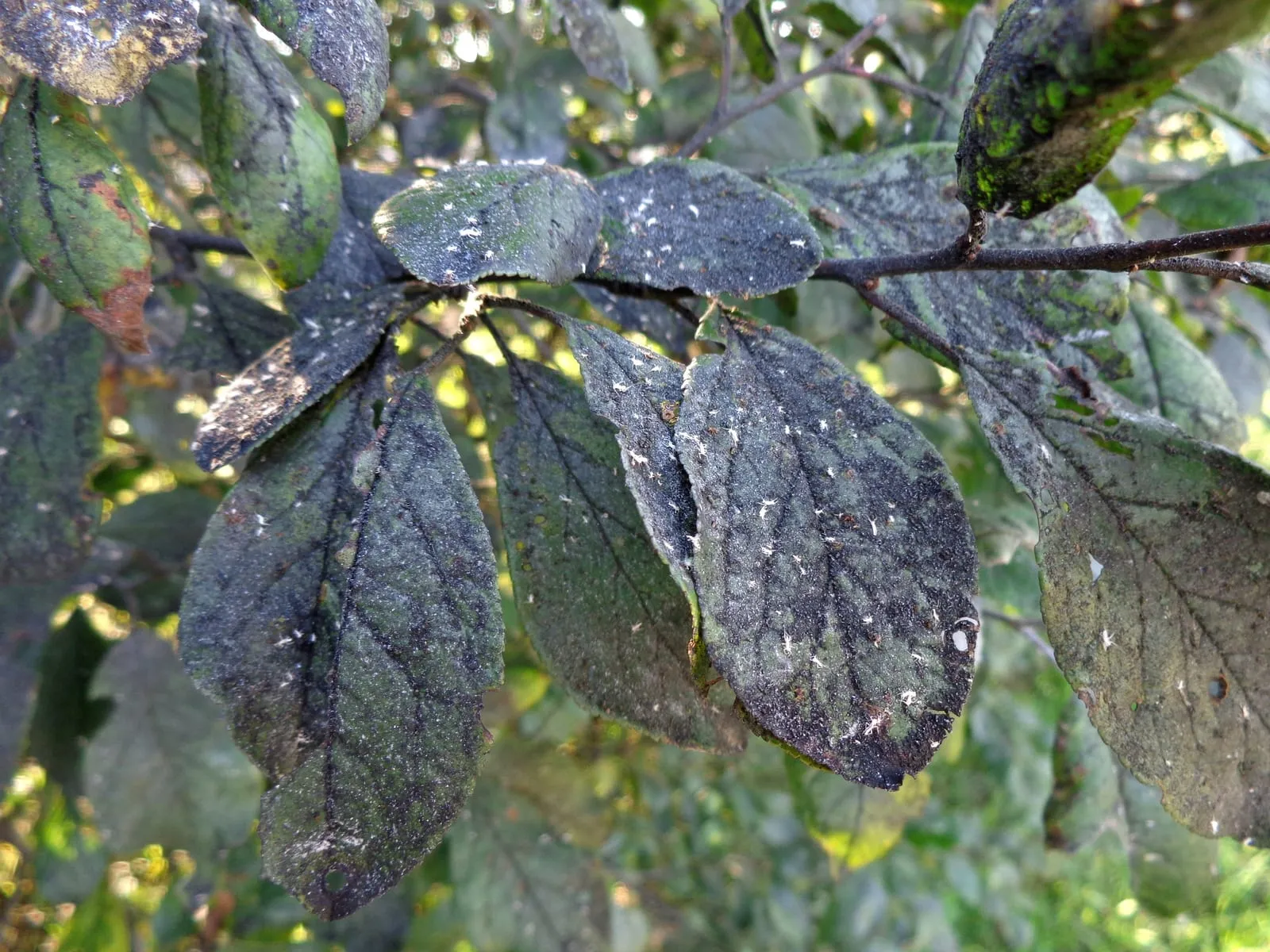
Capnodium spp.
Black fungal coating that grows on honeydew secreted by aphids, scale, mealybugs, and whiteflies. Doesn't infect plant tissue directly but blocks photosynthesis and disfigures fruit.
Modified care for zone 9b
Heat stress during summer is the primary management challenge in zone 9b. Temperatures above 95°F can cause fruit drop and sunscald on exposed surfaces. Deep, infrequent irrigation supports root depth and heat resilience better than frequent shallow watering. Mulching out to the drip line moderates soil temperature and reduces moisture loss during hot months.
Citrus greening (HLB), spread by the Asian citrus psyllid, is a serious concern in the warm zones where lime is most commonly grown. No cure exists; management centers on monitoring for psyllid adults and nymphs and removing symptomatic trees promptly. Citrus canker spreads under warm, wet conditions, making the humid months of zone 9b a higher-risk window. Preventive copper-based sprays applied ahead of wet periods are standard practice. Coastal sites should be rinsed with fresh water after significant salt events to limit foliar accumulation.
Frequently asked questions
- Can Persian lime survive a light freeze in zone 9b?
Persian (Bearss) lime tolerates brief dips to about 28°F with minor tip dieback. Temperatures below 26°F for more than a few hours can damage wood and cause significant fruit drop. Young trees and container-grown plants are more vulnerable than established trees in the ground.
- How many times per year will a lime tree fruit in zone 9b?
In zone 9b, Persian lime typically produces two to three fruiting cycles annually. The largest crop comes from the spring bloom flush, with smaller harvests possible from summer and fall bloom cycles. Consistent irrigation and fertilization through the growing season support multiple flushes.
- Is citrus greening (HLB) a realistic threat in zone 9b?
Yes. HLB is present in much of the warm-zone citrus-growing region of the United States, and the Asian citrus psyllid that spreads it thrives in the same temperatures that suit lime. There is no approved cure; early detection and removal of infected trees is the only current management strategy.
- Does lime need a pollinator tree in zone 9b?
No. Persian (Bearss) lime is seedless and parthenocarpic, meaning it sets fruit without pollination. A single tree produces a full crop. This variety is the dominant commercial and home-garden lime in the United States partly for this reason.
+−
+−
+−
+−
Lime in adjacent zones
Image: "Citrus aurantifolia leaves", by Vinayaraj, via Wikimedia Commons, licensed under CC-BY Source.

Related