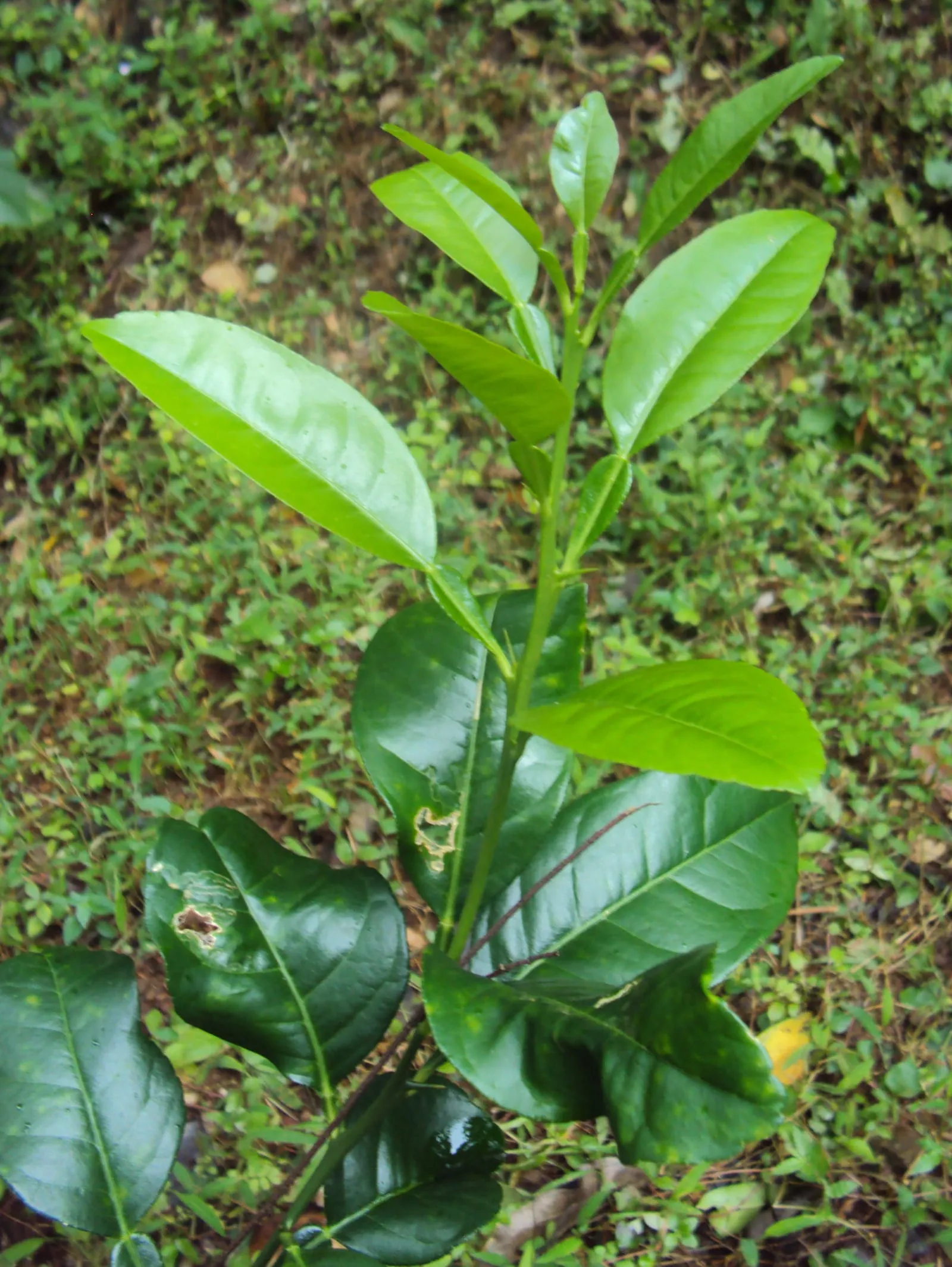
fruit tree
Lime
Citrus aurantiifolia
USDA hardiness range
- Zones
- 9b–11b
- Chill hours
- 0 to 50 below 45°F
- Days to harvest
- 120 to 240
- Sun
- Full
- Water
- Moderate
- Lifespan
- 30 to 50 years
Growing lime
Lime is among the most frost-sensitive citrus crops in common cultivation, and that fact shapes every decision a grower makes: site selection, variety choice, and whether to plant in the ground at all. Persian (Bearss) lime extends into zone 9b with microclimate support and frost protection; Key lime is reliably outdoor-hardy only in zones 10b and warmer, where temperatures rarely fall below 30°F. Kaffir (Makrut) lime, grown primarily for its fragrant double leaves, tolerates similar cold to Persian but is slower to recover from damage.
The critical variable is not chilling but cold hardiness. Lime requires essentially no winter chilling (0 to 50 hours below 45°F), meaning it needs uninterrupted warmth rather than a cool dormancy period. A single freeze below 28°F sustained for four or more hours can kill a mature Key lime to the graft union. Persian lime handles brief dips into the low 30s better, but repeated frost events still reduce yield and cause dieback.
What separates productive plantings from failed ones: a heat-retaining microclimate (south-facing wall, courtyard, or reflective paving), consistent irrigation from bloom through harvest, and proactive scouting for citrus greening (HLB), a bacterial disease with no cure that has devastated commercial groves across the Gulf South. Growers in zones 10a and warmer with well-drained soil and reliable winter protection can expect meaningful harvests within two to four years of planting.
Recommended varieties
See all 3 →3 cultivars for home growers, with notes on flavor, ripening, and disease resistance.
| Variety | Notes | Zone fit | Disease resistance |
|---|---|---|---|
| Persian (Bearss) | The supermarket lime: seedless, juicy, sharp clean acidity. Larger fruit and more cold-tolerant than Key lime. | | none noted |
| Key | Aromatic small thin-skinned lime with a perfumed acidic punch; the lime for the pie and the gin and tonic. Frost-sensitive; thrives only in zones 10b and warmer. | | none noted |
| Kaffir (Makrut) | Grown for the fragrant double leaves more than for fruit; essential in Thai and Cambodian cooking. Bumpy fruit zest is also prized. | | none noted |
Soil and site requirements
Lime performs best in well-drained sandy loam or loam soils with a pH between 6.0 and 7.0. Heavy clay that retains moisture after rain creates anaerobic root conditions and predisposes trees to root rot; mounded planting sites or raised beds improve drainage where subsoil is slow-draining. Soil pH above 7.5 commonly causes iron and manganese deficiencies that show as interveinal chlorosis on new growth.
Full sun is non-negotiable. Lime trees need at least eight hours of direct sun for consistent flowering and fruit set. Trees placed in partial shade produce lower-quality fruit and become more susceptible to scale insects and sooty mold, which follow honeydew-producing pests into poorly circulated canopy zones.
Site selection should prioritize heat retention. South-facing walls, masonry, and enclosed courtyard plantings all buffer cold nights and extend the effective growing season at zone margins. In zone 9b, a south-facing masonry wall can hold several degrees of warmth on a clear winter night, a difference that determines whether a tree survives or dies back to the rootstock.
Spacing depends on variety: Persian lime on standard rootstock typically reaches 12 to 15 feet; Key lime stays smaller at 8 to 12 feet; Kaffir (Makrut) lime ranges from 6 to 10 feet in most home settings. Full canopy spacing improves air circulation and reduces fungal pressure. Container culture in a minimum 25-gallon pot with fast-draining mix is practical for zone 9b and cooler, provided the tree can be moved to frost-free shelter during freeze events.
Common diseases
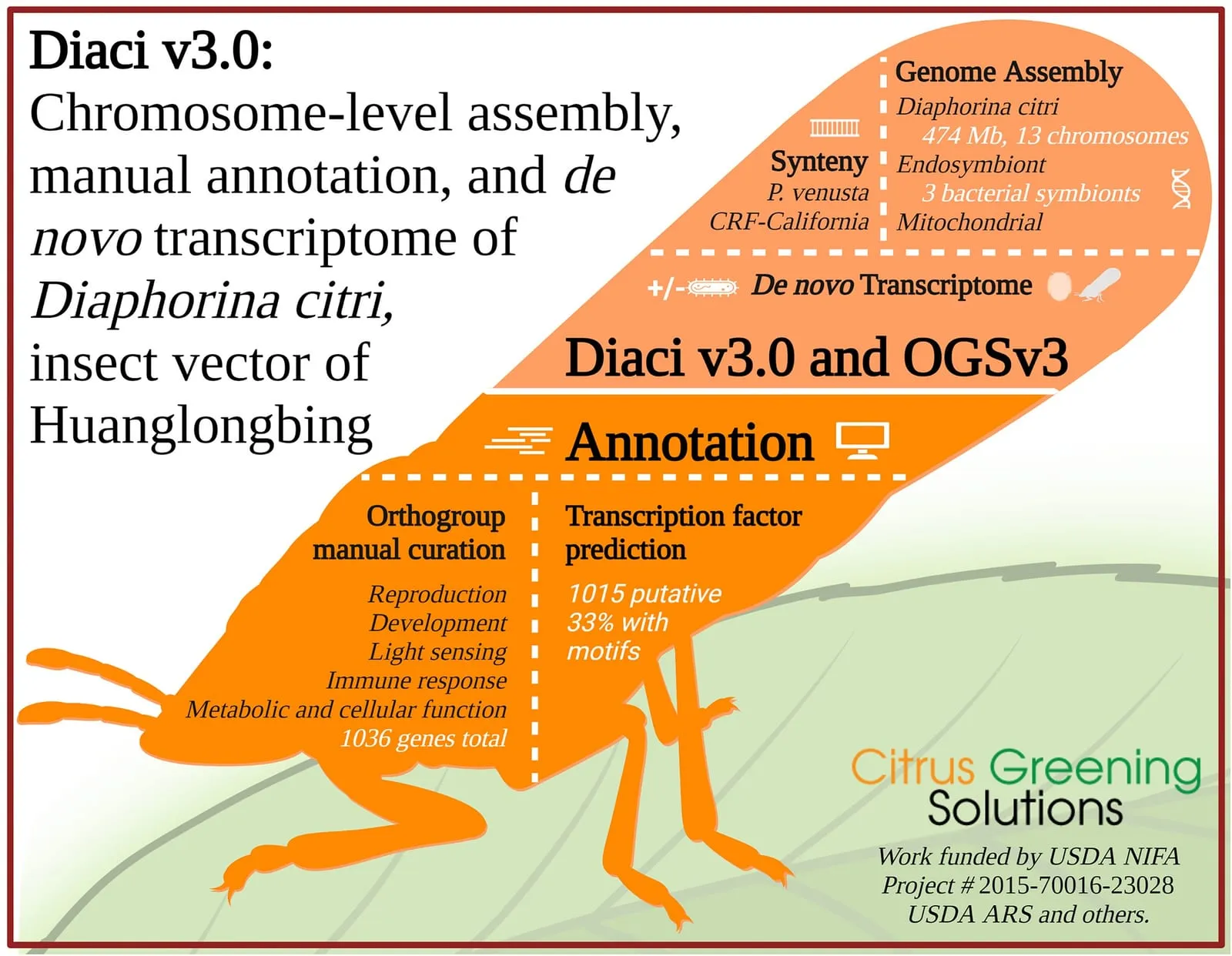
Candidatus Liberibacter asiaticus
Devastating bacterial disease vectored by the Asian citrus psyllid. Once infected, trees decline progressively over several years and there is no cure. Has destroyed commercial citrus across Florida and threatens production worldwide.
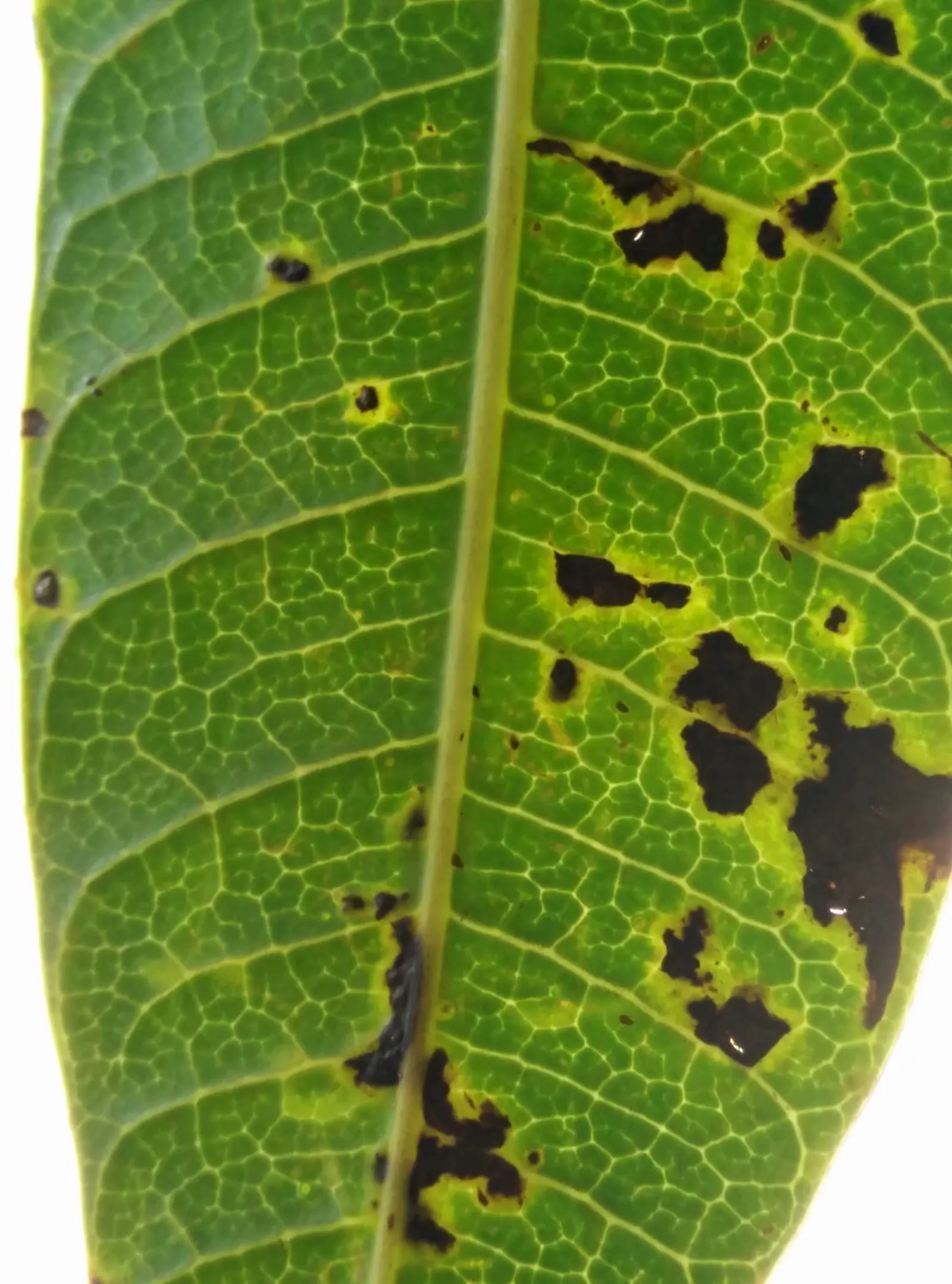
Xanthomonas citri
Bacterial disease producing raised corky lesions on leaves, twigs, and fruit. Spread by wind-driven rain and contaminated tools. Quarantine-regulated in many areas.
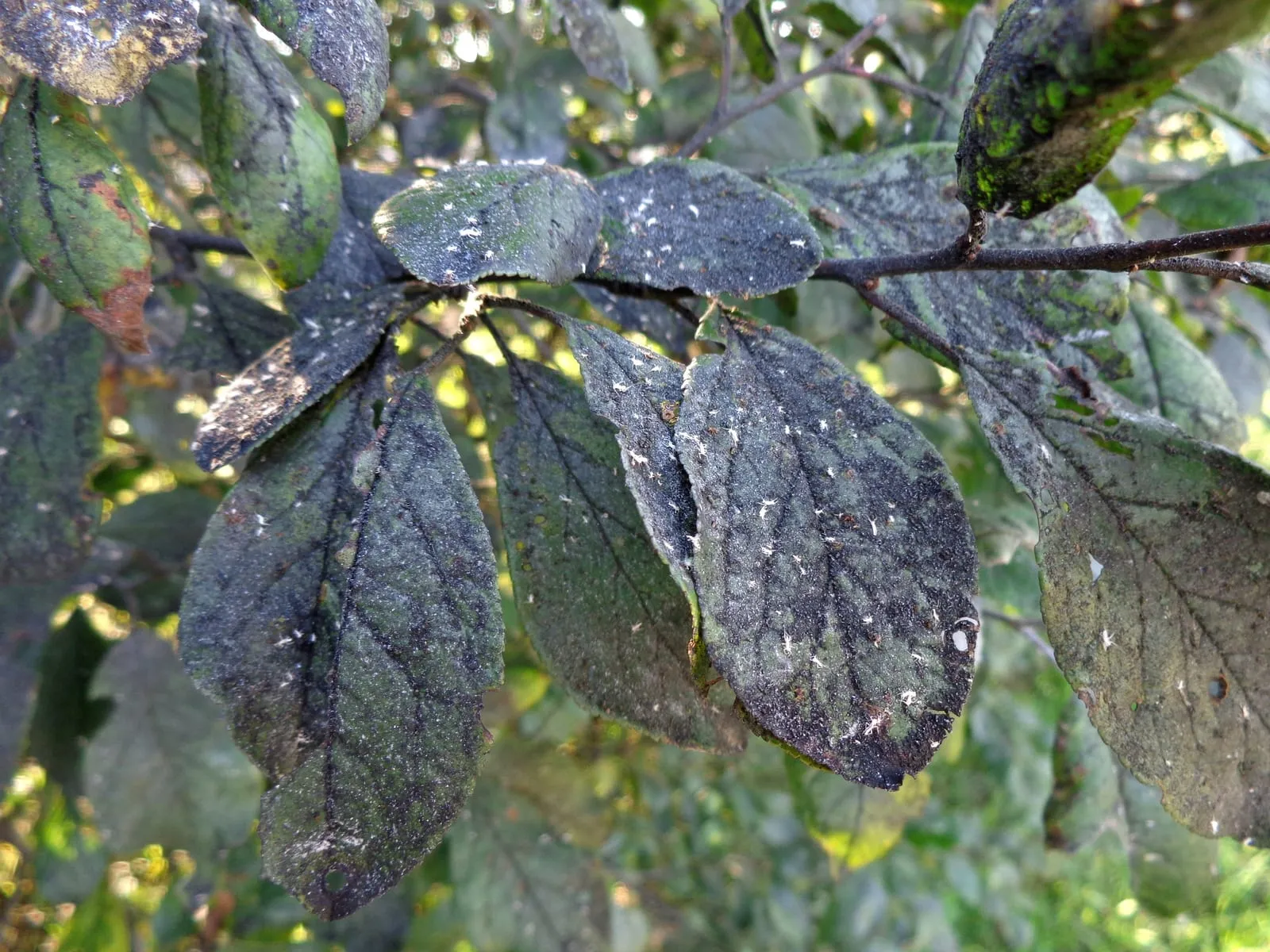
Capnodium spp.
Black fungal coating that grows on honeydew secreted by aphids, scale, mealybugs, and whiteflies. Doesn't infect plant tissue directly but blocks photosynthesis and disfigures fruit.
Common pests
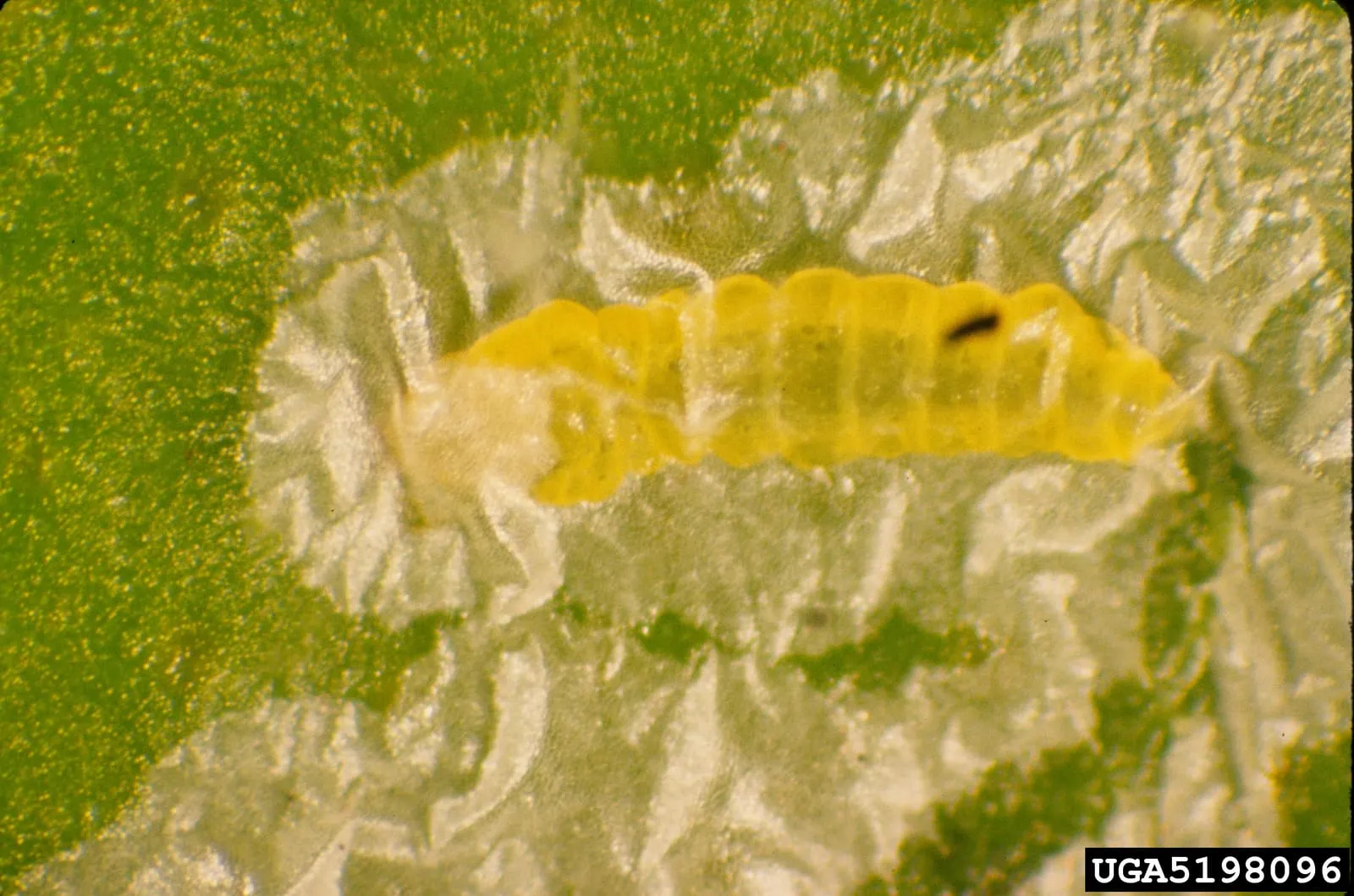
Phyllocnistis citrella
Tiny moth larvae tunnel inside young citrus leaves, leaving silvery serpentine trails. Damage is mostly cosmetic on mature trees but stunts new plantings.
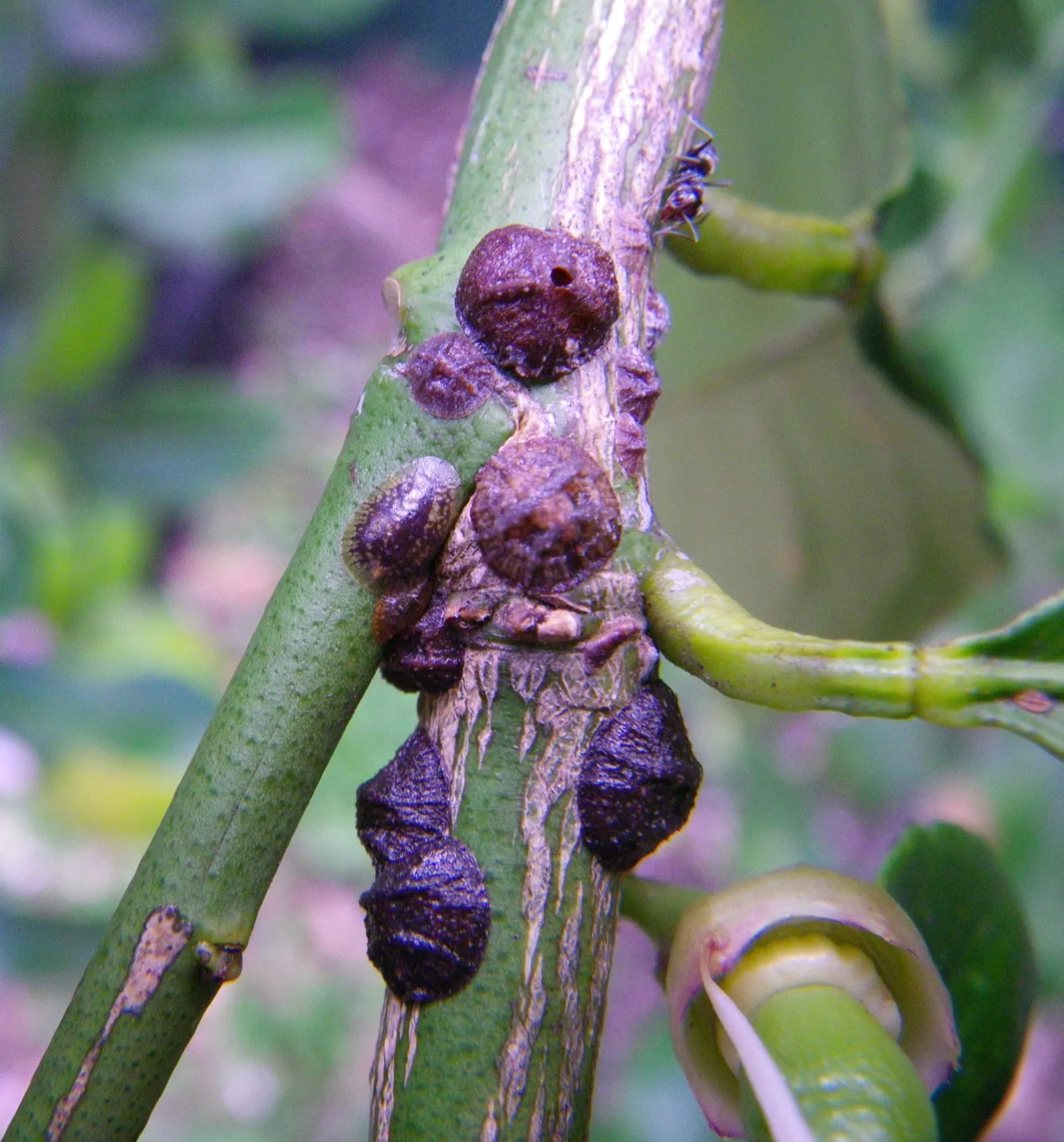
Coccoidea spp.
Sap-sucking insects that attach to bark, leaves, and fruit, secreting honeydew that fuels sooty mold. Heavy infestations weaken trees and cause leaf yellowing.
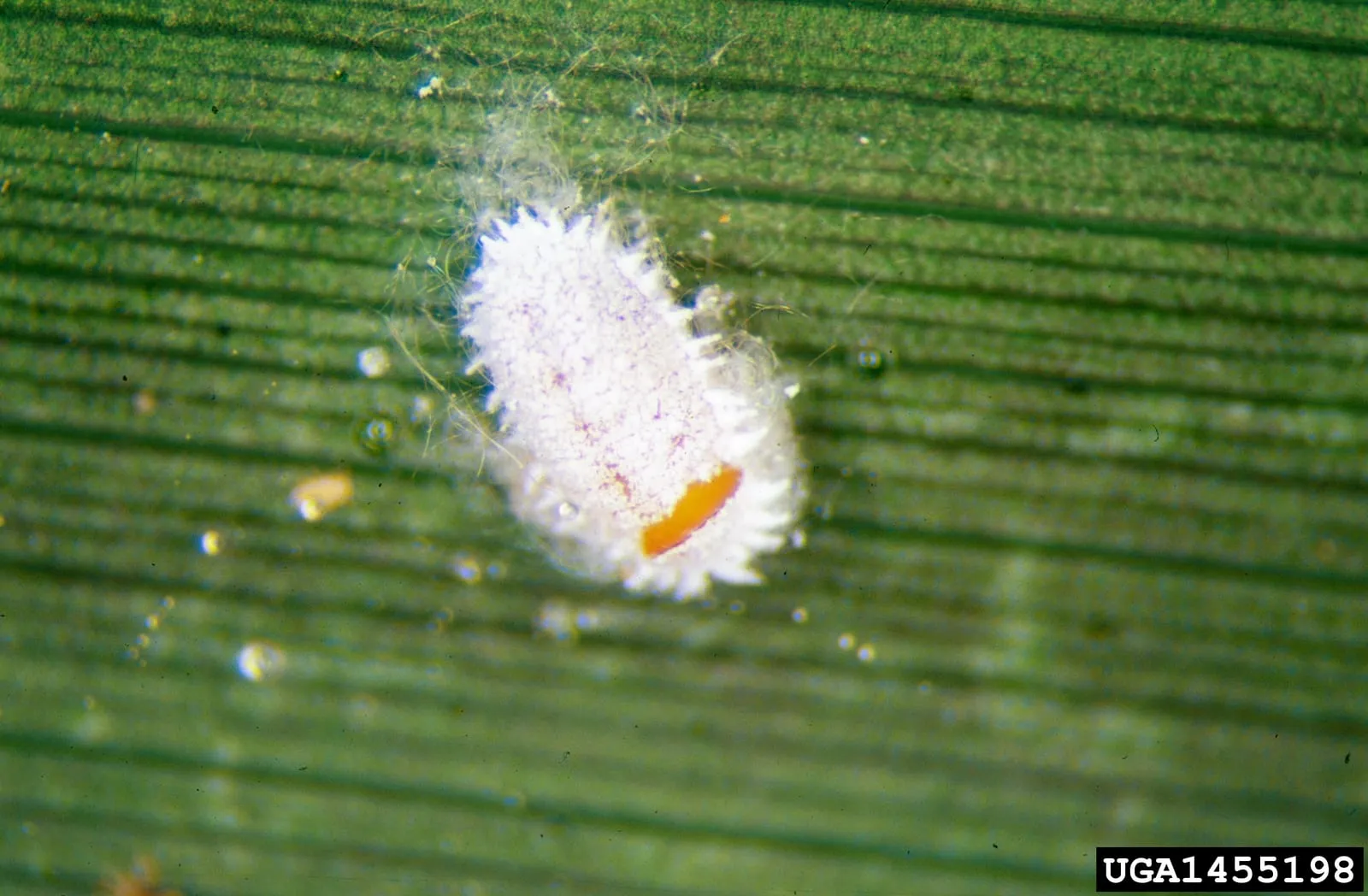
Pseudococcidae spp.
Soft white waxy insects that cluster at leaf joints, fruit stems, and root crowns. Honeydew secretion supports sooty mold; root mealybugs cause decline that mimics drought.
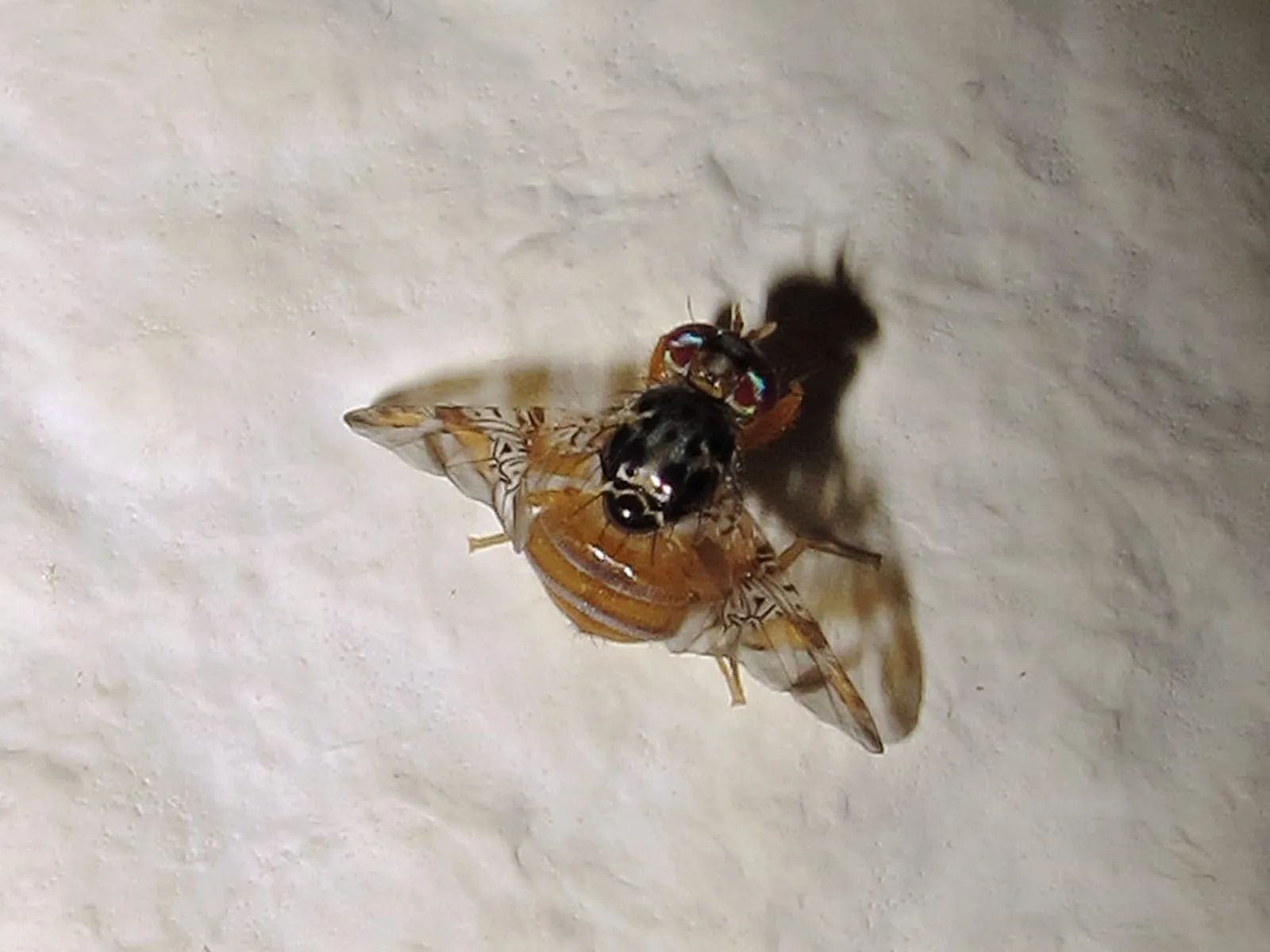
Ceratitis capitata
Quarantine pest in many regions. Adult females puncture ripening fruit to lay eggs; larvae tunnel through the flesh, causing premature drop and rot.
Common challenges
The three most consistent failure points for home lime growers are cold damage, citrus greening, and chronic waterlogging.
Cold damage is the primary limiting factor at zone boundaries. Persian lime is the most cold-tolerant of the three varieties listed here, surviving brief exposure to the low 30s with leaf drop but limited structural damage. Key lime is significantly less forgiving; temperatures below 30°F for more than two to three hours typically kill back young wood and can kill established trees outright. In zone 9b, any lime planting should be treated as frost-tender and actively protected when forecasts drop below 32°F.
Citrus greening (Huanglongbing, HLB), caused by the bacterium Candidatus Liberibacter asiaticus and vectored by the Asian citrus psyllid, is currently the most serious long-term threat to lime production in the southeastern United States. There is no cure. Infected trees decline over three to five years regardless of care. Management relies on psyllid control, early symptom detection (asymmetric yellowing, bitter misshapen fruit with off-colored seeds), and removal of confirmed infected trees. UF/IFAS Extension and UC ANR maintain current regional management guidance.
Waterlogging is frequently underestimated. Lime roots are shallow and intolerant of standing water for more than 24 to 48 hours. In sites with slow-draining subsoil, trees show chronic yellowing, poor vigor, and elevated susceptibility to secondary pathogens even when surface drainage appears adequate. Correct at planting; correcting afterward is difficult without significant root disturbance.
Frequently asked questions
- How many chill hours does lime require?
Lime requires between 0 and 50 chill hours (hours below 45°F), one of the lowest requirements among common fruit crops. The limiting factor is not dormancy but cold hardiness: lime needs continuous warmth, not a cool rest period. This is why it is restricted to the warmest USDA zones.
- How long does it take from flowering to harvest?
Lime typically reaches harvest quality 120 to 240 days after fruit set, depending on variety and climate. Persian (Bearss) lime is commonly harvested slightly green when full-sized; Key lime is picked as it transitions from deep green to yellow-green. Warmer conditions compress the timeline; cooler zone margins extend it.
- What USDA hardiness zones can grow lime outdoors?
Lime grows reliably outdoors in zones 9b through 11b. Persian lime performs acceptably in zone 9b with frost protection and a favorable microclimate. Key lime should be reserved for zones 10b and warmer. Container culture extends the range into cooler zones for growers able to move trees indoors during freeze events.
- Does lime need a pollinator tree?
No. Lime trees are self-fertile and set fruit without a second tree. A single tree produces adequately, though increased pollinator insect activity in plantings with multiple trees or nearby flowering plants can improve fruit set.
- What is the most serious disease threat to lime?
Citrus greening (Huanglongbing, HLB) is currently the most destructive disease affecting lime and all citrus. It is caused by a bacterium spread by the Asian citrus psyllid. There is no cure; infected trees must be removed. Psyllid control and early symptom scouting are the only practical management tools available to home growers.
- What is the difference between Key lime and Persian (Bearss) lime?
Persian lime is larger, seedless, and significantly more cold-tolerant, making it the standard choice for home gardens through zone 9b. Key lime is smaller, seedier, and distinctly more aromatic and acidic, with a perfumed quality that Persian lacks. Key lime requires zone 10b or warmer for reliable outdoor production.
- Can lime be grown in a container in cooler climates?
Yes. A minimum 25-gallon container with fast-draining potting mix allows lime to be grown in zones cooler than 9b, provided the tree is moved to a frost-free location when temperatures are forecast below 32°F. Expect yields lower than in-ground trees, and repot every three to four years as roots fill the container.
+−
+−
+−
+−
+−
+−
+−
Sources
- [1] UF/IFAS Extension: Tahiti Lime Production
- [2] UC ANR: Citrus Variety Collection
Image: "Citrus aurantifolia leaves", by Vinayaraj, via Wikimedia Commons, licensed under CC-BY. Source.

Lime by zone
Related