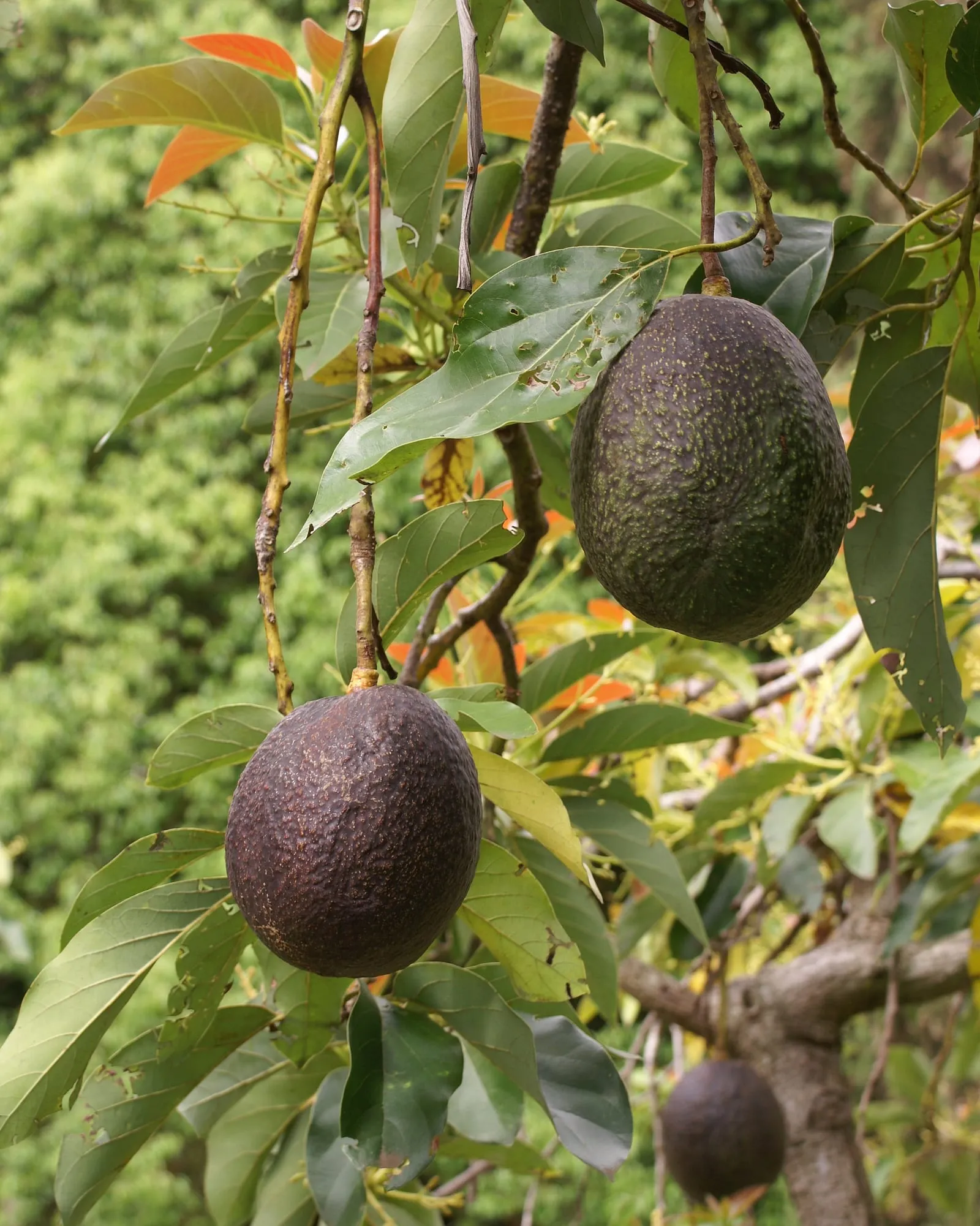
fruit tree
Avocado
Persea americana
USDA hardiness range
- Zones
- 9b–11b
- Chill hours
- 0 to 100 below 45°F
- Days to harvest
- 180 to 365
- Sun
- Full
- Water
- Moderate
- Lifespan
- 50 to 100 years
Growing avocado
Avocado (Persea americana) earns its place in zones 9b through 11b, where temperatures rarely drop below 25 to 28°F for sustained periods. The crop is essentially frost-intolerant: mature trees may survive brief exposure to 26 to 30°F depending on variety, but young trees and flower buds are damaged well before that threshold. The gap between a productive avocado planting and a failed one often comes down to microclimate rather than broad zone assignment alone.
Chill-hour requirements are minimal (0 to 100 hours below 45°F), which suits mild coastal climates and frost-free tropical zones far better than inland areas with occasional hard winters. In southern California coastal zones, consistent moderate temperatures support year-round production from varieties like Hass. In southern Florida (zones 10 through 11), the challenge shifts from cold exposure to humidity-driven disease pressure.
Flowering type is more consequential than many growers expect. Hass is Type A; Fuerte is Type B. Planting complementary types substantially improves fruit set compared to a single-variety block. Bacon offers the widest cold tolerance of the three, rated to 24°F, making it the practical first choice in zone 9b where brief hard freezes still occur.
The tree is long-lived (50 to 100 years) but characteristically slow to bear commercially. Days to meaningful harvest range from 180 to 365, and grafted trees typically need three to four seasons before consistent production. Site and variety selection should reflect that timeline.
Recommended varieties
See all 4 →4 cultivars for home growers, with notes on flavor, ripening, and disease resistance.
| Variety | Notes | Zone fit | Disease resistance |
|---|---|---|---|
| Hass | Pebbly black skin and rich nutty oily flesh; the standard premium avocado. Type A flowering; bears year-round in coastal California. | | none noted |
| Fuerte | Smooth green skin with creamy mild flesh; the original commercial avocado. Type B flowering pairs well with Hass for cross-pollination. | | none noted |
| Bacon | Watery green-skinned cool-climate avocado with mild flavor; the practical choice in marginal zones. Cold-tolerant to 24°F. | | none noted |
| Reed | Large round green avocado with rich buttery flesh; bears summer when most varieties don't. Type A; pairs with Bacon or Fuerte. | | none noted |
Soil and site requirements
Drainage is the non-negotiable site requirement. Phytophthora root rot, caused by the water mold Phytophthora cinnamomi, is the leading cause of avocado failure in home plantings, and it establishes rapidly in soils that hold moisture. Avocado should not be planted anywhere that retains standing water after rain or irrigation, even briefly. According to the UC ANR Avocado Production Manual, planting on raised berms or sloped ground is the most reliable prevention available.
Soil pH between 6.0 and 7.0 suits avocado best. Outside that range, uptake of iron and zinc becomes unreliable, and deficiency symptoms can be misread as disease. A soil test before planting allows targeted amendment rather than guesswork.
Full sun exposure is required for productive yields. In coastal California, afternoon sea breezes moderate temperatures but may marginally reduce fruit set compared to warmer, sheltered inland microclimates. In Florida, positioning trees to break wind from storm exposure becomes a secondary consideration.
Spacing for home plantings typically starts at 20 to 30 feet between trees. Tighter spacing is used in commercial high-density systems but requires consistent pruning to manage canopy overlap and humidity, both of which affect fungal disease pressure.
In zone 9b, south- or west-facing slopes with frost protection from structures or established trees give cold-marginal varieties a meaningful survival advantage during infrequent but damaging freeze events.
Common diseases
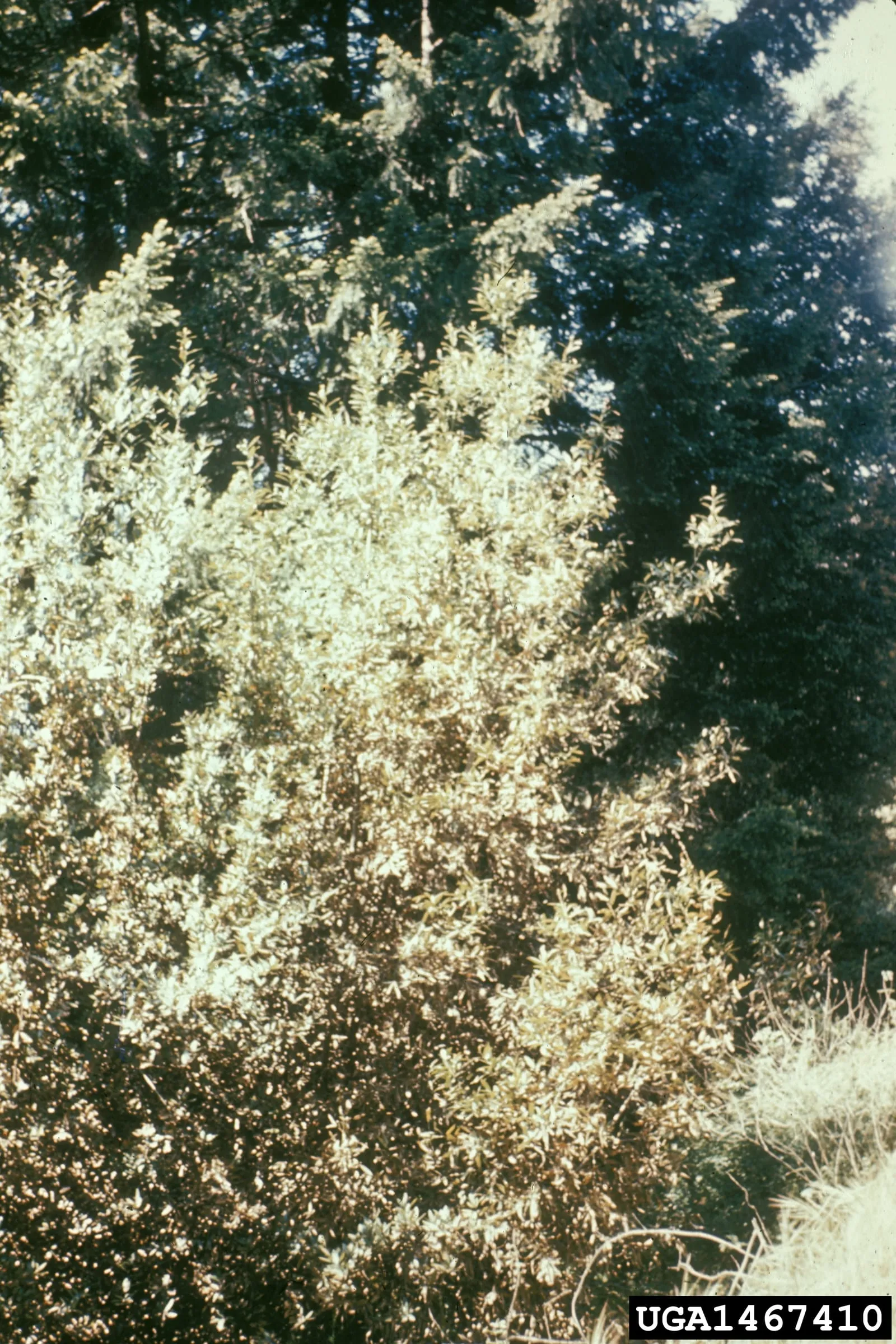
Colletotrichum gloeosporioides
Most damaging mango disease worldwide. Fungal spores infect blossoms and developing fruit during humid weather, producing black sunken lesions that expand on ripening fruit.
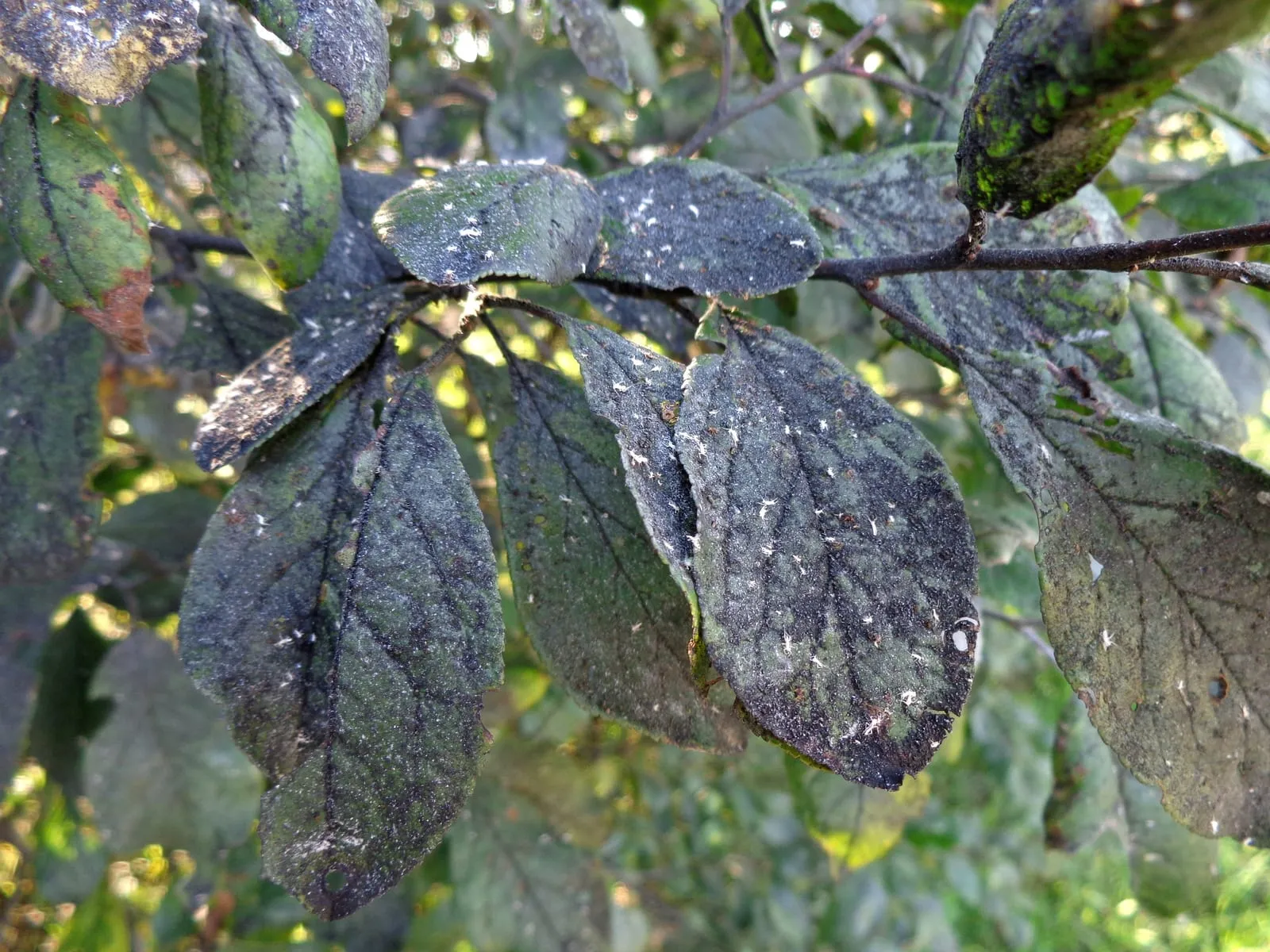
Capnodium spp.
Black fungal coating that grows on honeydew secreted by aphids, scale, mealybugs, and whiteflies. Doesn't infect plant tissue directly but blocks photosynthesis and disfigures fruit.
Common pests
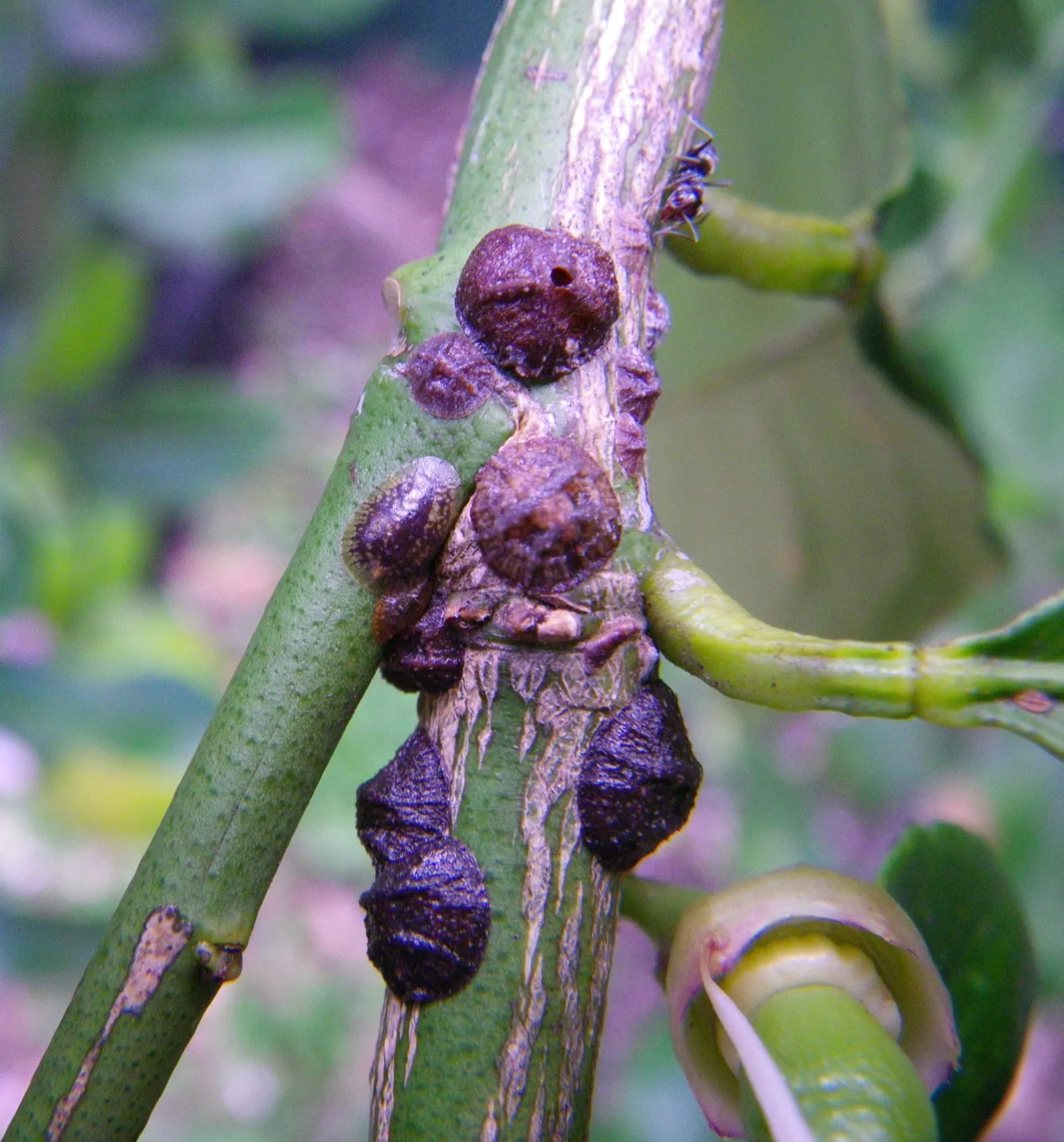
Coccoidea spp.
Sap-sucking insects that attach to bark, leaves, and fruit, secreting honeydew that fuels sooty mold. Heavy infestations weaken trees and cause leaf yellowing.
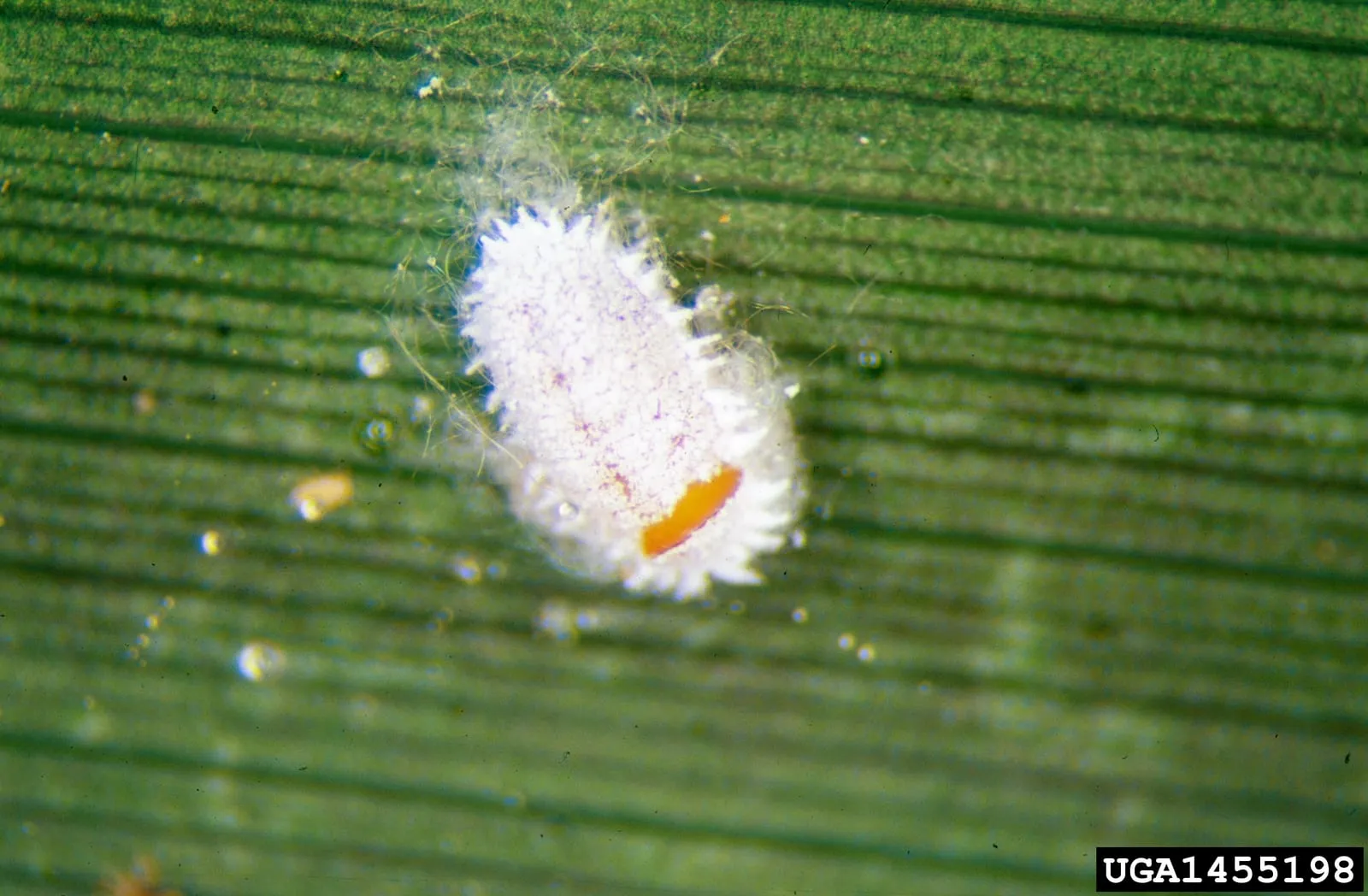
Pseudococcidae spp.
Soft white waxy insects that cluster at leaf joints, fruit stems, and root crowns. Honeydew secretion supports sooty mold; root mealybugs cause decline that mimics drought.
Common challenges
Three failure modes account for most avocado losses in home plantings.
Phytophthora root rot is the most consistent killer. The pathogen thrives in saturated soil and spreads through contaminated irrigation water or runoff. Visible symptoms begin as leaf yellowing and tip burn, progressing to branch dieback as the root system is destroyed below grade. Prevention is the primary control: raised beds or mounded planting sites, no overhead irrigation, and clear drainage paths. Once established in a planting site, the pathogen persists for years (UC ANR Avocado Production Manual).
Frost at the wrong time is the second most common failure in zones 9b and 10a. Zone 9b growers typically see several nights per decade drop below 28°F, enough to kill young trees outright and severely damage older ones. Hass struggles below 28 to 30°F; Bacon tolerates down to 24°F. Frost cloth over young trees during the first three winters and careful microclimate selection reduce risk substantially. Flowering occurs in late winter to early spring, and even a brief freeze during bloom will eliminate that season's crop regardless of tree health.
Pollination gaps reduce yields more often than growers recognize. Avocado uses synchronous dichogamy: Type A flowers open as female in the morning and as male in the afternoon; Type B flowers reverse that cycle. A Hass-only planting will produce some fruit through self-pollination, but yields improve measurably when a Type B variety such as Fuerte is planted within pollinator range. UF/IFAS guidelines for Florida home plantings specifically recommend including both types wherever space allows.
Frequently asked questions
- What chill-hour requirement does avocado have?
Avocado requires between 0 and 100 chill hours (hours below 45°F), making it one of the lowest-chill fruit crops available. This suits mild coastal climates and frost-free subtropical zones where winter temperatures stay above freezing. Cold-temperate zones that accumulate significant winter chill are generally unsuitable for reliable avocado production.
- How long does it take an avocado tree to produce fruit?
Days to first harvest typically range from 180 to 365, but that window applies to grafted nursery trees already several seasons old. Most grafted avocados need three to four years of establishment before consistent annual crops. Seed-grown trees take considerably longer and produce unpredictably.
- Which USDA hardiness zones are suitable for avocado?
Avocado grows reliably in zones 9b through 11b. Zone 9b is marginal: hard freeze events occur occasionally and cold-tolerant varieties such as Bacon are strongly preferred there. Zones 10 and above offer more consistent production, though Florida's zones 10 to 11 introduce higher disease and humidity pressure compared to California's coastal equivalents.
- Does avocado need a pollinator variety?
Avocado does not strictly require a second tree, but planting complementary flowering types substantially improves fruit set. Type A varieties (including Hass) and Type B varieties (including Fuerte) open their flowers on offset schedules that encourage cross-pollination. A single-variety planting self-pollinates partially but tends to produce lighter crops.
- What is the most serious disease risk for avocado?
Phytophthora root rot, caused by the water mold Phytophthora cinnamomi, is the leading disease threat. It establishes in poorly drained soils and spreads through contaminated water. There is no reliable chemical cure once a tree is infected, so site preparation (raised beds, slope planting, no standing water) is the primary management strategy according to UC ANR guidelines.
- Which avocado variety is most cold-tolerant?
Bacon is the most cold-tolerant of the widely available varieties, rated to approximately 24°F. It produces mild-flavored green-skinned fruit and is the practical first choice for growers in zone 9b or other frost-marginal locations. Fuerte and Hass have lower cold tolerance, with Hass generally considered the most frost-sensitive of the three.
- Can avocado be grown in a container?
Avocado can be kept in a large container for several years, which allows growers in frost-prone zones to move the tree indoors during cold snaps. Container culture limits ultimate tree size and yield considerably, and Phytophthora root rot risk actually increases in containers with poor drainage. Long-term production in a container is limited compared to in-ground planting in a suitable climate.
+−
+−
+−
+−
+−
+−
+−
Sources
- [1] UC ANR: Avocado Production Manual
- [2] UF/IFAS: Avocado Growing in the Florida Home Landscape
Image: "Persea americana fruit 2", by B.navez, via Wikimedia Commons, licensed under CC-BY. Source.

Avocado by zone
Related