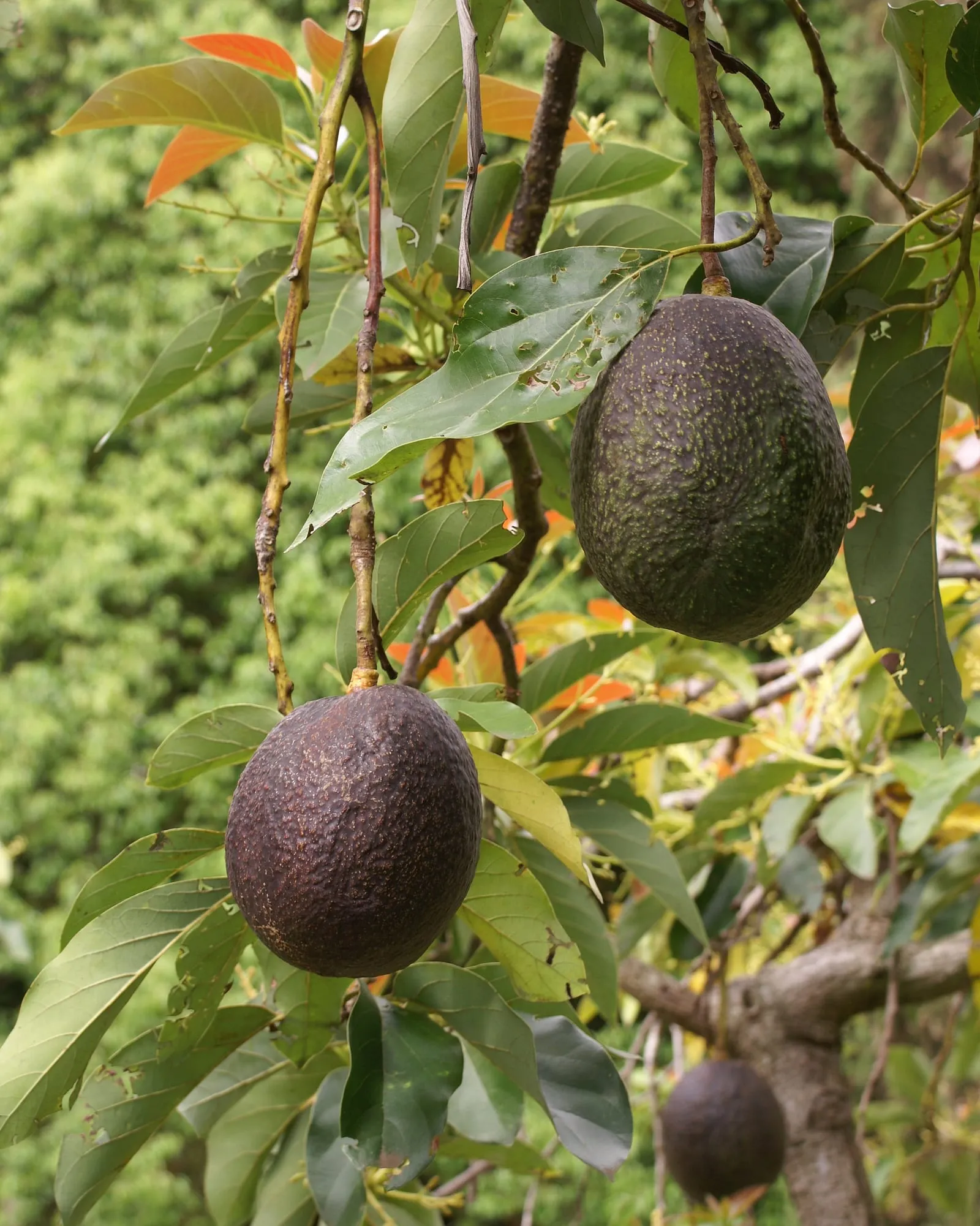
fruit tree in zone 9b
Growing avocado in zone 9b
Persea americana
- Zone
- 9b 25°F to 30°F
- Growing season
- 310 days
- Chill needed
- 0 to 100 below 45°F
- Suitable varieties
- 4
- Days to harvest
- 180 to 365
The verdict
Zone 9b, with minimum temperatures of 25 to 30°F and a 310-day growing season, sits squarely within the productive range for avocado. The crop's chill-hour requirement of 0 to 100 hours is easily met in zone 9b without the surplus accumulation that signals colder, less suitable zones. Established Hass trees tolerate brief dips to around 28°F; Bacon and Fuerte show slightly broader cold tolerance and are worth considering in locations that see the lower end of the 9b range.
This is not a marginal zone for avocado. Zone 8b, where freezes below 20°F are possible, creates genuine survival risk for mature trees; zone 10 introduces the opposite problem of insufficient chilling and persistent heat stress. Zone 9b avoids both. Coastal sites in zone 9b add salt spray as a complicating variable, and younger trees anywhere in the zone warrant frost protection in the first two winters. Beyond that, the zone's long frost-free window and mild winters suit the crop well.
Recommended varieties for zone 9b
4 cultivars suited to this zone, with disease-resistance and zone-fit annotations.
| Variety | Notes | Zone fit | Disease resistance |
|---|---|---|---|
| Hass fits zone 9b | Pebbly black skin and rich nutty oily flesh; the standard premium avocado. Type A flowering; bears year-round in coastal California. | | none noted |
| Fuerte fits zone 9b | Smooth green skin with creamy mild flesh; the original commercial avocado. Type B flowering pairs well with Hass for cross-pollination. | | none noted |
| Bacon fits zone 9b | Watery green-skinned cool-climate avocado with mild flavor; the practical choice in marginal zones. Cold-tolerant to 24°F. | | none noted |
| Reed fits zone 9b | Large round green avocado with rich buttery flesh; bears summer when most varieties don't. Type A; pairs with Bacon or Fuerte. | | none noted |
Critical timing for zone 9b
Avocado bloom in zone 9b typically runs from late January through April, with peak flowering in February and March for most varieties. Hass is a type-A flowering variety, opening female in the morning and male in the afternoon on alternating days; pairing it with a type-B variety (Fuerte or Bacon flower on the opposite cycle) improves cross-pollination and fruit set.
Zone 9b's frost window generally closes by early March, so most of the bloom period clears cold-snap risk. Late-season cold events in March can damage open flowers at temperatures below 30°F, though these are uncommon. Fruit requires 12 to 18 months to mature after pollination. For Hass, that places harvest from late spring through fall; Fuerte and Bacon typically ripen from winter into spring, offering a complementary harvest window.
Common challenges in zone 9b
- ▸ Heat stress in summer
- ▸ Insufficient chill for most apples
- ▸ Salt spray near coasts
Disease pressure to watch for
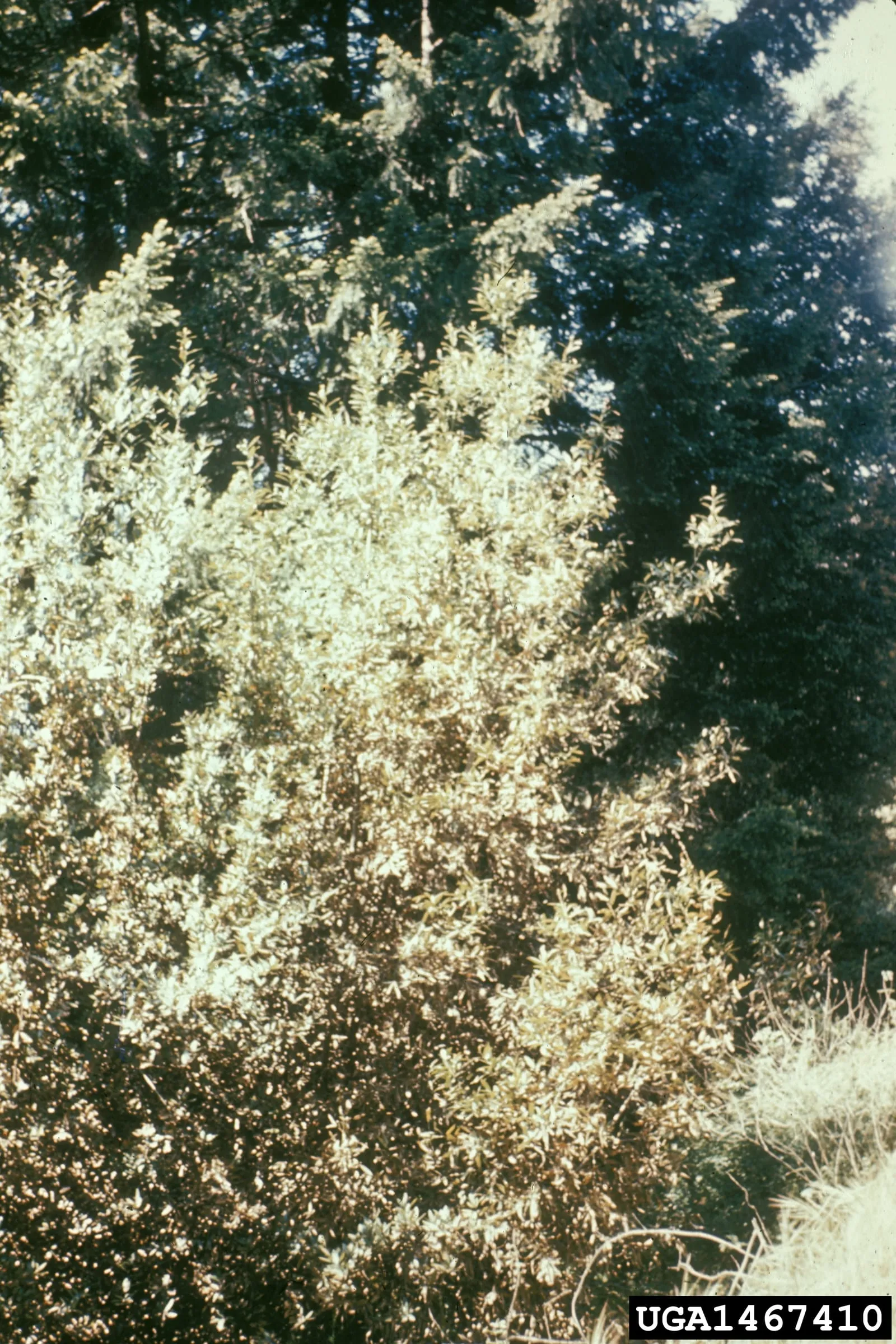
Colletotrichum gloeosporioides
Most damaging mango disease worldwide. Fungal spores infect blossoms and developing fruit during humid weather, producing black sunken lesions that expand on ripening fruit.
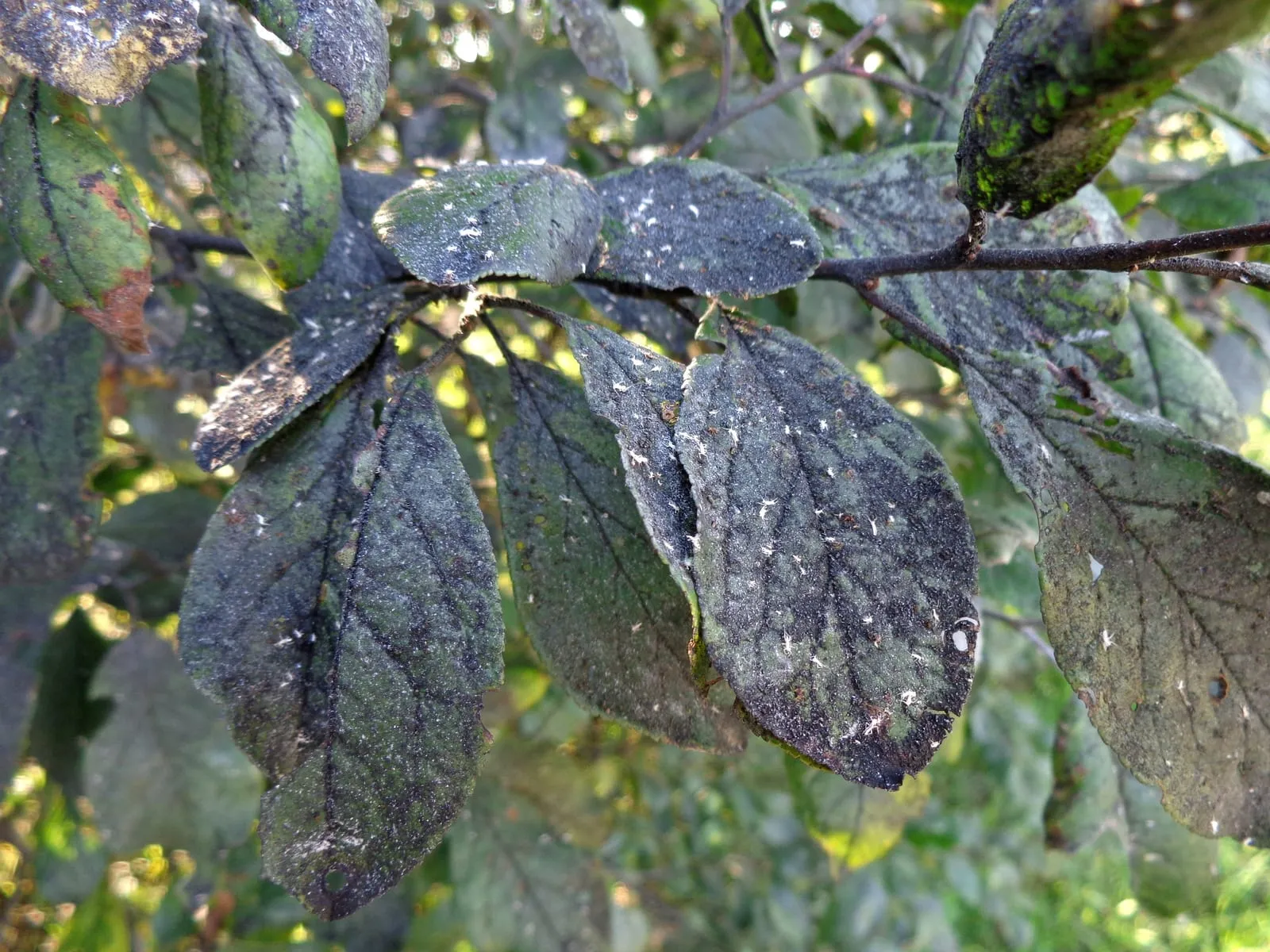
Capnodium spp.
Black fungal coating that grows on honeydew secreted by aphids, scale, mealybugs, and whiteflies. Doesn't infect plant tissue directly but blocks photosynthesis and disfigures fruit.
Modified care for zone 9b
Summer heat is the primary care adjustment in zone 9b. Deep, infrequent irrigation during heat events supports root health better than frequent shallow watering, and the approach also reduces conditions favorable to Phytophthora root rot, which proliferates in saturated soils. Planting on well-draining ground or a slight berm is standard practice; flat, clay-heavy sites present chronic root rot risk regardless of irrigation discipline.
Mulching the root zone (kept a few inches away from the trunk) moderates soil temperature and slows moisture loss during summer. Coastal zone 9b sites accumulate salt in the root zone over time; periodic deep watering helps leach it. Sooty mold, common on avocado foliage in warmer zones, is a secondary problem that follows aphid, scale, and whitefly infestations. Treating the insect population addresses the mold; direct fungicide application to sooty mold is not effective as a stand-alone measure.
Avocado in adjacent zones
Image: "Persea americana fruit 2", by B.navez, via Wikimedia Commons, licensed under CC-BY Source.

Related