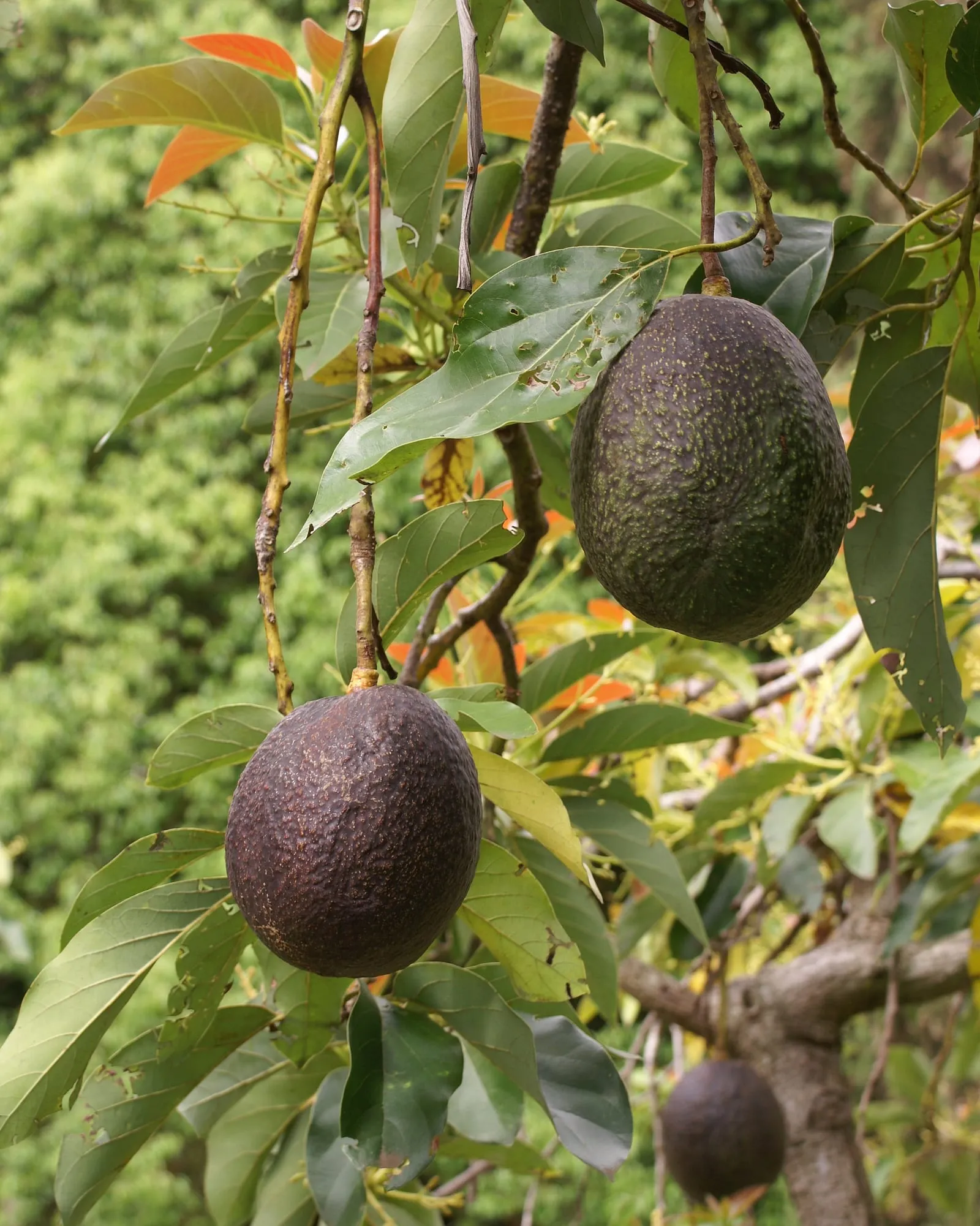
fruit tree in zone 10a
Growing avocado in zone 10a
Persea americana
- Zone
- 10a 30°F to 35°F
- Growing season
- 340 days
- Chill needed
- 0 to 100 below 45°F
- Suitable varieties
- 4
- Days to harvest
- 180 to 365
The verdict
Zone 10a is a genuine sweet spot for avocado, not a marginal case. Avocados require between 0 and 100 chill hours depending on variety, and zone 10a delivers that range comfortably without the risk of extended cold that can damage fruit or foliage. The 340-day growing season accommodates the long fruit development cycle that most varieties need, often 12 to 18 months from flower to harvest.
The zone's winter low range of 30 to 35°F sits right at the tolerance floor for established trees of cold-hardier selections like Fuerte and Bacon. Hass and Reed prefer temperatures that stay above 32°F, so growers in the cooler portions of zone 10a should site trees on south-facing slopes or near thermal mass. Young trees under three years are more vulnerable to brief freezes than established ones, so protection during the first winters matters more than it will later.
Recommended varieties for zone 10a
4 cultivars suited to this zone, with disease-resistance and zone-fit annotations.
| Variety | Notes | Zone fit | Disease resistance |
|---|---|---|---|
| Hass fits zone 10a | Pebbly black skin and rich nutty oily flesh; the standard premium avocado. Type A flowering; bears year-round in coastal California. | | none noted |
| Fuerte fits zone 10a | Smooth green skin with creamy mild flesh; the original commercial avocado. Type B flowering pairs well with Hass for cross-pollination. | | none noted |
| Bacon fits zone 10a | Watery green-skinned cool-climate avocado with mild flavor; the practical choice in marginal zones. Cold-tolerant to 24°F. | | none noted |
| Reed fits zone 10a | Large round green avocado with rich buttery flesh; bears summer when most varieties don't. Type A; pairs with Bacon or Fuerte. | | none noted |
Critical timing for zone 10a
Avocado bloom in zone 10a typically runs from January through March, with peak flowering often in February. This timing is earlier than in cooler zones, and it generally falls outside the zone's rare frost window, reducing cold-damage risk to open flowers. Hass and Fuerte are type-A and type-B pollinators respectively, and pairing them improves fruit set reliably.
Harvest windows vary by variety: Fuerte and Bacon mature from late fall through early spring, while Hass runs spring through summer and Reed peaks in midsummer. The 340-day growing season means multiple varieties can be staged to provide fruit across a long window. Unlike temperate stone fruits, avocados hold well on the tree, giving growers flexibility on harvest timing.
Common challenges in zone 10a
- ▸ No chilling for traditional temperate fruit
- ▸ Hurricane exposure
- ▸ Heat-tolerant cultivars only
Disease pressure to watch for
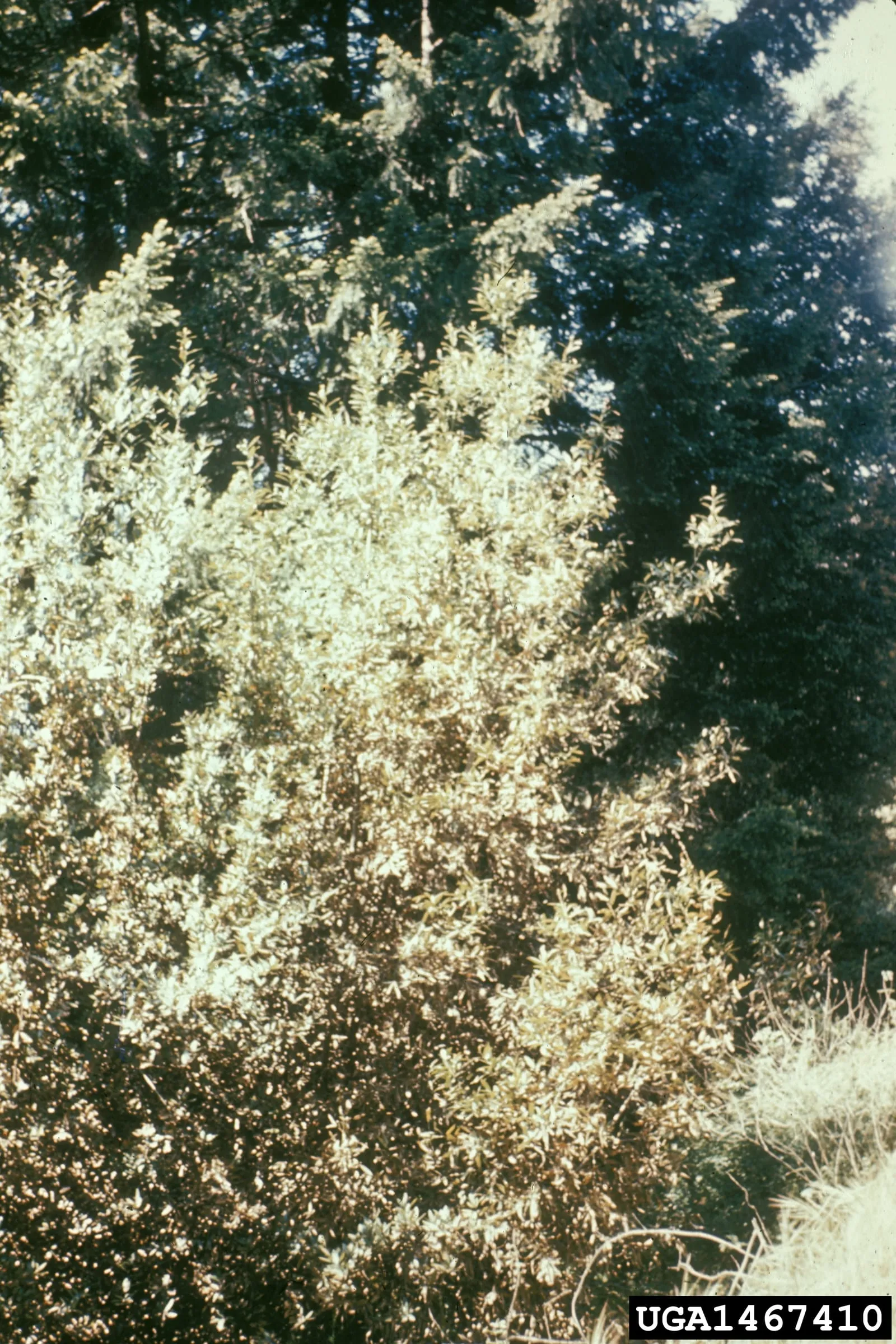
Colletotrichum gloeosporioides
Most damaging mango disease worldwide. Fungal spores infect blossoms and developing fruit during humid weather, producing black sunken lesions that expand on ripening fruit.
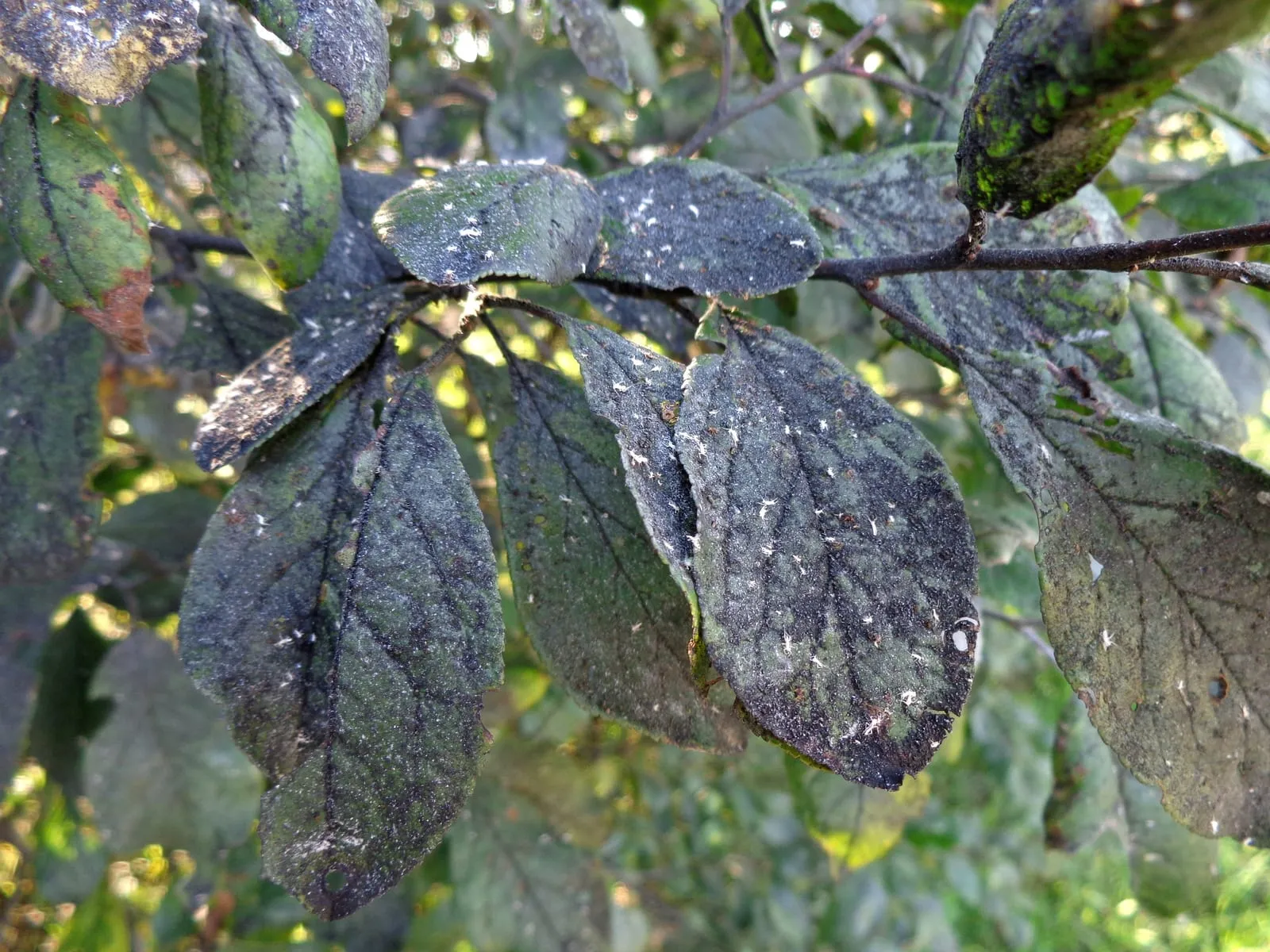
Capnodium spp.
Black fungal coating that grows on honeydew secreted by aphids, scale, mealybugs, and whiteflies. Doesn't infect plant tissue directly but blocks photosynthesis and disfigures fruit.
Modified care for zone 10a
Phytophthora root rot is the primary disease threat in zone 10a, particularly where soils are heavy or irrigation is frequent. Planting on raised beds or mounded soil and using a well-drained substrate is not optional in this climate; it is the baseline. Avoid overwatering, especially in the wet season, and apply phosphonate-based fungicides preventively in high-risk sites.
Sooty mold follows scale and aphid pressure, which runs higher in warm, humid zones. Monitor for honeydew-producing insects and treat the pest rather than the mold. Hurricane exposure is a real structural concern; stake young trees and prune for an open canopy that lets wind pass rather than catch. No supplemental winter protection is normally needed for established trees unless a rare hard freeze is forecast below 28°F.
Frequently asked questions
- Can Hass avocado survive the occasional frost in zone 10a?
Established Hass trees can tolerate brief dips to 30 to 32°F, but prolonged exposure below 28°F causes significant damage. In zone 10a, where winter lows typically stay between 30 and 35°F, mature Hass trees usually come through with minor tip burn at worst. Young trees need protection during the first two or three winters.
- Do avocados need a pollinator in zone 10a?
Avocados produce more fruit with a cross-pollinator. Hass is a type-A variety; pairing it with a type-B variety like Fuerte or Bacon improves set noticeably. A single tree will bear some fruit, but yields are typically lower without the complementary type nearby.
- What is the biggest disease risk for avocado in zone 10a?
Phytophthora root rot is the leading killer of avocados in warm, humid zones. It thrives in waterlogged soil and can kill a tree within a season once established. Sharp drainage and careful irrigation scheduling are the primary defenses.
+−
+−
+−
Avocado in adjacent zones
Image: "Persea americana fruit 2", by B.navez, via Wikimedia Commons, licensed under CC-BY Source.

Related