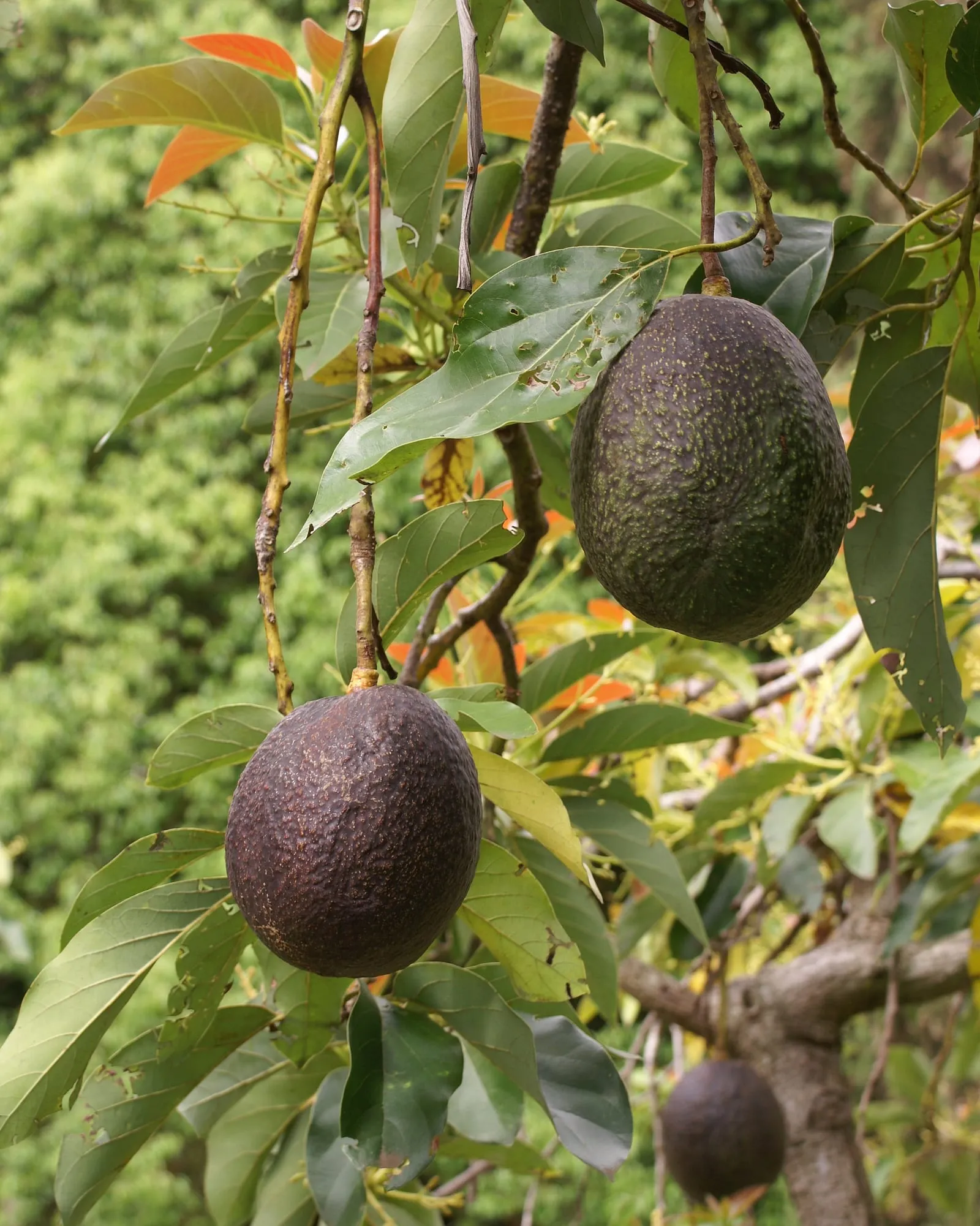
fruit tree in zone 10b
Growing avocado in zone 10b
Persea americana
- Zone
- 10b 35°F to 40°F
- Growing season
- 365 days
- Chill needed
- 0 to 100 below 45°F
- Suitable varieties
- 4
- Days to harvest
- 180 to 365
The verdict
Zone 10b is a genuine sweet spot for avocado, not a marginal case. The crop's chill-hour requirement of 0 to 100 hours is easily satisfied even in the warmest winters zone 10b produces, and the 365-day frost-free growing season eliminates the cold-damage risk that limits avocado cultivation in cooler zones. Minimum winter temperatures of 35 to 40°F stay comfortably above the 28 to 30°F threshold where most avocado varieties begin experiencing foliar and fruit damage.
Hass, the dominant commercial variety, performs well here, as do Fuerte, Bacon, and Reed, each with slightly different harvest windows that can be staggered for extended supply. The primary limiting factors in zone 10b are not temperature but soil conditions (particularly drainage) and the intensifying pest and disease pressure that comes with a year-round warm climate. Growers who address those constraints reliably produce full crops.
Recommended varieties for zone 10b
4 cultivars suited to this zone, with disease-resistance and zone-fit annotations.
| Variety | Notes | Zone fit | Disease resistance |
|---|---|---|---|
| Hass fits zone 10b | Pebbly black skin and rich nutty oily flesh; the standard premium avocado. Type A flowering; bears year-round in coastal California. | | none noted |
| Fuerte fits zone 10b | Smooth green skin with creamy mild flesh; the original commercial avocado. Type B flowering pairs well with Hass for cross-pollination. | | none noted |
| Bacon fits zone 10b | Watery green-skinned cool-climate avocado with mild flavor; the practical choice in marginal zones. Cold-tolerant to 24°F. | | none noted |
| Reed fits zone 10b | Large round green avocado with rich buttery flesh; bears summer when most varieties don't. Type A; pairs with Bacon or Fuerte. | | none noted |
Critical timing for zone 10b
In zone 10b, avocado bloom typically runs from January through March, varying by variety. Fuerte and Bacon are earlier-blooming and tend to set fruit that matures through winter into early spring of the following year. Hass and Reed bloom slightly later and yield summer to early fall harvests, with Hass generally peaking May through August and Reed maturing July through September.
Because zone 10b carries effectively zero frost risk during bloom, the cold-damage calculus that dominates avocado timing decisions in zones 9a through 10a is largely irrelevant here. The more relevant timing concern is irrigation scheduling around bloom: dry conditions during flowering can improve fruit set, but water stress must be carefully managed so it doesn't carry into early fruit development.
Common challenges in zone 10b
- ▸ No winter chill
- ▸ Tropical pest and disease pressure
- ▸ Saltwater intrusion in coastal soils
Disease pressure to watch for
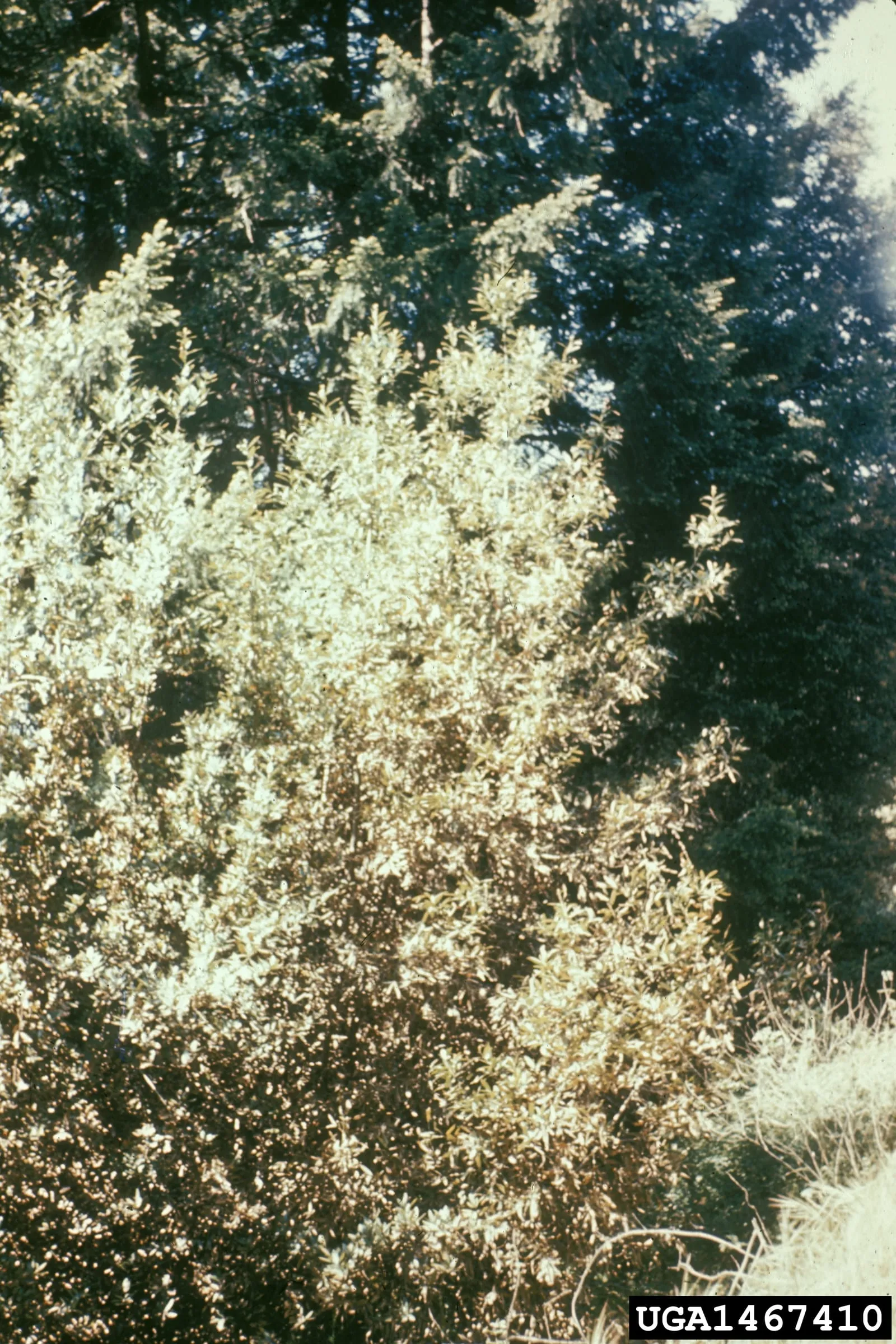
Colletotrichum gloeosporioides
Most damaging mango disease worldwide. Fungal spores infect blossoms and developing fruit during humid weather, producing black sunken lesions that expand on ripening fruit.
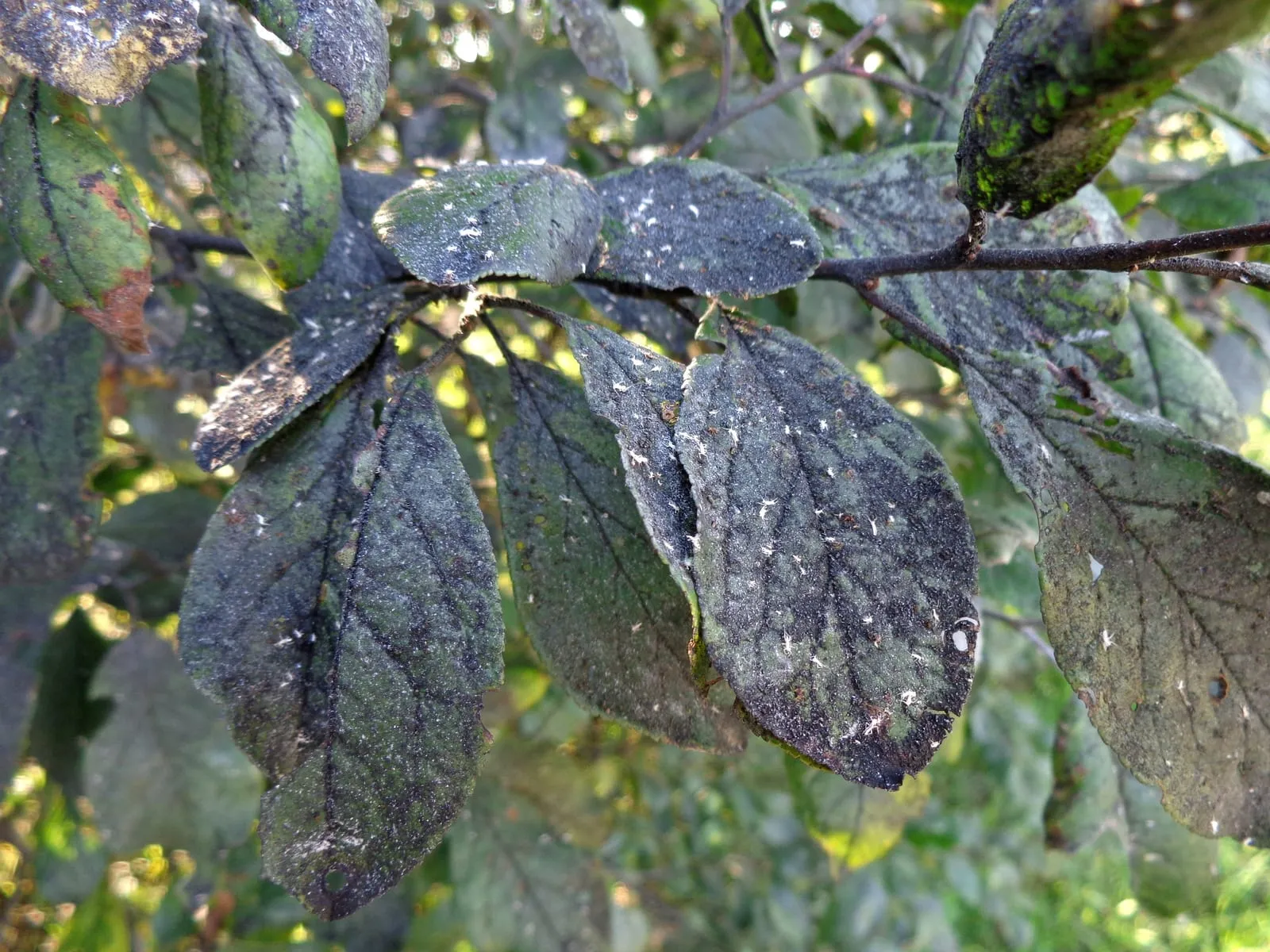
Capnodium spp.
Black fungal coating that grows on honeydew secreted by aphids, scale, mealybugs, and whiteflies. Doesn't infect plant tissue directly but blocks photosynthesis and disfigures fruit.
Modified care for zone 10b
The most consequential care adjustment in zone 10b is aggressive drainage management. Phytophthora root rot thrives in warm, wet, poorly drained soil, and zone 10b's combination of heat and irrigation demand creates exactly the conditions where it spreads fastest. Planting on raised berms, avoiding overhead irrigation, and mulching heavily around the root zone (but away from the trunk) are standard precautions that become non-negotiable in this zone.
In coastal areas, saltwater intrusion can raise soil sodium levels enough to cause tip burn and reduced vigor; a soil test before planting and periodic leaching irrigation help manage accumulation. Sooty mold, which grows on honeydew secreted by scale and whitefly, is more persistent year-round in zone 10b than in cooler climates, so monitoring for pest colonies and controlling them early prevents the secondary fungal problem from establishing.
Frequently asked questions
- Can Hass avocado produce reliably in zone 10b?
Yes. Hass requires 0 to 100 chill hours and zone 10b consistently delivers that. It is one of the most common commercial varieties grown in zone 10b regions of Southern California and South Florida, typically harvesting May through August.
- Does avocado need frost protection in zone 10b?
Rarely. Zone 10b minimum temperatures of 35 to 40°F stay above the damage threshold for established avocado trees. Young trees in their first season are more sensitive to any cold snap and benefit from a frost cloth on unusually cold nights, but this is an uncommon need.
- Why is Phytophthora root rot such a concern in warm zones?
Phytophthora cinnamomi is a water mold that spreads fastest in warm, saturated soil. Zone 10b's year-round warmth accelerates its lifecycle compared to cooler climates, so poor drainage that might cause only occasional problems in zone 9b can cause chronic infections in zone 10b.
- Can avocado be grown in coastal zone 10b soils affected by saltwater intrusion?
With management, yes. Avocado is moderately salt-sensitive. A baseline soil test before planting is advisable. Periodic deep irrigation to leach accumulated salts, combined with soil amendments to improve structure, can maintain acceptable growing conditions in mildly affected sites.
+−
+−
+−
+−
Avocado in adjacent zones
Image: "Persea americana fruit 2", by B.navez, via Wikimedia Commons, licensed under CC-BY Source.

Related