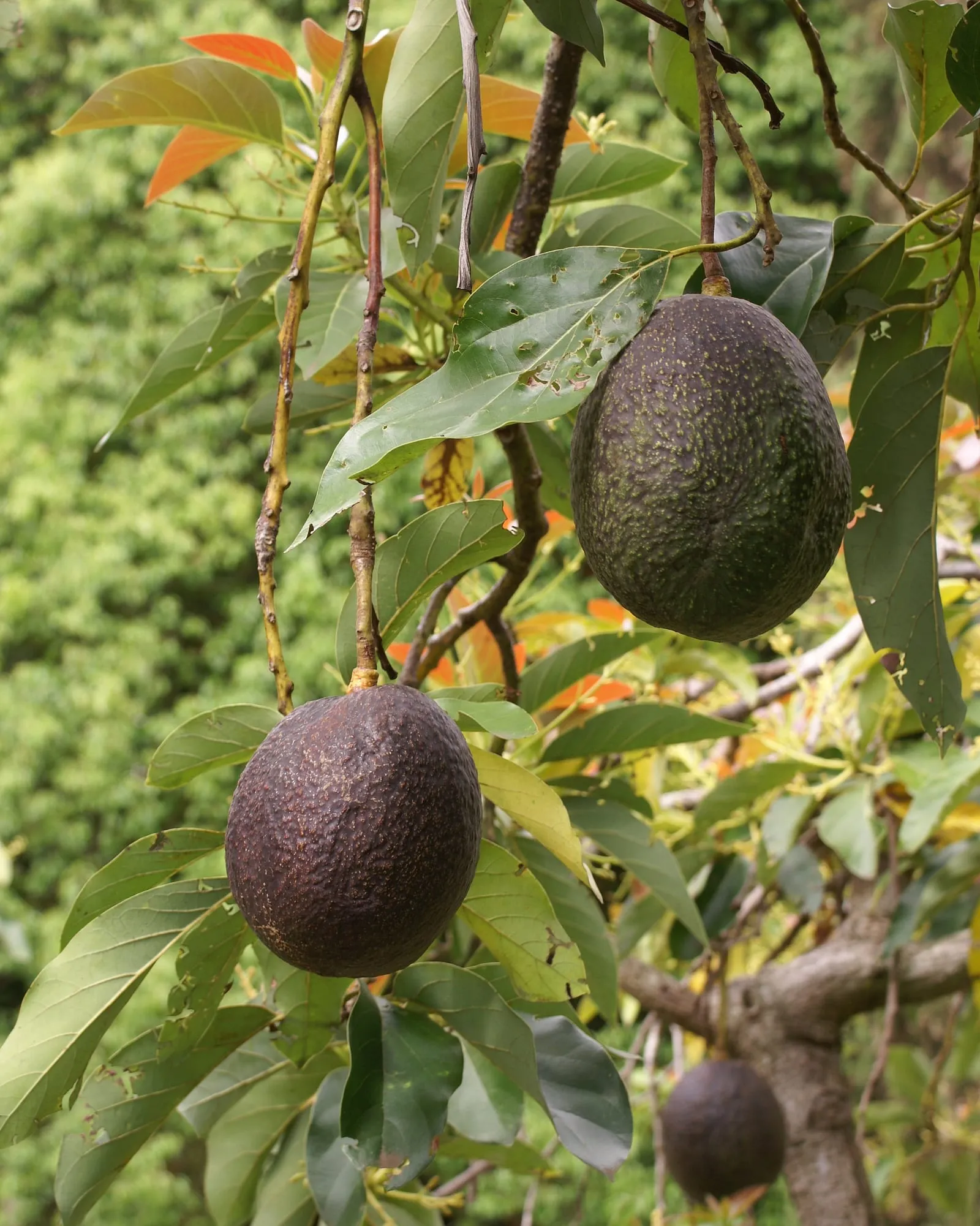
fruit tree in zone 11a
Growing avocado in zone 11a
Persea americana
- Zone
- 11a 40°F to 45°F
- Growing season
- 365 days
- Chill needed
- 0 to 100 below 45°F
- Suitable varieties
- 4
- Days to harvest
- 180 to 365
The verdict
Zone 11a is a strong match for avocado, not a marginal one. With minimum winter temperatures holding between 40 and 45°F, frost is essentially absent, removing the primary limiting factor for this tropical tree. Avocado's chill-hour requirement of 0 to 100 hours is satisfied even by mild zone 11a winters, meaning trees will break dormancy and set flower buds reliably without the cold accumulation that temperate crops depend on.
The 365-day growing season allows avocado to complete its long fruit development cycle without interruption. Hass, Fuerte, Bacon, and Reed all perform well here. The main constraints in zone 11a are not temperature-related but rather soil drainage (critical for Phytophthora management), irrigation consistency, and year-round pest vigilance. Growers coming from cooler zones should adjust expectations: the challenge is not protecting trees from cold but maintaining soil health and managing pests that never get a winter knockdown.
Recommended varieties for zone 11a
4 cultivars suited to this zone, with disease-resistance and zone-fit annotations.
| Variety | Notes | Zone fit | Disease resistance |
|---|---|---|---|
| Hass fits zone 11a | Pebbly black skin and rich nutty oily flesh; the standard premium avocado. Type A flowering; bears year-round in coastal California. | | none noted |
| Fuerte fits zone 11a | Smooth green skin with creamy mild flesh; the original commercial avocado. Type B flowering pairs well with Hass for cross-pollination. | | none noted |
| Bacon fits zone 11a | Watery green-skinned cool-climate avocado with mild flavor; the practical choice in marginal zones. Cold-tolerant to 24°F. | | none noted |
| Reed fits zone 11a | Large round green avocado with rich buttery flesh; bears summer when most varieties don't. Type A; pairs with Bacon or Fuerte. | | none noted |
Critical timing for zone 11a
Avocado bloom in zone 11a typically occurs between January and March, though Fuerte and Bacon often push earlier than Hass. Because zone 11a carries no meaningful frost risk during those months, bloom is rarely interrupted by cold events. This is a meaningful advantage over zone 9b and 10a plantings, where late frosts occasionally clip flower clusters.
Harvest timing varies substantially by variety. Hass fruit set in spring typically reaches maturity between April and September of the following year, as avocados remain on the tree for 12 to 18 months after fruit set. Reed matures later, often August through October. Fuerte and Bacon are earlier, with a winter-to-spring harvest window. In zone 11a's continuous growing season, multiple harvest windows across varieties can overlap, which spreads workload and reduces the risk of a single crop failure affecting the entire planting.
Common challenges in zone 11a
- ▸ No temperate fruit potential
- ▸ Year-round pest pressure
- ▸ Specialized crop selection
Disease pressure to watch for
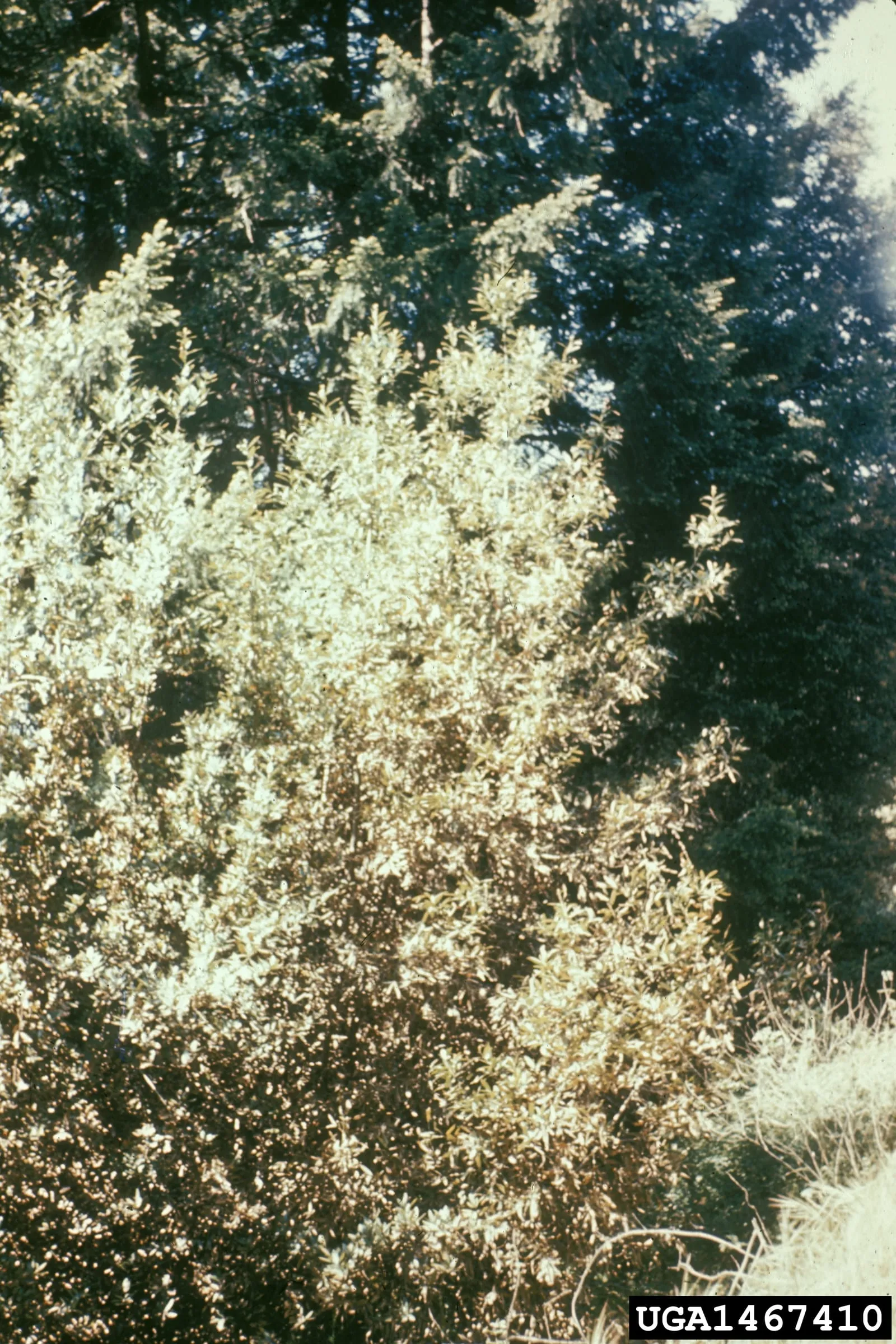
Colletotrichum gloeosporioides
Most damaging mango disease worldwide. Fungal spores infect blossoms and developing fruit during humid weather, producing black sunken lesions that expand on ripening fruit.
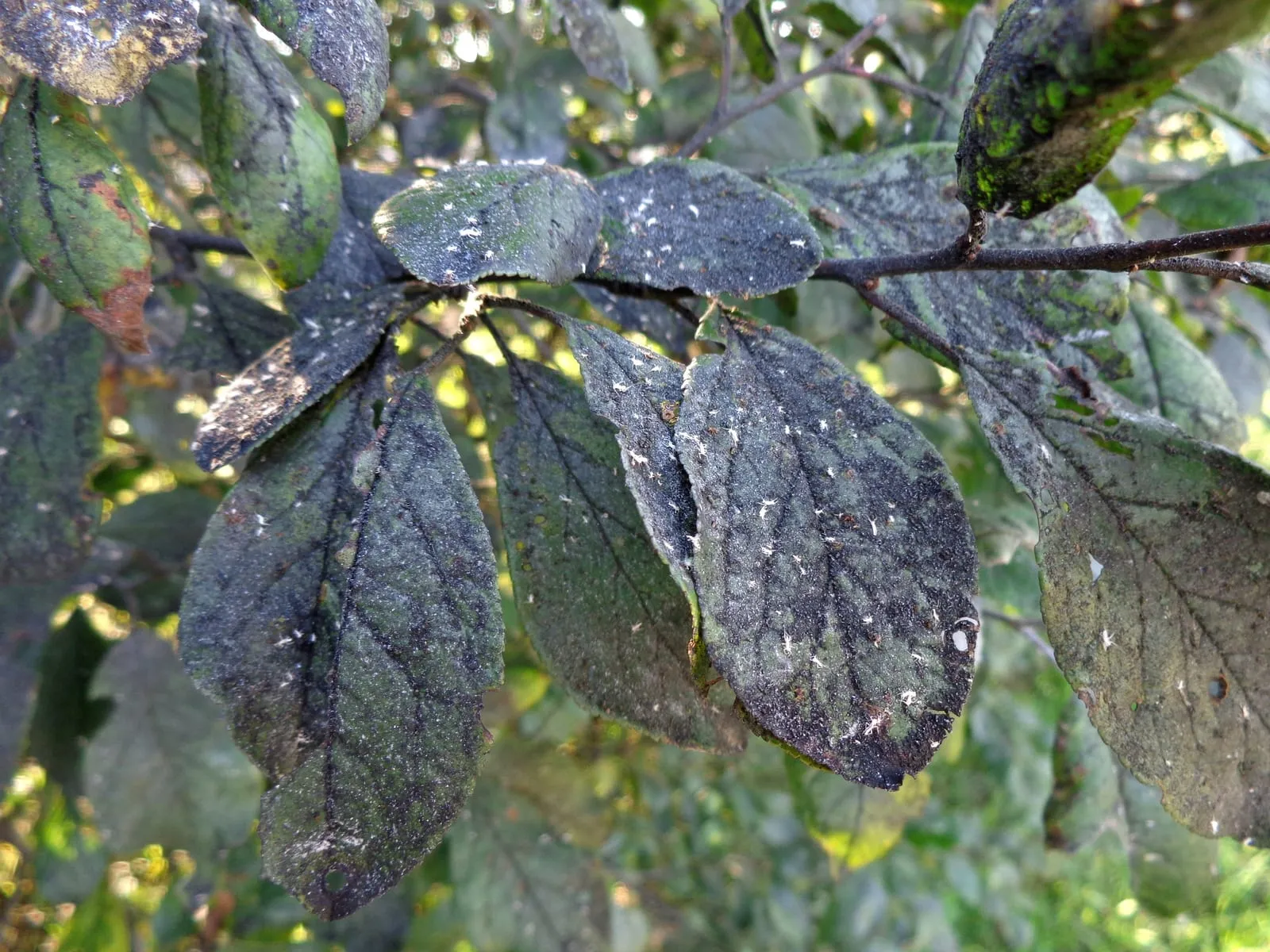
Capnodium spp.
Black fungal coating that grows on honeydew secreted by aphids, scale, mealybugs, and whiteflies. Doesn't infect plant tissue directly but blocks photosynthesis and disfigures fruit.
Modified care for zone 11a
The primary care adjustment in zone 11a is drainage management. Phytophthora root rot thrives in warm, wet, poorly aerated soils, and zone 11a's year-round warmth accelerates pathogen activity whenever soil stays saturated. Raised beds, mounded planting sites, or well-amended native soil are not optional precautions here. They are baseline practice.
Sooty mold, a secondary fungal problem fed by insect honeydew, intensifies in zone 11a because aphids, scale, and whiteflies persist through winter without population crashes. Monitoring and managing honeydew-producing insects reduces sooty mold pressure more effectively than treating the mold itself.
Irrigation in zone 11a requires more precision than in cooler zones. Trees push growth year-round, and both over-watering and drought stress encourage Phytophthora. Deep, infrequent irrigation that allows the root zone to partially dry between cycles is the standard recommendation from University of California Cooperative Extension avocado guidelines.
Frequently asked questions
- Will avocado trees produce fruit every year in zone 11a?
Mature avocado trees in zone 11a tend toward alternate bearing, producing heavier crops in some years than others. This pattern is common across the crop's range and is not specific to zone 11a. Consistent irrigation and fertilization reduce, but rarely eliminate, this tendency.
- Does zone 11a get enough chill hours for avocado?
Yes. Avocado requires 0 to 100 chill hours depending on variety, and zone 11a winters reliably provide that range. Chill-hour deficit is not a concern here the way it is for temperate crops like apples or peaches.
- Which avocado variety does best in zone 11a?
Hass is the most widely planted for its flavor and long harvest window. Reed handles heat well and produces large fruit. Fuerte and Bacon are earlier-bearing alternatives with different flavor profiles. All four are compatible with zone 11a conditions.
- How serious is Phytophthora root rot in zone 11a?
It is the most consequential disease risk for avocado in zone 11a. Warm soil temperatures year-round accelerate Phytophthora cinnamomi activity compared to cooler zones. Well-drained planting sites and careful irrigation scheduling are the most effective preventive measures.
+−
+−
+−
+−
Avocado in adjacent zones
Image: "Persea americana fruit 2", by B.navez, via Wikimedia Commons, licensed under CC-BY Source.

Related