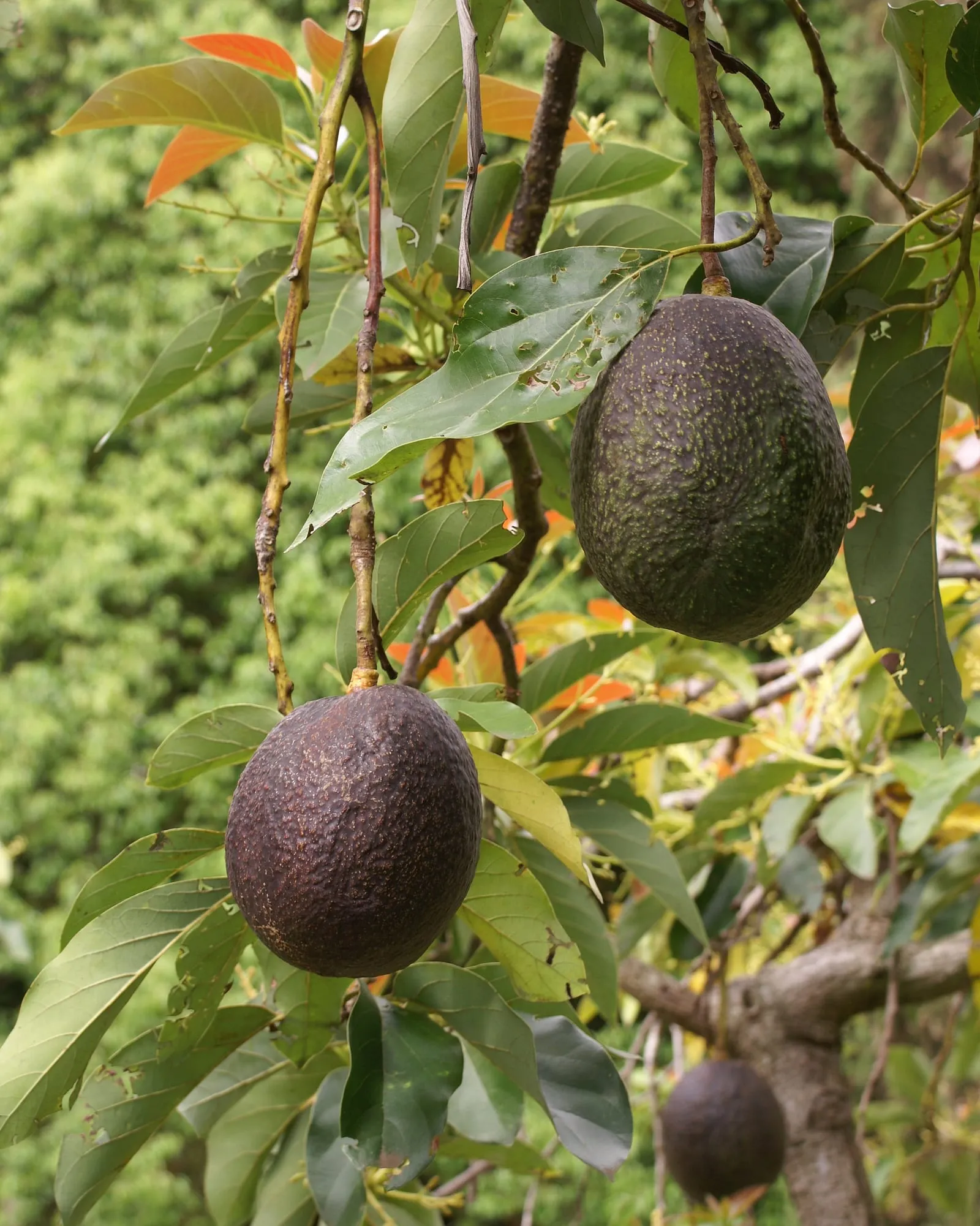
fruit tree in zone 11b
Growing avocado in zone 11b
Persea americana
- Zone
- 11b 45°F to 50°F
- Growing season
- 365 days
- Chill needed
- 0 to 100 below 45°F
- Suitable varieties
- 3
- Days to harvest
- 180 to 365
The verdict
Zone 11b is a genuine sweet spot for avocado, not a marginal case. Minimum winter temperatures of 45 to 50°F eliminate the frost risk that causes dieback in cooler zones, and the 365-day growing season allows trees to root, establish, and produce without cold interruptions. Avocados require between 0 and 100 chill hours depending on variety, a range that zone 11b meets without demanding a cold spell that might never arrive. Hass, Fuerte, and Reed all perform reliably in this thermal range.
The primary limitation in zone 11b is not cold but the absence of any dormancy period. Without a reliable temperature drop to synchronize flowering, some trees develop irregular bearing patterns, alternating between heavy and light crops in successive years. Coastal sites add the complication of salt spray, which damages foliage and stresses trees sited within a few hundred feet of the ocean without adequate windbreak protection.
Recommended varieties for zone 11b
3 cultivars suited to this zone, with disease-resistance and zone-fit annotations.
| Variety | Notes | Zone fit | Disease resistance |
|---|---|---|---|
| Hass fits zone 11b | Pebbly black skin and rich nutty oily flesh; the standard premium avocado. Type A flowering; bears year-round in coastal California. | | none noted |
| Fuerte fits zone 11b | Smooth green skin with creamy mild flesh; the original commercial avocado. Type B flowering pairs well with Hass for cross-pollination. | | none noted |
| Reed fits zone 11b | Large round green avocado with rich buttery flesh; bears summer when most varieties don't. Type A; pairs with Bacon or Fuerte. | | none noted |
Critical timing for zone 11b
Avocado bloom in zone 11b typically runs from January through March, though the absence of consistent temperature cues that synchronize flowering in cooler climates means individual trees sometimes produce smaller secondary blooms outside that window. Hass tends to be the most consistent bloomer; Fuerte and Reed generally follow within two to four weeks.
Because zone 11b carries essentially no frost risk, the bloom window intersects no meaningful cold threat. This is a notable advantage over zones 9 and 10, where a late cold snap can destroy a full crop set. Harvest for Hass generally runs from winter into early spring, roughly 12 to 18 months after the bloom that set the fruit. Reed matures later, often peaking in summer. Planting more than one variety gives zone 11b growers a near-continuous harvest window across most of the calendar year.
Common challenges in zone 11b
- ▸ Year-round pest pressure
- ▸ Salt spray near coasts
- ▸ No winter dormancy for traditional temperate species
Disease pressure to watch for
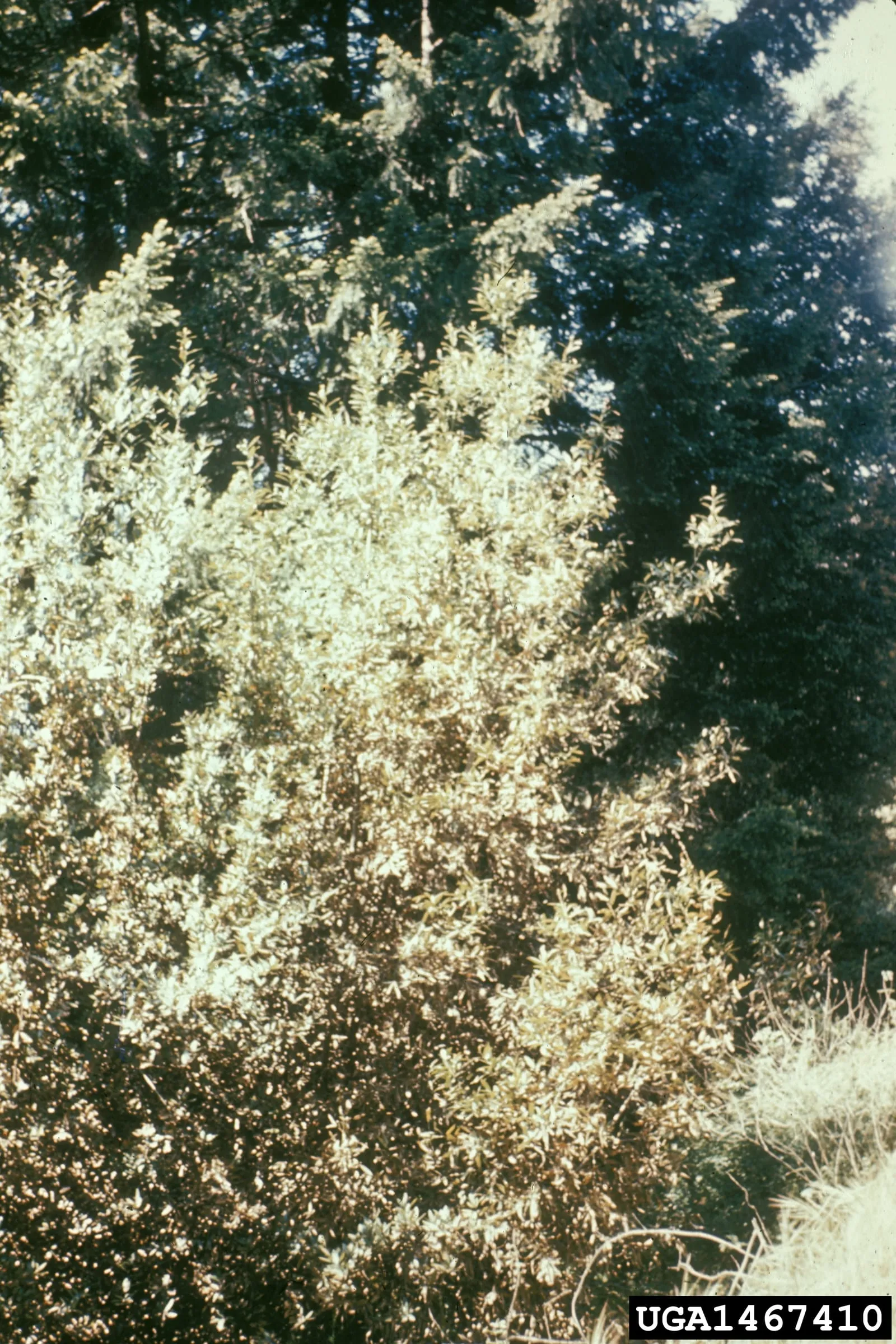
Colletotrichum gloeosporioides
Most damaging mango disease worldwide. Fungal spores infect blossoms and developing fruit during humid weather, producing black sunken lesions that expand on ripening fruit.
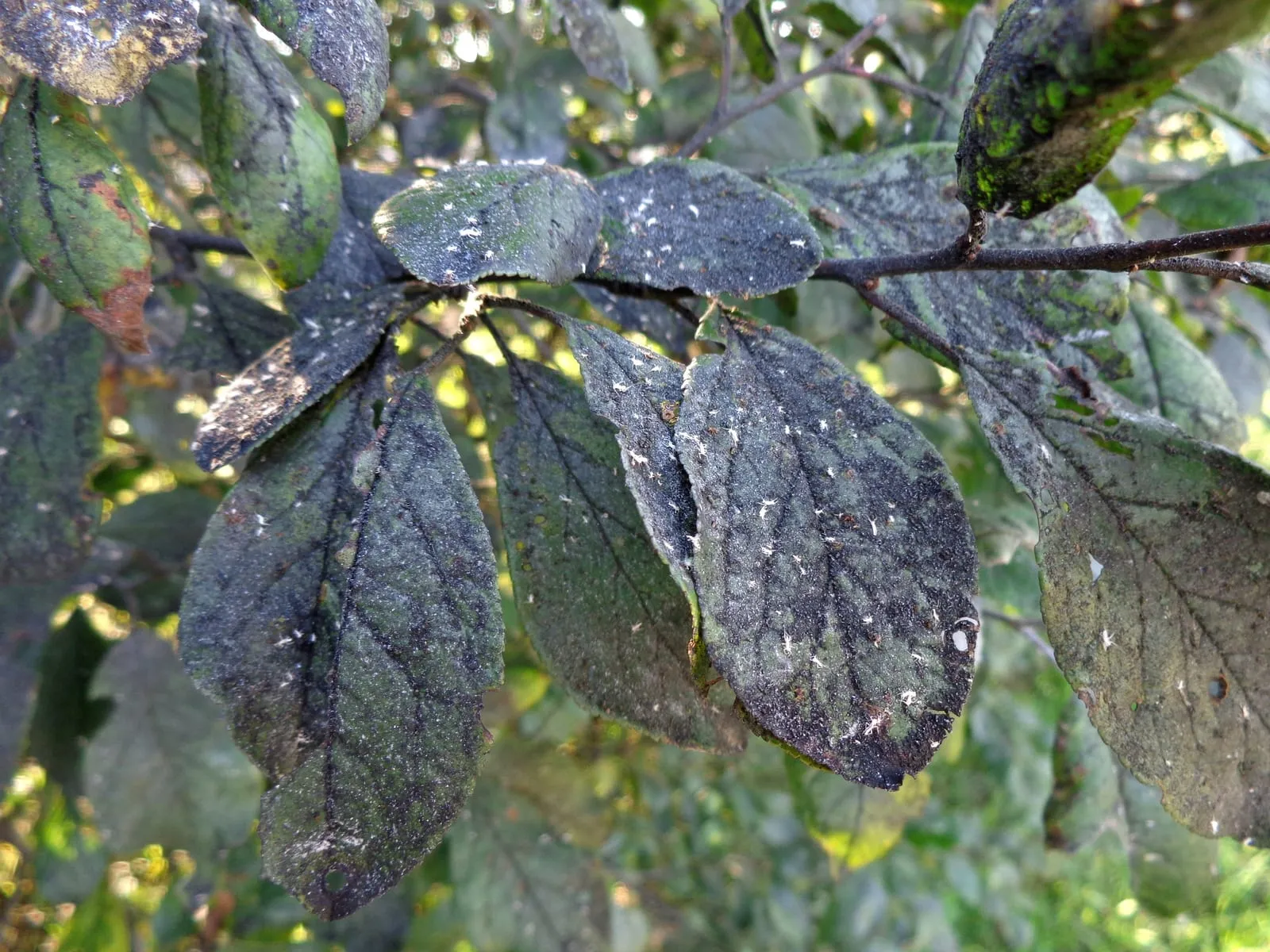
Capnodium spp.
Black fungal coating that grows on honeydew secreted by aphids, scale, mealybugs, and whiteflies. Doesn't infect plant tissue directly but blocks photosynthesis and disfigures fruit.
Modified care for zone 11b
The most consequential care adjustment in zone 11b is drainage management. Phytophthora root rot spreads readily in warm, saturated soil, and trees planted in poorly drained ground without raised beds or mounded planting sites are at serious risk of loss within a few years. Where available, select rootstocks with documented Phytophthora tolerance and avoid overhead irrigation that keeps the root zone wet for extended periods.
Coastal growers should establish windbreaks or choose sites with natural shelter, since salt spray causes marginal leaf burn and can reduce fruit set on exposed trees. Year-round pest pressure means mite and scale populations never reset through a cold winter. Regular monitoring every four to six weeks replaces the seasonal pest calendar that works in cooler zones. Sooty mold, which colonizes honeydew left by scale and whitefly, is best managed by controlling the insect host rather than treating the mold directly.
Avocado in adjacent zones
Image: "Persea americana fruit 2", by B.navez, via Wikimedia Commons, licensed under CC-BY Source.

Related