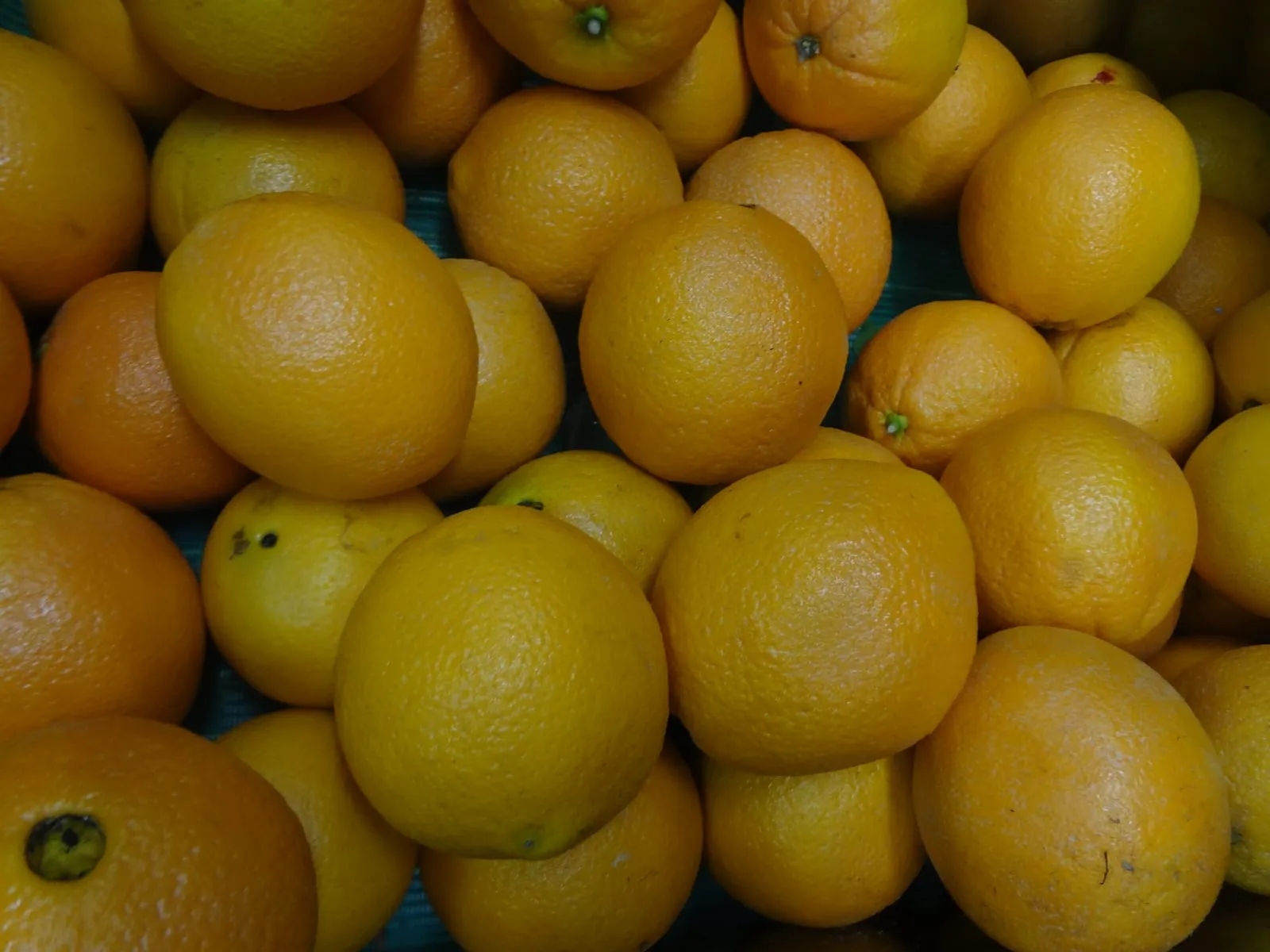
fruit tree
Orange
Citrus sinensis
USDA hardiness range
- Zones
- 9a–11b
- Chill hours
- 0 to 100 below 45°F
- Days to harvest
- 240 to 365
- Sun
- Full
- Water
- Moderate
- Lifespan
- 50 to 100 years
Growing orange
Orange (Citrus sinensis) is the most widely grown tree fruit in the world by volume, and in the right zone it produces abundantly for decades with moderate care. Reliable production in the US is bounded by USDA zones 9a through 11b. Zone 9 is the frost-risk fringe, where trees survive most winters but growers accept the occasional cold damage event and should lean on cold-hardier varieties. Zones 10 and 11 are the core range, where the long frost-free season aligns cleanly with orange's 240 to 365-day fruit development window.
Orange requires essentially no chill hours (0 to 100 hours below 45°F), which rules it out for most temperate climates but makes it well-suited to subtropical and tropical sites. The variables that most often separate a productive planting from a failing one are frost exposure in marginal zones, disease pressure (citrus greening in particular), rootstock selection, and drainage. Commercial and home trees are grafted rather than seed-grown; rootstock choice affects tree size, cold tolerance, and soil adaptability, and matching rootstock to site conditions matters.
With sound site and variety selection, orange trees are long-lived investments, commonly remaining productive for 50 to 100 years. New plantings should come from certified disease-free nursery stock, especially in Florida and the Gulf Coast where citrus greening has spread aggressively.
Recommended varieties
See all 4 →4 cultivars for home growers, with notes on flavor, ripening, and disease resistance.
| Variety | Notes | Zone fit | Disease resistance |
|---|---|---|---|
| Valencia | Sweet juice orange with thin skin and few seeds; the king of fresh juice. Late-season; fruit holds 6+ months on the tree without quality loss. | | none noted |
| Washington Navel | Easy-peel sweet eating orange with the namesake belly button at the blossom end; seedless. Early to mid-season; flavor doesn't hold as long on the tree as Valencia. | | none noted |
| Hamlin | Mild juicy early-season orange; the workhorse of Florida processing. Cold-hardier than Valencia; better choice in zone 9 marginal sites. | | none noted |
| Cara Cara | Pink-fleshed navel with low acidity and notes of berry and rose; the pretty fruit on a winter cheese board. Specialty; lower yield than standard navels. | | none noted |
Soil and site requirements
Orange performs best in well-drained sandy loam or loam soils with a pH of 6.0 to 7.5. Heavy clay soils that retain standing water are a reliable path to root rot (Phytophthora spp.); if clay is unavoidable, plant on raised beds or berms to keep the root zone above the seasonal water table. Extremely sandy soils drain well but require more frequent irrigation and fertilization to compensate for low nutrient retention.
Full sun is not optional: fewer than 6 hours of direct light reduces fruit production and sugar development. South- or southeast-facing exposures maximize winter sun in northern hemisphere sites and provide passive frost protection through ambient heat retention in the soil and nearby structures.
Spacing depends on rootstock vigor. Trees on standard rootstocks typically need 20 to 25 feet between centers; semi-dwarf plantings can be set at 12 to 15 feet. Crowded canopies compete for light and restrict airflow, increasing fungal disease pressure.
In zone 9, microclimate selection is consequential. Planting near a south-facing wall, on a slope where cold air drains downhill, or near a body of water moderates the temperature swings that damage flowers and young fruit. Avoid low-lying frost pockets where cold air settles on clear, still winter nights.
Common diseases
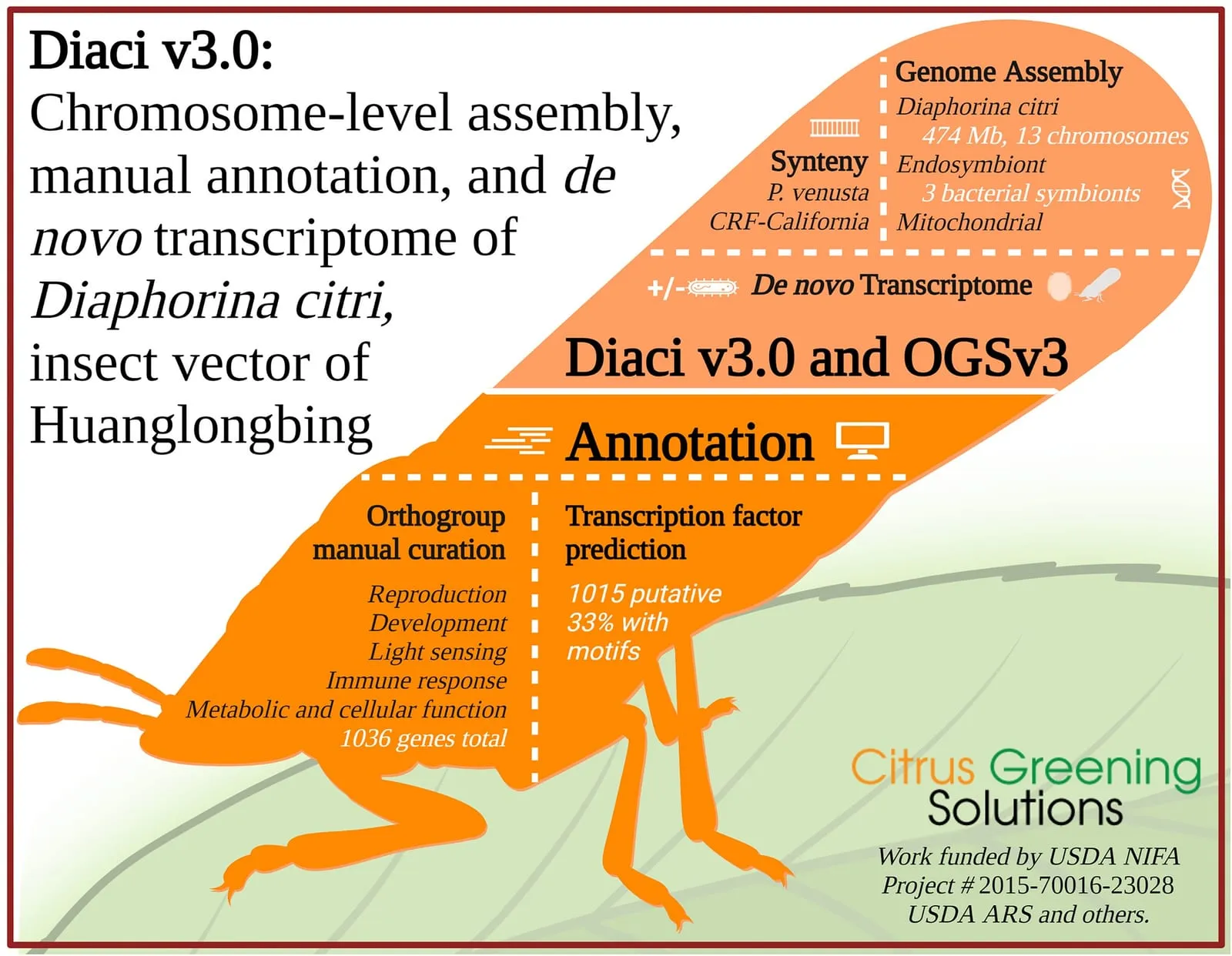
Candidatus Liberibacter asiaticus
Devastating bacterial disease vectored by the Asian citrus psyllid. Once infected, trees decline progressively over several years and there is no cure. Has destroyed commercial citrus across Florida and threatens production worldwide.
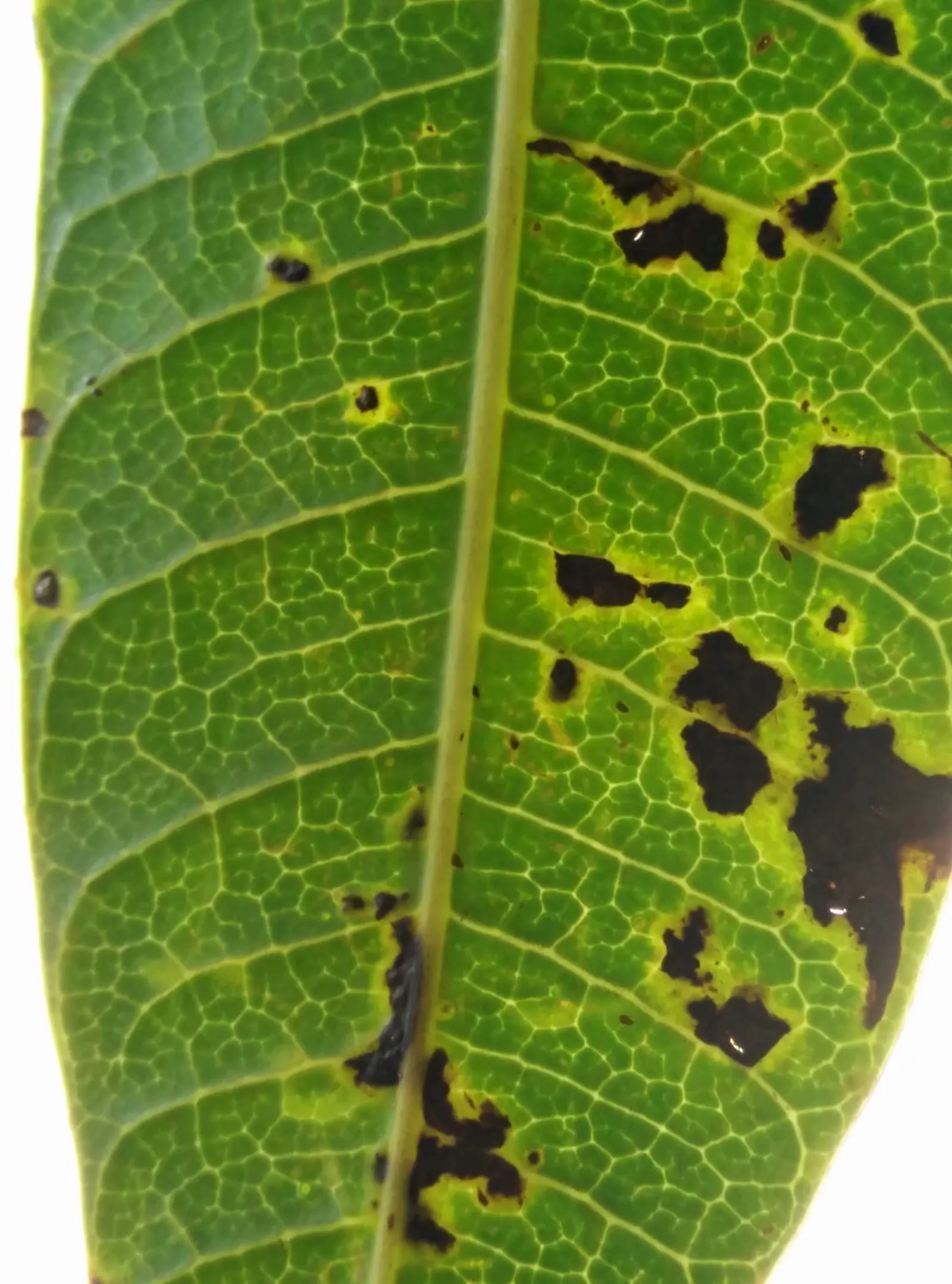
Xanthomonas citri
Bacterial disease producing raised corky lesions on leaves, twigs, and fruit. Spread by wind-driven rain and contaminated tools. Quarantine-regulated in many areas.
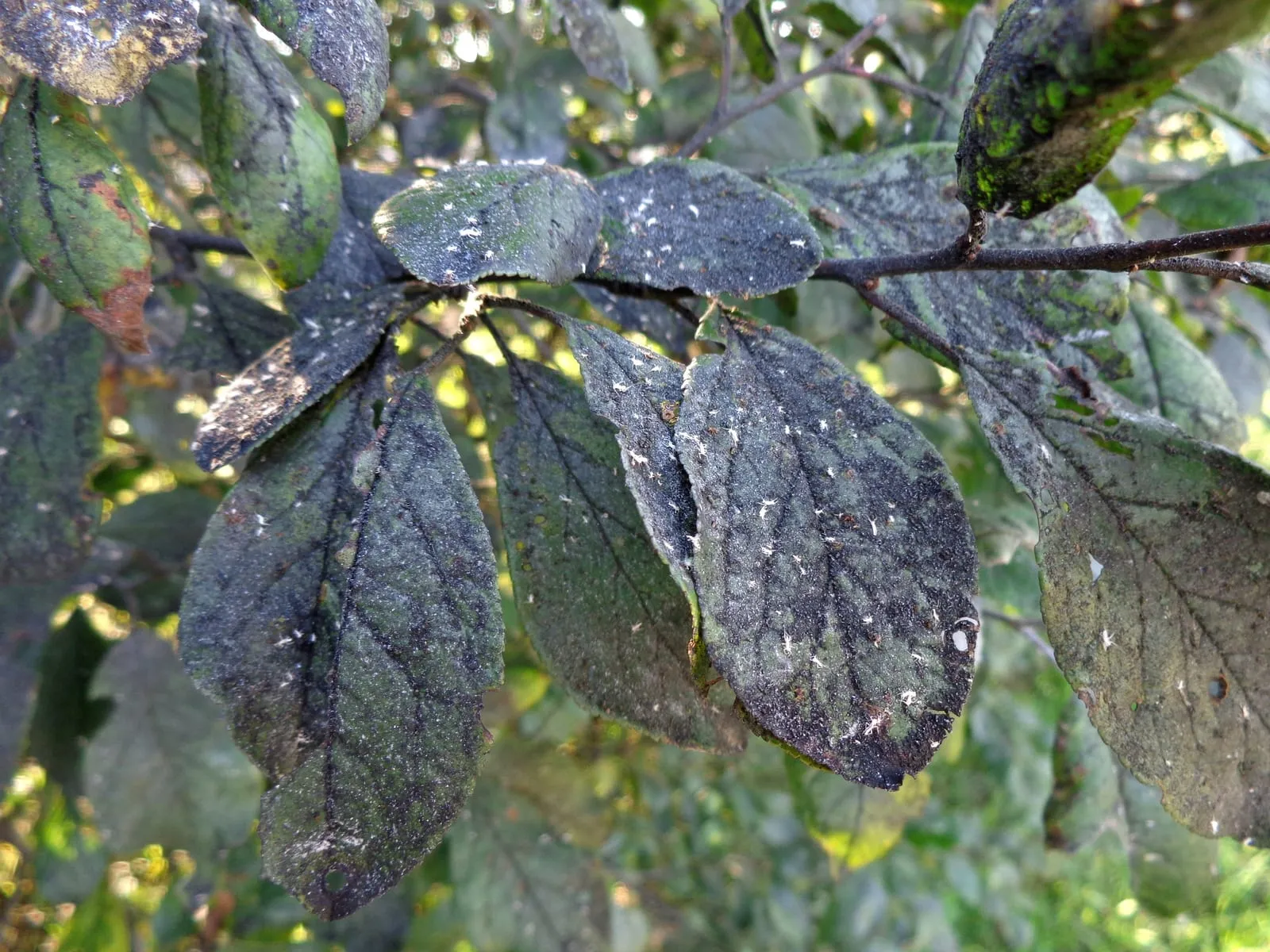
Capnodium spp.
Black fungal coating that grows on honeydew secreted by aphids, scale, mealybugs, and whiteflies. Doesn't infect plant tissue directly but blocks photosynthesis and disfigures fruit.
Common pests
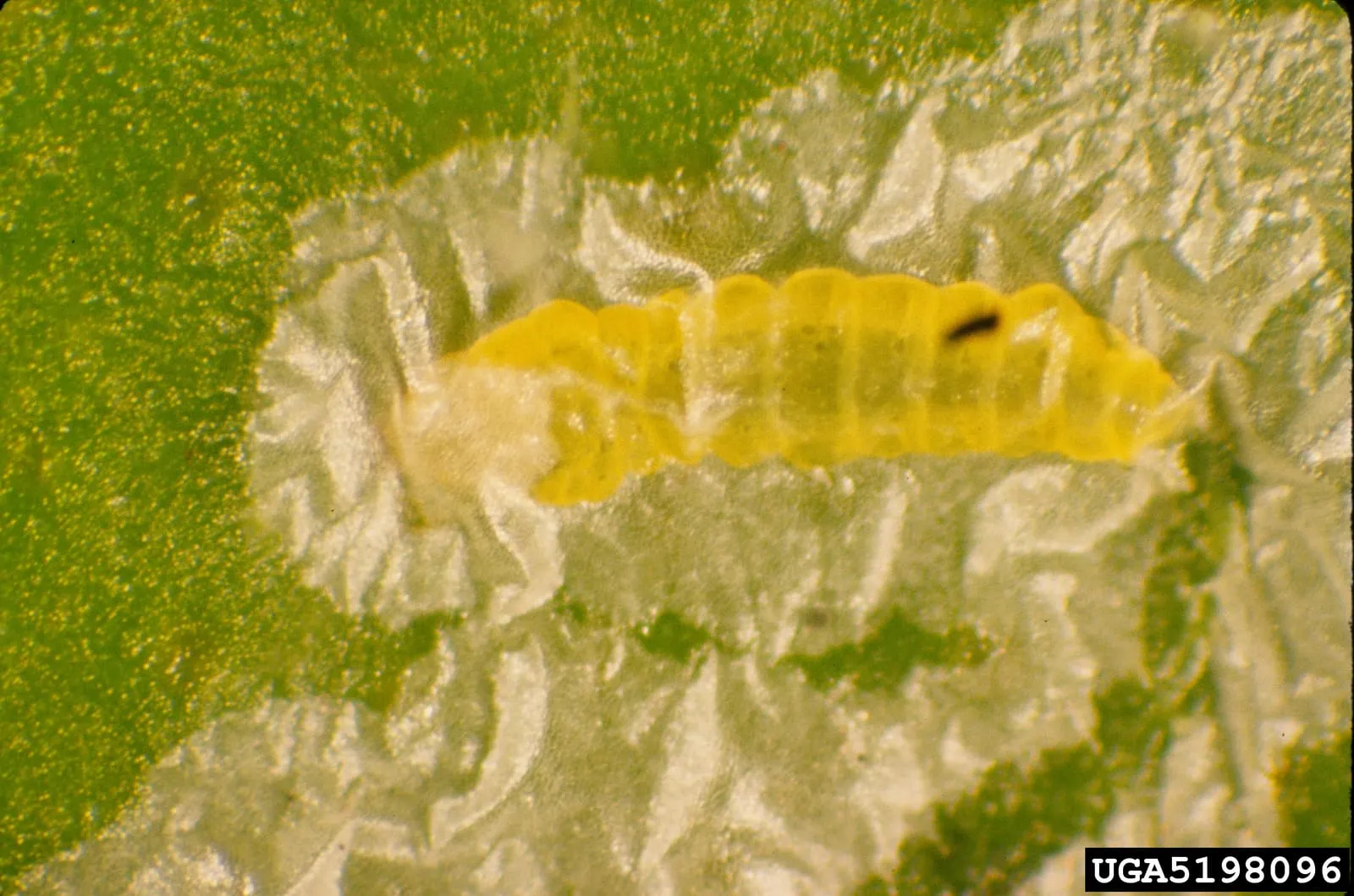
Phyllocnistis citrella
Tiny moth larvae tunnel inside young citrus leaves, leaving silvery serpentine trails. Damage is mostly cosmetic on mature trees but stunts new plantings.
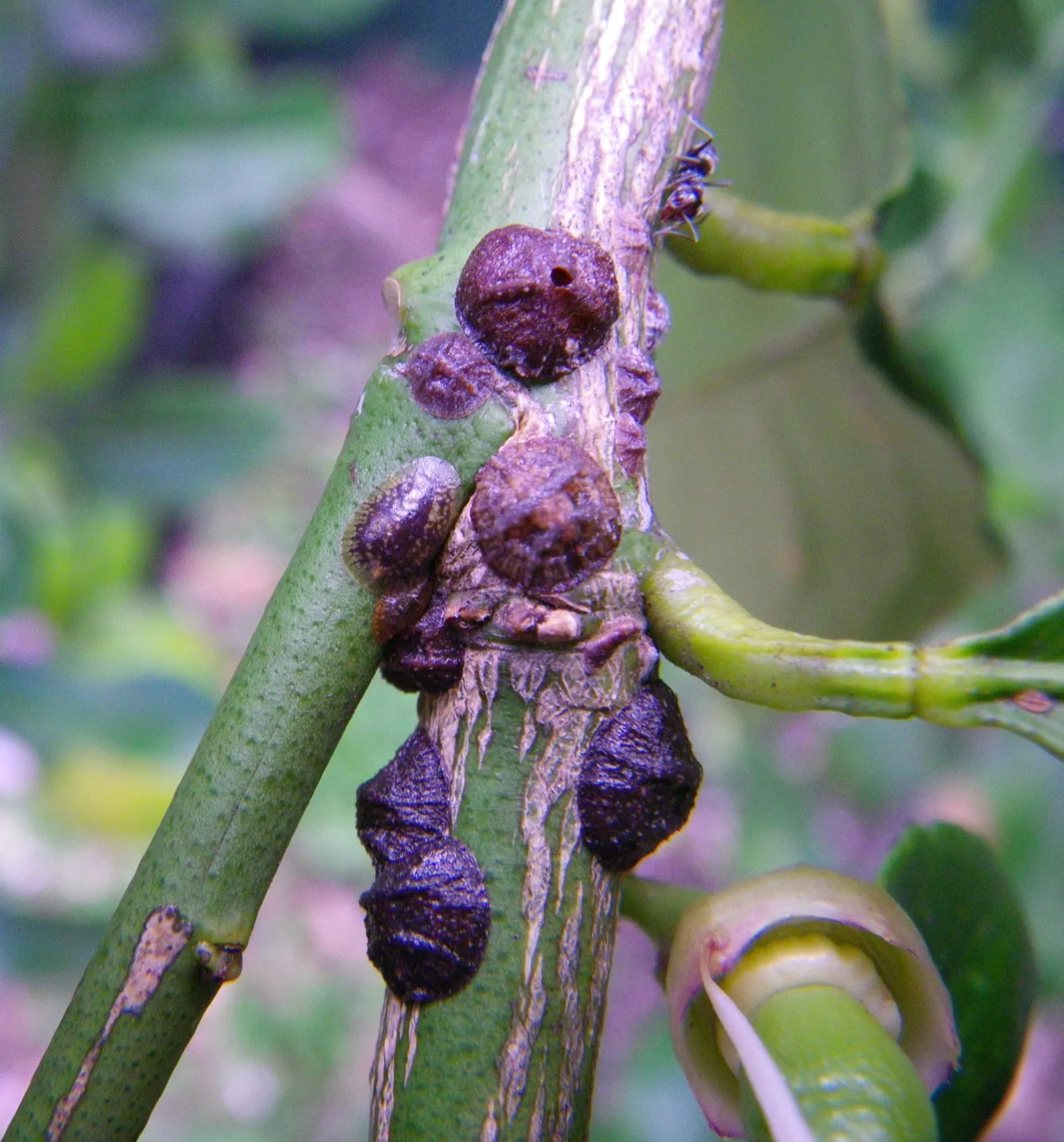
Coccoidea spp.
Sap-sucking insects that attach to bark, leaves, and fruit, secreting honeydew that fuels sooty mold. Heavy infestations weaken trees and cause leaf yellowing.
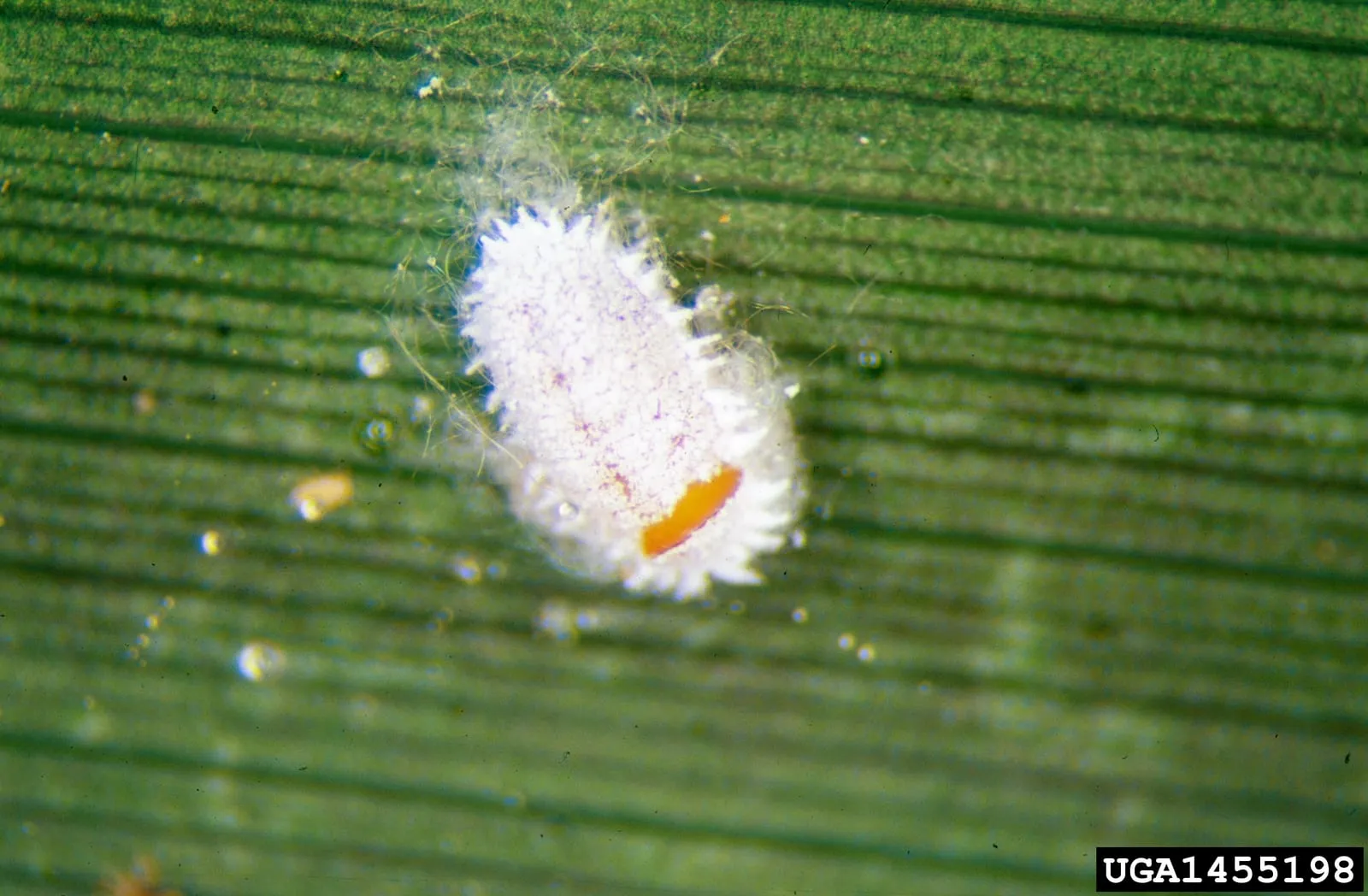
Pseudococcidae spp.
Soft white waxy insects that cluster at leaf joints, fruit stems, and root crowns. Honeydew secretion supports sooty mold; root mealybugs cause decline that mimics drought.
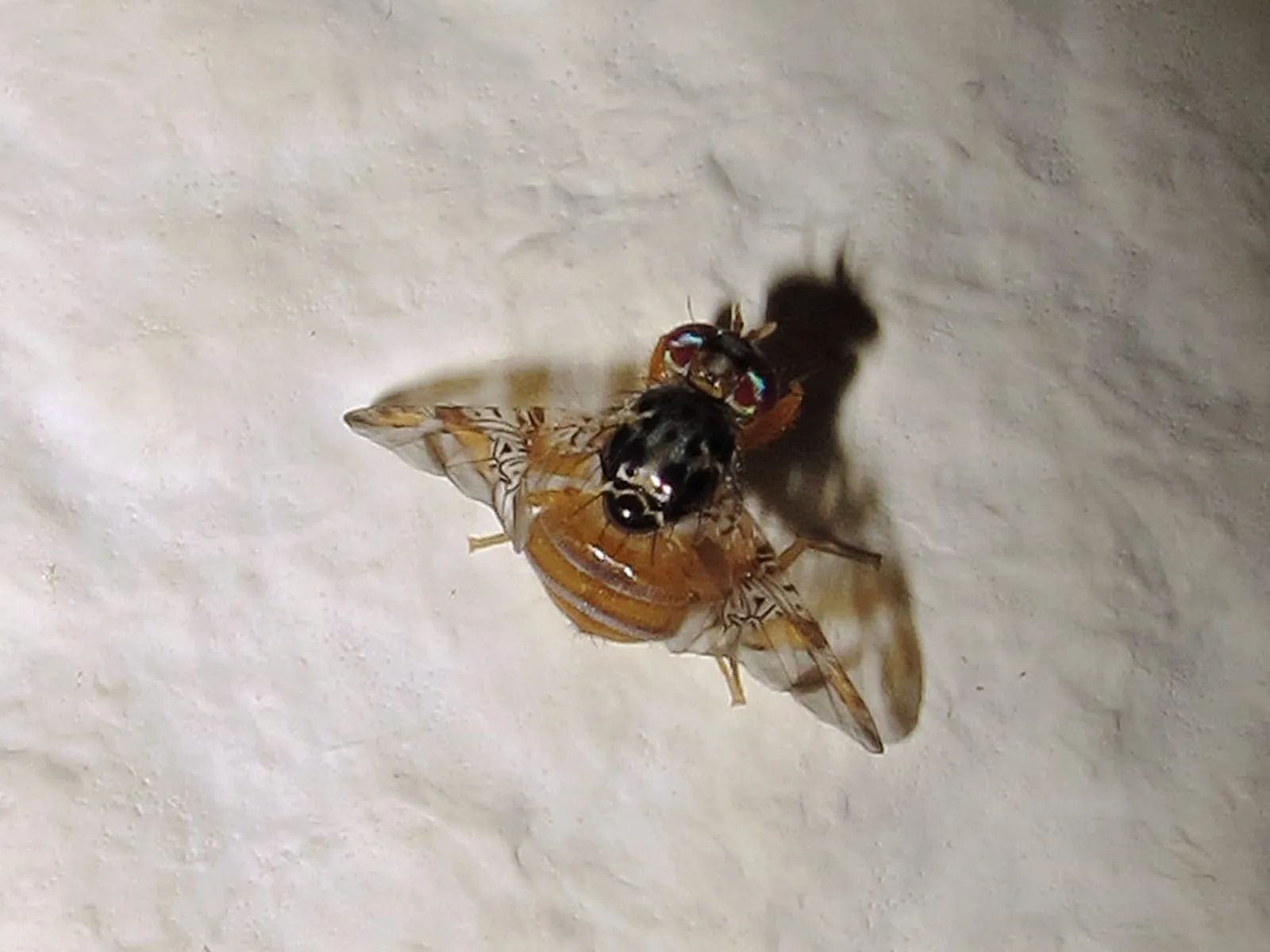
Ceratitis capitata
Quarantine pest in many regions. Adult females puncture ripening fruit to lay eggs; larvae tunnel through the flesh, causing premature drop and rot.
Common challenges
The single greatest threat to orange production in the eastern US is citrus greening (Huanglongbing, HLB), a bacterial disease spread by the Asian citrus psyllid. There is no cure; infected trees decline and die within a few years of infection. According to UF/IFAS Extension, HLB has caused catastrophic losses in Florida's commercial orange groves since its detection there in 2005. Home growers in affected regions should source certified disease-free nursery stock, manage psyllid populations with targeted insecticide applications during flush growth, and inspect trees regularly for the characteristic symptoms: yellowing shoots, asymmetric leaf blotching, and small bitter fruit with green tips at the blossom end.
Frost damage is the second major failure point, concentrated in zone 9. Young trees are far more vulnerable than established ones; the first two to three winters after planting require active protection during freeze events. Standard methods include trunk wraps, canopy covers, and overhead irrigation (which releases latent heat as it freezes on foliage).
Root rot from poor drainage is the third common cause of decline. Orange roots cannot tolerate even brief waterlogging. Correcting drainage at planting time is far more effective than attempting to rehabilitate a struggling tree after the fact.
Frequently asked questions
- How many chill hours do orange trees require?
Oranges require 0 to 100 chill hours (hours below 45°F), among the lowest requirements of any commonly grown fruit tree. This makes them unsuitable for most temperate climates but well-adapted to subtropical and tropical zones. Growers in zones 9 through 11 can expect adequate winter temperatures without supplemental chilling.
- How long does it take for oranges to ripen after flowering?
Fruit development runs 240 to 365 days from bloom to harvest, depending on variety and local climate. Valencia is a late-season variety that holds on the tree for months after reaching maturity without significant quality decline. Washington Navel is earlier but its flavor degrades more quickly once ripe, so prompt harvest matters more.
- What USDA hardiness zones are suitable for growing oranges?
Oranges are reliably hardy in zones 9a through 11b. Zone 9 is marginal, with frost damage possible in most winters; cold-hardier varieties such as Hamlin are the better choice in those sites. Below zone 9, sustained outdoor production is not practical without greenhouse or container culture with winter protection.
- Do orange trees need a pollinator to produce fruit?
No. Most sweet orange varieties, including Valencia, Washington Navel, and Hamlin, are self-fertile and set fruit without cross-pollination. A single tree will bear fruit reliably on its own.
- What is the most serious disease threat to orange trees?
Citrus greening (Huanglongbing, HLB) is the most destructive disease in orange production. Spread by the Asian citrus psyllid, it has no cure; infected trees decline and eventually die. Sourcing certified disease-free nursery stock and controlling psyllid populations during flush growth are the primary preventive measures available to home growers.
- How long does an orange tree live?
With good site selection, appropriate rootstock, and ongoing management, orange trees commonly remain productive for 50 to 100 years. Trees infected with citrus greening are a significant exception; they typically decline within a few years of confirmed infection regardless of care.
- Can I grow oranges in zone 8?
Zone 8 is below the reliable hardiness threshold. Extended frost periods that are normal in zone 8 winters will damage or kill unprotected trees and prevent consistent fruiting. In the warmest, most sheltered zone 8b microclimates, container culture with indoor overwintering is the more realistic approach.
+−
+−
+−
+−
+−
+−
+−
Sources
- [1] UF/IFAS Extension: Florida Citrus Production Guide
- [2] UC ANR: Integrated Pest Management for Citrus
Image: "The orange (specifically, the sweet orange) is the fruit of the citrus species Citrus × sinensis in the family Rutaceae", by David Adam Kess, via Wikimedia Commons, licensed under CC-BY. Source.
_is_the_fruit_of_the_citrus_species_Citrus_%C3%97_sinensis_in_the_family_Rutaceae.JPG)
Orange by zone
Related