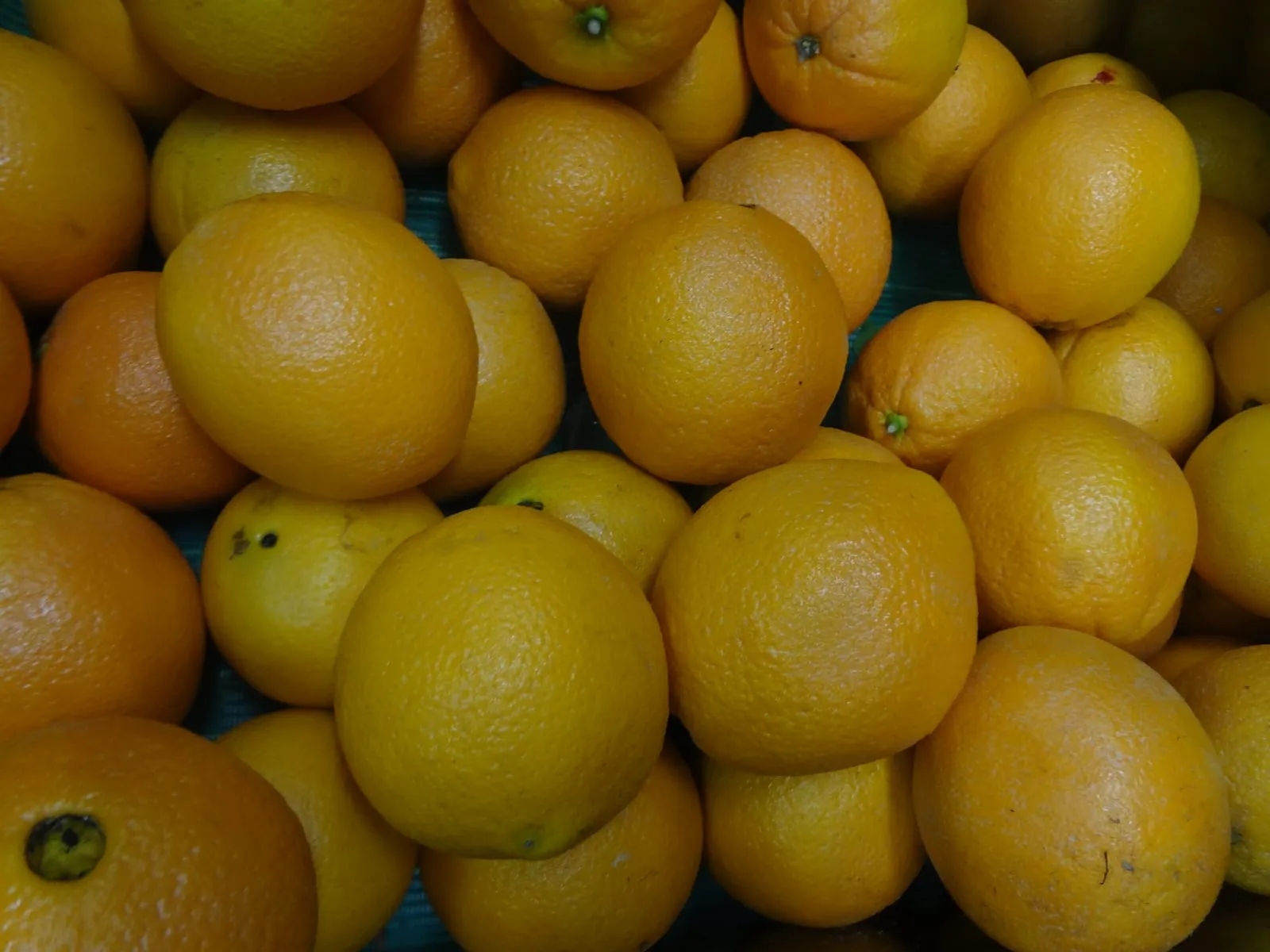
fruit tree in zone 10a
Growing orange in zone 10a
Citrus sinensis
- Zone
- 10a 30°F to 35°F
- Growing season
- 340 days
- Chill needed
- 0 to 100 below 45°F
- Suitable varieties
- 4
- Days to harvest
- 240 to 365
The verdict
Zone 10a is a genuine sweet spot for orange production. Oranges require just 0 to 100 chill hours depending on variety, and zone 10a delivers those modest requirements without risk of prolonged cold that would stress trees or interrupt growth. The 340-day growing season gives fruit time to develop full sugar content, and the minimum winter temperatures of 30 to 35°F are cold enough to trigger the mild stress that improves color and sweetness in navel-type fruit, without reaching the sustained freezes that damage wood or kill trees.
Varieties such as Hamlin and Valencia were developed with climates like this in mind. Washington Navel and Cara Cara perform reliably here as well, though they benefit from a site with some cold-air drainage to sharpen color development. Unlike stone fruits or pome fruits that need several hundred chill hours, oranges are not fighting the zone's warmth. The only meaningful suitability concern is freeze events at the lower end of the zone's temperature range: a night at 28°F lasting more than four hours can damage fruit on the tree and injure young wood.
Recommended varieties for zone 10a
4 cultivars suited to this zone, with disease-resistance and zone-fit annotations.
| Variety | Notes | Zone fit | Disease resistance |
|---|---|---|---|
| Valencia fits zone 10a | Sweet juice orange with thin skin and few seeds; the king of fresh juice. Late-season; fruit holds 6+ months on the tree without quality loss. | | none noted |
| Washington Navel fits zone 10a | Easy-peel sweet eating orange with the namesake belly button at the blossom end; seedless. Early to mid-season; flavor doesn't hold as long on the tree as Valencia. | | none noted |
| Hamlin fits zone 10a | Mild juicy early-season orange; the workhorse of Florida processing. Cold-hardier than Valencia; better choice in zone 9 marginal sites. | | none noted |
| Cara Cara fits zone 10a | Pink-fleshed navel with low acidity and notes of berry and rose; the pretty fruit on a winter cheese board. Specialty; lower yield than standard navels. | | none noted |
Critical timing for zone 10a
In zone 10a, orange trees typically bloom from late February through April, peaking in March. This window sits close to the zone's coldest nights, so a late freeze during bloom can reduce fruit set, though outright crop loss from a single frost event is uncommon in established trees.
Harvest timing varies significantly by variety. Hamlin, an early variety, matures from November through January. Washington Navel and Cara Cara are typically harvested from November through February. Valencia is a late-season orange that holds well on the tree and reaches peak quality from March through June, making it particularly useful for extending fresh-fruit availability. The long growing season means fruit left on the tree past peak maturity can re-green in warm weather, a cosmetic issue that does not affect flavor.
Common challenges in zone 10a
- ▸ No chilling for traditional temperate fruit
- ▸ Hurricane exposure
- ▸ Heat-tolerant cultivars only
Disease pressure to watch for
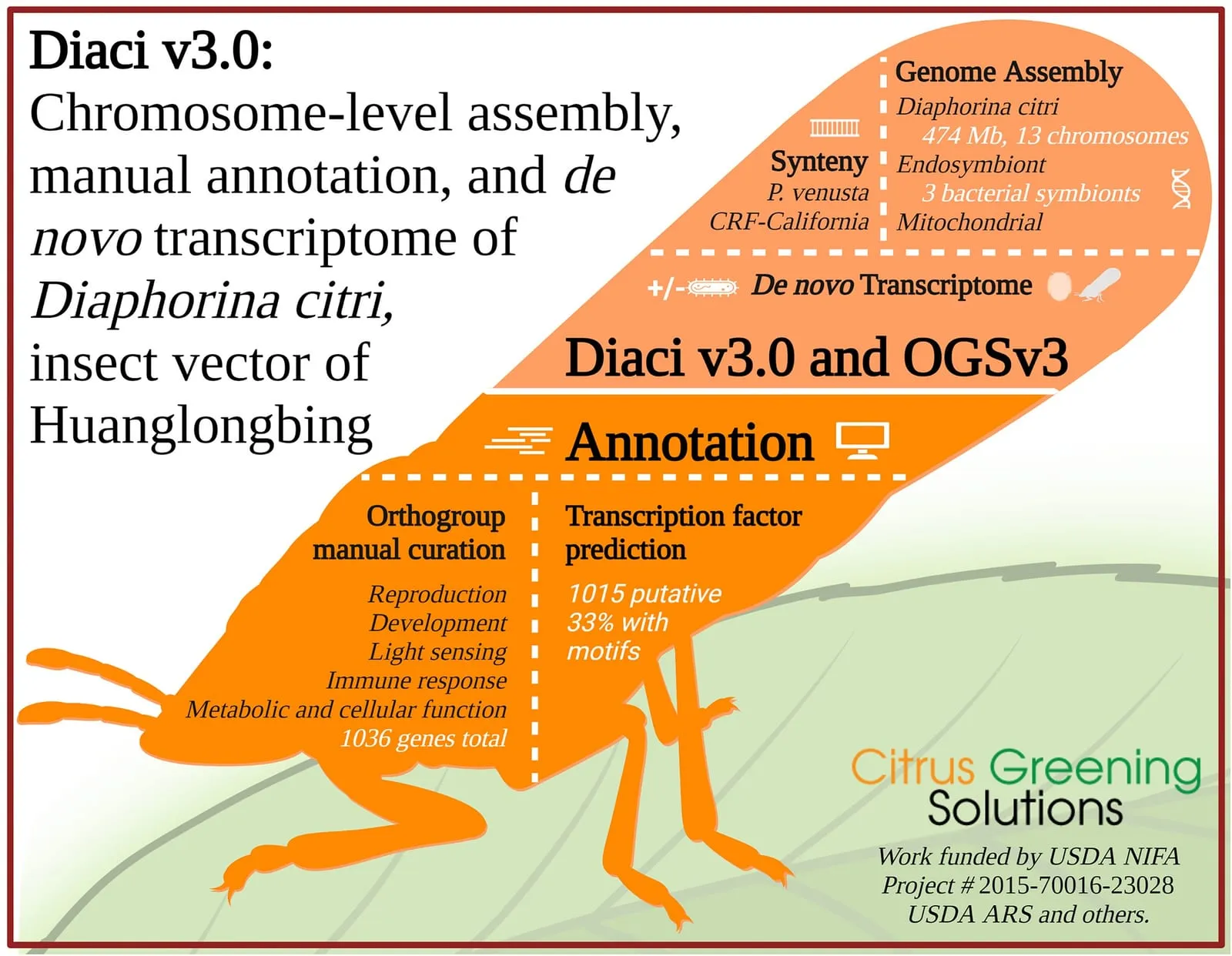
Candidatus Liberibacter asiaticus
Devastating bacterial disease vectored by the Asian citrus psyllid. Once infected, trees decline progressively over several years and there is no cure. Has destroyed commercial citrus across Florida and threatens production worldwide.
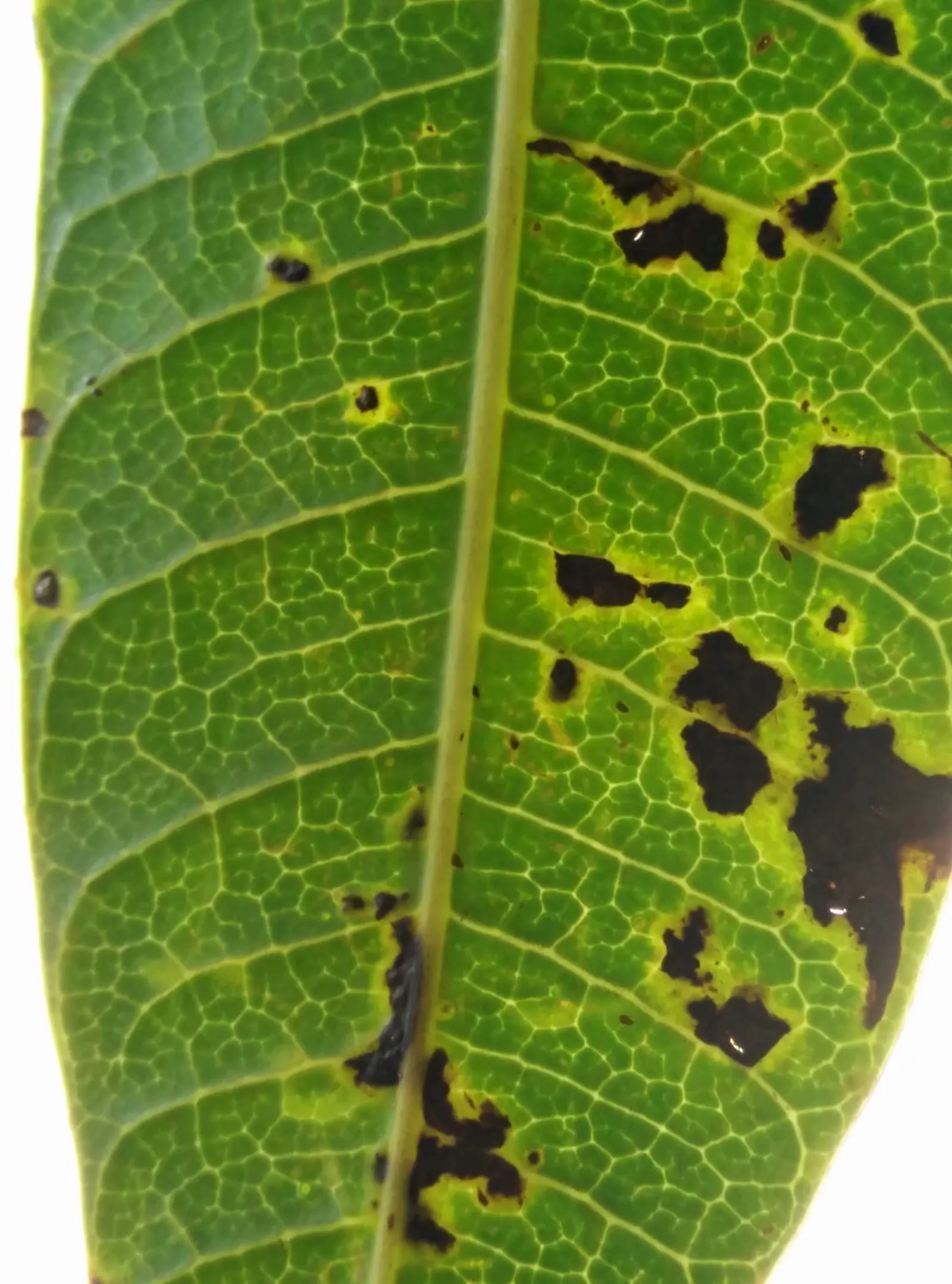
Xanthomonas citri
Bacterial disease producing raised corky lesions on leaves, twigs, and fruit. Spread by wind-driven rain and contaminated tools. Quarantine-regulated in many areas.
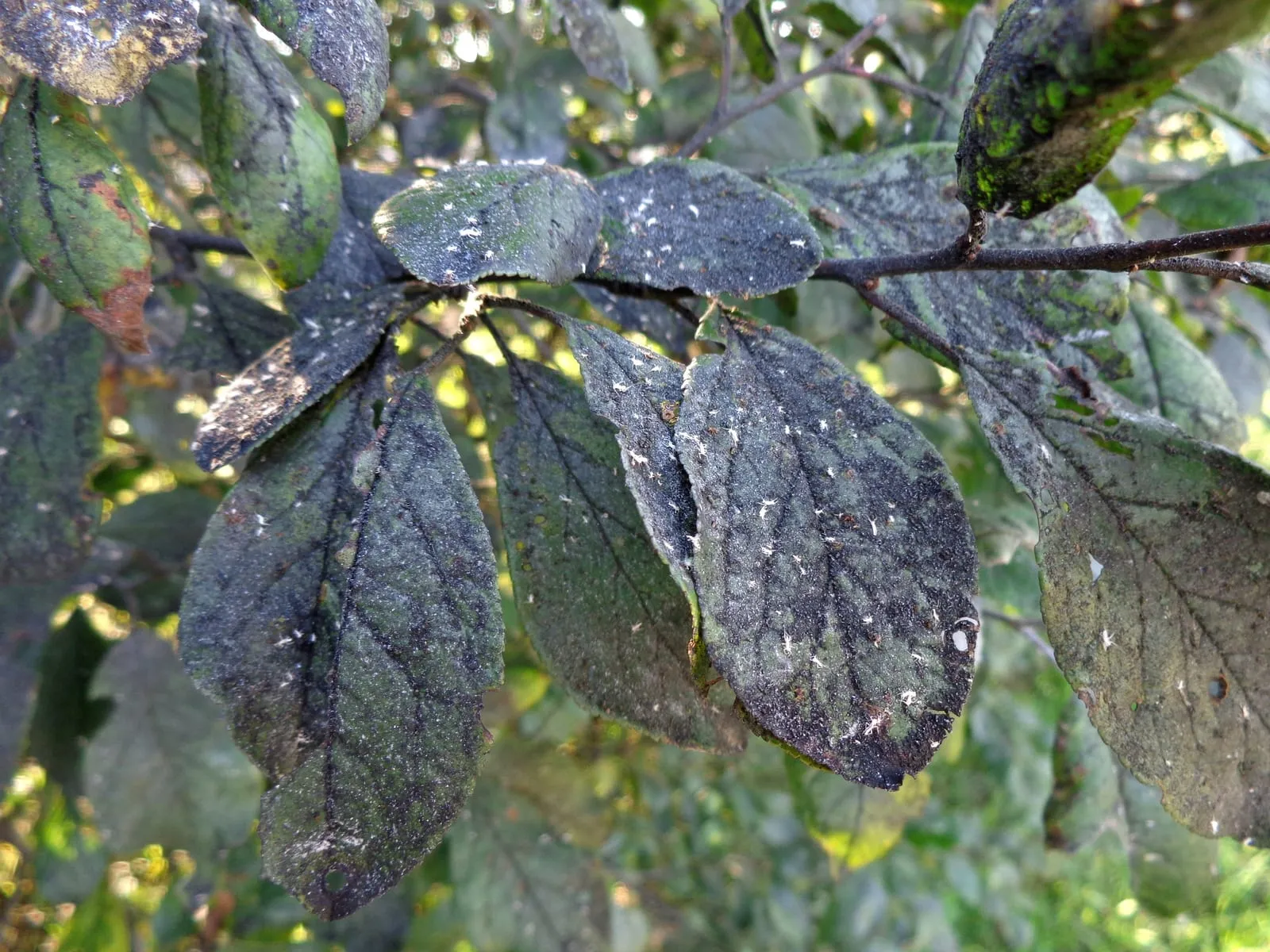
Capnodium spp.
Black fungal coating that grows on honeydew secreted by aphids, scale, mealybugs, and whiteflies. Doesn't infect plant tissue directly but blocks photosynthesis and disfigures fruit.
Modified care for zone 10a
The primary disease threat in zone 10a is Citrus Greening (HLB), a bacterial infection spread by the Asian citrus psyllid. There is no cure; management depends on controlling psyllid populations with targeted insecticide applications and removing infected trees promptly. Citrus Canker, a bacterial leaf and fruit spot disease, spreads rapidly in warm, wet conditions and warrants copper-based preventive sprays, particularly after storms.
Hurricane exposure is a structural concern in coastal 10a locations. Young trees should be staked during their first two to three years, and planting on the windward side of an open site should be avoided. When temperatures approach 30°F, covering young trees or running overhead irrigation for freeze protection is worthwhile; mature trees generally tolerate brief dips into the low 30s without intervention. Sooty mold, a secondary fungal growth on honeydew secreted by scale insects, is managed by controlling the underlying pest population rather than treating the mold directly.
Frequently asked questions
- Does zone 10a get cold enough to color navel oranges properly?
Yes, though results vary by site. The 30 to 35°F minimum temperatures in zone 10a provide enough mild cold stress to develop color and sweetness in Washington Navel and Cara Cara. Trees in warmer microclimates within the zone may produce fruit that stays greener at maturity without affecting interior quality.
- Which orange variety is best suited to zone 10a?
Hamlin is widely recommended for zone 10a because of its cold tolerance, early harvest, and consistent production. Valencia suits growers who want late-season fruit. Washington Navel and Cara Cara are good choices where mild winter temperatures and some cold-air drainage are available.
- How serious is Citrus Greening (HLB) in zone 10a?
HLB is the most significant long-term threat to orange production in zone 10a, particularly in Florida. The disease is incurable and kills affected trees over several years. Controlling the Asian citrus psyllid vector through a consistent spray program is currently the only practical management approach for home growers.
- Do orange trees in zone 10a need freeze protection?
Mature trees generally tolerate brief dips to 28 to 30°F without significant damage. Young trees in their first two years are more vulnerable and should be covered or given overhead irrigation when temperatures are forecast below 32°F for more than a few hours.
+−
+−
+−
+−
Orange in adjacent zones
Image: "The orange (specifically, the sweet orange) is the fruit of the citrus species Citrus × sinensis in the family Rutaceae", by David Adam Kess, via Wikimedia Commons, licensed under CC-BY Source.
_is_the_fruit_of_the_citrus_species_Citrus_%C3%97_sinensis_in_the_family_Rutaceae.JPG)
Related