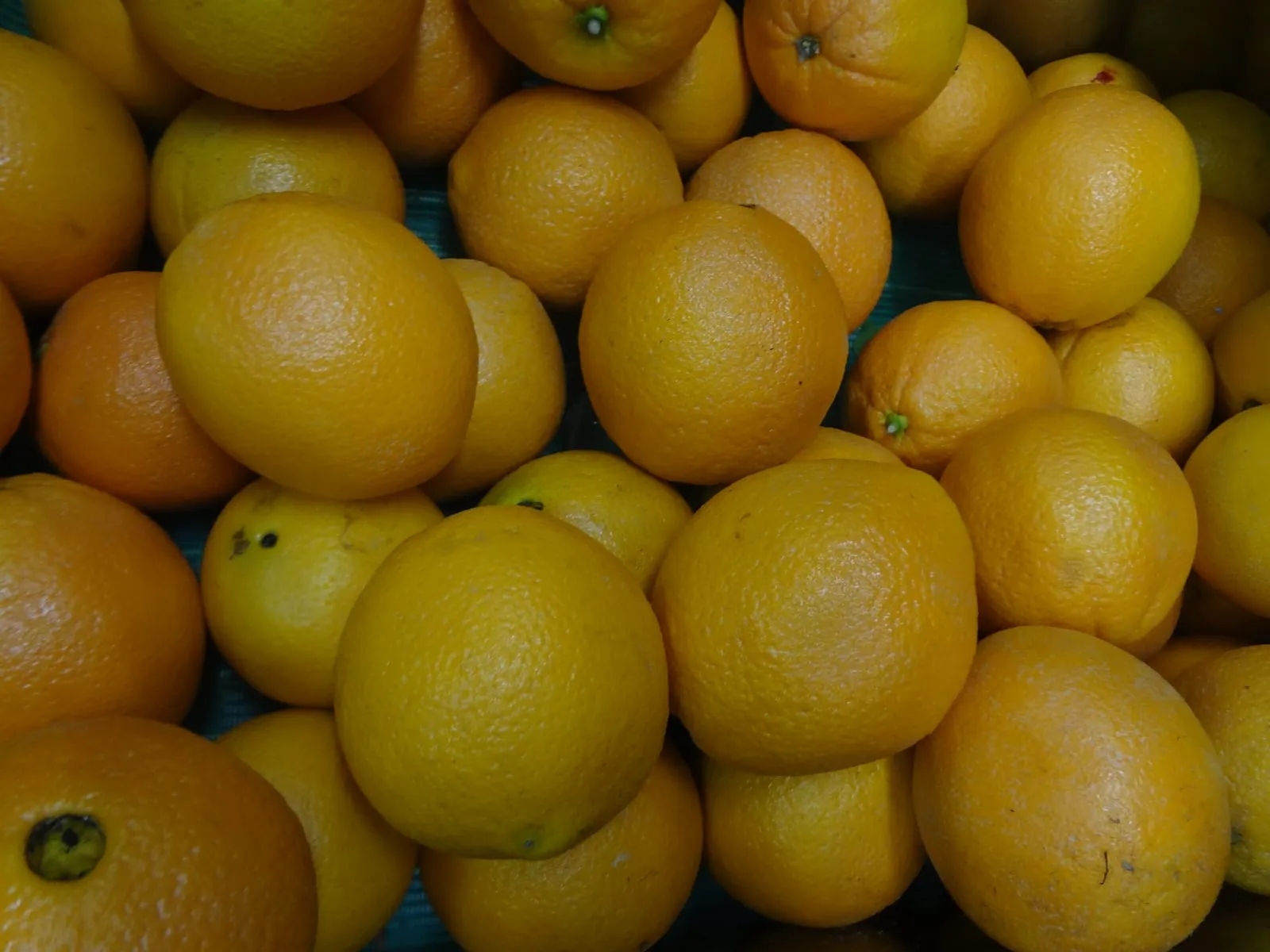
fruit tree in zone 9b
Growing orange in zone 9b
Citrus sinensis
- Zone
- 9b 25°F to 30°F
- Growing season
- 310 days
- Chill needed
- 0 to 100 below 45°F
- Suitable varieties
- 4
- Days to harvest
- 240 to 365
The verdict
Zone 9b is a sweet spot for oranges, not a marginal zone. The chill-hour requirement for oranges is 0 to 100 hours, well within what even a warm zone 9b winter reliably delivers. Minimum winter temperatures of 25 to 30°F can cause leaf damage or fruit drop on exposed trees during hard freezes, but mature trees tolerate brief dips in this range with minimal lasting harm. The 310-day growing season accommodates the long fruiting cycle that late-season varieties like Valencia require.
Compared to zone 8b, growers here face less freeze risk and more sustained summer heat stress. Compared to zone 10a, the occasional cold snap keeps some pest cycles marginally more manageable. Commercial orange production in the San Joaquin Valley and central Florida, both of which fall within or adjacent to zone 9b, confirms the fit. Valencia, Washington Navel, Hamlin, and Cara Cara all perform well here.
Recommended varieties for zone 9b
4 cultivars suited to this zone, with disease-resistance and zone-fit annotations.
| Variety | Notes | Zone fit | Disease resistance |
|---|---|---|---|
| Valencia fits zone 9b | Sweet juice orange with thin skin and few seeds; the king of fresh juice. Late-season; fruit holds 6+ months on the tree without quality loss. | | none noted |
| Washington Navel fits zone 9b | Easy-peel sweet eating orange with the namesake belly button at the blossom end; seedless. Early to mid-season; flavor doesn't hold as long on the tree as Valencia. | | none noted |
| Hamlin fits zone 9b | Mild juicy early-season orange; the workhorse of Florida processing. Cold-hardier than Valencia; better choice in zone 9 marginal sites. | | none noted |
| Cara Cara fits zone 9b | Pink-fleshed navel with low acidity and notes of berry and rose; the pretty fruit on a winter cheese board. Specialty; lower yield than standard navels. | | none noted |
Critical timing for zone 9b
Orange bloom in zone 9b typically runs from late February through April, varying by variety. Washington Navel and Hamlin are early-season types with harvest windows from November through January. Valencia is a late-season variety that often holds fruit on the tree well into summer; June or July harvest is common in warmer parts of the zone.
Zone 9b's last frost typically falls in late January to mid-February, meaning bloom timing can occasionally overlap with the tail end of frost risk. A late frost event during open bloom can reduce fruit set noticeably. Growers in cooler inland portions of zone 9b should monitor forecasts closely from late February onward. Coastal locations generally face lower frost exposure but can encounter salt spray stress during the bloom window.
Common challenges in zone 9b
- ▸ Heat stress in summer
- ▸ Insufficient chill for most apples
- ▸ Salt spray near coasts
Disease pressure to watch for
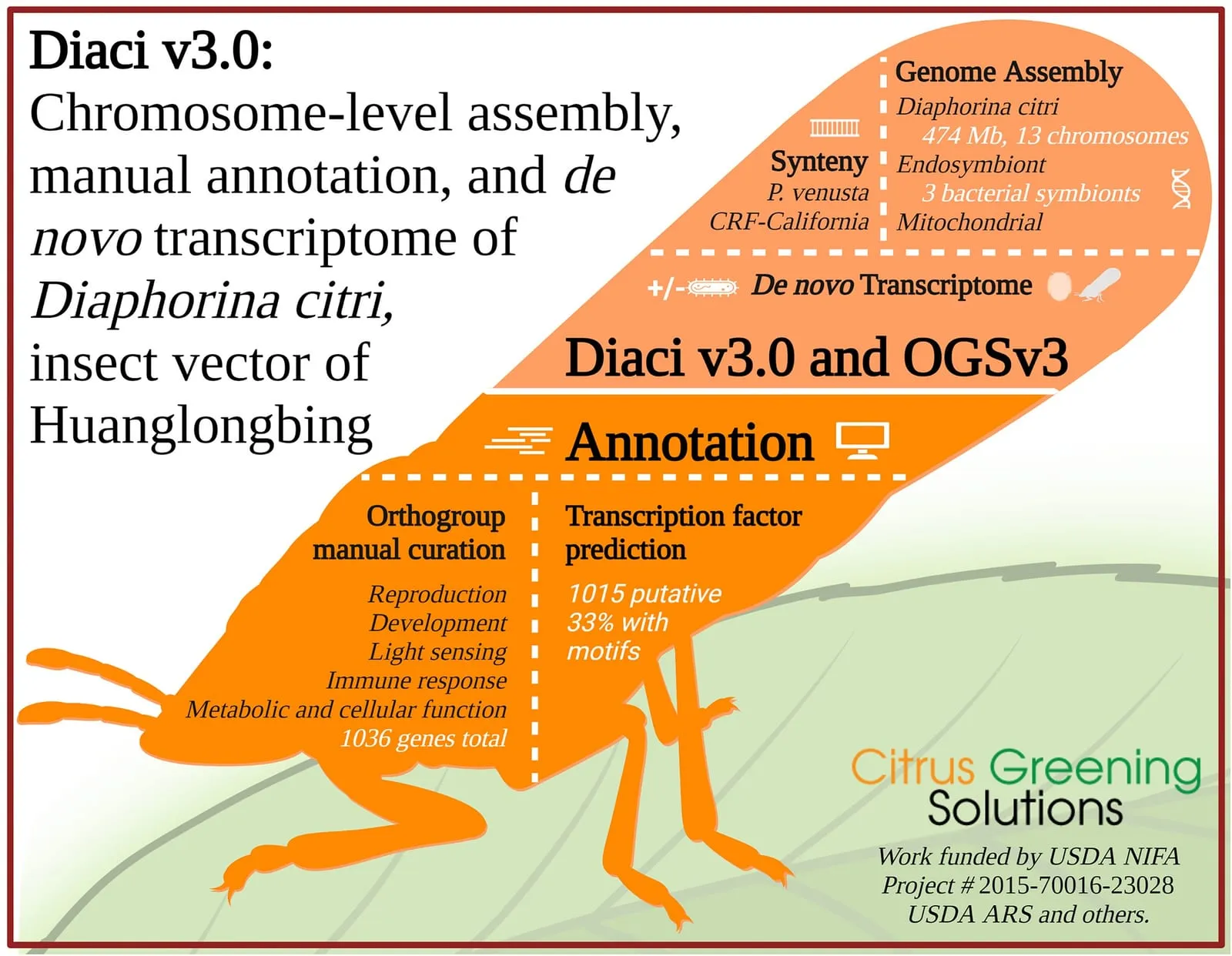
Candidatus Liberibacter asiaticus
Devastating bacterial disease vectored by the Asian citrus psyllid. Once infected, trees decline progressively over several years and there is no cure. Has destroyed commercial citrus across Florida and threatens production worldwide.
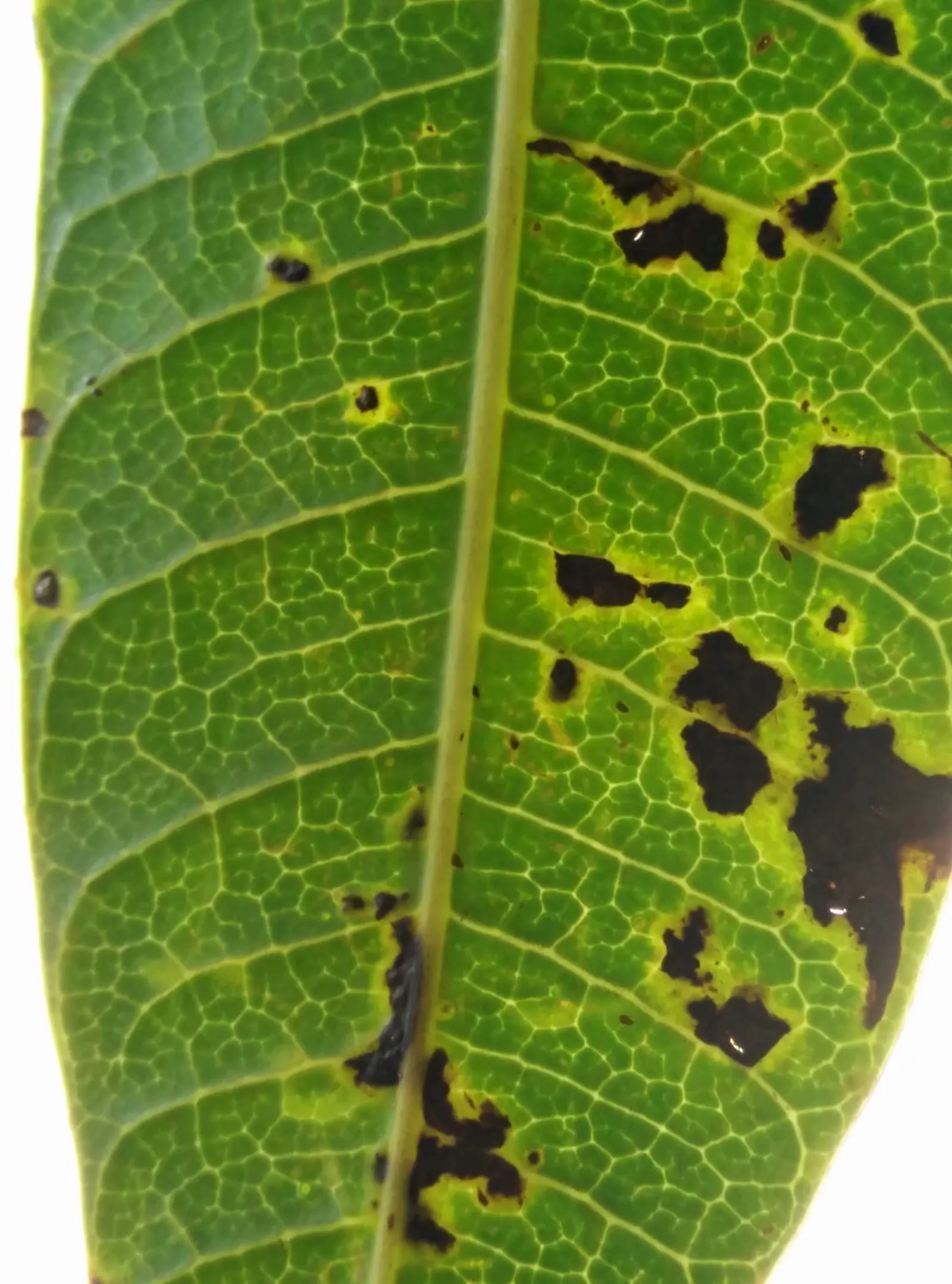
Xanthomonas citri
Bacterial disease producing raised corky lesions on leaves, twigs, and fruit. Spread by wind-driven rain and contaminated tools. Quarantine-regulated in many areas.
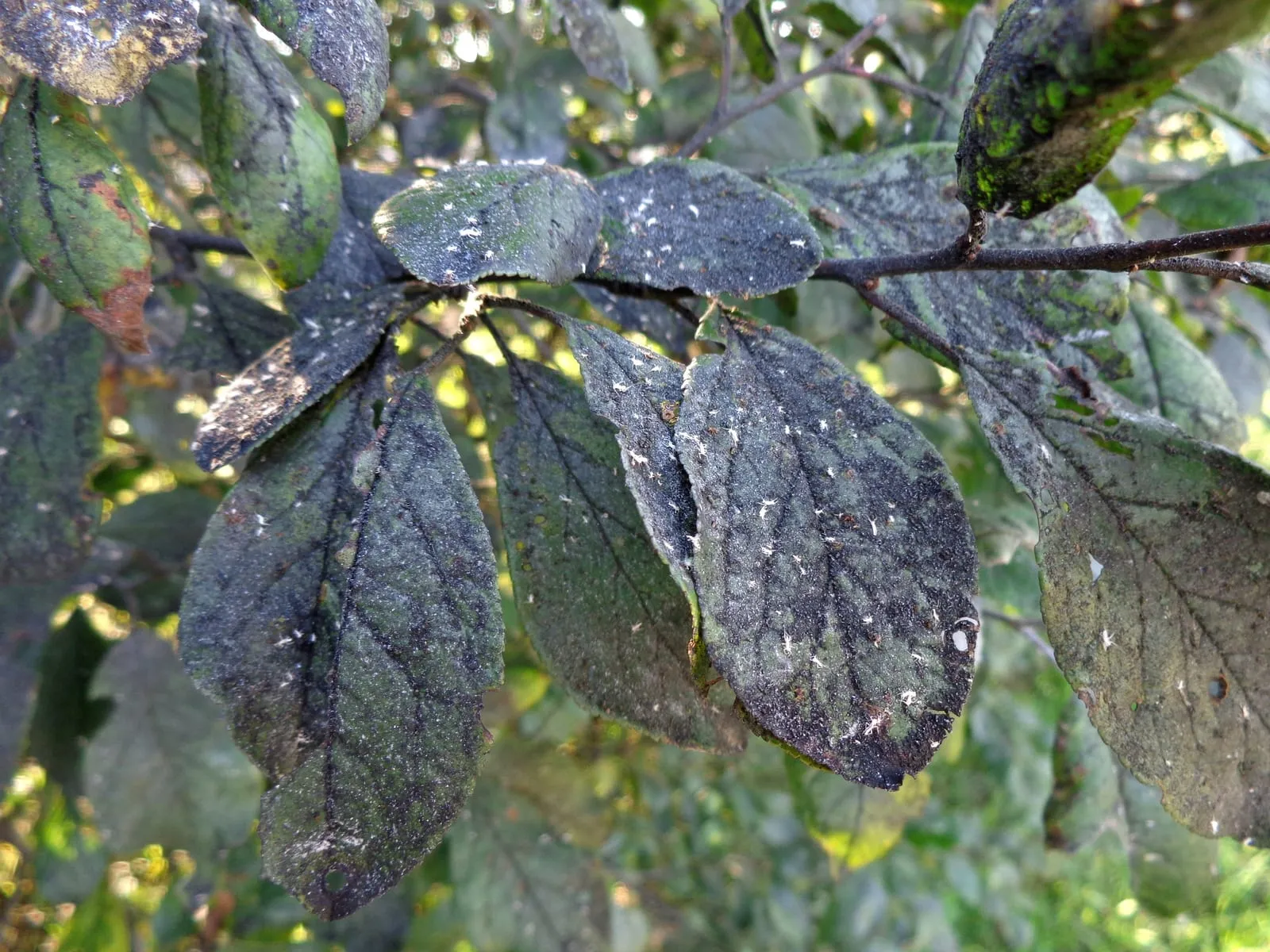
Capnodium spp.
Black fungal coating that grows on honeydew secreted by aphids, scale, mealybugs, and whiteflies. Doesn't infect plant tissue directly but blocks photosynthesis and disfigures fruit.
Modified care for zone 9b
Summer heat is the primary management challenge in zone 9b. Sustained temperatures above 95°F can cause fruit drop and sunscald on exposed bark and branches. Deep, infrequent irrigation during summer is more effective than frequent shallow watering; citrus roots follow moisture downward, and persistently wet surface conditions promote root rot. Mulching to 3 to 4 inches around the drip line moderates soil temperature without touching the trunk.
Citrus Greening (HLB) is present and spreading in many zone 9b regions, particularly in Florida; there is no cure, and management centers on controlling the Asian citrus psyllid vector through monitoring and targeted spraying. Citrus Canker spreads through rain splash and wind; copper-based applications during wet periods reduce spread. Sooty mold follows aphid and whitefly infestations; controlling those insects eliminates the mold.
Orange in adjacent zones
Image: "The orange (specifically, the sweet orange) is the fruit of the citrus species Citrus × sinensis in the family Rutaceae", by David Adam Kess, via Wikimedia Commons, licensed under CC-BY Source.
_is_the_fruit_of_the_citrus_species_Citrus_%C3%97_sinensis_in_the_family_Rutaceae.JPG)
Related