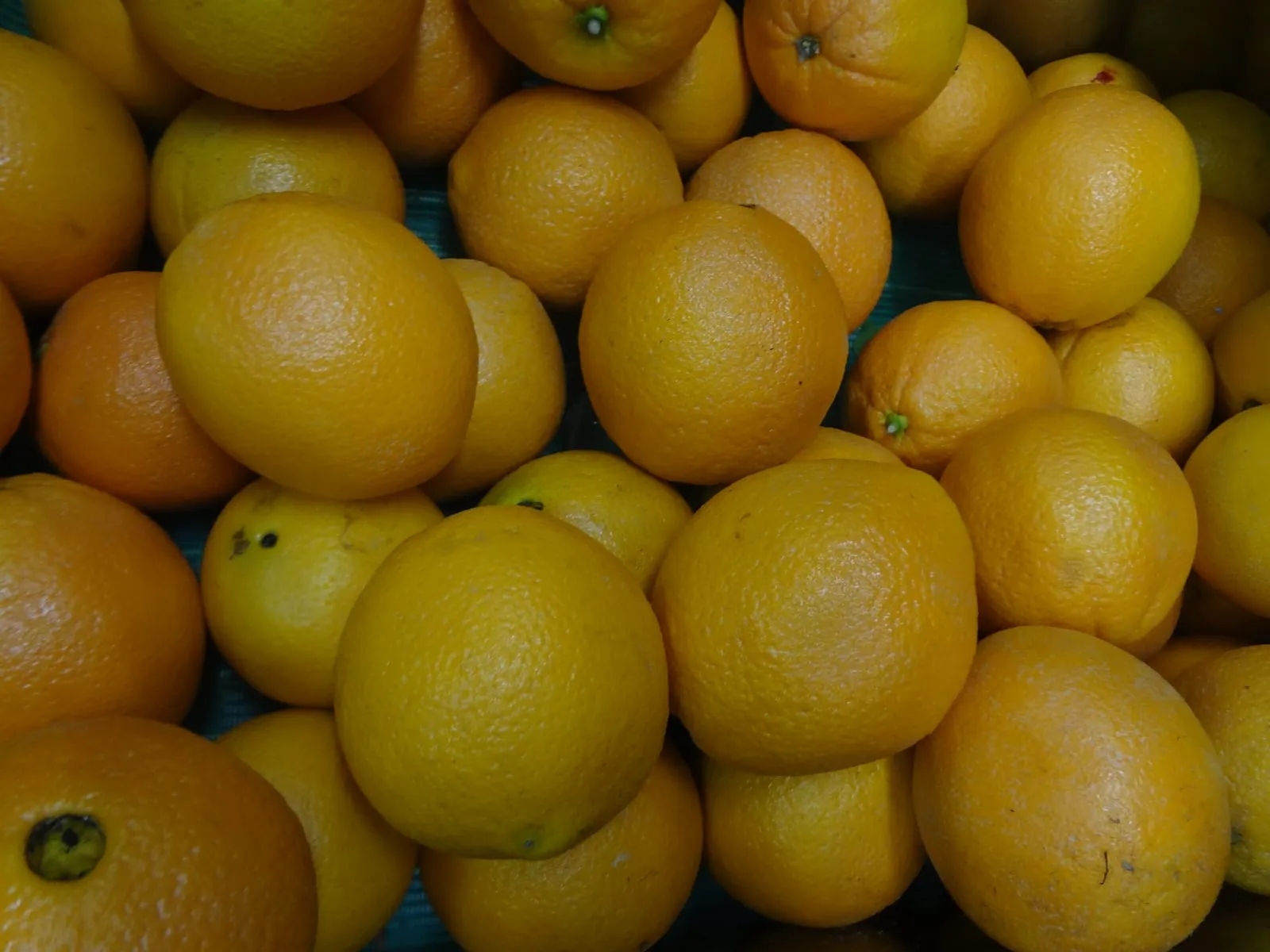
fruit tree in zone 9a
Growing orange in zone 9a
Citrus sinensis
- Zone
- 9a 20°F to 25°F
- Growing season
- 290 days
- Chill needed
- 0 to 100 below 45°F
- Suitable varieties
- 4
- Days to harvest
- 240 to 365
The verdict
Zone 9a is a genuine sweet spot for orange production, not a marginal case. Oranges require as few as 0 chill hours and rarely exceed 100, which aligns almost perfectly with what zone 9a winters deliver. The 290-day growing season provides ample time for fruit development across all major varieties, including the long-maturing Valencia.
The real constraint in zone 9a is not cold, but occasional hard freezes. Minimum winter temperatures of 20 to 25°F can damage mature trees if temperatures drop quickly or hold below 28°F for more than four hours. Young trees are more vulnerable. Established trees of cold-tolerant selections like Hamlin typically recover from brief dips into the low 20s, though crop loss for that season is likely.
Citrus disease pressure, particularly Huanglongbing (HLB), is the more serious long-term concern for zone 9a growers, especially in Florida and Gulf Coast regions where the Asian citrus psyllid vector is established.
Recommended varieties for zone 9a
4 cultivars suited to this zone, with disease-resistance and zone-fit annotations.
| Variety | Notes | Zone fit | Disease resistance |
|---|---|---|---|
| Valencia fits zone 9a | Sweet juice orange with thin skin and few seeds; the king of fresh juice. Late-season; fruit holds 6+ months on the tree without quality loss. | | none noted |
| Washington Navel fits zone 9a | Easy-peel sweet eating orange with the namesake belly button at the blossom end; seedless. Early to mid-season; flavor doesn't hold as long on the tree as Valencia. | | none noted |
| Hamlin fits zone 9a | Mild juicy early-season orange; the workhorse of Florida processing. Cold-hardier than Valencia; better choice in zone 9 marginal sites. | | none noted |
| Cara Cara fits zone 9a | Pink-fleshed navel with low acidity and notes of berry and rose; the pretty fruit on a winter cheese board. Specialty; lower yield than standard navels. | | none noted |
Critical timing for zone 9a
Orange bloom in zone 9a falls primarily in February through April, with peak flowering in March. The bloom window coincides with the tail end of frost risk in most zone 9a locations, which means an unexpected late freeze can damage open flowers and reduce fruit set for that year.
Harvest timing varies considerably by variety. Hamlin, an early-season orange, is typically ready October through December. Washington Navel matures from November into January. Cara Cara follows a similar window. Valencia, the late-season standard, hangs into spring, sometimes through April or May, which makes it an efficient choice for growers who want to extend the fresh-fruit season.
Fruits left on the tree past peak maturity in warm climates can re-green on the rind as temperatures rise in spring, a cosmetic issue that does not affect flavor.
Common challenges in zone 9a
- ▸ Limited stone fruit options due to insufficient chill
- ▸ Hurricane and tropical storm exposure
- ▸ Citrus disease pressure
Disease pressure to watch for
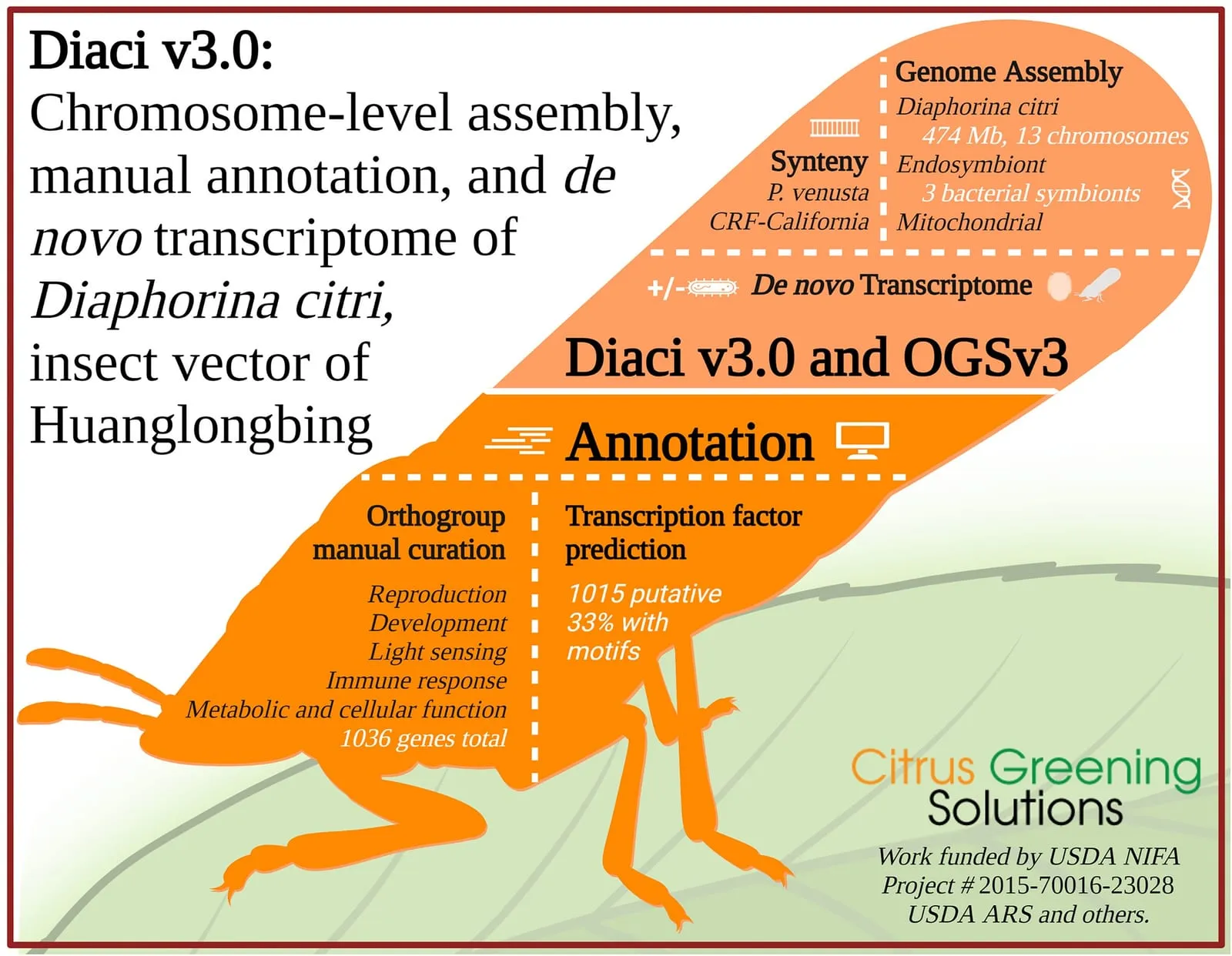
Candidatus Liberibacter asiaticus
Devastating bacterial disease vectored by the Asian citrus psyllid. Once infected, trees decline progressively over several years and there is no cure. Has destroyed commercial citrus across Florida and threatens production worldwide.
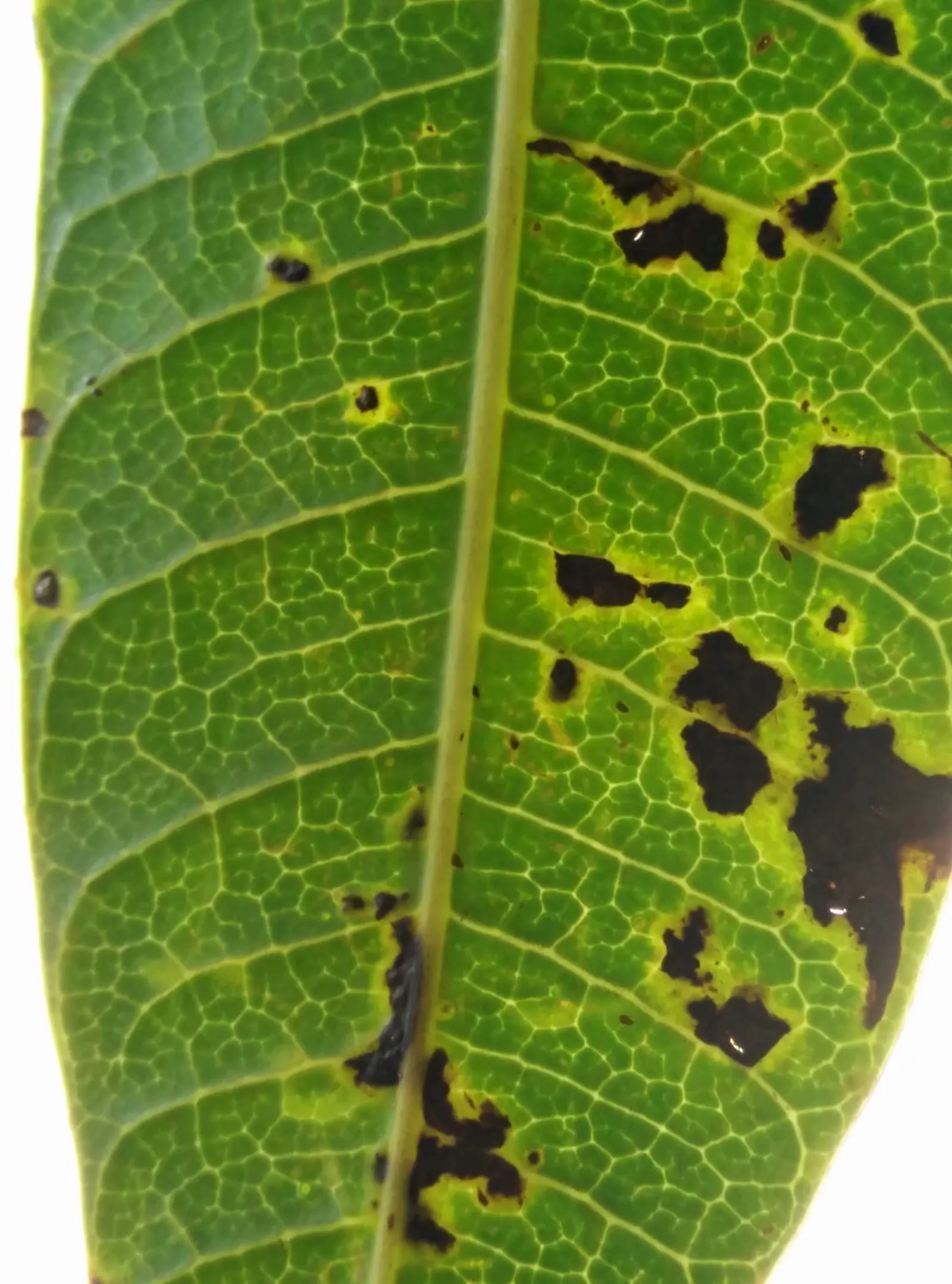
Xanthomonas citri
Bacterial disease producing raised corky lesions on leaves, twigs, and fruit. Spread by wind-driven rain and contaminated tools. Quarantine-regulated in many areas.
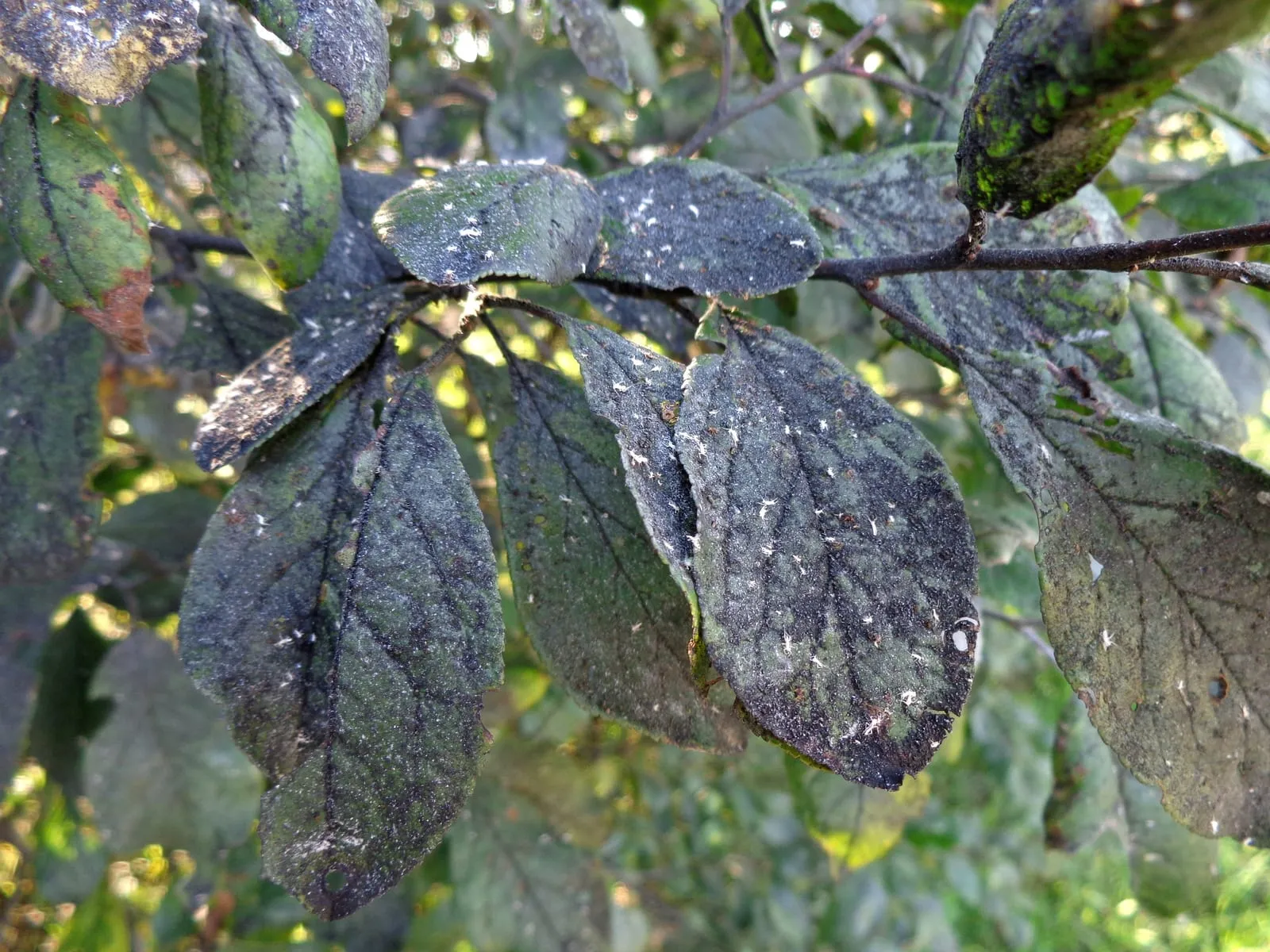
Capnodium spp.
Black fungal coating that grows on honeydew secreted by aphids, scale, mealybugs, and whiteflies. Doesn't infect plant tissue directly but blocks photosynthesis and disfigures fruit.
Modified care for zone 9a
Zone 9a growers should prioritize young tree protection during the first three winters. Wrapping trunks with frost cloth or using passive heat sources (such as incandescent string lights under a covering) when temperatures are forecast below 28°F can prevent cambium damage before the tree is established enough to recover on its own.
HLB management is non-negotiable in areas where the Asian citrus psyllid is present. Scout for the distinctive asymmetric yellowing (blotchy mottle) on leaves and monitor for psyllid adults and nymphs on new flush growth. There is no cure for HLB; removal of infected trees is the only way to reduce spread within a planting.
Sooty mold, which colonizes the honeydew secreted by whiteflies and aphids, is primarily a symptom of insect pressure rather than a primary pathogen. Controlling the underlying pest population through horticultural oil sprays applied to new growth reduces mold incidence without fungicide applications.
Orange in adjacent zones
Image: "The orange (specifically, the sweet orange) is the fruit of the citrus species Citrus × sinensis in the family Rutaceae", by David Adam Kess, via Wikimedia Commons, licensed under CC-BY Source.
_is_the_fruit_of_the_citrus_species_Citrus_%C3%97_sinensis_in_the_family_Rutaceae.JPG)
Related