fruit tree in zone 11a
Growing orange in zone 11a
Citrus sinensis
- Zone
- 11a 40°F to 45°F
- Growing season
- 365 days
- Chill needed
- 0 to 100 below 45°F
- Suitable varieties
- 4
- Days to harvest
- 240 to 365
The verdict
Zone 11a is a strong fit for orange cultivation. With minimum winter temperatures between 40 and 45°F and a full 365-day growing season, the climate matches what oranges need: warmth year-round, no frost risk, and enough mild weather to satisfy the crop's modest chill-hour requirement. Oranges need between 0 and 100 chill hours depending on variety, a threshold zone 11a meets without difficulty in most years.
This is not a marginal zone for citrus. It is near the center of orange's viable range. Varieties like Hamlin, Valencia, Washington Navel, and Cara Cara all perform reliably here. The absence of hard freezes means trees are not stressed by cold events that can damage wood, drop fruit prematurely, or trigger irregular blooming cycles.
The real limiting factors in zone 11a are biological rather than climatic. Citrus Greening (HLB) pressure is severe in many tropical climates, and year-round warmth sustains pest populations that colder zones suppress naturally through winter. Disease management, not climate suitability, is the primary constraint growers face here.
Recommended varieties for zone 11a
4 cultivars suited to this zone, with disease-resistance and zone-fit annotations.
| Variety | Notes | Zone fit | Disease resistance |
|---|---|---|---|
| Valencia fits zone 11a | Sweet juice orange with thin skin and few seeds; the king of fresh juice. Late-season; fruit holds 6+ months on the tree without quality loss. | | none noted |
| Washington Navel fits zone 11a | Easy-peel sweet eating orange with the namesake belly button at the blossom end; seedless. Early to mid-season; flavor doesn't hold as long on the tree as Valencia. | | none noted |
| Hamlin fits zone 11a | Mild juicy early-season orange; the workhorse of Florida processing. Cold-hardier than Valencia; better choice in zone 9 marginal sites. | | none noted |
| Cara Cara fits zone 11a | Pink-fleshed navel with low acidity and notes of berry and rose; the pretty fruit on a winter cheese board. Specialty; lower yield than standard navels. | | none noted |
Critical timing for zone 11a
Oranges in zone 11a bloom predominantly in late winter and early spring, typically February through April, though warm-climate trees can produce secondary flushes at other times of year. There is no frost timing concern in zone 11a; bloom windows are not compressed by late-frost risk or disrupted by early cold damage.
Harvest timing varies by variety. Hamlin, an early-season selection, matures from October through December. Washington Navel peaks November through January. Valencia, the late-season standard, ripens from March through June and can hold on the tree for months without significant quality loss. Cara Cara follows a similar window to Navel types.
Because zone 11a has no meaningful winter, fruit skin color development can be incomplete even when sugar content is high. Oranges grown here may remain green or only partially orange-colored at full maturity. Internal ripeness and brix, not skin color, are the reliable harvest indicators.
Common challenges in zone 11a
- ▸ No temperate fruit potential
- ▸ Year-round pest pressure
- ▸ Specialized crop selection
Disease pressure to watch for
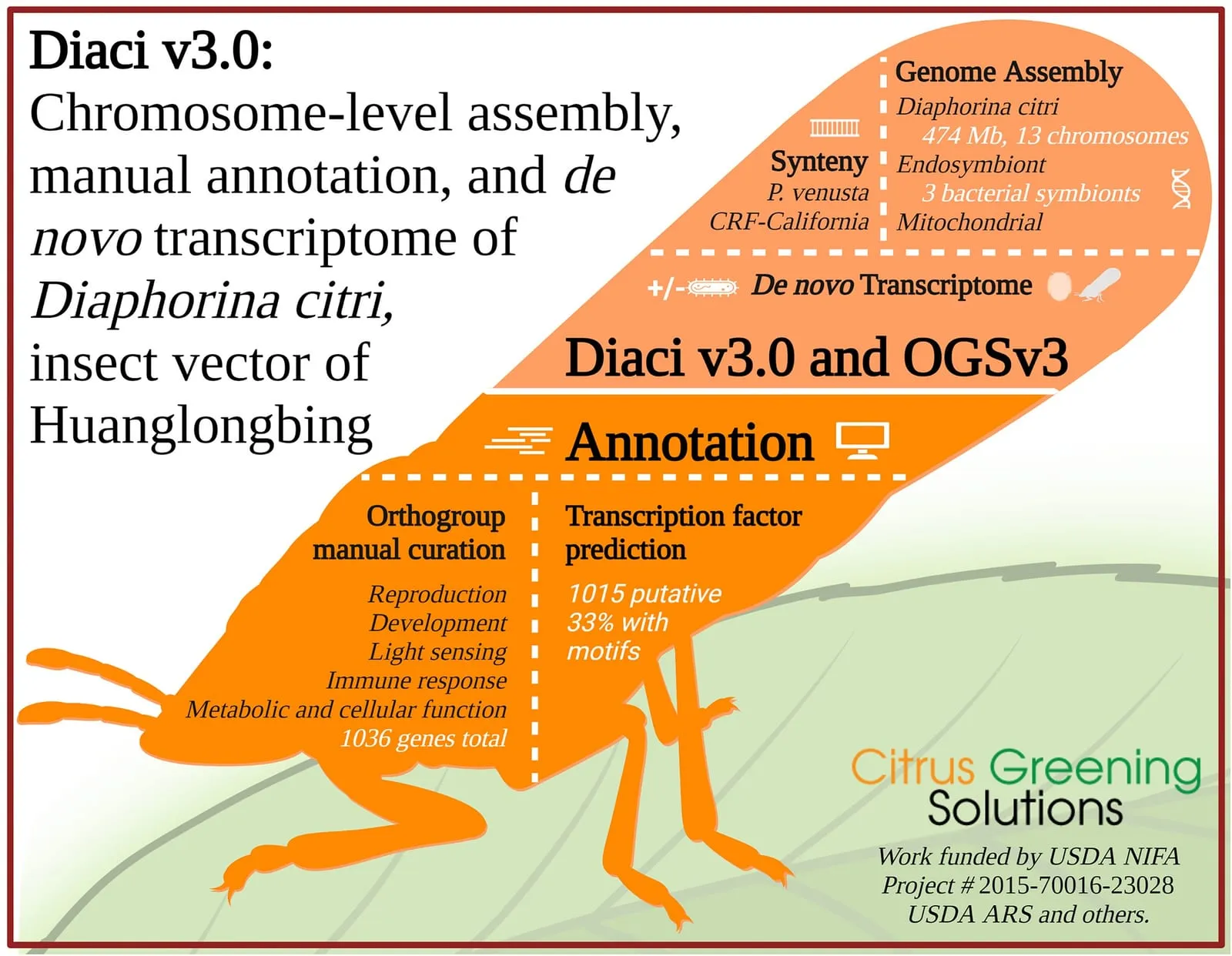
Candidatus Liberibacter asiaticus
Devastating bacterial disease vectored by the Asian citrus psyllid. Once infected, trees decline progressively over several years and there is no cure. Has destroyed commercial citrus across Florida and threatens production worldwide.
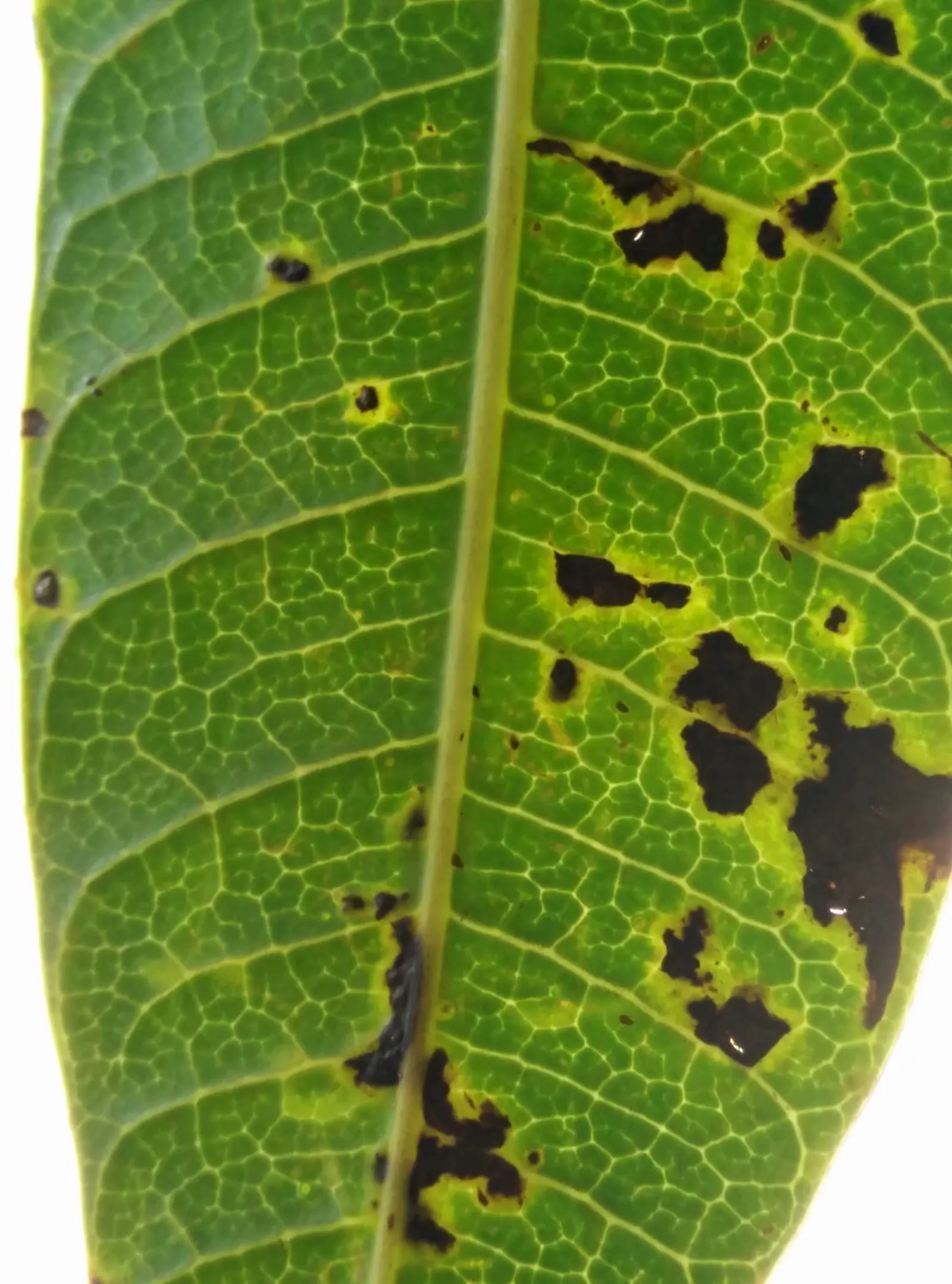
Xanthomonas citri
Bacterial disease producing raised corky lesions on leaves, twigs, and fruit. Spread by wind-driven rain and contaminated tools. Quarantine-regulated in many areas.
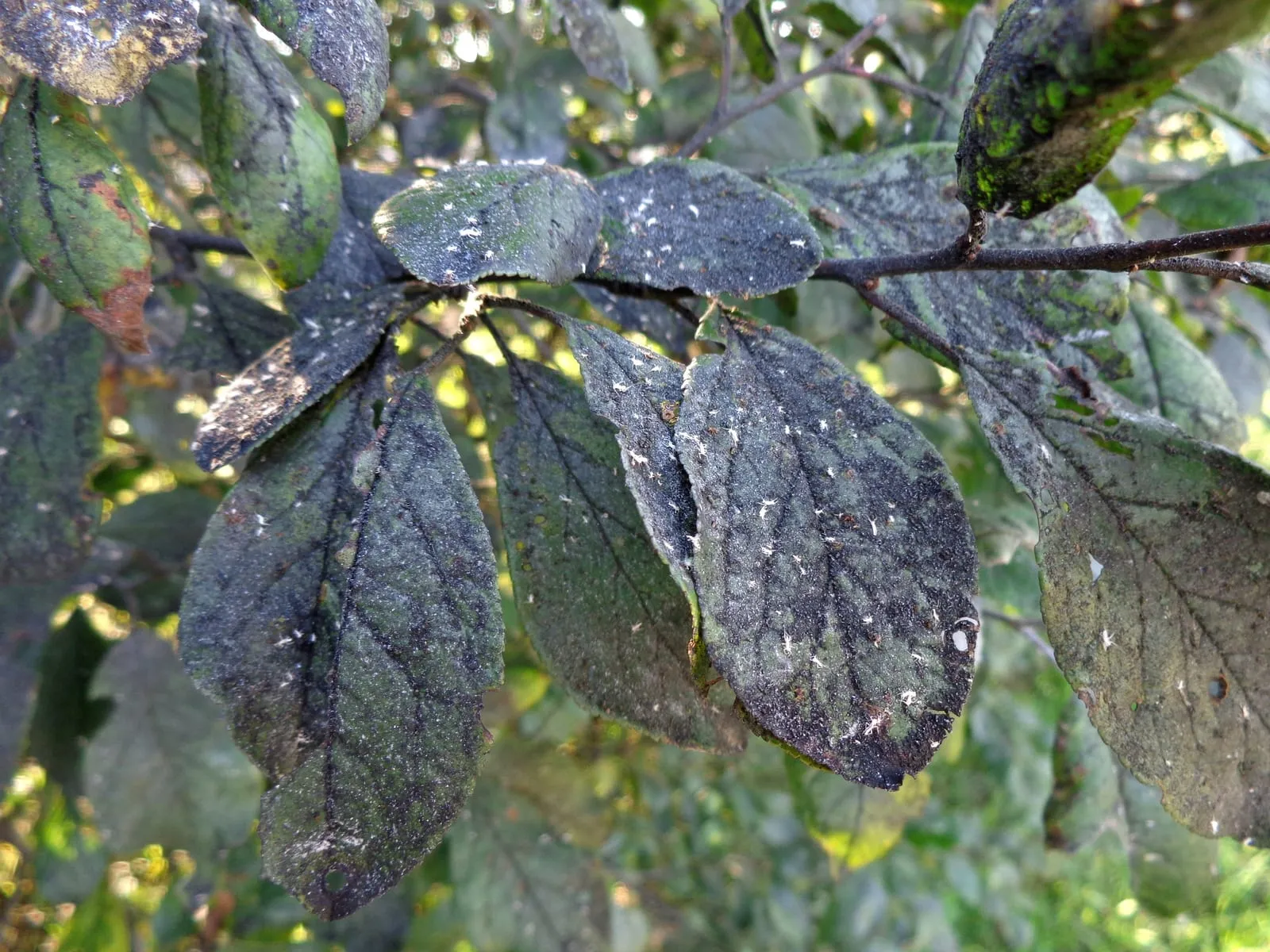
Capnodium spp.
Black fungal coating that grows on honeydew secreted by aphids, scale, mealybugs, and whiteflies. Doesn't infect plant tissue directly but blocks photosynthesis and disfigures fruit.
Modified care for zone 11a
No winter protection is required in zone 11a. The focus shifts entirely to managing the pressures that warm, humid climates intensify.
Citrus Greening (HLB), spread by the Asian citrus psyllid, is the most serious threat. There is no cure; management centers on psyllid suppression through regular monitoring and targeted insecticide applications, prompt removal of symptomatic trees, and sourcing only certified disease-free nursery stock. In zones where HLB is endemic, this is an ongoing commitment rather than an occasional task.
Sooty mold follows soft-bodied insects (scale, whitefly, aphids) that persist year-round in zone 11a. Keeping insect populations in check prevents the honeydew deposits that fuel mold growth. Citrus Canker spreads through wind-driven rain; copper-based bactericides applied before and after wet seasons offer partial protection. Irrigation management also matters more here than in cooler zones, as high evapotranspiration rates mean drought stress during fruit development can meaningfully reduce yield and fruit size.
Frequently asked questions
- Is zone 11a a good climate for growing oranges?
Yes, zone 11a is well within the viable range for orange cultivation. The 365-day growing season and minimum temperatures of 40 to 45°F support reliable fruiting across multiple varieties including Hamlin, Valencia, Washington Navel, and Cara Cara. Climate suitability is not the limiting factor here.
- What is the biggest threat to orange trees in zone 11a?
Citrus Greening (HLB) is the primary concern. Spread by the Asian citrus psyllid, HLB has no cure and is most prevalent in warm tropical climates. Consistent psyllid monitoring, use of certified disease-free nursery stock, and prompt removal of symptomatic trees are the only available management strategies.
- Why do oranges stay green even when ripe in warm climates?
Citrus fruit color requires cool nights to trigger chlorophyll breakdown in the skin. In zone 11a, oranges frequently reach full sugar development while remaining green or partially green externally. Skin color is not a reliable harvest indicator in tropical climates; internal brix and juice development are better guides.
- Which orange variety does best in zone 11a?
Valencia and Hamlin are the most reliably productive in tropical conditions. Valencia's ability to hold fruit on the tree for an extended window without loss of quality is a practical advantage in zone 11a's year-round warmth. Washington Navel and Cara Cara are viable but may show less consistent coloring.
+−
+−
+−
+−
Orange in adjacent zones
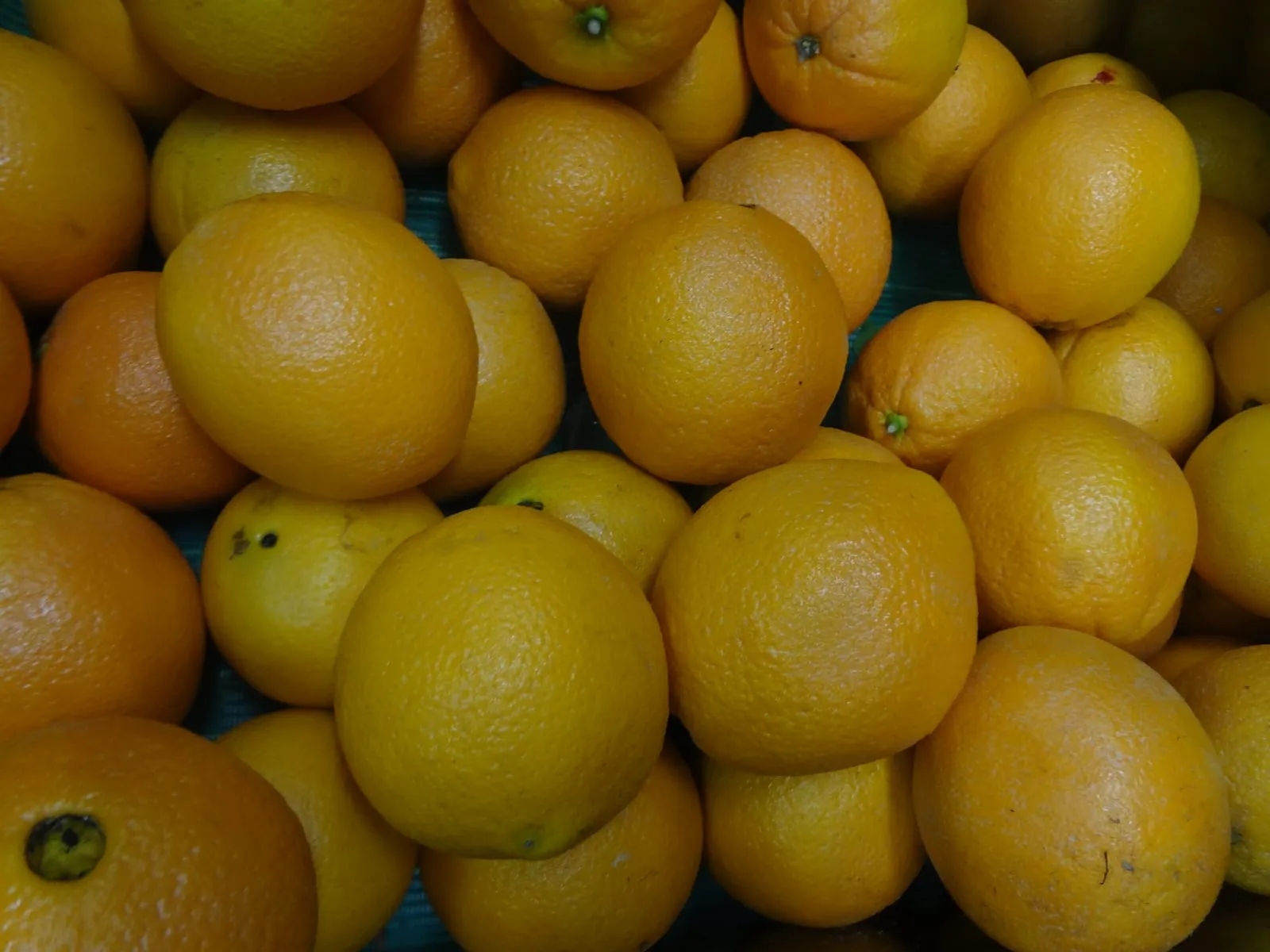
Image: "The orange (specifically, the sweet orange) is the fruit of the citrus species Citrus × sinensis in the family Rutaceae", by David Adam Kess, via Wikimedia Commons, licensed under CC-BY Source.
_is_the_fruit_of_the_citrus_species_Citrus_%C3%97_sinensis_in_the_family_Rutaceae.JPG)
Related