fruit tree in zone 11b
Growing orange in zone 11b
Citrus sinensis
- Zone
- 11b 45°F to 50°F
- Growing season
- 365 days
- Chill needed
- 0 to 100 below 45°F
- Suitable varieties
- 3
- Days to harvest
- 240 to 365
The verdict
Zone 11b is well within the core range for orange production. Minimum winter temperatures staying between 45 and 50°F present no frost risk to established trees, and the 365-day growing season eliminates the cold dormancy constraints that limit citrus in marginal zones. Orange varieties require 0 to 100 chill hours, a threshold zone 11b easily meets even in cooler winters without risking heat accumulation deficits during summer.
Valencia, Washington Navel, and Cara Cara all perform reliably here. Valencia especially benefits from the extended warm season, which allows fruit to remain on the tree through spring and summer without cold-damage risk. Washington Navel and Cara Cara tend to color up best where nights dip into the low 50s during ripening months; in the warmest pockets of 11b, internal sugar development may outpace peel coloration, producing fruit that tastes ripe but looks green. This is cosmetic and does not affect eating quality.
The binding constraints in this zone are biological, not thermal: year-round pest pressure and the presence of Citrus Greening (HLB) in Florida, Hawaii, and coastal California regions where 11b occurs.
Recommended varieties for zone 11b
3 cultivars suited to this zone, with disease-resistance and zone-fit annotations.
| Variety | Notes | Zone fit | Disease resistance |
|---|---|---|---|
| Valencia fits zone 11b | Sweet juice orange with thin skin and few seeds; the king of fresh juice. Late-season; fruit holds 6+ months on the tree without quality loss. | | none noted |
| Washington Navel fits zone 11b | Easy-peel sweet eating orange with the namesake belly button at the blossom end; seedless. Early to mid-season; flavor doesn't hold as long on the tree as Valencia. | | none noted |
| Cara Cara fits zone 11b | Pink-fleshed navel with low acidity and notes of berry and rose; the pretty fruit on a winter cheese board. Specialty; lower yield than standard navels. | | none noted |
Critical timing for zone 11b
Without frost risk, bloom timing in zone 11b is governed by temperature accumulation and day length rather than cold-avoidance strategy. Primary bloom typically occurs in late winter to early spring, though secondary flushes are common in warmer months. This can result in multiple fruit sets on the tree simultaneously, a trait more pronounced in Valencia than in navel types.
Harvest windows vary meaningfully by variety. Washington Navel and Cara Cara generally ripen November through February. Valencia runs later, with peak harvest from March through June, and fruit can hold on the tree well past that without significant quality loss in consistently warm climates.
Because zone 11b carries no meaningful late-frost window, bloom timing does not need to be managed around cold events. Growers can allow natural phenology to dictate flowering without the protective interventions required in zones 8 through 10.
Common challenges in zone 11b
- ▸ Year-round pest pressure
- ▸ Salt spray near coasts
- ▸ No winter dormancy for traditional temperate species
Disease pressure to watch for
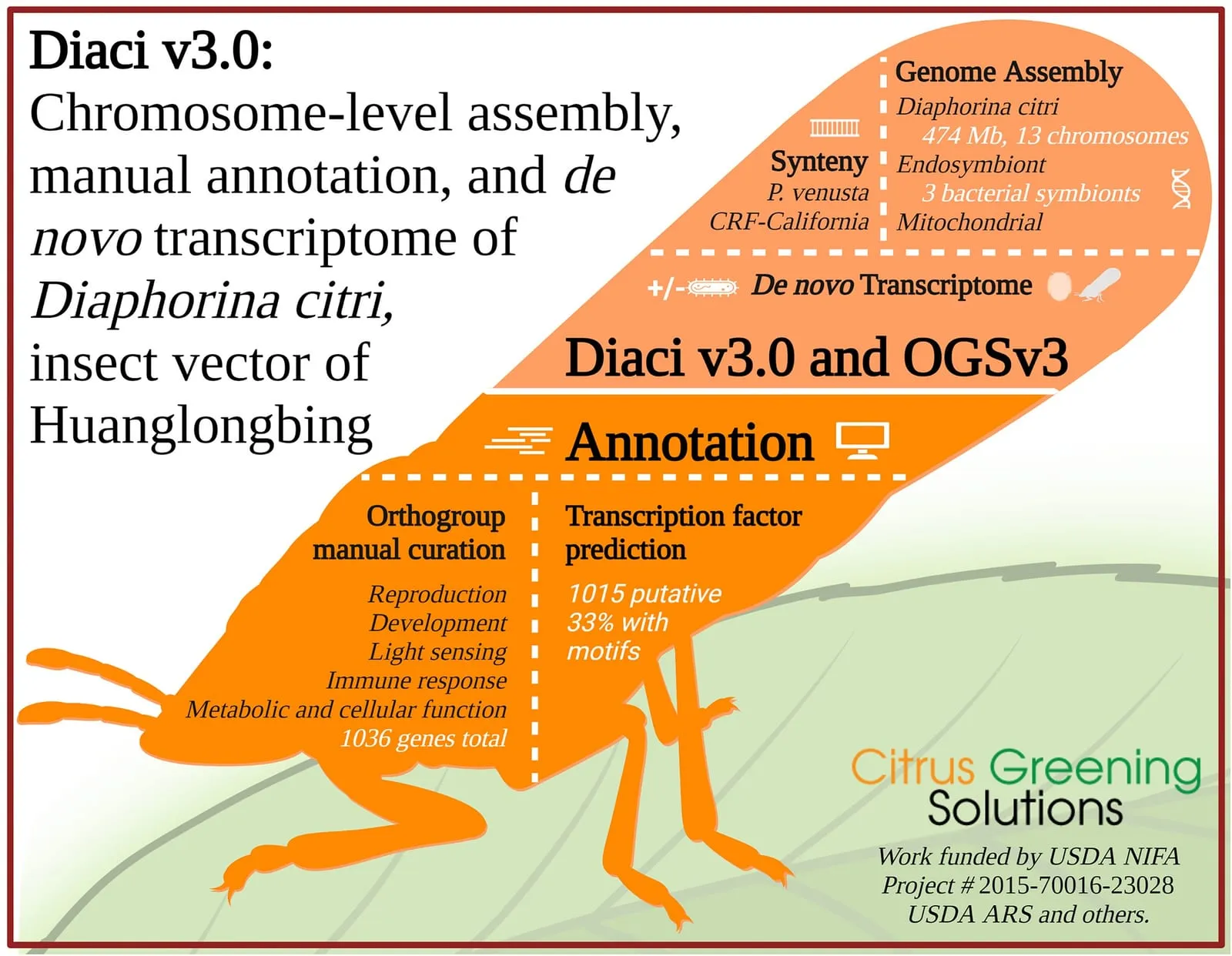
Candidatus Liberibacter asiaticus
Devastating bacterial disease vectored by the Asian citrus psyllid. Once infected, trees decline progressively over several years and there is no cure. Has destroyed commercial citrus across Florida and threatens production worldwide.
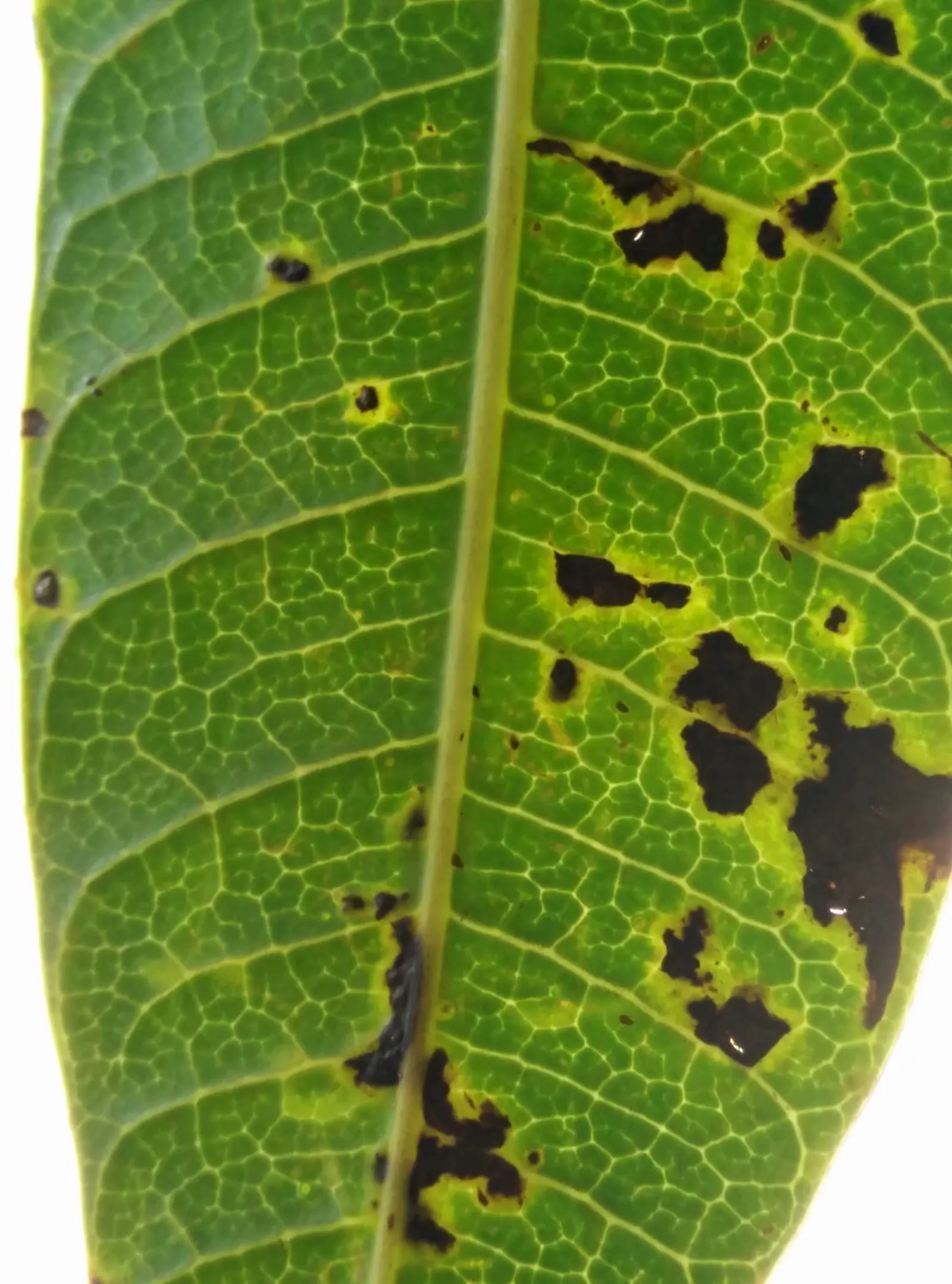
Xanthomonas citri
Bacterial disease producing raised corky lesions on leaves, twigs, and fruit. Spread by wind-driven rain and contaminated tools. Quarantine-regulated in many areas.
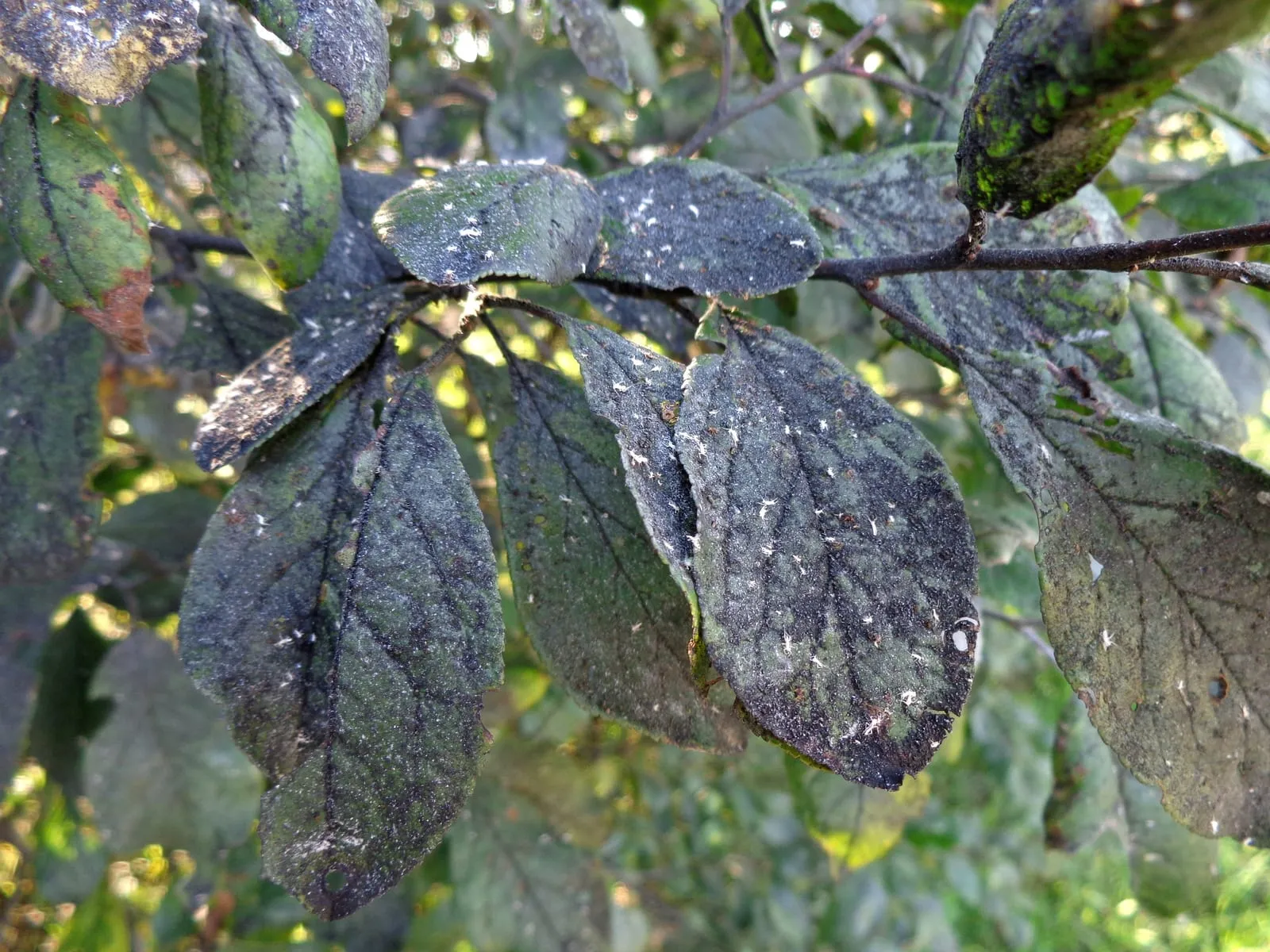
Capnodium spp.
Black fungal coating that grows on honeydew secreted by aphids, scale, mealybugs, and whiteflies. Doesn't infect plant tissue directly but blocks photosynthesis and disfigures fruit.
Modified care for zone 11b
The primary management shift in zone 11b is from cold protection to continuous pest and disease vigilance. Year-round warmth sustains Asian citrus psyllid populations at levels not seen in cooler zones; since psyllid is the vector for Citrus Greening (HLB), scouting frequency should increase to monthly at minimum. There is currently no cure for HLB-infected trees; early removal of symptomatic wood or entire trees limits spread.
Coastal 11b sites face salt spray accumulation on foliage and in soil. Periodic deep irrigation to leach salt below the root zone reduces sodium toxicity, and a windbreak on the seaward side meaningfully reduces foliar salt load.
Sooty mold is a secondary symptom of aphid, whitefly, or scale infestations rather than a primary pathogen. Managing the insects that produce honeydew eliminates most sooty mold without direct fungicide treatment. Citrus Canker, where present, spreads fastest during wet, windy conditions; copper-based bactericides applied before rain events are the standard protocol in affected regions.
Frequently asked questions
- Can orange trees grow year-round in zone 11b?
Yes. Zone 11b's frost-free climate and 365-day growing season are well-suited to orange production. Trees do not go dormant, so irrigation, fertilization, and pest management remain active tasks throughout the year rather than pausing in winter.
- Which orange variety does best in zone 11b?
Valencia is particularly well-matched to zone 11b because it benefits from extended warm seasons for flavor development and holds well on the tree into summer. Washington Navel and Cara Cara also perform reliably, though their peel coloration may lag behind sugar development in the warmest microclimates.
- Is Citrus Greening (HLB) a real risk in zone 11b?
In many 11b regions, especially Florida and Hawaii, HLB is an active threat. The disease is spread by Asian citrus psyllid, which thrives in warm climates. There is no cure; management focuses on psyllid suppression and prompt removal of infected material to slow spread.
- Do orange trees in zone 11b need any winter protection?
Generally no. Minimum temperatures of 45 to 50°F pose no frost risk to established citrus. Newly planted trees benefit from wind protection in coastal locations, primarily against salt spray rather than cold.
+−
+−
+−
+−
Orange in adjacent zones
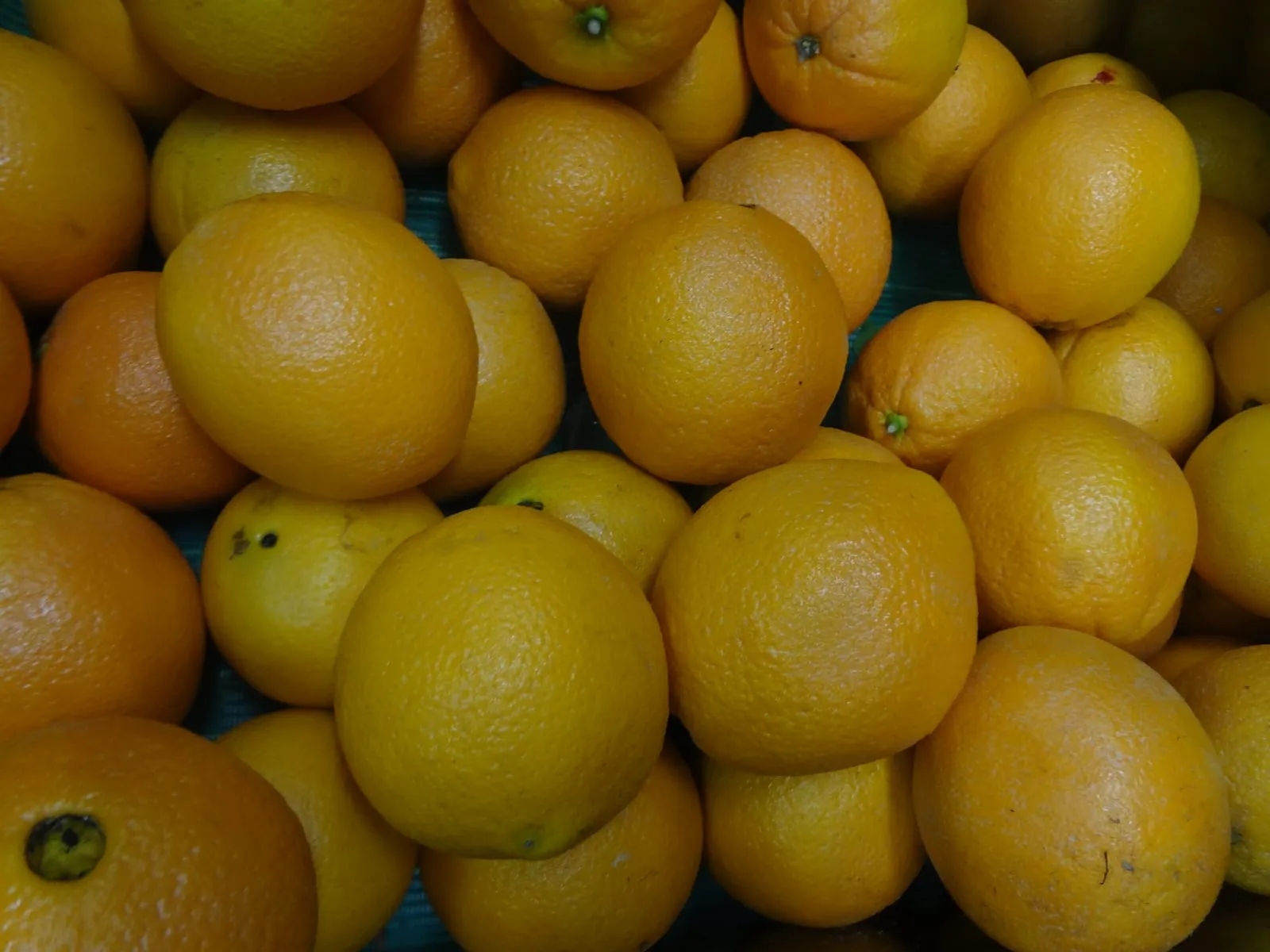
Image: "The orange (specifically, the sweet orange) is the fruit of the citrus species Citrus × sinensis in the family Rutaceae", by David Adam Kess, via Wikimedia Commons, licensed under CC-BY Source.
_is_the_fruit_of_the_citrus_species_Citrus_%C3%97_sinensis_in_the_family_Rutaceae.JPG)
Related