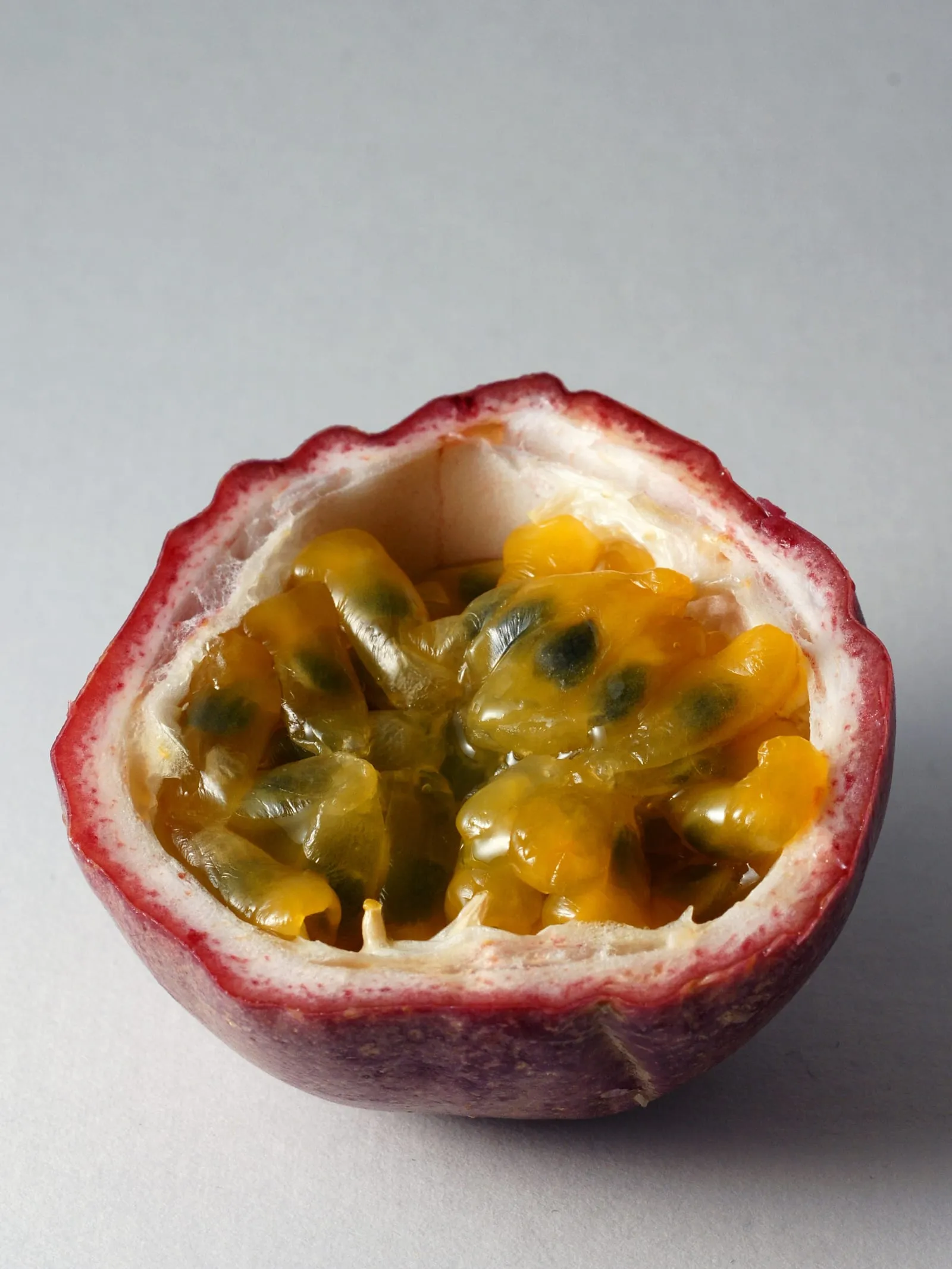
berry in zone 11b
Growing passionfruit in zone 11b
Passiflora edulis
- Zone
- 11b 45°F to 50°F
- Growing season
- 365 days
- Chill needed
- 0 below 45°F
- Suitable varieties
- 3
- Days to harvest
- 240 to 365
The verdict
Zone 11b sits at the warm end of passionfruit's preferred range, with minimum winter temperatures of 45 to 50°F and a full 365-day growing season. Passionfruit requires 0 chill hours, so the absence of any meaningful cold period is not a limitation here; it is an asset. This is a genuine sweet spot for the crop, particularly for Yellow (Flavicarpa), which performs best in tropical lowland conditions.
Purple Possum and Frederick are better suited to slightly cooler tropical climates, so they may show reduced fruit set during the hottest months, but cold damage is not a concern. The year-round warmth supports continuous vine growth and multiple fruiting cycles annually, something that is not possible in cooler zones. Growers closer to the coast should note that salt spray can stress vines even when temperatures remain favorable throughout the year.
Recommended varieties for zone 11b
3 cultivars suited to this zone, with disease-resistance and zone-fit annotations.
| Variety | Notes | Zone fit | Disease resistance |
|---|---|---|---|
| Purple Possum fits zone 11b | Tart-sweet aromatic pulp with intense floral notes; the standard purple variety for fresh eating and juice. Self-fertile and reliable in marginal zones. | | none noted |
| Frederick fits zone 11b | Larger sweeter purple passionfruit with less acid bite; better for fresh eating without sugar. Self-fertile; vigorous vine. | | none noted |
| Yellow (Flavicarpa) fits zone 11b | Larger yellow-skinned tart-tropical fruit; the juice industry standard. Needs cross-pollination; plant two vines. | | none noted |
Critical timing for zone 11b
With no frost risk in zone 11b, bloom timing is driven by vine maturity and seasonal moisture patterns rather than temperature thresholds. Established vines can bloom across multiple flushes throughout the year. The main flowering peak typically aligns with dry-to-wet season transitions, when days shorten slightly and temperatures moderate from their summer peak.
From bloom to ripe fruit, passionfruit takes roughly 60 to 80 days depending on variety. Yellow Flavicarpa tends to mature somewhat faster than purple-fruited types. A well-established vine in zone 11b may produce harvestable fruit in 10 of the 12 calendar months, with brief lulls during the most intense heat rather than during any cold period.
Common challenges in zone 11b
- ▸ Year-round pest pressure
- ▸ Salt spray near coasts
- ▸ No winter dormancy for traditional temperate species
Disease pressure to watch for
Modified care for zone 11b
The primary adjustments in zone 11b are managing year-round pest pressure and heat stress, not cold protection. Stink bugs, passion vine hoppers, and fruit flies remain active without a cold season to reduce their populations; weekly scouting is more productive than calendar-based spray schedules.
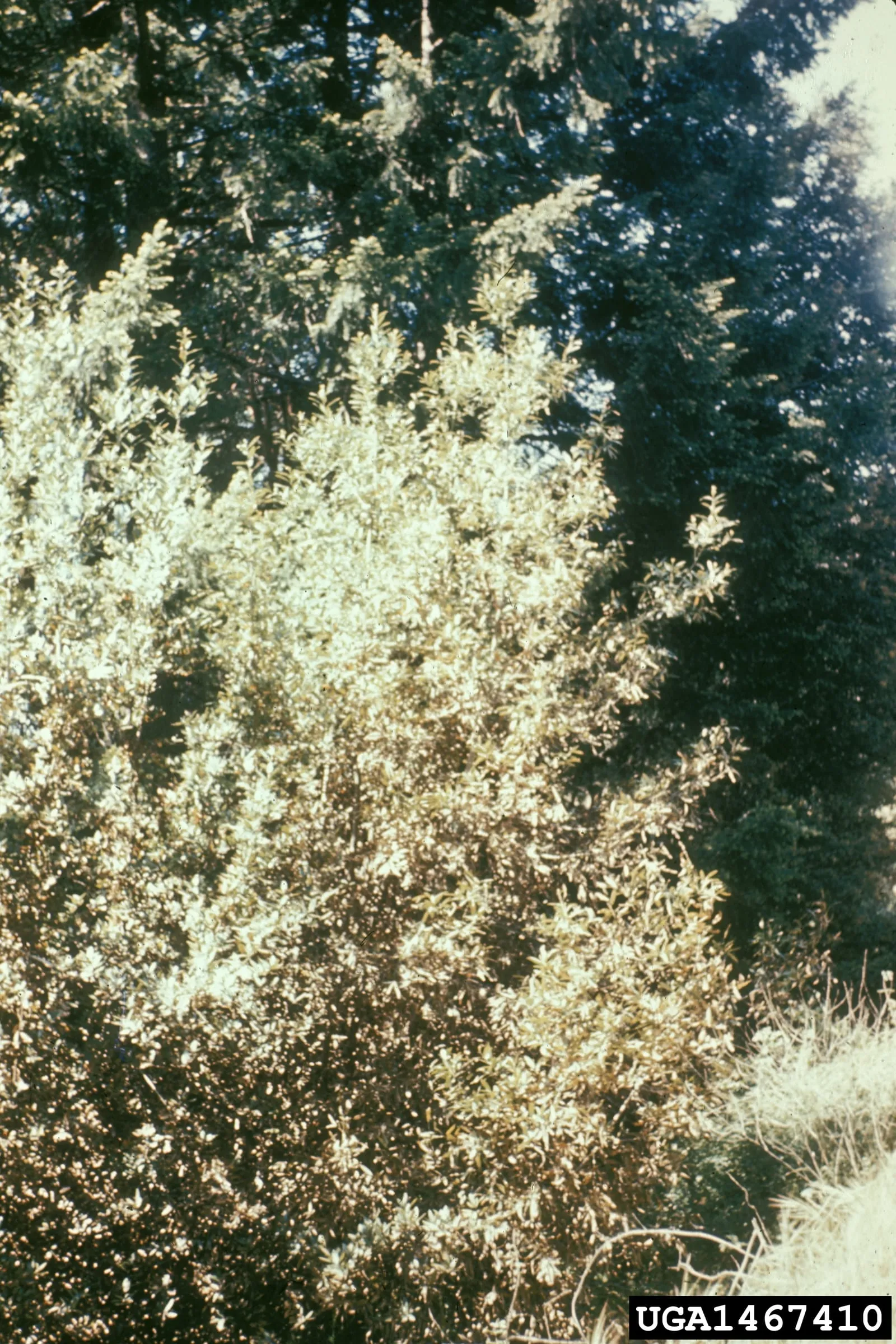
Mango Anthracnose, a fungal pathogen active across many tropical fruit crops, can spread to passionfruit in persistently humid conditions. Remove infected tissue promptly and improve air circulation through regular pruning to reduce its foothold. Coastal plantings face salt spray accumulation on foliage; a periodic freshwater rinse during dry stretches limits leaf scorch. Yellow Flavicarpa handles the heat and humidity of zone 11b better than purple varieties, which may benefit from afternoon shade cloth during peak summer. Strong trellis support is essential given the vigorous growth rates the climate encourages.
Frequently asked questions
- Is zone 11b too hot for passionfruit?
Not for the right varieties. Yellow (Flavicarpa) is specifically adapted to tropical lowland heat and performs well in zone 11b. Purple-fruited types like Frederick and Purple Possum can struggle during the hottest months but will not die from heat the way they might from cold in marginal zones.
- How many times per year does passionfruit fruit in zone 11b?
Established vines in zone 11b can produce two or more distinct fruiting cycles annually, with some yield nearly year-round. The main lulls occur during peak summer heat rather than winter, since there is no cold dormancy period.
- Does passionfruit near the coast in zone 11b need special care?
Salt spray is the main coastal concern. It accumulates on leaves during dry periods and causes scorch that weakens the vine over time. A periodic rinse with fresh water during dry stretches, combined with a sheltered planting location, helps coastal plantings stay productive.
+−
+−
+−
Passionfruit in adjacent zones
Image: "Passiflora Edulis Open Fruit2", by Alexander Klink, via Wikimedia Commons, licensed under CC-BY Source.

Related