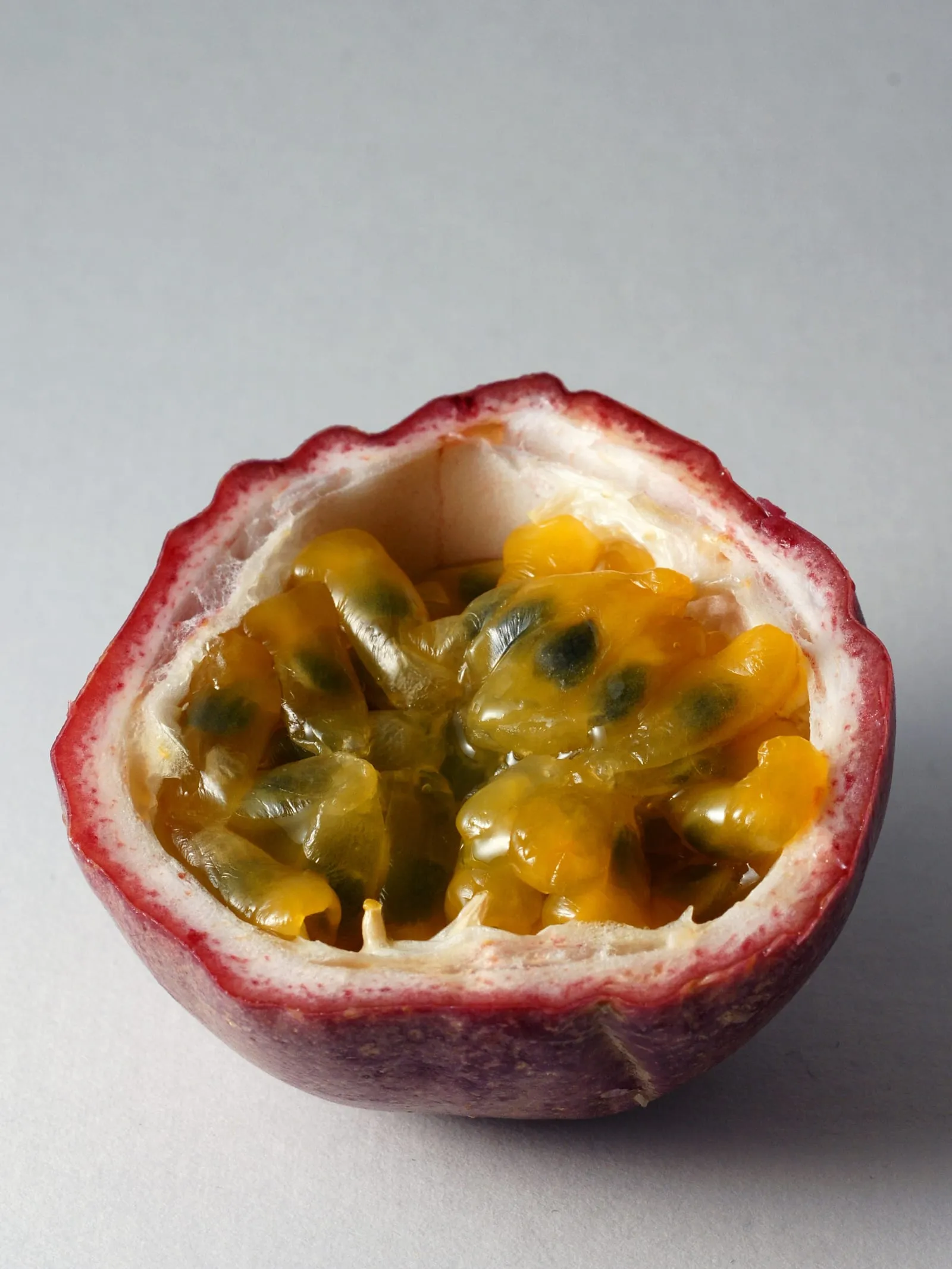
berry in zone 11a
Growing passionfruit in zone 11a
Passiflora edulis
- Zone
- 11a 40°F to 45°F
- Growing season
- 365 days
- Chill needed
- 0 below 45°F
- Suitable varieties
- 3
- Days to harvest
- 240 to 365
The verdict
Zone 11a is squarely in the sweet spot for passionfruit, not a marginal case. Minimum temperatures of 40-45°F and a 365-day growing season remove every cold-related constraint the crop faces in cooler regions. Passionfruit requires zero chill hours, so the zone's consistently warm winters are a direct match rather than a compromise.
All three recommended varieties perform reliably here. Yellow (Flavicarpa) is especially well adapted to sustained heat and humidity. Purple Possum and Frederick produce well where temperatures occasionally moderate, and zone 11a's range accommodates both. The practical ceiling on performance is not cold tolerance but managing the continuous pest and disease pressure that comes with a climate that never delivers a killing frost to reset populations.
Recommended varieties for zone 11a
3 cultivars suited to this zone, with disease-resistance and zone-fit annotations.
| Variety | Notes | Zone fit | Disease resistance |
|---|---|---|---|
| Purple Possum fits zone 11a | Tart-sweet aromatic pulp with intense floral notes; the standard purple variety for fresh eating and juice. Self-fertile and reliable in marginal zones. | | none noted |
| Frederick fits zone 11a | Larger sweeter purple passionfruit with less acid bite; better for fresh eating without sugar. Self-fertile; vigorous vine. | | none noted |
| Yellow (Flavicarpa) fits zone 11a | Larger yellow-skinned tart-tropical fruit; the juice industry standard. Needs cross-pollination; plant two vines. | | none noted |
Critical timing for zone 11a
With temperatures staying above 40°F year-round and no frost dates to work around, passionfruit in zone 11a is not bound to a single bloom window. Vines typically flush most vigorously in spring and fall as temperatures step back from summer peaks, but blooming can occur in any month. Fruit matures roughly 70 to 80 days after pollination, which means harvest is effectively continuous rather than concentrated in one season.
Growers can realistically plan for two or more production cycles annually. Where a distinct wet season exists, aligning pruning and fertilization with the transition into the dry season tends to concentrate a flush and improve fruit set, giving more predictable harvest timing without sacrificing the zone's year-round potential.
Common challenges in zone 11a
- ▸ No temperate fruit potential
- ▸ Year-round pest pressure
- ▸ Specialized crop selection
Disease pressure to watch for
Modified care for zone 11a
The main adjustment in zone 11a is shifting pest and disease management to a year-round schedule. Without a dormant season or winter cold snap to interrupt pest cycles, thrips, mites, and fruit flies can persist and build between cycles. Scouting weekly rather than seasonally is the practical response.
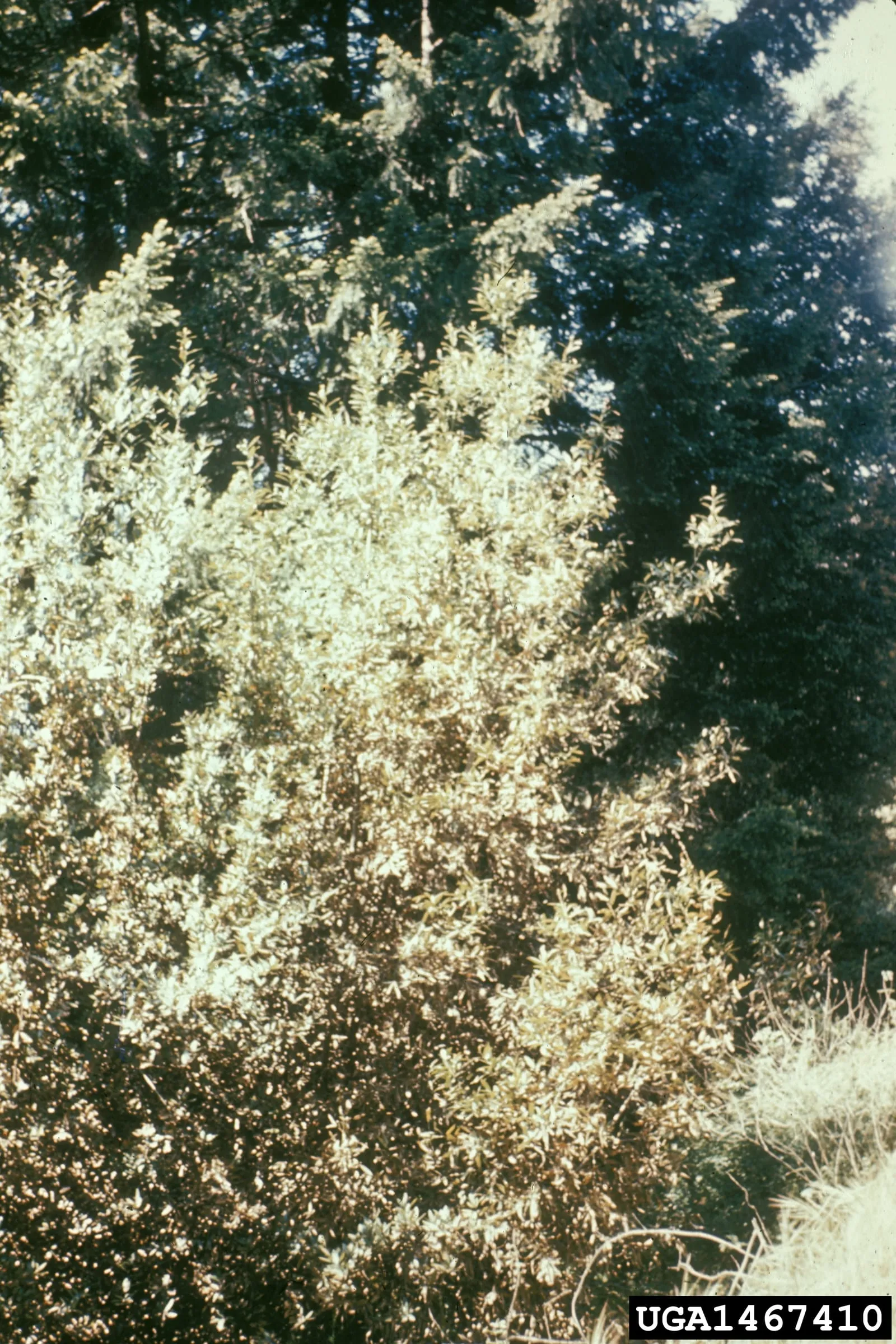
Mango Anthracnose can establish on passionfruit during humid stretches; canopy thinning to improve airflow reduces the damp microclimate where it takes hold. Fertilization works better split into multiple lighter applications across the year rather than one or two heavy seasonal feeds, since the vine has no dormant period to buffer nutrient uptake. No winter protection is needed.
Frequently asked questions
- Does passionfruit need any cold period to fruit well in zone 11a?
No. Passionfruit requires zero chill hours, so zone 11a's warm winters do not reduce fruit set. The vine fruits on a continuous cycle rather than responding to cold-triggered dormancy.
- Which passionfruit variety performs best in zone 11a heat?
Yellow (Flavicarpa) is the most heat-tolerant of the three recommended varieties and is widely grown in tropical climates similar to zone 11a. Purple Possum and Frederick also perform reliably but may show stronger flushes during the cooler months of the year.
- How does Mango Anthracnose affect passionfruit?
The same fungal pathogen responsible for Mango Anthracnose can infect passionfruit under persistently humid conditions, causing dark lesions on fruit and foliage. Improving canopy airflow through selective pruning and avoiding overhead irrigation during wet periods are the primary cultural controls.
+−
+−
+−
Passionfruit in adjacent zones
Image: "Passiflora Edulis Open Fruit2", by Alexander Klink, via Wikimedia Commons, licensed under CC-BY Source.

Related