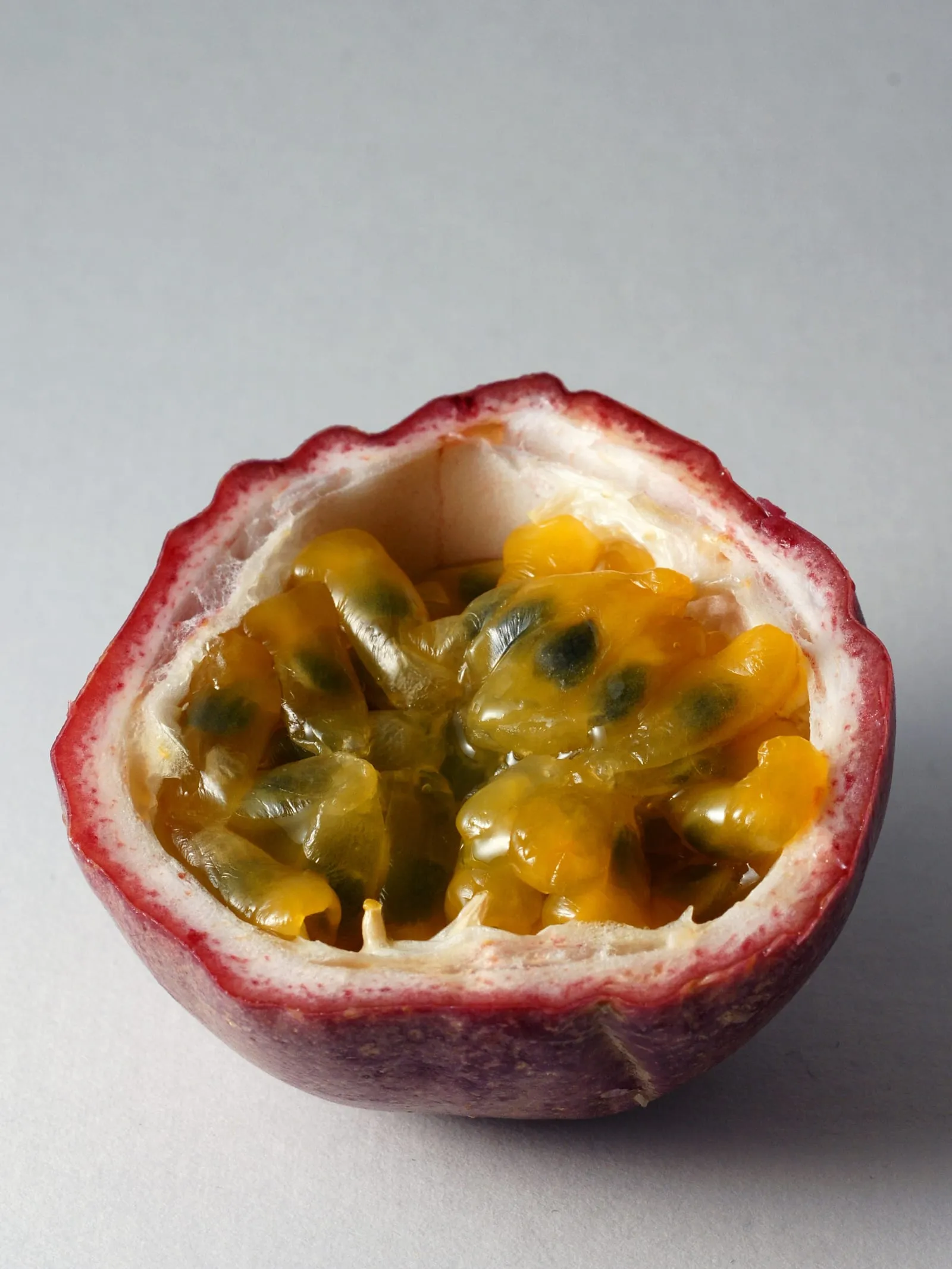
berry in zone 12a
Growing passionfruit in zone 12a
Passiflora edulis
- Zone
- 12a 50°F to 55°F
- Growing season
- 365 days
- Chill needed
- 0 below 45°F
- Suitable varieties
- 3
- Days to harvest
- 240 to 365
The verdict
Zone 12a is a sweet spot for passionfruit, not a marginal one. The crop requires zero chill hours, and zone 12a's minimum winter temperatures of 50 to 55°F never come close to threatening a tropical vine that evolved at or near the equator. The 365-day growing season removes the calendar constraints that limit passionfruit in cooler zones, where frost risk compresses the productive window and can terminate a vine mid-bearing.
All three recommended varieties, Purple Possum, Frederick, and Yellow (Flavicarpa), are suited to these conditions, though Yellow (Flavicarpa) tends to outperform in the hottest, most humid parts of zone 12a and carries better tolerance of the tropical disease pressure common at this latitude. Purple Possum and Frederick produce fruit with richer flavor profiles but are somewhat less vigorous under persistent heat and humidity. Growers in zone 12a should expect multiple flowering and harvest cycles annually rather than the single-flush production typical in cooler zones.
Recommended varieties for zone 12a
3 cultivars suited to this zone, with disease-resistance and zone-fit annotations.
| Variety | Notes | Zone fit | Disease resistance |
|---|---|---|---|
| Purple Possum fits zone 12a | Tart-sweet aromatic pulp with intense floral notes; the standard purple variety for fresh eating and juice. Self-fertile and reliable in marginal zones. | | none noted |
| Frederick fits zone 12a | Larger sweeter purple passionfruit with less acid bite; better for fresh eating without sugar. Self-fertile; vigorous vine. | | none noted |
| Yellow (Flavicarpa) fits zone 12a | Larger yellow-skinned tart-tropical fruit; the juice industry standard. Needs cross-pollination; plant two vines. | | none noted |
Critical timing for zone 12a
In zone 12a, passionfruit can flower and fruit in multiple cycles throughout the year. Primary flowering often concentrates in late winter through spring, with harvest following roughly 60 to 80 days after successful pollination. A second productive flush commonly occurs in late summer or early fall if plants remain well-watered and fertilized through the dry season.
Because zone 12a carries no meaningful frost risk, bloom timing is governed by rainfall patterns, humidity, and vine condition rather than frost windows. The practical concern in this zone is the opposite: sustained heat above 95°F during peak summer can temporarily suppress flower set on some varieties. Staggering irrigation and maintaining consistent soil moisture through hot stretches helps sustain continuous production.
Common challenges in zone 12a
- ▸ No temperate species
- ▸ Tropical pest and disease pressure
- ▸ Hurricane exposure
Disease pressure to watch for
Modified care for zone 12a
The primary care adjustments in zone 12a are driven by hurricane exposure and sustained tropical disease pressure, not cold protection. Passionfruit vines are fast-growing and put significant wind load on their support structures; in a hurricane-prone location, the trellis system needs to be anchored more robustly than standard recommendations specify, and vines should be thinned periodically to reduce sail area before storm season.
Anthracnose, common throughout zone 12a, can affect fruit surfaces and reduce marketable yield, particularly during wet periods. Improving airflow through canopy thinning and avoiding overhead irrigation reduces infection incidence without relying on fungicide applications. Nematode pressure in sandy soils common to tropical coastal zones can weaken root systems over time; where this is suspected, grafted plants on nematode-resistant rootstock offer a more durable long-term planting.
Passionfruit in adjacent zones
Image: "Passiflora Edulis Open Fruit2", by Alexander Klink, via Wikimedia Commons, licensed under CC-BY Source.

Related