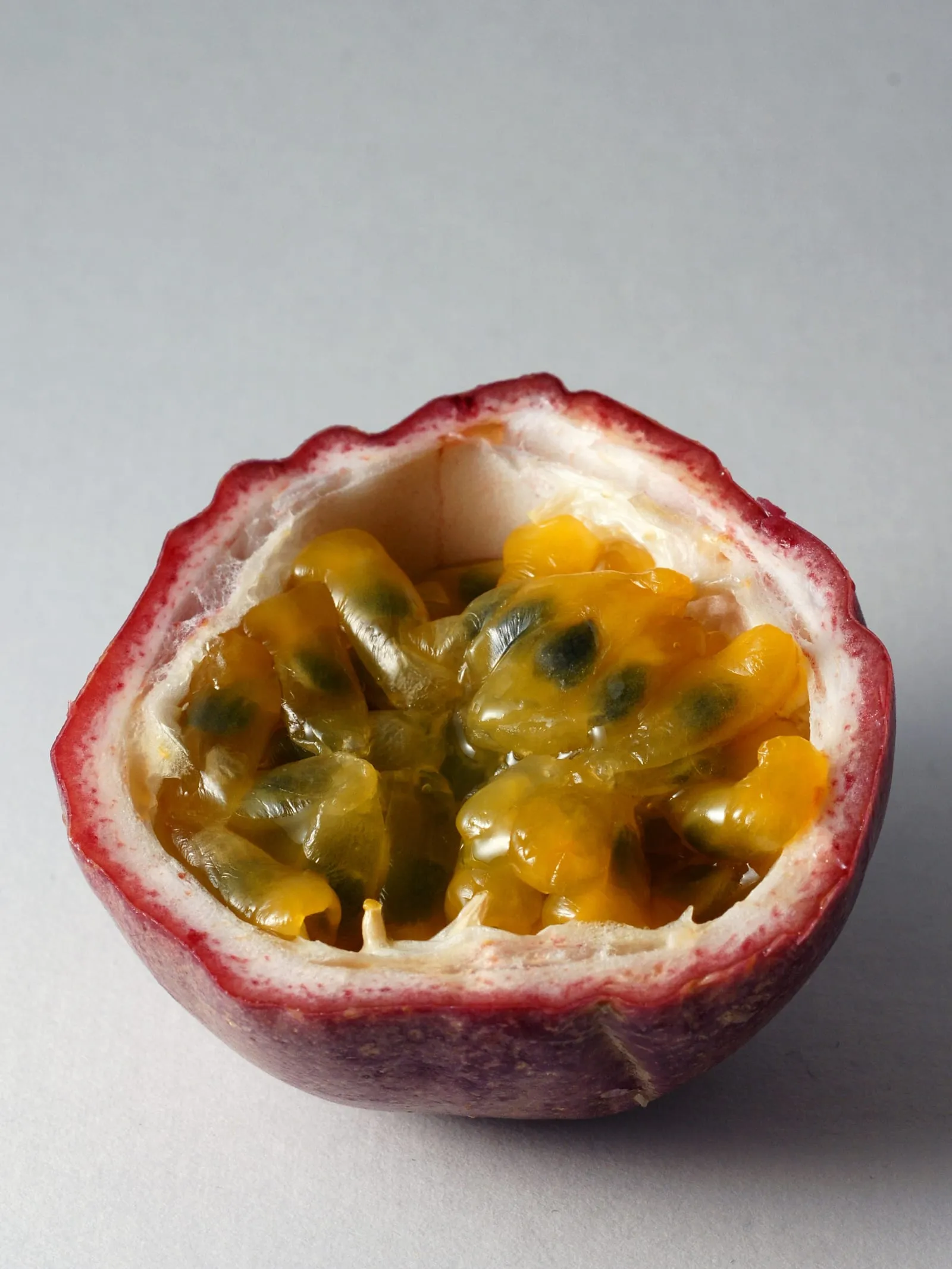
berry in zone 12b
Growing passionfruit in zone 12b
Passiflora edulis
- Zone
- 12b 55°F to 60°F
- Growing season
- 365 days
- Chill needed
- 0 below 45°F
- Suitable varieties
- 3
- Days to harvest
- 240 to 365
The verdict
Zone 12b's minimum temperatures of 55 to 60°F and 365-day growing season make it one of the most favorable zones in the continental range for passionfruit. The vine requires zero chill hours, so the zone's consistent warmth is an asset rather than a limitation. This is not a marginal situation; passionfruit is genuinely at home in zone 12b conditions.
Among the compatible varieties, Yellow (Flavicarpa) is the most heat-tolerant and thrives at the tropical end of the zone's profile. Frederick and Purple Possum perform well and tend to produce fruit with higher sugar content when temperatures stay consistently warm. The key selection variable here is not cold tolerance but disease resistance and productivity under year-round pest pressure, which zone 12b growers encounter continuously rather than seasonally.
Recommended varieties for zone 12b
3 cultivars suited to this zone, with disease-resistance and zone-fit annotations.
| Variety | Notes | Zone fit | Disease resistance |
|---|---|---|---|
| Purple Possum fits zone 12b | Tart-sweet aromatic pulp with intense floral notes; the standard purple variety for fresh eating and juice. Self-fertile and reliable in marginal zones. | | none noted |
| Frederick fits zone 12b | Larger sweeter purple passionfruit with less acid bite; better for fresh eating without sugar. Self-fertile; vigorous vine. | | none noted |
| Yellow (Flavicarpa) fits zone 12b | Larger yellow-skinned tart-tropical fruit; the juice industry standard. Needs cross-pollination; plant two vines. | | none noted |
Critical timing for zone 12b
In zone 12b, passionfruit vines do not follow the single-season bloom and harvest pattern typical of cooler zones. With no frost risk and temperatures staying above 55°F year-round, vines can bloom in multiple flushes throughout the calendar year. Flowering is most prolific from late winter through spring, with a secondary flush common in late summer.
Harvest follows bloom by roughly 60 to 80 days depending on variety; Yellow (Flavicarpa) typically matures faster than Purple Possum or Frederick. Because bloom is not tied to a single frost-free window, the management challenge shifts from protecting a narrow harvest window to handling a continuous, staggered crop. Fruit left on the vine past peak ripeness drops quickly and ferments in the heat.
Common challenges in zone 12b
- ▸ No chilling for temperate fruit
- ▸ Pest pressure year-round
- ▸ Specialized cultivar selection
Disease pressure to watch for
Modified care for zone 12b
The most significant adjustment for zone 12b growers is moving pest and disease management onto a year-round schedule. There is no winter dormancy period to interrupt pest cycles, so populations of mites, thrips, and fruit flies build continuously. Mango Anthracnose pressure increases with warm, humid conditions; preventive copper-based sprays during high-humidity and high-rainfall periods help limit spread.
Vigorous vine growth in sustained tropical heat also calls for more aggressive pruning than in cooler zones. Dense canopy growth restricts airflow and creates conditions favorable to fungal disease. Irrigation discipline is equally important: the vine tolerates heat well, but waterlogged roots in warm soils invite root rot quickly. Well-draining slopes or raised beds are preferable to flat ground, particularly in the wetter parts of zone 12b's range.
Passionfruit in adjacent zones
Image: "Passiflora Edulis Open Fruit2", by Alexander Klink, via Wikimedia Commons, licensed under CC-BY Source.

Related