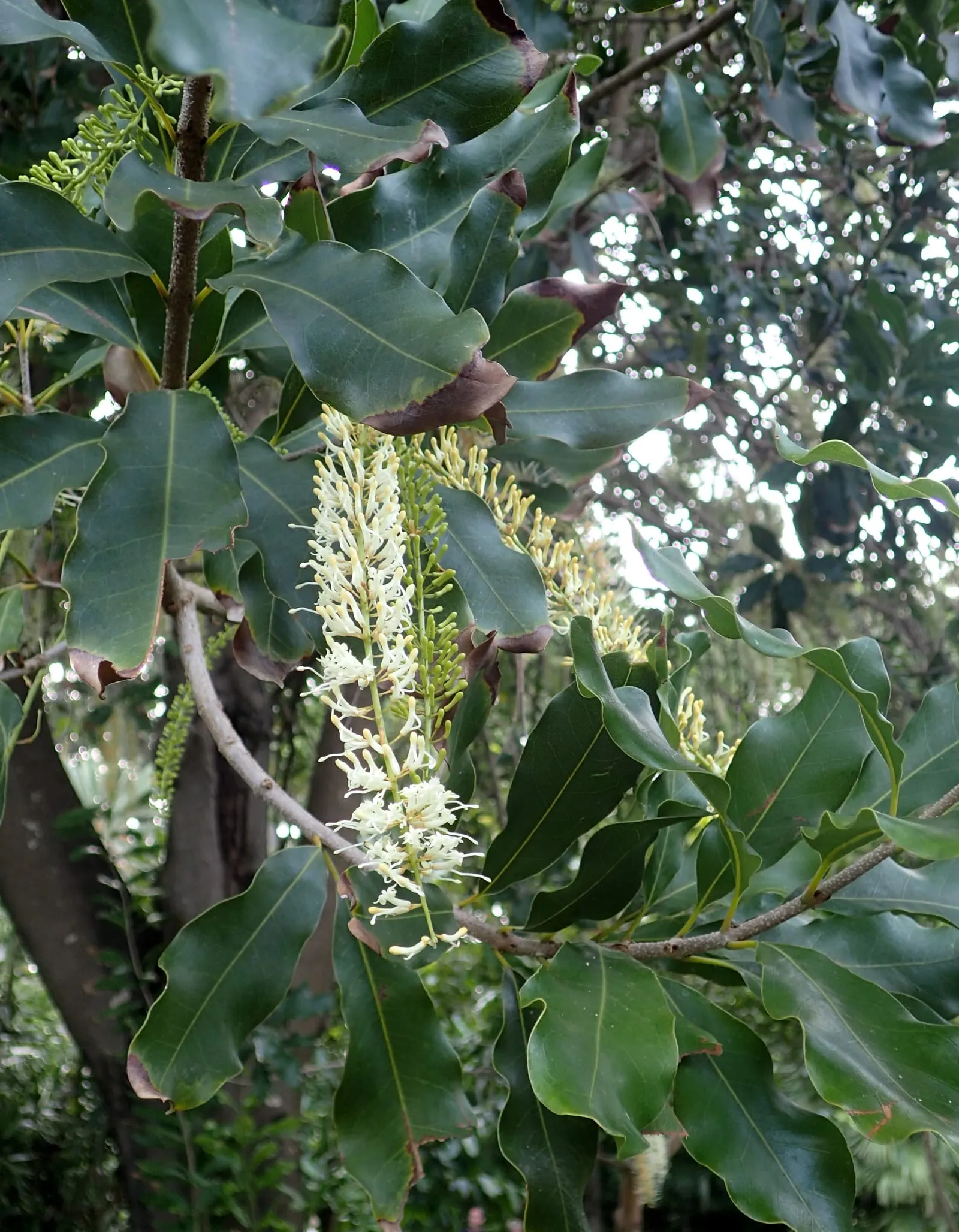
nut in zone 11b
Growing macadamia in zone 11b
Macadamia integrifolia
- Zone
- 11b 45°F to 50°F
- Growing season
- 365 days
- Chill needed
- 0 to 100 below 45°F
- Suitable varieties
- 3
- Days to harvest
- 180 to 240
The verdict
Macadamia is natively a tropical and subtropical tree, and zone 11b represents a genuine sweet spot rather than a marginal case. The crop's chill hour requirement of 0 to 100 hours aligns directly with the near-zero winter chill that zone 11b delivers; there is no risk of insufficient accumulation, and no warm-spell disruption of dormancy cycles the tree does not need. Varieties bred for Hawaiian production, including Beaumont, Cate, and Keaau, are calibrated for exactly this climate profile. The 365-day growing season enables continuous canopy development and nut fill without the cold interruptions that cooler zones impose.
The main limiting factors in zone 11b are site selection and pest management, not cold tolerance. Coastal exposure, soil drainage, and wind protection matter considerably more here than winter hardiness. For growers in zone 11b, macadamia ranks among the more reliable commercial-grade tree crops available, provided the site is chosen with drainage and salt exposure in mind.
Recommended varieties for zone 11b
3 cultivars suited to this zone, with disease-resistance and zone-fit annotations.
| Variety | Notes | Zone fit | Disease resistance |
|---|---|---|---|
| Beaumont fits zone 11b | Smooth-shelled prolific macadamia with sweet rich kernel; the most productive variety for home growers. Self-pollinating. | | none noted |
| Cate fits zone 11b | Cold-hardier variety with smaller kernel and slightly more bitter finish; the best choice for marginal-climate California sites. Tolerates 28°F. | | none noted |
| Keaau fits zone 11b | Hawaiian commercial variety with high oil content and excellent kernel quality; the standard for export production. Vigorous tree. | | none noted |
Critical timing for zone 11b
Without a meaningful chilling period, macadamia in zone 11b can cycle through bloom and nut development more than once annually, though the primary harvest period typically concentrates from late fall through spring. Individual trees may carry flowers and developing nuts simultaneously on different branches, which is normal under tropical-condition production.
Since zone 11b minimum temperatures stay at or above 45°F year-round, frost poses no risk to bloom or young nut development at any point in the calendar. Nut maturity is most reliably signaled by natural drop from the husk rather than a fixed calendar date. Expect the first meaningful crop 4 to 7 years after planting, depending on variety and site; Beaumont tends toward the earlier end of that range under favorable conditions.
Common challenges in zone 11b
- ▸ Year-round pest pressure
- ▸ Salt spray near coasts
- ▸ No winter dormancy for traditional temperate species
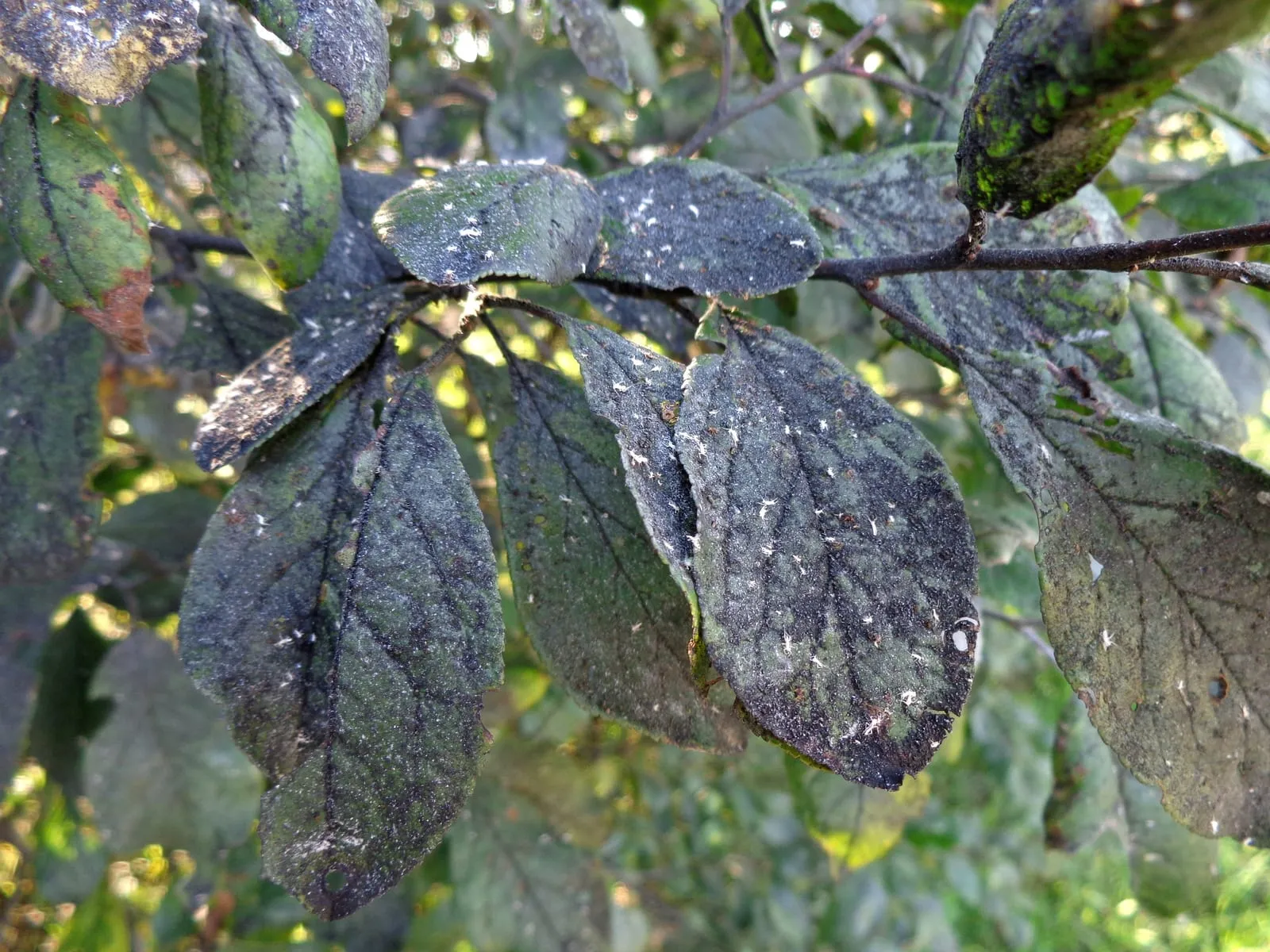
Disease pressure to watch for
Modified care for zone 11b
Sooty mold is the principal disease concern in zone 11b, and it operates as a secondary problem: the mold colonizes honeydew secreted by scale insects and mealybugs. Controlling the underlying insect populations is more effective than treating the mold surface directly. Year-round pest pressure means monitoring cannot be seasonal; regular inspection of leaf undersides and developing nut clusters is necessary throughout the year.
Grovers siting trees within a few hundred feet of the coast should position them where a windbreak or structure reduces direct salt spray, since persistent exposure damages foliage and suppresses yield. Fertilization schedules can run year-round given the continuous growth cycle, but inputs should be reduced during extended dry periods to avoid pushing flush growth without adequate water to support it.
Frequently asked questions
- Is zone 11b too warm for macadamia?
No. Macadamia requires 0 to 100 chill hours and is native to subtropical Australia. Zone 11b, with its year-round warmth and frost-free conditions, matches the crop's natural range well. Varieties like Beaumont and Keaau were selected specifically for low-chill, high-heat production environments similar to zone 11b.
- When does macadamia harvest occur in zone 11b?
The primary harvest window typically runs from late fall through spring, though trees in zone 11b may produce nuts across multiple cycles in a single year. Maturity is best judged by natural nut drop from the husk rather than a calendar date.
- What causes sooty mold on macadamia, and how is it managed?
Sooty mold grows on honeydew deposited by piercing-sucking insects such as scale and mealybugs. Managing the insect infestation is the primary control strategy; treating the mold alone without addressing the underlying pest population provides only temporary improvement.
- Does macadamia need winter protection in zone 11b?
No winter protection is needed. Zone 11b minimum temperatures remain at or above 45°F, well above the cold damage threshold for established macadamia trees. Newly planted trees benefit from wind shelter during their first two growing seasons, but cold is not the concern.
+−
+−
+−
+−
Macadamia in adjacent zones
Image: "Macadamia integrifolia kz2", by Krzysztof Ziarnek, Kenraiz, via Wikimedia Commons, licensed under CC-BY Source.

Related