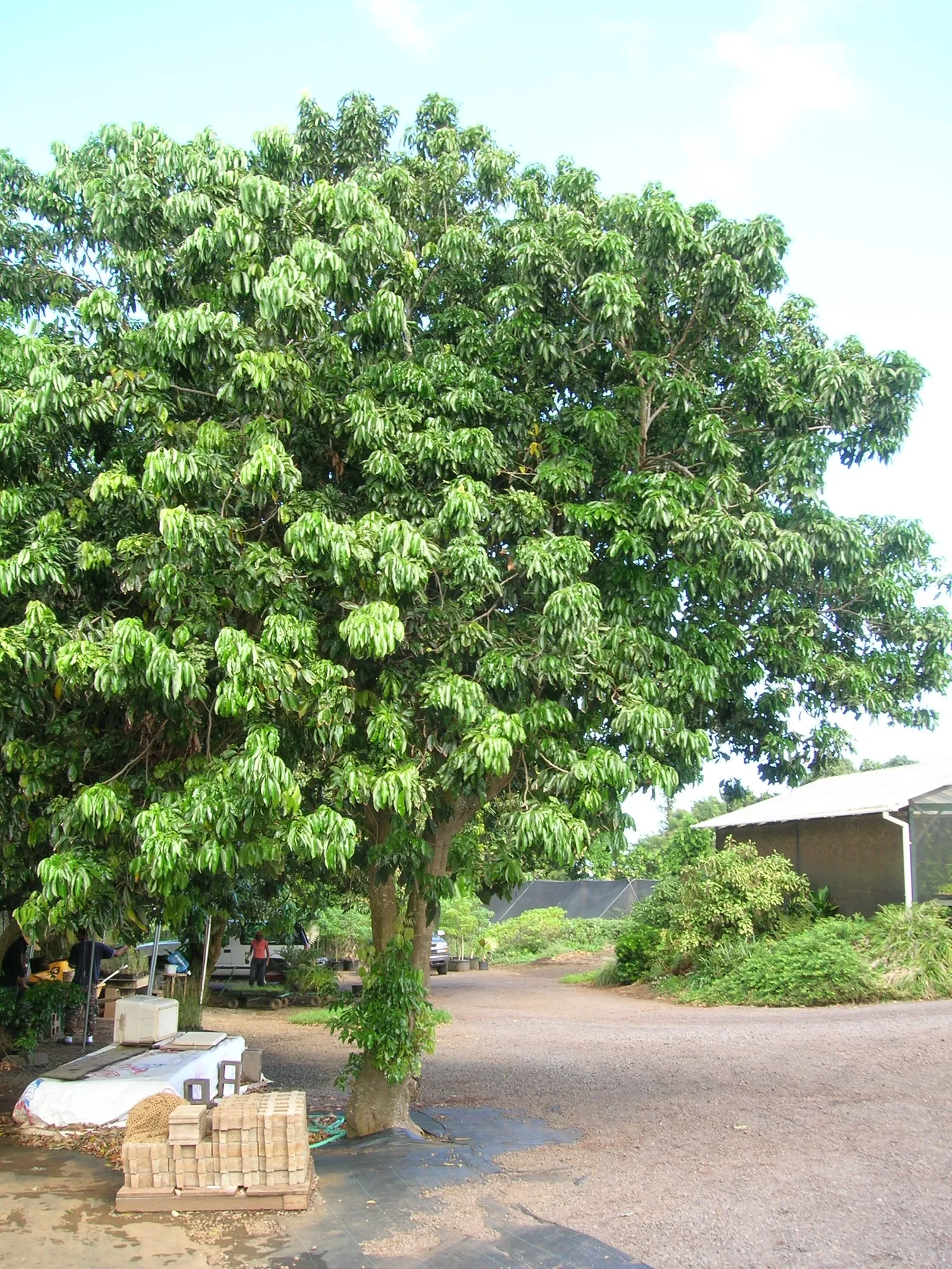
fruit tree in zone 11b
Growing lychee in zone 11b
Litchi chinensis
- Zone
- 11b 45°F to 50°F
- Growing season
- 365 days
- Chill needed
- 100 to 200 below 45°F
- Suitable varieties
- 3
- Days to harvest
- 120 to 180
The verdict
Zone 11b sits at the warm edge of lychee's productive range, but it is not marginal in the way that cold-limited zones are. Lychee requires 100 to 200 chill hours to trigger reliable flowering, and zone 11b delivers this inconsistently. Winter nights in locations like coastal South Florida and lower-elevation Hawaii can accumulate enough hours below 59°F to push bloom, but the margin is thin. In warmer or coastal years, flowering may be sparse or absent.
Variety selection becomes the main lever. Brewster and Mauritius are the better-documented performers in low-chill environments, with Sweetheart also showing reasonable adaptation. All three are documented fruiting varieties in zone 10b-11b climates; higher-chill cultivars common in subtropical Australia or highland regions of Vietnam are not suitable here. Growers who have succeeded in zone 11b consistently cite a dry, cool November through January as the deciding factor in whether a given year produces a full crop.
Recommended varieties for zone 11b
3 cultivars suited to this zone, with disease-resistance and zone-fit annotations.
| Variety | Notes | Zone fit | Disease resistance |
|---|---|---|---|
| Brewster fits zone 11b | Sweet floral translucent flesh with a hint of grape; the Florida standard introduced in 1903. Heavy alternate-bearing producer. | | none noted |
| Mauritius fits zone 11b | Smaller sweeter fruit with red-blushed skin; less prone to alternate bearing than Brewster. Tropical Africa/Madagascar lineage. | | none noted |
| Sweetheart fits zone 11b | Heart-shaped fruit with intensely sweet honey-floral flesh and small seed; recently popular among connoisseurs. Productive once mature. | | none noted |
Critical timing for zone 11b
In zone 11b, lychee typically initiates flower panicles between December and February, following whatever chilling accumulates during the November-January cool period. Bloom opens from January into March depending on the season. Because zone 11b does not experience frost, there is no meaningful collision between bloom and frost risk, which removes a major concern that zone 9b and 10a growers manage.
Harvest follows roughly 100 days after fruit set. Expect ripe fruit from May through July, with Brewster generally ripening before Mauritius. In years where chilling was insufficient and bloom was delayed or incomplete, harvest may compress into a shorter window or fail to materialize at commercial scale. Home-scale trees with good canopy management often perform more consistently than field-scale plantings under the same conditions.
Common challenges in zone 11b
- ▸ Year-round pest pressure
- ▸ Salt spray near coasts
- ▸ No winter dormancy for traditional temperate species
Disease pressure to watch for
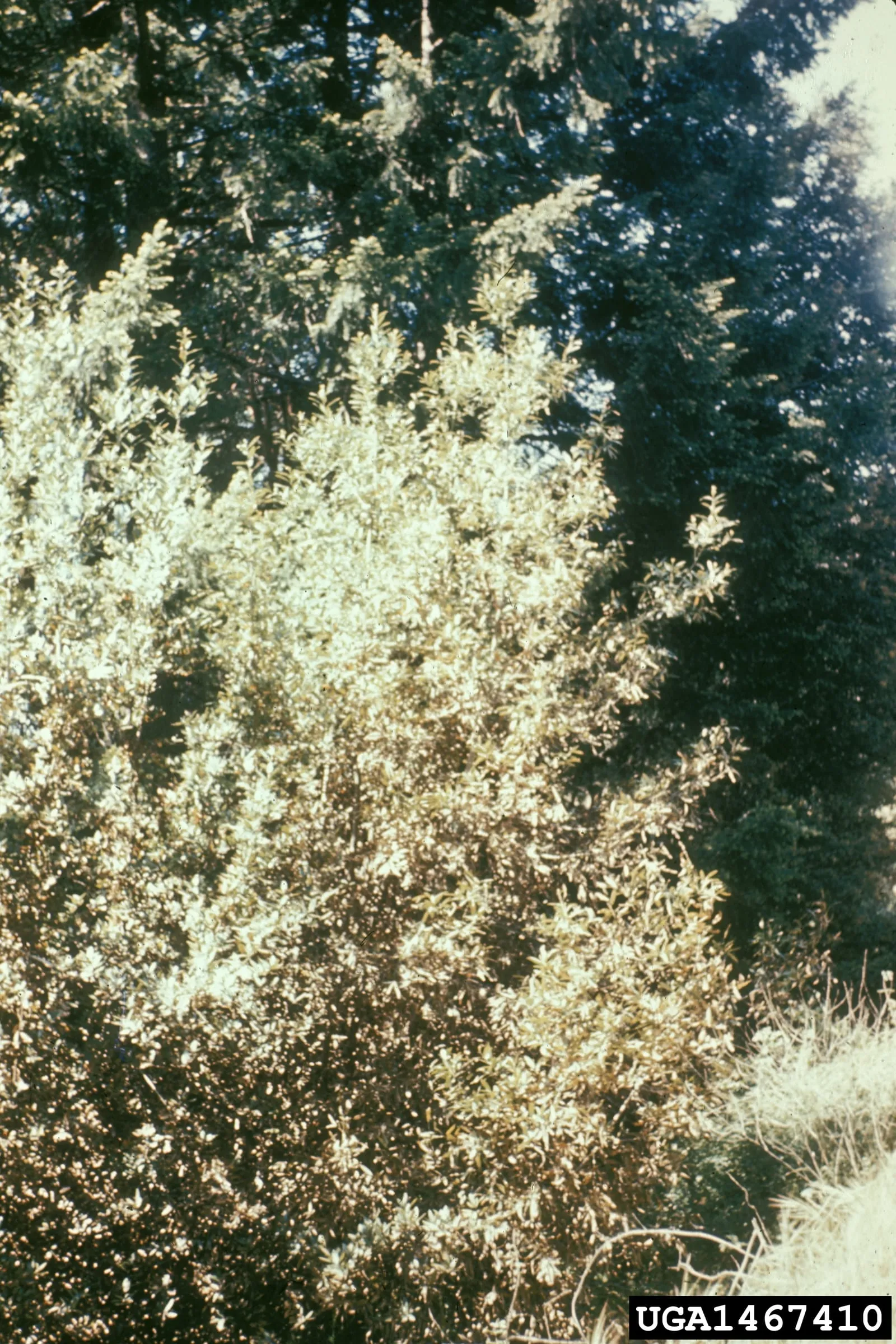
Colletotrichum gloeosporioides
Most damaging mango disease worldwide. Fungal spores infect blossoms and developing fruit during humid weather, producing black sunken lesions that expand on ripening fruit.
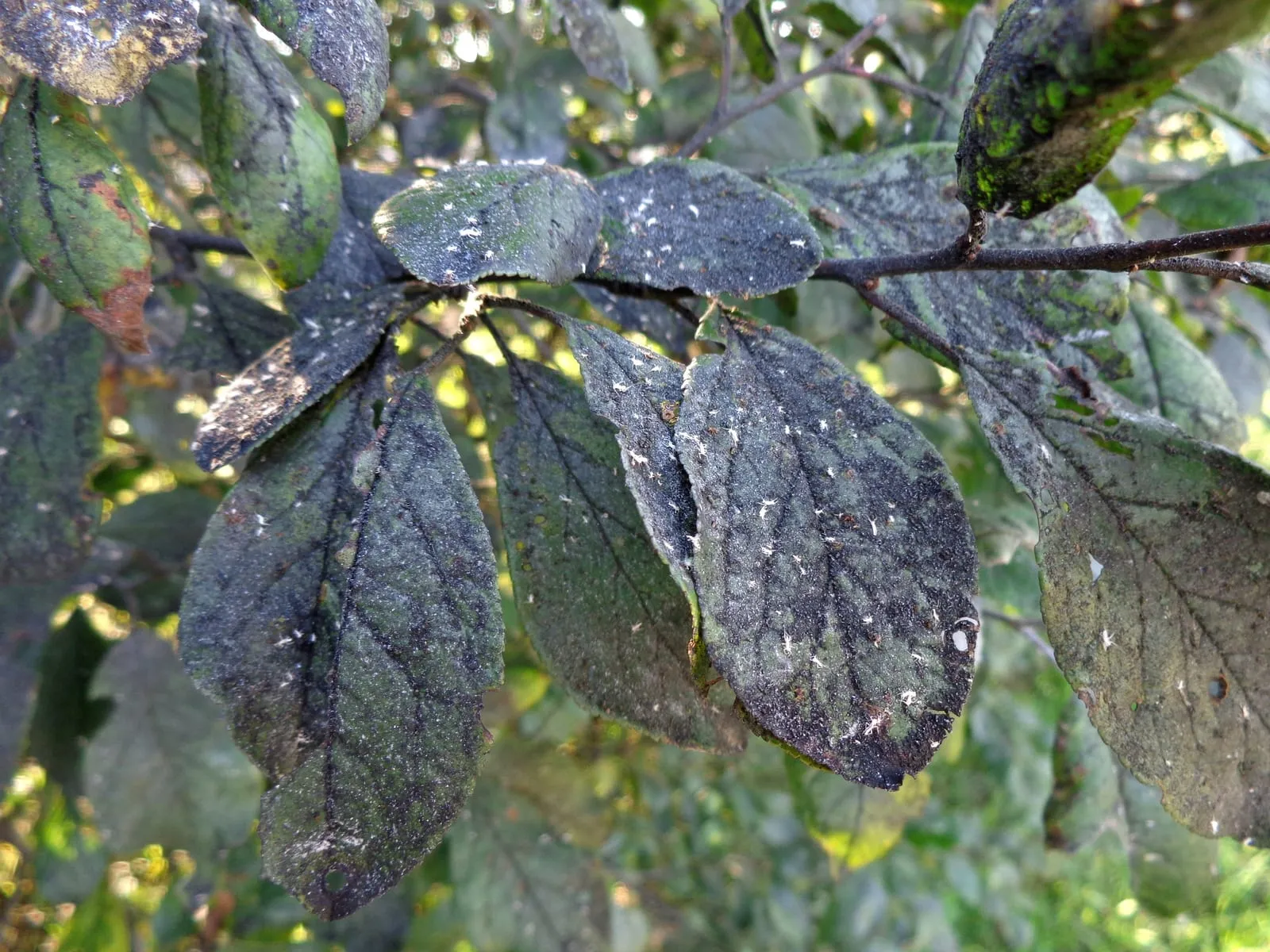
Capnodium spp.
Black fungal coating that grows on honeydew secreted by aphids, scale, mealybugs, and whiteflies. Doesn't infect plant tissue directly but blocks photosynthesis and disfigures fruit.
Modified care for zone 11b
The primary adjustment in zone 11b is managing the stress conditions that replace frost risk: year-round insect pressure, anthracnose during humid periods, and for coastal sites, salt accumulation on foliage and in soil.
Lychee anthracnose, the same Colletotrichum species that causes mango anthracnose, affects flowers and developing fruit in wet spring weather. Copper-based fungicide applications timed at early bud break reduce losses. Avoid overhead irrigation during bloom. Coastal growers should rinse foliage after significant salt events and avoid siting trees in the direct path of onshore wind without a windbreak.
Because zone 11b offers no winter dormancy, trees do not get the natural growth pause that allows wound callusing and structural pruning to heal cleanly. Prune immediately after harvest rather than in late fall, so new growth has several months to harden before the next flowering cycle.
Frequently asked questions
- Can lychee actually produce fruit in zone 11b?
Yes, but not every year. Zone 11b trees fruit reliably when November through January brings consistent cool nights that accumulate 100 or more chill hours. In warmer winters, flowering is reduced or skipped. Low-chill varieties like Mauritius and Brewster give the best odds.
- What is the main disease risk for lychee in zone 11b?
Anthracnose is the primary concern, caused by the same Colletotrichum species that affects mango. It targets flowers and newly set fruit during humid conditions in spring. Copper fungicide applications at early bud break and avoiding overhead irrigation during bloom are the standard controls.
- Do lychee trees in zone 11b need any winter protection?
No frost protection is needed in zone 11b. The concern runs the other direction: the zone may not get cold enough for adequate chill hour accumulation. Siting trees to maximize exposure to cool winter air, away from heat-retaining structures, can marginally improve chill accumulation.
- Is salt spray a concern for coastal zone 11b lychee?
Yes. Lychee is moderately sensitive to salt accumulation on foliage and in the root zone. Coastal sites should use a windbreak to reduce direct salt spray and rinse foliage after significant onshore wind events. Avoid sites where irrigation water has measurable salinity.
+−
+−
+−
+−
Lychee in adjacent zones
Image: "Starr 061108-9610 Litchi chinensis subsp. chinensis", by Forest & Kim Starr, via Wikimedia Commons, licensed under CC-BY Source.

Related