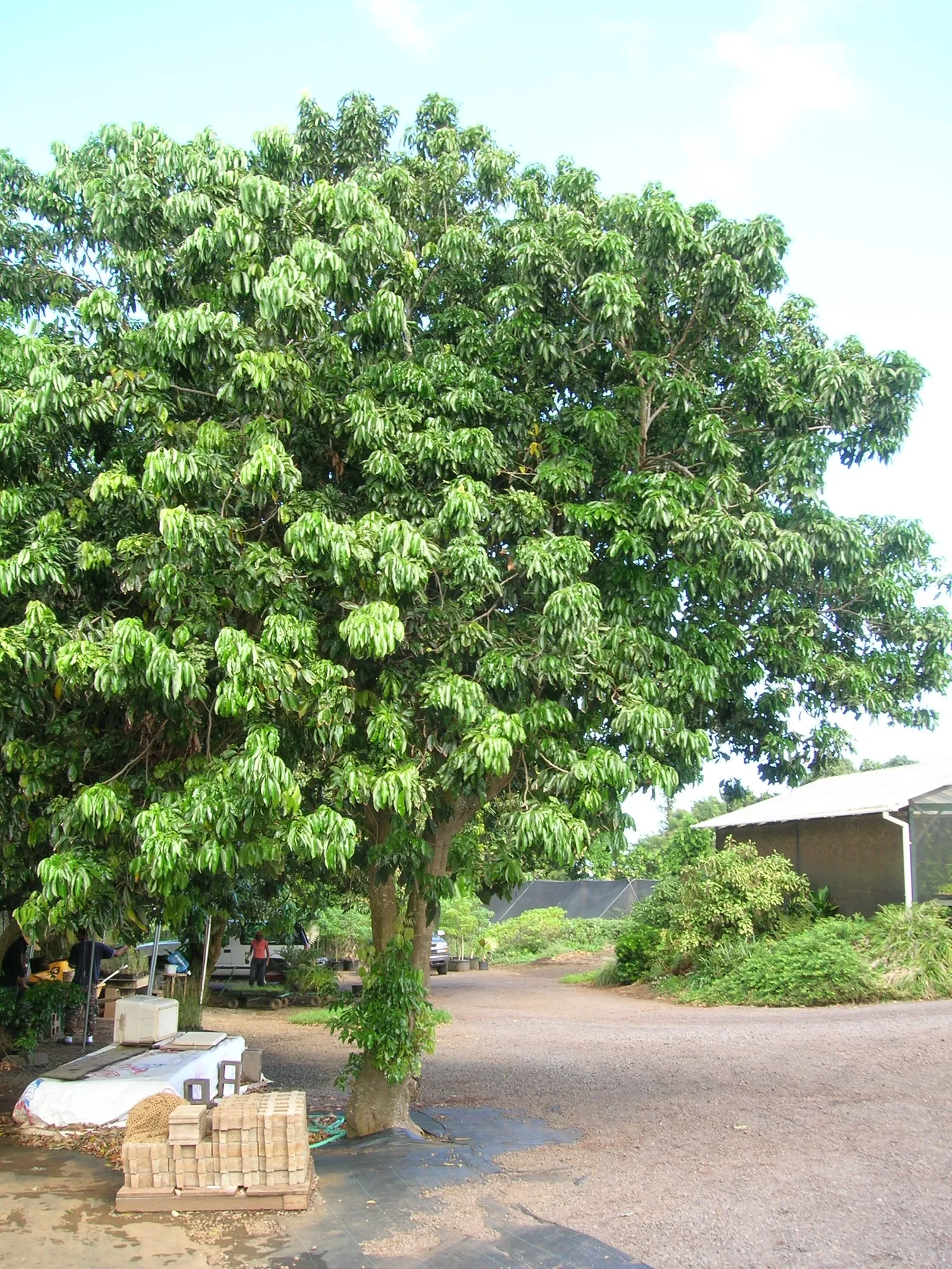
fruit tree in zone 11a
Growing lychee in zone 11a
Litchi chinensis
- Zone
- 11a 40°F to 45°F
- Growing season
- 365 days
- Chill needed
- 100 to 200 below 45°F
- Suitable varieties
- 3
- Days to harvest
- 120 to 180
The verdict
Zone 11a sits at the warm edge of lychee's viable range. With minimum winter temperatures of 40 to 45°F and a 365-day growing season, established trees face no frost risk. The more pressing question is whether winters cool sufficiently to trigger reliable flowering. Lychee requires 100 to 200 hours of temperatures below roughly 60°F to initiate flower panicles, and zone 11a winters are borderline. In years with a distinct cool, dry period (a common pattern in South Florida and similar climates), flowering is consistent. In warmer winters, fruit set may be reduced or absent entirely.
Brewster and Mauritius have performed adequately under these conditions, with commercial production documented in the Homestead, Florida area. Sweetheart tends to demand slightly more accumulated chilling and may be less dependable in the warmest years. Zone 11a is viable for lychee, but growers should expect year-to-year variability in crop load tied directly to winter temperature patterns rather than any fixed growing-season constraint.
Recommended varieties for zone 11a
3 cultivars suited to this zone, with disease-resistance and zone-fit annotations.
| Variety | Notes | Zone fit | Disease resistance |
|---|---|---|---|
| Brewster fits zone 11a | Sweet floral translucent flesh with a hint of grape; the Florida standard introduced in 1903. Heavy alternate-bearing producer. | | none noted |
| Mauritius fits zone 11a | Smaller sweeter fruit with red-blushed skin; less prone to alternate bearing than Brewster. Tropical Africa/Madagascar lineage. | | none noted |
| Sweetheart fits zone 11a | Heart-shaped fruit with intensely sweet honey-floral flesh and small seed; recently popular among connoisseurs. Productive once mature. | | none noted |
Critical timing for zone 11a
In zone 11a, lychee panicles typically emerge from late January through March, following a cool and dry winter period that triggers flower initiation. Harvest follows approximately 90 to 100 days after bloom, placing ripe fruit in May through June in most years. A warm or wet winter can compress or delay the bloom window, pushing harvest into July or later.
Frost timing is not a factor in zone 11a. The critical calendar variable is the onset of the winter dry and cool period, which is moisture-dependent and temperature-dependent rather than day-length-driven. Growers should watch for panicle emergence as the actual trigger rather than planning by fixed calendar dates. Trees that miss the narrow induction window may hold vegetative growth through spring and produce no fruit until the following season.
Common challenges in zone 11a
- ▸ No temperate fruit potential
- ▸ Year-round pest pressure
- ▸ Specialized crop selection
Disease pressure to watch for
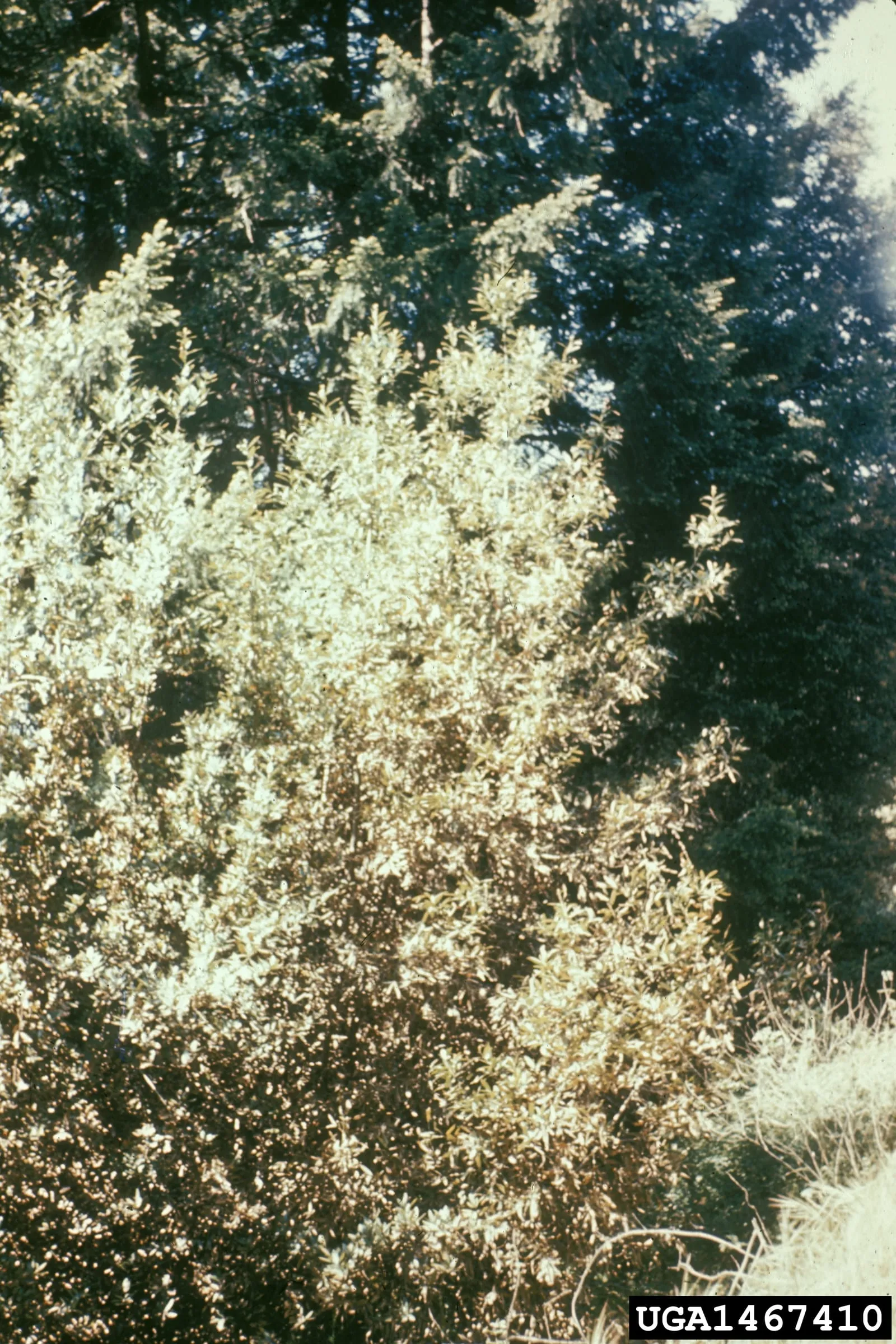
Colletotrichum gloeosporioides
Most damaging mango disease worldwide. Fungal spores infect blossoms and developing fruit during humid weather, producing black sunken lesions that expand on ripening fruit.
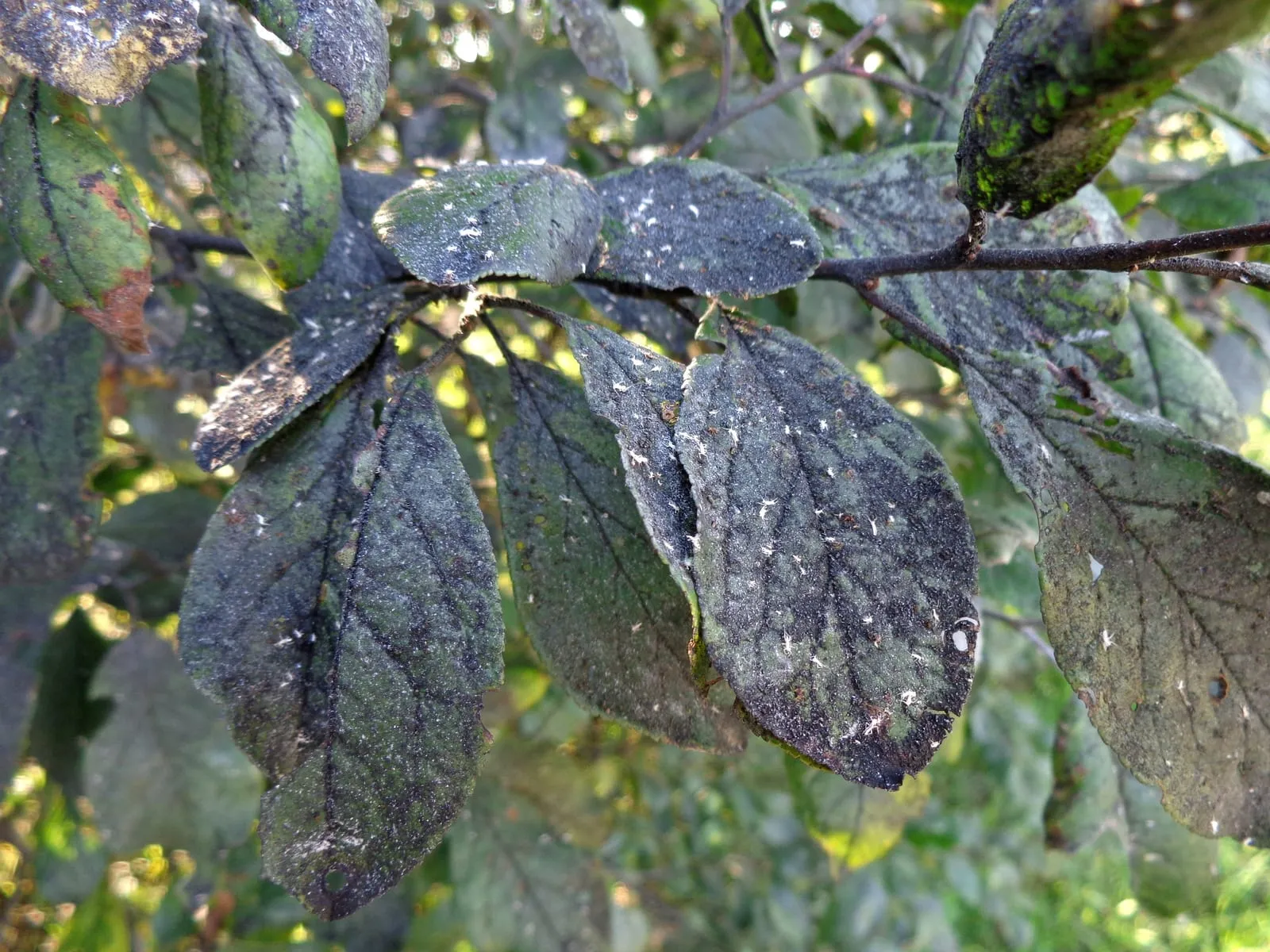
Capnodium spp.
Black fungal coating that grows on honeydew secreted by aphids, scale, mealybugs, and whiteflies. Doesn't infect plant tissue directly but blocks photosynthesis and disfigures fruit.
Modified care for zone 11a
The primary management adjustment in zone 11a is encouraging flowering under conditions that may not be naturally cool enough. Reducing irrigation for 4 to 6 weeks in late fall (October through November) and withholding nitrogen fertilizer during this same window can simulate the dry, cool period lychee needs for flower induction. Avoid pruning or fertilizing during this induction period, as either will push vegetative growth and disrupt the process.
Year-round pest pressure requires consistent monitoring. Lychee erinose mite is a recurring problem in warm climates and can cause significant leaf and panicle damage throughout the season. Mango Anthracnose (Colletotrichum gloeosporioides) affects lychee panicles and developing fruit during humid weather, particularly around bloom; a copper-based fungicide applied at early panicle emergence and again at fruit set reduces losses in most years. Heavy mulching under the canopy retains soil moisture during the dry induction period without supplemental irrigation.
Lychee in adjacent zones
Image: "Starr 061108-9610 Litchi chinensis subsp. chinensis", by Forest & Kim Starr, via Wikimedia Commons, licensed under CC-BY Source.

Related