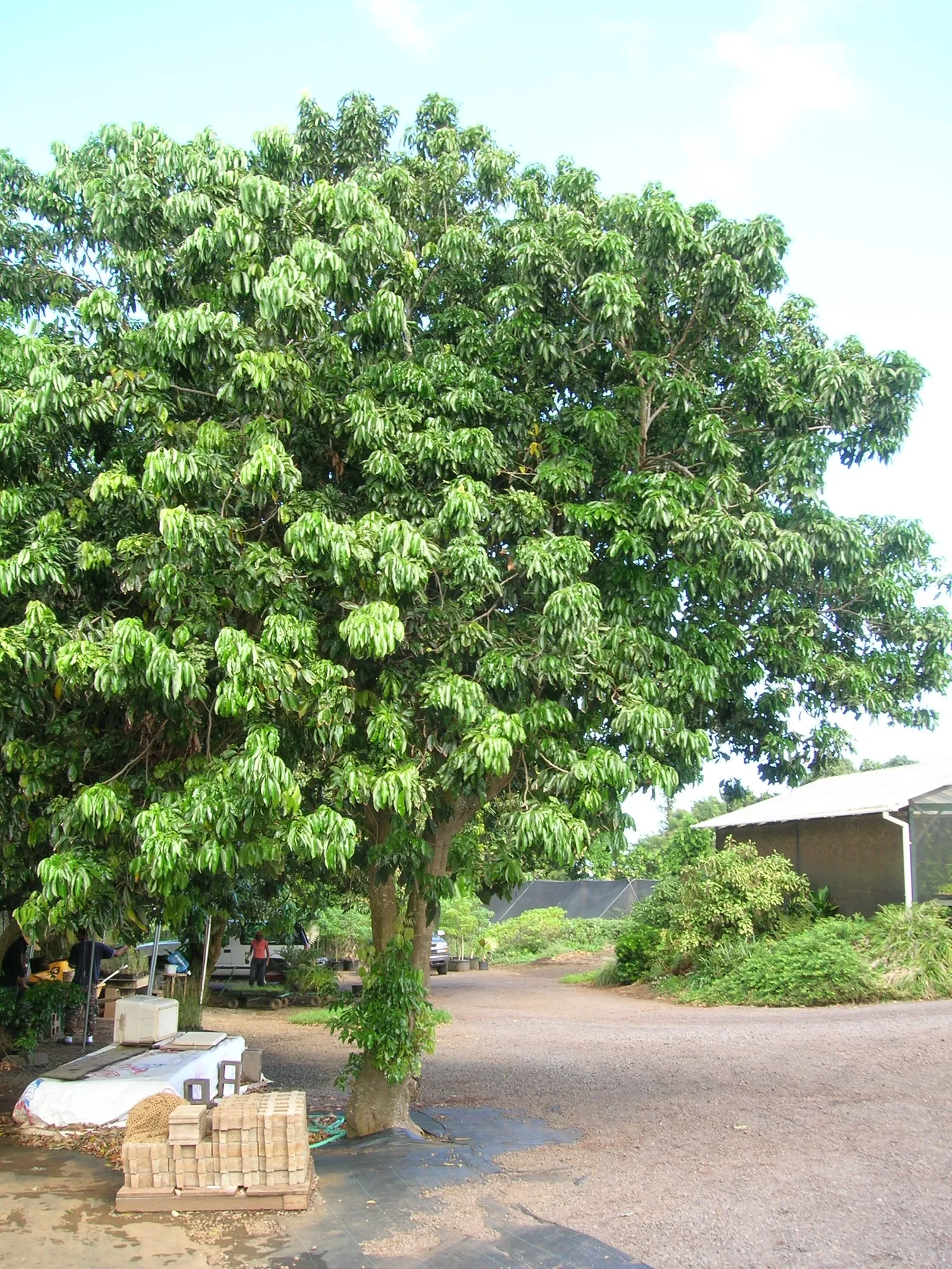
fruit tree in zone 10b
Growing lychee in zone 10b
Litchi chinensis
- Zone
- 10b 35°F to 40°F
- Growing season
- 365 days
- Chill needed
- 100 to 200 below 45°F
- Suitable varieties
- 3
- Days to harvest
- 120 to 180
The verdict
Zone 10b is a workable but not ideal zone for lychee. The crop requires 100 to 200 chill hours annually to trigger reliable flowering, and zone 10b winters are warm enough that accumulating even the low end of that range is inconsistent from year to year. In continental South Florida and similar climates, some winters deliver adequate chilling and some do not, making fruit production variable rather than dependable.
That said, lychee is grown commercially in zone 10b, particularly in Miami-Dade County. The 365-day frost-free growing season eliminates the freeze risk that limits lychee in cooler zones, and varieties like Mauritius and Brewster have demonstrated tolerance of low-chill winters better than older unnamed seedling trees. Growers who accept that harvest may be light or absent in warm-winter years, and plan accordingly, can maintain productive trees here. This is a marginal zone, not a sweet spot.
Recommended varieties for zone 10b
3 cultivars suited to this zone, with disease-resistance and zone-fit annotations.
| Variety | Notes | Zone fit | Disease resistance |
|---|---|---|---|
| Brewster fits zone 10b | Sweet floral translucent flesh with a hint of grape; the Florida standard introduced in 1903. Heavy alternate-bearing producer. | | none noted |
| Mauritius fits zone 10b | Smaller sweeter fruit with red-blushed skin; less prone to alternate bearing than Brewster. Tropical Africa/Madagascar lineage. | | none noted |
| Sweetheart fits zone 10b | Heart-shaped fruit with intensely sweet honey-floral flesh and small seed; recently popular among connoisseurs. Productive once mature. | | none noted |
Critical timing for zone 10b
In zone 10b, lychee typically initiates flower panicles in January or February following the coolest stretch of winter. Bloom opens in February through March, and fruit development runs approximately 90 to 120 days, placing harvest in May through June depending on variety. Sweetheart tends to ripen slightly earlier than Brewster or Mauritius.
Frost risk during bloom is essentially zero in zone 10b, which removes one of the main hazards that affects lychee in zones 9b and below. The more relevant concern is whether the preceding autumn and winter were cool and dry enough to trigger uniform flowering at all. In years when November through January temperatures stay above average, bloom may be sparse, delayed, or confined to the most exposed branch tips.
Common challenges in zone 10b
- ▸ No winter chill
- ▸ Tropical pest and disease pressure
- ▸ Saltwater intrusion in coastal soils
Disease pressure to watch for
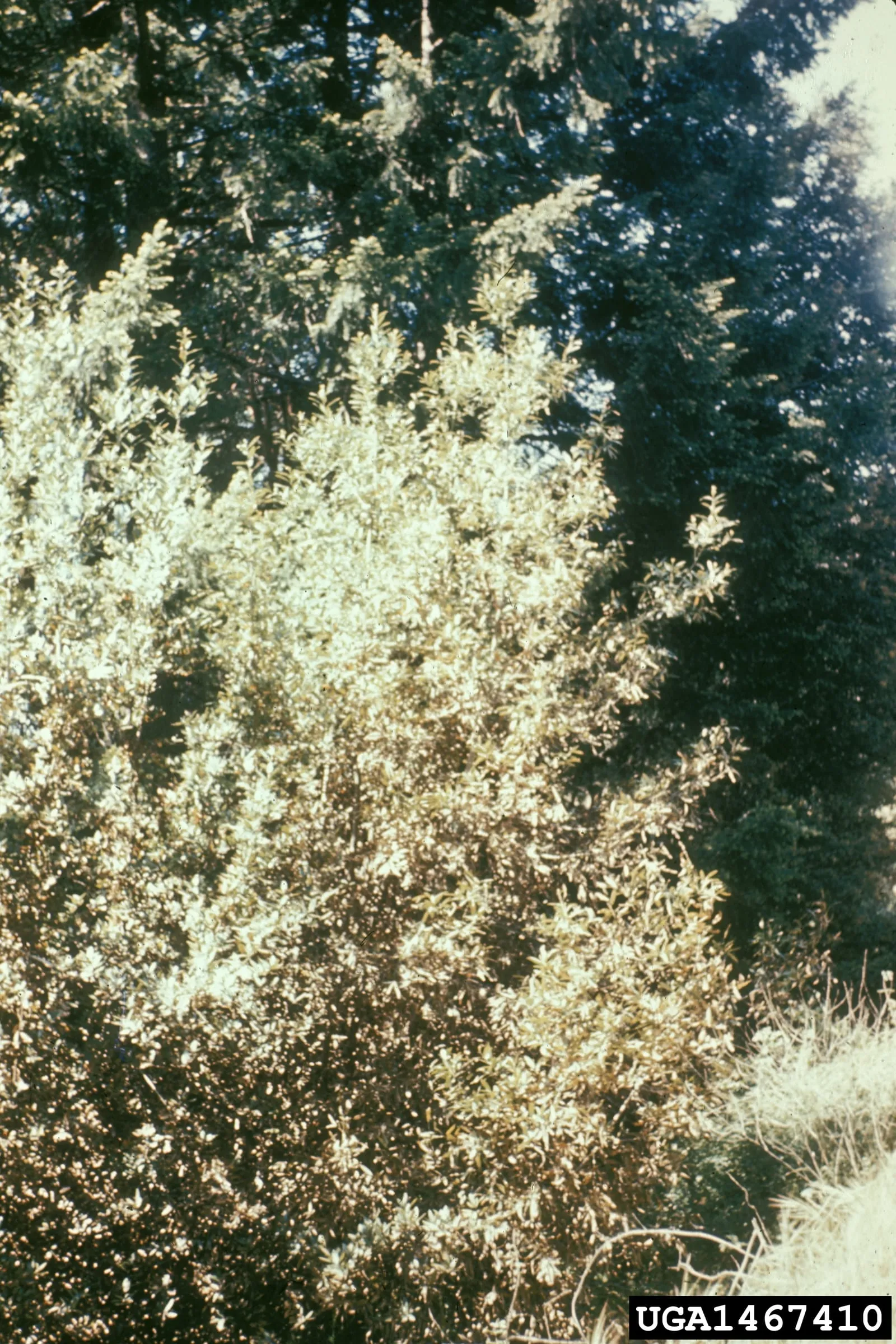
Colletotrichum gloeosporioides
Most damaging mango disease worldwide. Fungal spores infect blossoms and developing fruit during humid weather, producing black sunken lesions that expand on ripening fruit.
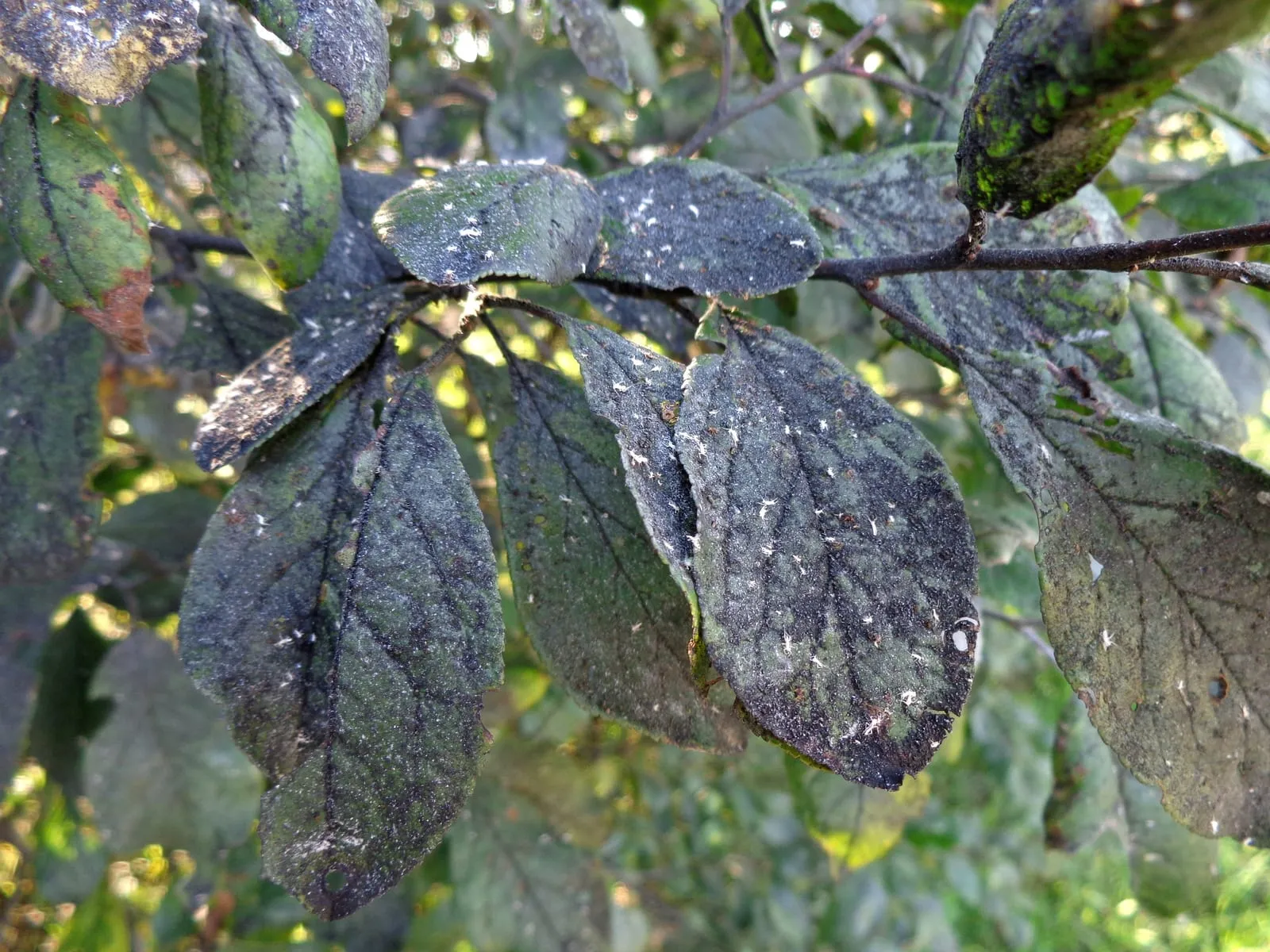
Capnodium spp.
Black fungal coating that grows on honeydew secreted by aphids, scale, mealybugs, and whiteflies. Doesn't infect plant tissue directly but blocks photosynthesis and disfigures fruit.
Modified care for zone 10b
The biggest adjustment in zone 10b is managing the tree toward bloom rather than simply maintaining growth. Withholding irrigation from October through December, combined with light nitrogen restriction in that same window, stresses the tree into dormancy and improves the odds of adequate floral induction. Resume irrigation when flower buds become visible.
Mango Anthracnose, caused by Colletotrichum gloeosporioides, is active in the humid, warm conditions zone 10b delivers year-round. It affects lychee flowers and young fruit similarly to how it affects mango. Copper-based fungicide applications at early bloom and again at fruit set reduce losses, particularly during wet springs.
In coastal settings, saltwater intrusion raises soil sodium levels in ways that stress lychee roots. Raised planting beds with good drainage and periodic deep irrigation to leach salts help, but site selection away from low-lying coastal parcels is the more reliable solution.
Frequently asked questions
- Can lychee fruit reliably in zone 10b?
It can, but not every year. Reliable fruiting depends on getting 100 to 200 chill hours in winter, which zone 10b delivers inconsistently. Varieties like Mauritius and Brewster perform better in low-chill winters than less-adapted seedling trees, but some warm years will produce little or no fruit regardless of variety.
- Which lychee varieties perform best in zone 10b?
Mauritius, Brewster, and Sweetheart are the most documented performers in zone 10b conditions. Mauritius is the most widely planted in South Florida commercial groves. Sweetheart is noted for earlier ripening and relatively consistent bearing. All three tolerate low-chill winters better than the broader range of named varieties.
- Does lychee need frost protection in zone 10b?
Rarely. Zone 10b minimum temperatures of 35 to 40°F fall within the range mature lychee trees tolerate without damage. Young trees under two years are more sensitive and benefit from frost cloth if an unusual cold event brings temperatures near 30°F, but this is an infrequent concern in this zone.
+−
+−
+−
Lychee in adjacent zones
Image: "Starr 061108-9610 Litchi chinensis subsp. chinensis", by Forest & Kim Starr, via Wikimedia Commons, licensed under CC-BY Source.

Related