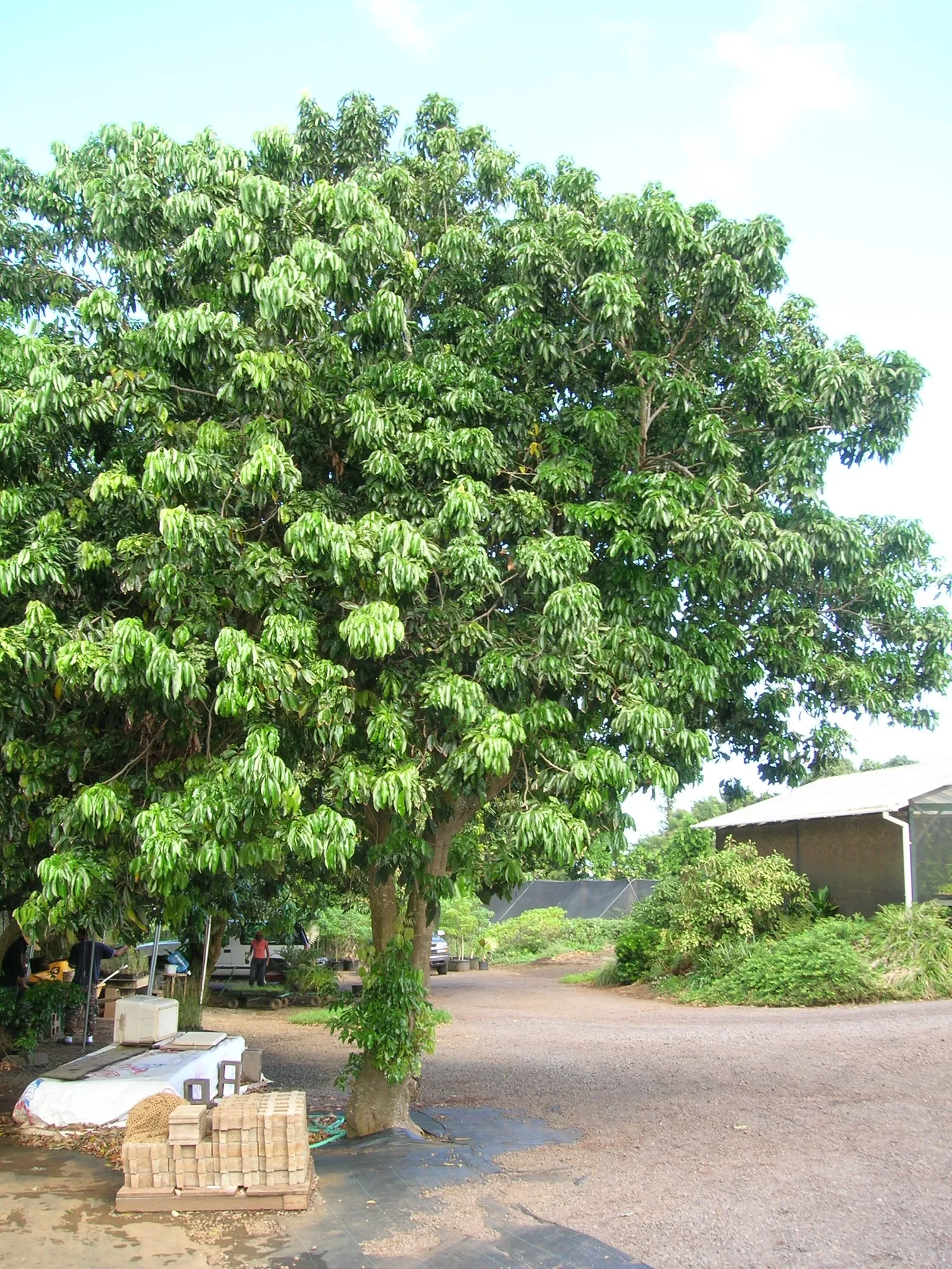
fruit tree in zone 10a
Growing lychee in zone 10a
Litchi chinensis
- Zone
- 10a 30°F to 35°F
- Growing season
- 340 days
- Chill needed
- 100 to 200 below 45°F
- Suitable varieties
- 2
- Days to harvest
- 120 to 180
The verdict
Zone 10a sits at the productive edge of lychee territory, and the edge runs in the crop's favor. Lychee requires 100 to 200 chill hours to initiate a reliable bloom, and zone 10a typically delivers that range across its brief cool season, though accumulation varies considerably year to year. The minimum temperature band of 30 to 35°F is the greater concern: an unusually cold night during open bloom or young fruit development can cause real damage, but established trees generally tolerate brief dips in that range without lasting harm. The 340-day growing season gives fruit ample time to size up well before peak summer heat arrives. Variety selection is the deciding variable here. Brewster and Sweetheart are both adapted to low-chill subtropical conditions and have documented performance in comparable climates. Nursery stock selected for cooler lychee-growing regions may fail to bloom consistently and is not appropriate for zone 10a.
Recommended varieties for zone 10a
2 cultivars suited to this zone, with disease-resistance and zone-fit annotations.
| Variety | Notes | Zone fit | Disease resistance |
|---|---|---|---|
| Brewster fits zone 10a | Sweet floral translucent flesh with a hint of grape; the Florida standard introduced in 1903. Heavy alternate-bearing producer. | | none noted |
| Sweetheart fits zone 10a | Heart-shaped fruit with intensely sweet honey-floral flesh and small seed; recently popular among connoisseurs. Productive once mature. | | none noted |
Critical timing for zone 10a
Bloom initiation in zone 10a follows the cool months of December through February, when temperatures drop enough to break dormancy and trigger flower panicle development. Panicles typically open from late January through March, with timing shifting by several weeks depending on the winter's chill accumulation. Frosts remain possible through mid-February, so late-emerging panicles carry some cold risk during that window, though the exposure period is short. Fruit sets in spring and ripens from May into July under normal conditions, well ahead of the most intense summer heat. The interval from full bloom to harvest is roughly 90 to 120 days, which fits comfortably within the 340-day growing season. In years with warm winters and insufficient chill, bloom may be sparse or delayed, and some trees may not flower at all.
Common challenges in zone 10a
- ▸ No chilling for traditional temperate fruit
- ▸ Hurricane exposure
- ▸ Heat-tolerant cultivars only
Disease pressure to watch for
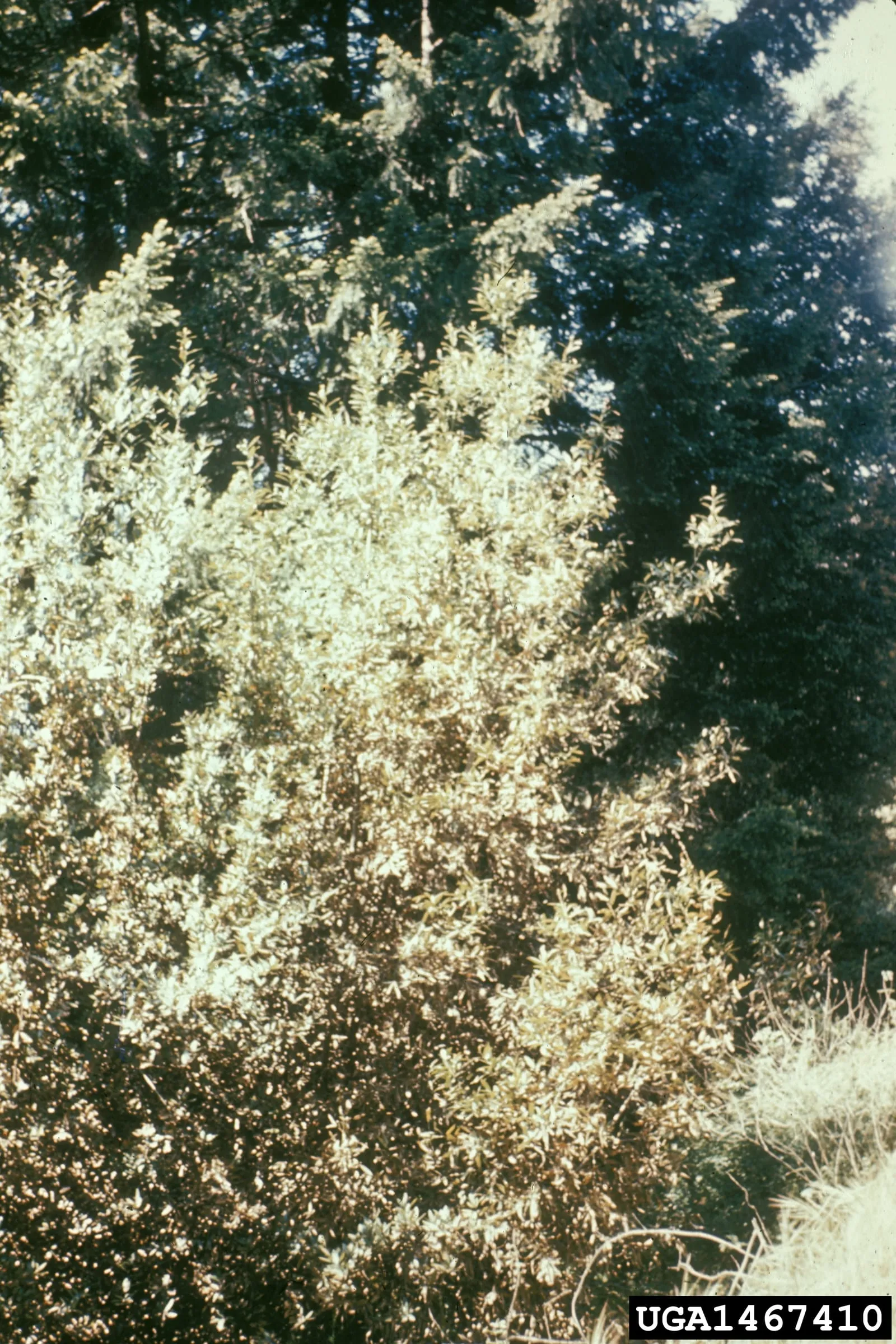
Colletotrichum gloeosporioides
Most damaging mango disease worldwide. Fungal spores infect blossoms and developing fruit during humid weather, producing black sunken lesions that expand on ripening fruit.
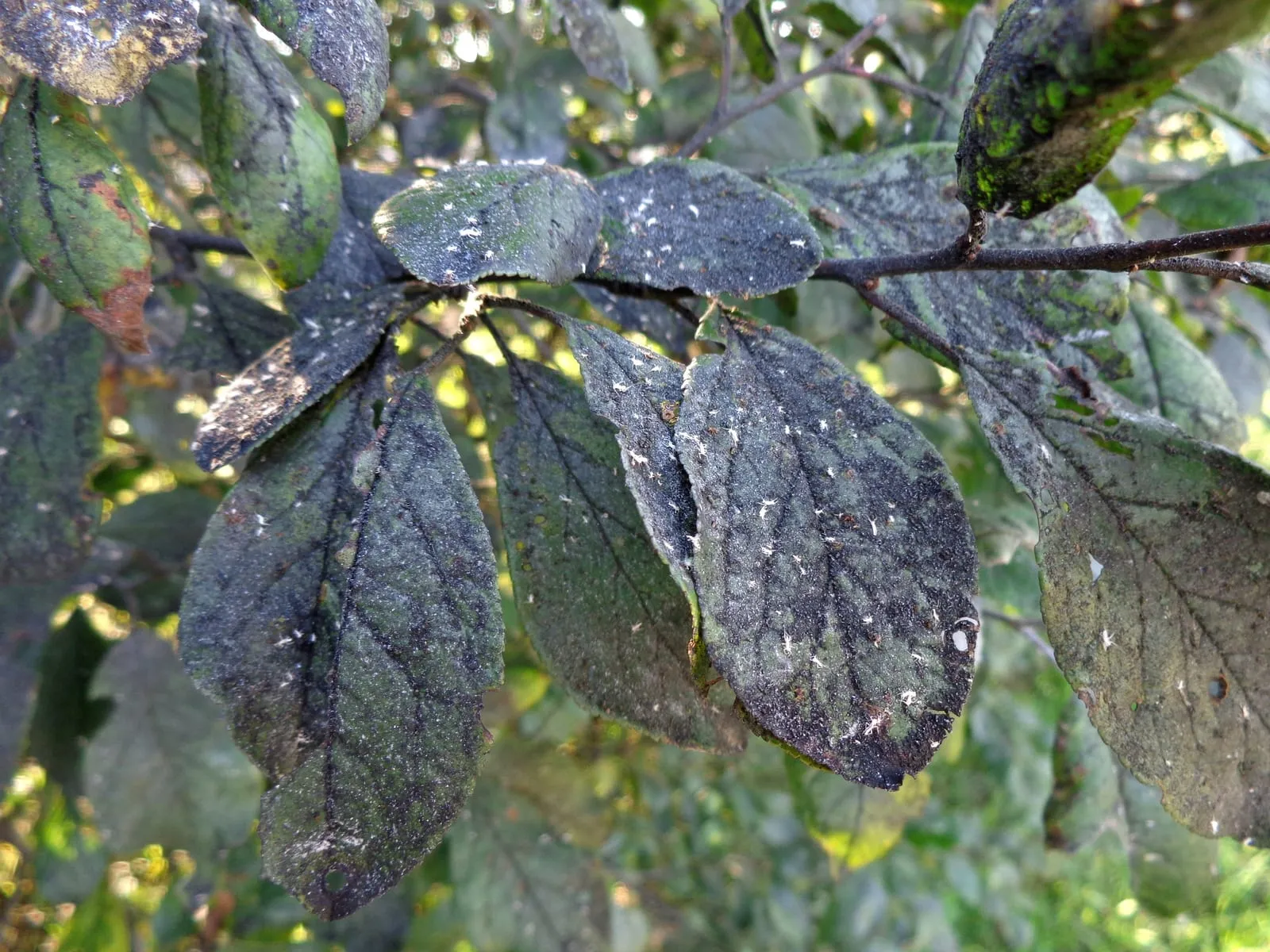
Capnodium spp.
Black fungal coating that grows on honeydew secreted by aphids, scale, mealybugs, and whiteflies. Doesn't infect plant tissue directly but blocks photosynthesis and disfigures fruit.
Modified care for zone 10a
The central management challenge in zone 10a is supporting chill accumulation without exposing trees to damaging cold. Siting on a north-facing exposure or under light canopy shade can reduce winter warming from reflected heat and extend the effective cool period slightly. Young trees under three years warrant frost cloth when forecasts drop below 32°F; established trees are considerably more resilient. Mango anthracnose is the primary fungal concern, favored by the warm, humid conditions that coincide with bloom and early fruit development. Copper-based sprays applied at panicle emergence and repeated through fruit set are standard management, consistent with University of Florida IFAS integrated pest management guidance for lychee. Hurricane exposure presents a structural risk unique to coastal and near-coastal sites in this zone. Training trees to a low, open canopy form early reduces wind loading and makes temporary netting or tie-down feasible before storm season.
Lychee in adjacent zones
Image: "Starr 061108-9610 Litchi chinensis subsp. chinensis", by Forest & Kim Starr, via Wikimedia Commons, licensed under CC-BY Source.

Related