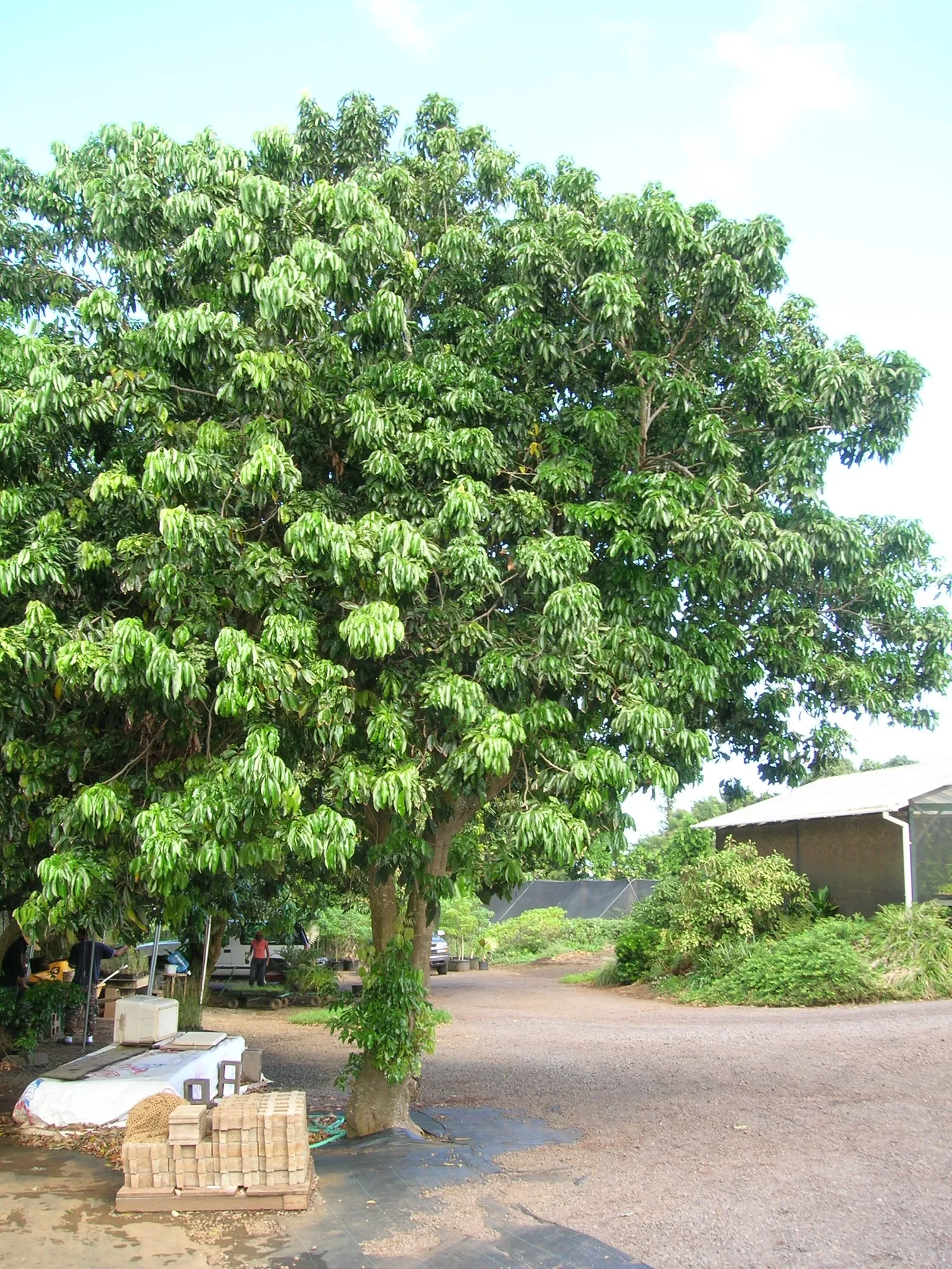
fruit tree
Lychee
Litchi chinensis
USDA hardiness range
- Zones
- 10a–12b
- Chill hours
- 100 to 200 below 45°F
- Days to harvest
- 120 to 180
- Sun
- Full
- Water
- Moderate
- Lifespan
- 100 to 200 years
Growing lychee
Lychee (Litchi chinensis) is one of the most coveted subtropical fruits grown in the United States, producing aromatic, translucent-fleshed fruit that intensifies in sweetness during the final weeks before harvest. It thrives in USDA zones 10a through 12b, where warm summers combine with a brief, mild cool period to trigger reliable flowering. Outside this band, the tree either sustains freeze damage or fails to flower at all.
The decisive variable is the chill-hour requirement. Most varieties need 100 to 200 hours below 60°F to initiate flower panicles. This distinguishes lychee from many purely tropical crops: too little cold produces vigorous growth but sparse flowering; too much cold damages the panicles as they develop in late winter. The most productive sites in the continental United States are South Florida counties where winter temperatures dip into the mid-50s°F reliably but hard freezes are rare. Hawaii's lower elevations provide a comparable climate.
Grafted trees generally begin bearing at 3 to 5 years after planting, considerably faster than seedlings, which may take a decade or longer. Once established, lychee is exceptionally long-lived, with productive specimens documented at well over a century in cultivation. The crop is worth the patience, but growers who underestimate site selection and chill-hour matching rarely reach consistent production. Variety choice, microclimate, and irrigation discipline during fruit development separate successful plantings from frustrating ones.
Recommended varieties
See all 3 →3 cultivars for home growers, with notes on flavor, ripening, and disease resistance.
| Variety | Notes | Zone fit | Disease resistance |
|---|---|---|---|
| Brewster | Sweet floral translucent flesh with a hint of grape; the Florida standard introduced in 1903. Heavy alternate-bearing producer. | | none noted |
| Mauritius | Smaller sweeter fruit with red-blushed skin; less prone to alternate bearing than Brewster. Tropical Africa/Madagascar lineage. | | none noted |
| Sweetheart | Heart-shaped fruit with intensely sweet honey-floral flesh and small seed; recently popular among connoisseurs. Productive once mature. | | none noted |
Soil and site requirements
Lychee tolerates a range of soil types but is intolerant of standing water. Well-drained, slightly acidic soils in the pH 5.0 to 6.5 range support healthy root development and efficient uptake of iron and manganese, which are common deficiencies on alkaline South Florida limestone soils. Heavy clay that retains moisture after rain invites root rot and long-term decline; raised planting beds or gently sloped sites help where drainage is marginal.
Full sun is non-negotiable. Trees in partial shade produce significantly less fruit and are more vulnerable to anthracnose and other fungal diseases. A minimum of 8 hours of direct sun per day is the practical baseline.
Spacing should account for the tree's mature canopy spread of 30 to 40 feet. Home landscape plantings positioned 15 to 20 feet from structures and neighboring trees allow adequate airflow, which reduces disease pressure and simplifies harvest. Commercial orchards in South Florida typically space trees 20 to 25 feet apart in rows.
Microclimate selection matters considerably in marginal zones. Siting near a south-facing wall, a large body of water, or elevated ground can provide a few degrees of cold protection during the January-February flowering window, when a single hard freeze is enough to eliminate the year's crop. Avoid low-lying areas where cold air settles on clear, calm nights.
Common diseases
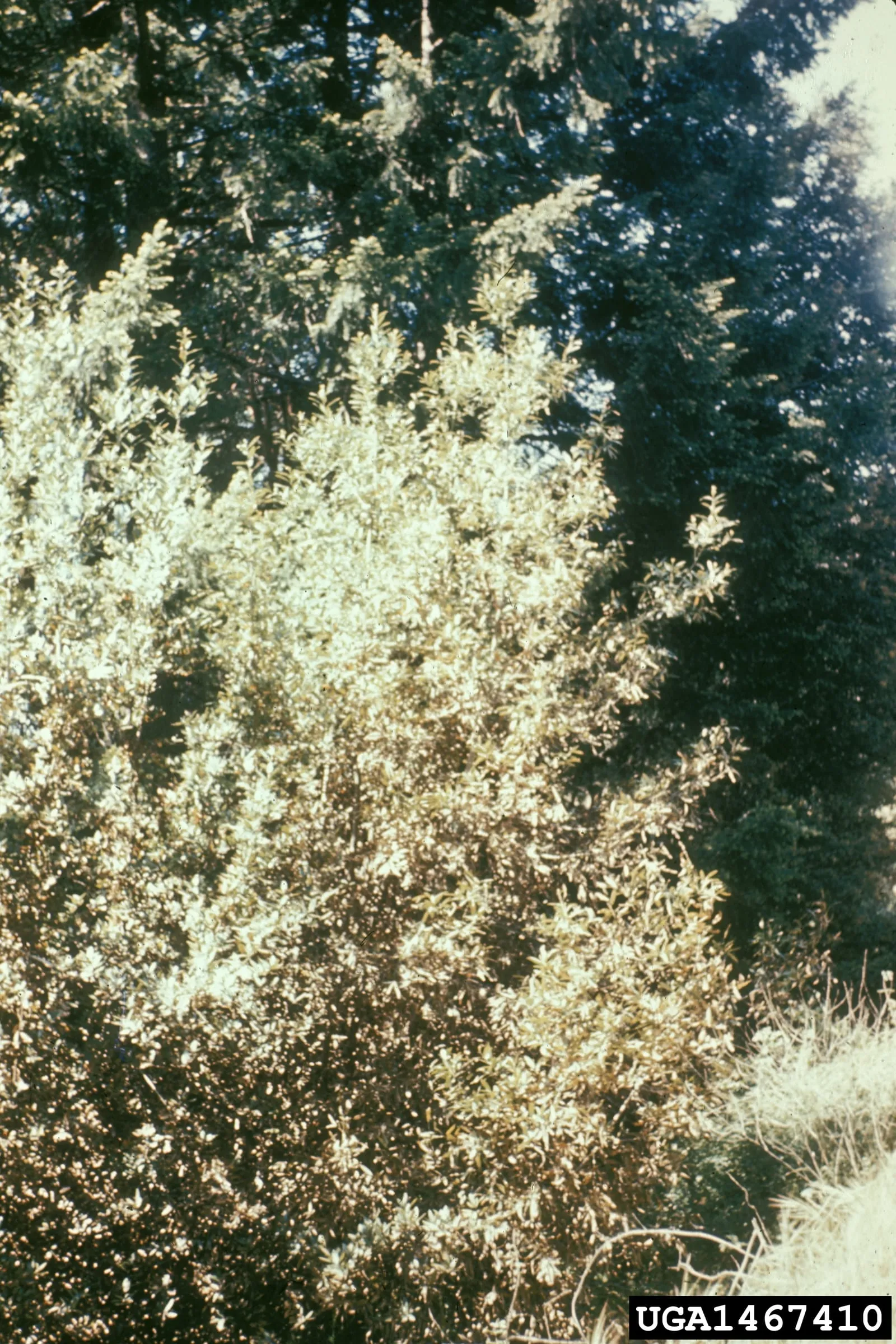
Colletotrichum gloeosporioides
Most damaging mango disease worldwide. Fungal spores infect blossoms and developing fruit during humid weather, producing black sunken lesions that expand on ripening fruit.
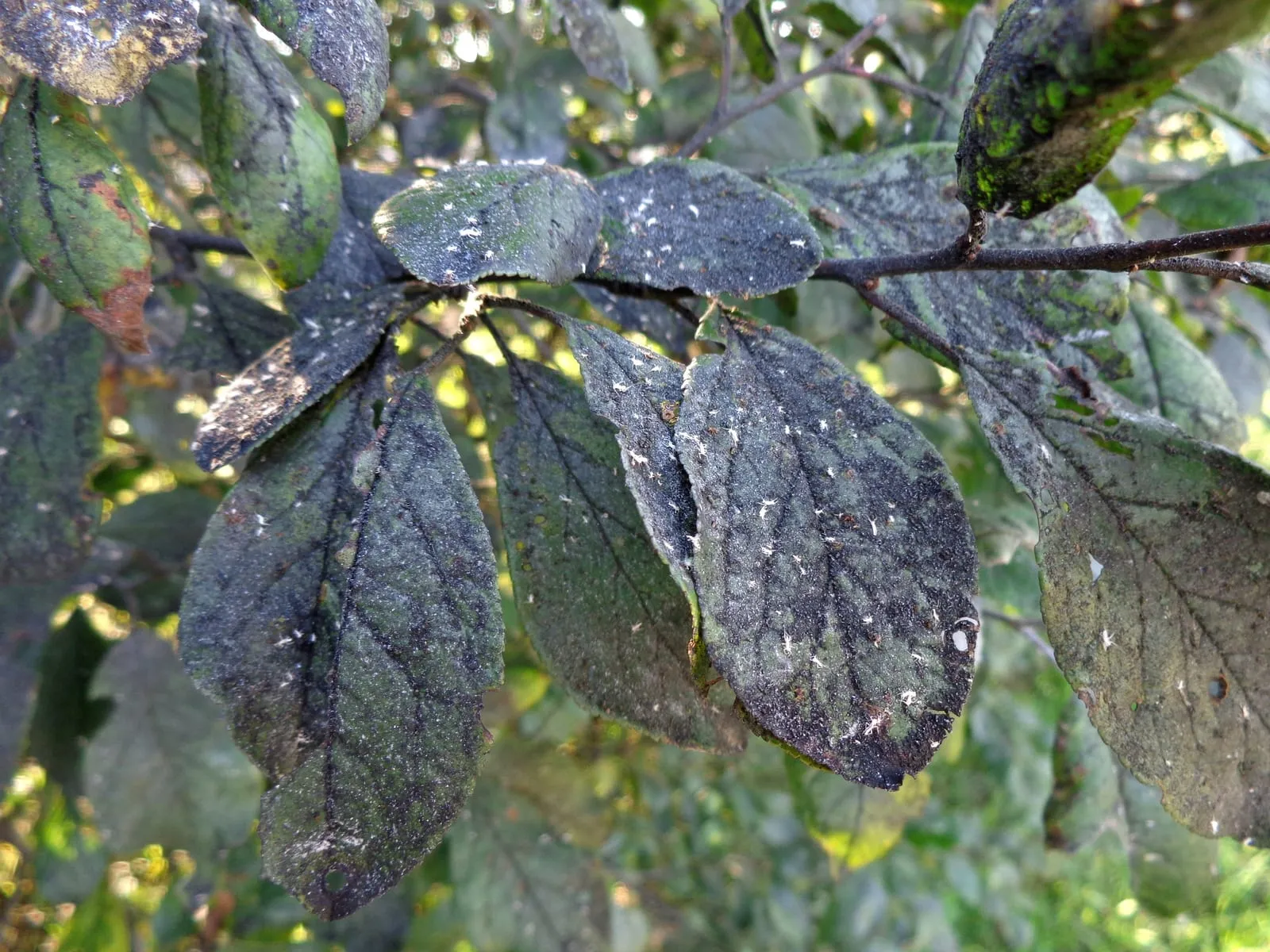
Capnodium spp.
Black fungal coating that grows on honeydew secreted by aphids, scale, mealybugs, and whiteflies. Doesn't infect plant tissue directly but blocks photosynthesis and disfigures fruit.
Common pests
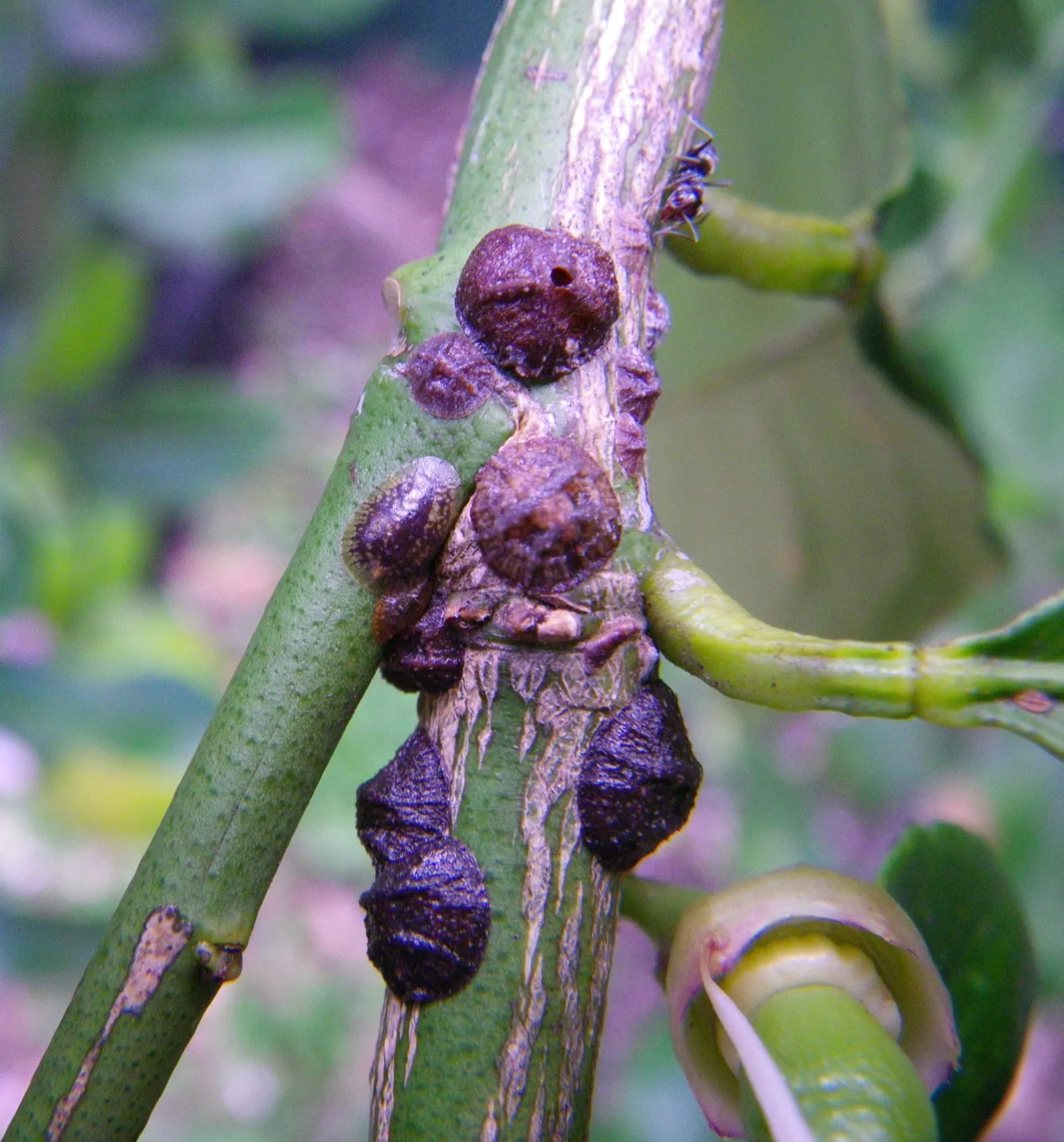
Coccoidea spp.
Sap-sucking insects that attach to bark, leaves, and fruit, secreting honeydew that fuels sooty mold. Heavy infestations weaken trees and cause leaf yellowing.
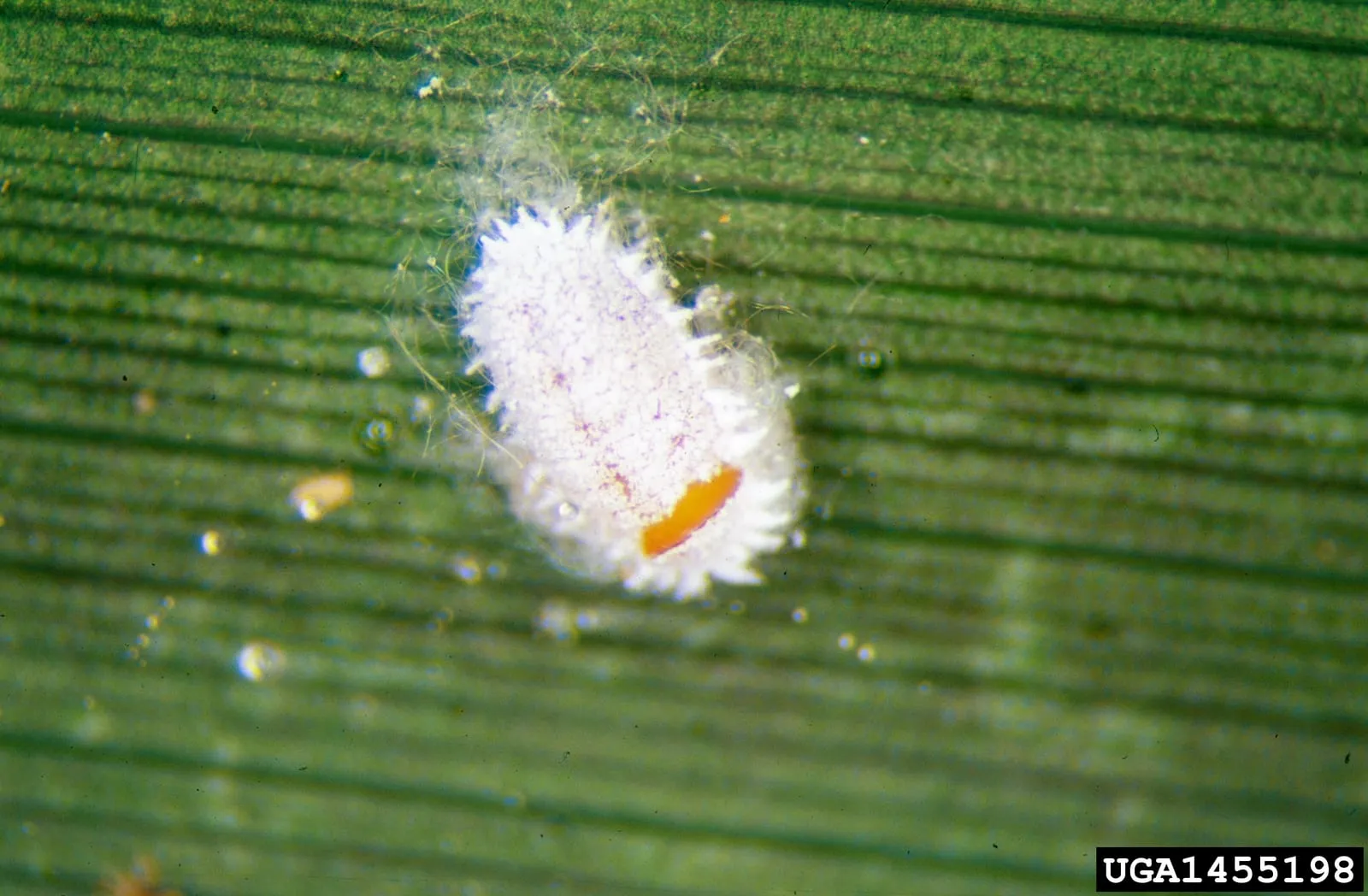
Pseudococcidae spp.
Soft white waxy insects that cluster at leaf joints, fruit stems, and root crowns. Honeydew secretion supports sooty mold; root mealybugs cause decline that mimics drought.
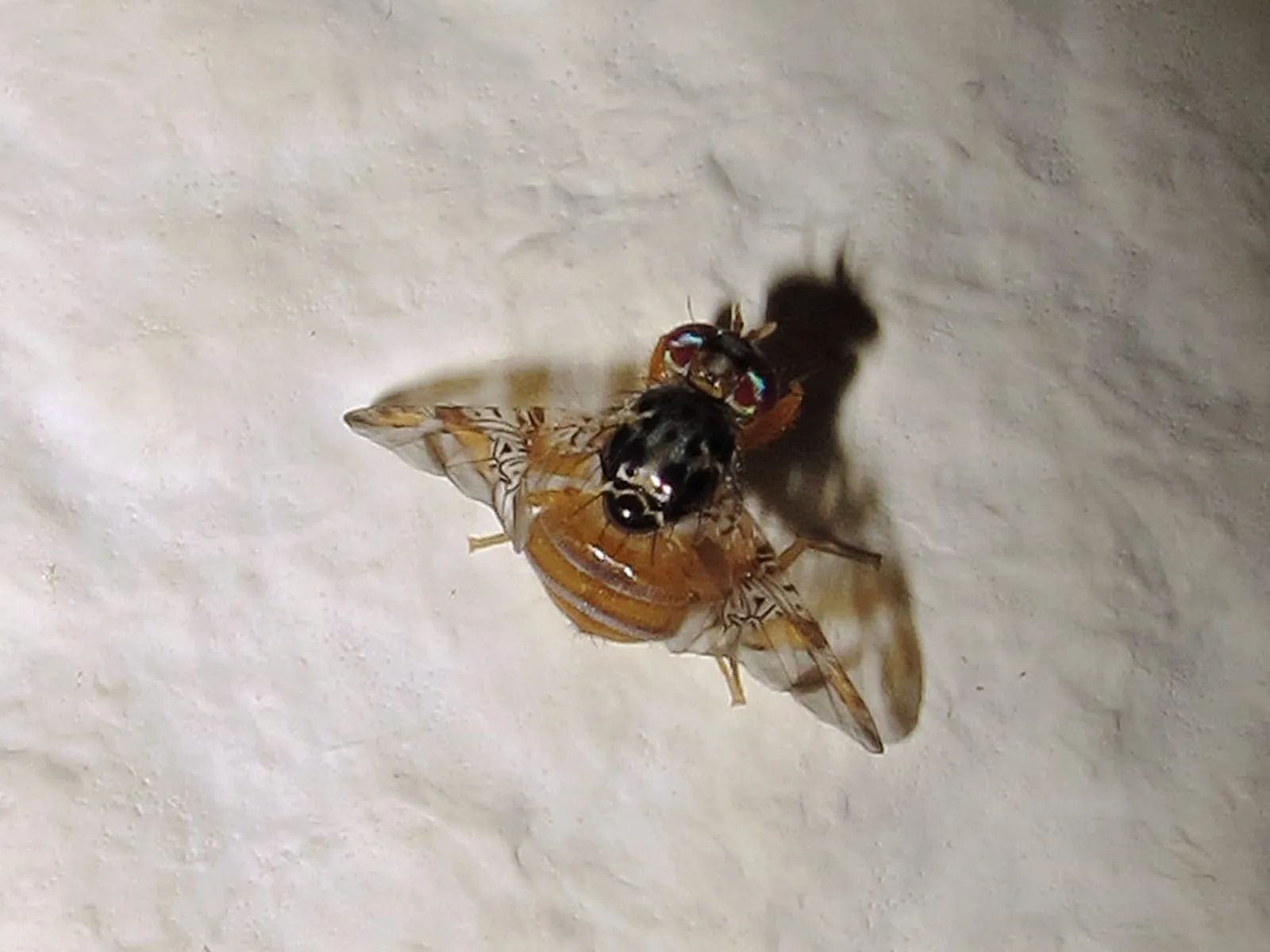
Ceratitis capitata
Quarantine pest in many regions. Adult females puncture ripening fruit to lay eggs; larvae tunnel through the flesh, causing premature drop and rot.
Common challenges
Three factors account for most lychee failures in home landscapes: insufficient chill accumulation, freeze damage during flowering, and water stress through the critical fruit development window.
Lychee requires 100 to 200 hours below 60°F to flower reliably. In zones 11b and 12b, where winters are consistently warm, trees may complete vigorous vegetative flushes while producing erratic or absent flower panicles. Mauritius tends to perform better with less cold than Brewster, but no variety fully compensates for a climate that never cools adequately. Growers in these warmest zones should expect occasional blank years.
Anthracnose, caused by Colletotrichum gloeosporioides, is the primary fungal threat. It attacks flowers, young fruit, and leaves during wet weather, and South Florida's late-winter rains coincide directly with the lychee bloom period, making this the highest-risk window of the year. Preventive copper-based fungicide applications timed to pre-bloom and early bloom, as outlined in UF/IFAS Extension guidelines, meaningfully reduce losses. Skipping the spray program in a wet year typically shows up immediately in fruit set.
Bird pressure during the harvest window is severe and underestimated by first-time growers. Lychee ripens over a compressed 2 to 4 week period, and an unnetted mature tree can lose the majority of its crop in days. Scale insects and mealybugs are persistent secondary pests; horticultural oil applied during the dormant period keeps populations manageable without heavy intervention.
Frequently asked questions
- How many chill hours does lychee need to flower?
Most lychee varieties need 100 to 200 hours below 60°F to initiate flowering. The requirement varies by variety: Brewster generally needs more cold than Mauritius, which tolerates warmer winters with more consistency. Without adequate chill accumulation, trees stay vegetative and produce few or no flower panicles.
- How long does lychee take to produce fruit?
Grafted lychee trees typically begin bearing at 3 to 5 years after planting. From fruit set to harvest takes 120 to 180 days depending on variety and local climate. Seedling trees are considerably slower, often requiring 10 or more years before reliable production begins.
- Which USDA zones can grow lychee?
Lychee is reliably productive in zones 10a through 12b. Zone 9b is marginal; temperatures below 28°F damage young growth and kill developing flower panicles. Most domestic production is concentrated in South Florida (Miami-Dade, Broward, and Palm Beach counties) and Hawaii's lower elevations.
- Is lychee self-fertile, or does it need a pollinator tree?
Lychee is self-fertile, but fruit set is more consistent when two or more trees are present. Flower panicles carry both male and female flowers that open at staggered times (a protandrous pattern), so having a second tree nearby increases the chance of cross-pollination during the narrow overlap window. Single-tree plantings can and do produce, but yields tend to be lower.
- What is the most common fungal disease on lychee?
Anthracnose, caused by Colletotrichum gloeosporioides, is the primary fungal concern. It damages flowers, young fruit, and foliage during wet weather. The bloom period in late winter and early spring, which coincides with seasonal rains in South Florida, is the highest-risk window. Copper-based fungicide applications at pre-bloom and early bloom significantly reduce losses.
- Why does a lychee tree flower but fail to set fruit?
Poor fruit set despite flowering most often traces back to one of three causes: cold or rainy weather during bloom that suppresses bee activity; inadequate bee pressure at the site; or irrigation stress in the 4 to 6 weeks after fruit set. Consistent soil moisture through that post-set window is critical. Nutritional deficiencies, particularly nitrogen imbalance from over-fertilization, can also push trees toward vegetative growth at the expense of fruit retention.
- How serious is bird damage to lychee crops?
Bird pressure is one of the most underestimated challenges for home lychee growers. Fruit ripens over a compressed 2 to 4 week window, and an unnetted mature tree can lose the majority of its crop within days. Netting the canopy before fruit colors up is the most reliable protection; reflective tape and noise deterrents offer only partial results against persistent pressure.
+−
+−
+−
+−
+−
+−
+−
Sources
- [1] UF/IFAS Extension: Lychee Growing in the Florida Home Landscape
- [2] University of Hawaii: Lychee Production
Image: "Starr 061108-9610 Litchi chinensis subsp. chinensis", by Forest & Kim Starr, via Wikimedia Commons, licensed under CC-BY. Source.

Lychee by zone
Related