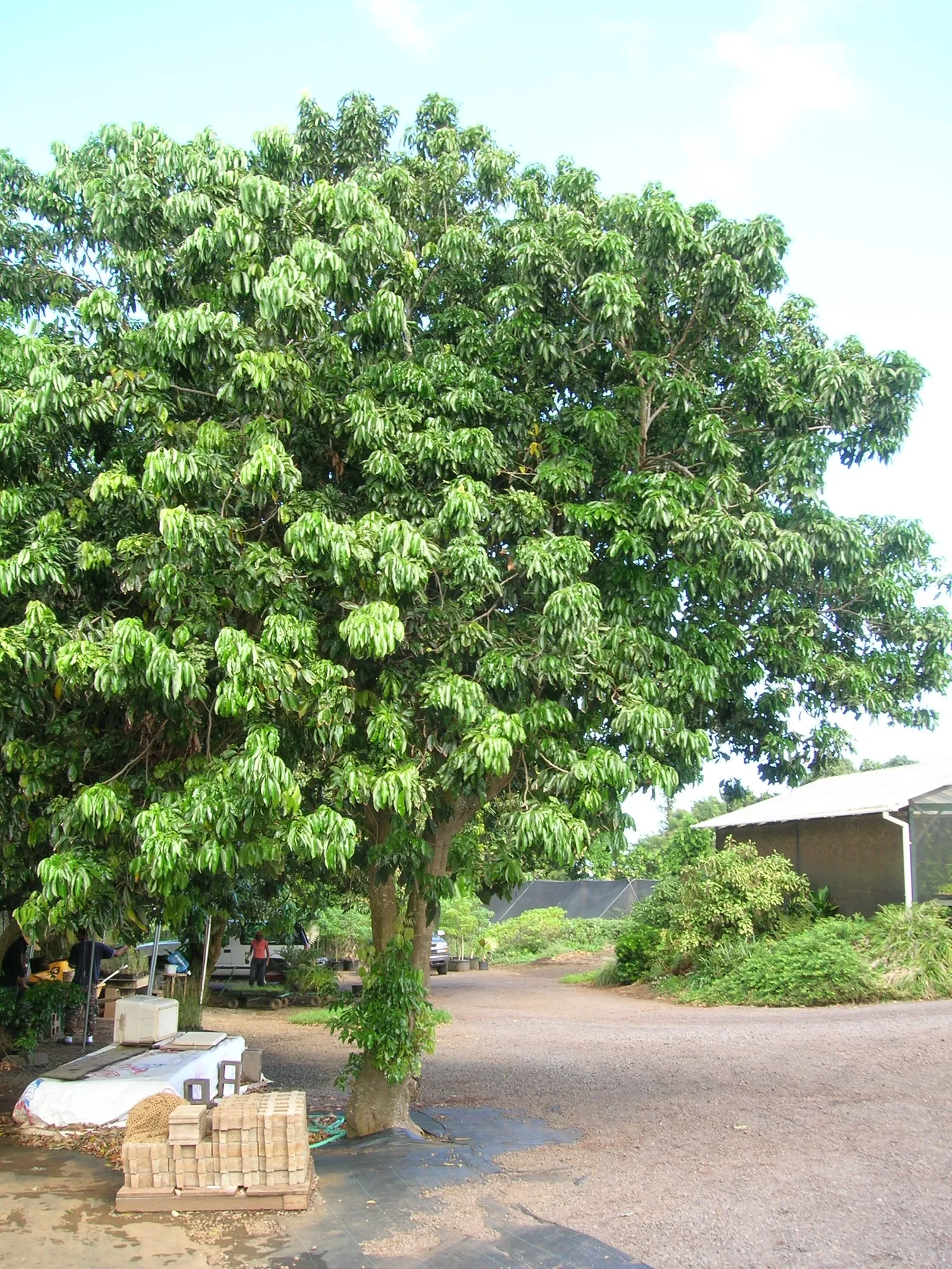
fruit tree in zone 12b
Growing lychee in zone 12b
Litchi chinensis
- Zone
- 12b 55°F to 60°F
- Growing season
- 365 days
- Chill needed
- 100 to 200 below 45°F
- Suitable varieties
- 3
- Days to harvest
- 120 to 180
The verdict
Zone 12b sits at the warm extreme of lychee's viable range. Minimum winter temperatures of 55 to 60°F mean accumulating the 100 to 200 chill hours lychee requires to trigger reliable flowering is difficult most years. Chill hours are counted below 45°F, and in zone 12b, nights rarely approach that threshold for sustained periods.
The result is inconsistent fruit production rather than complete failure. Trees grow vigorously year-round and establish quickly, but may skip flowering entirely in years when the cool season is shallow. Cultivar selection becomes critical: Mauritius and Sweetheart carry a reputation for performing at lower effective chilling accumulations than Brewster. Growers at higher elevations within zone 12b gain a modest temperature advantage during cool months that can tip the balance toward adequate chilling. At sea level, zone 12b should be treated as marginal for lychee, with flowering a seasonal variable rather than a given.
Recommended varieties for zone 12b
3 cultivars suited to this zone, with disease-resistance and zone-fit annotations.
| Variety | Notes | Zone fit | Disease resistance |
|---|---|---|---|
| Brewster fits zone 12b | Sweet floral translucent flesh with a hint of grape; the Florida standard introduced in 1903. Heavy alternate-bearing producer. | | none noted |
| Mauritius fits zone 12b | Smaller sweeter fruit with red-blushed skin; less prone to alternate bearing than Brewster. Tropical Africa/Madagascar lineage. | | none noted |
| Sweetheart fits zone 12b | Heart-shaped fruit with intensely sweet honey-floral flesh and small seed; recently popular among connoisseurs. Productive once mature. | | none noted |
Critical timing for zone 12b
Lychee flowering in zone 12b depends on whether the tree accumulates sufficient chilling during the November through February window, when nights are coolest. Where adequate chilling occurs, bloom typically follows 4 to 8 weeks after the cool period ends, placing flowers in February or March. Fruit development takes approximately 80 to 110 days from bloom, putting harvest in May through July.
Because zone 12b carries no frost risk, the bloom window has no cold-damage exposure that growers in zones 9 and 10 occasionally contend with. The practical concern is the opposite: warm winters that compress or eliminate flowering entirely rather than destroy flowers already open.
Common challenges in zone 12b
- ▸ No chilling for temperate fruit
- ▸ Pest pressure year-round
- ▸ Specialized cultivar selection
Disease pressure to watch for
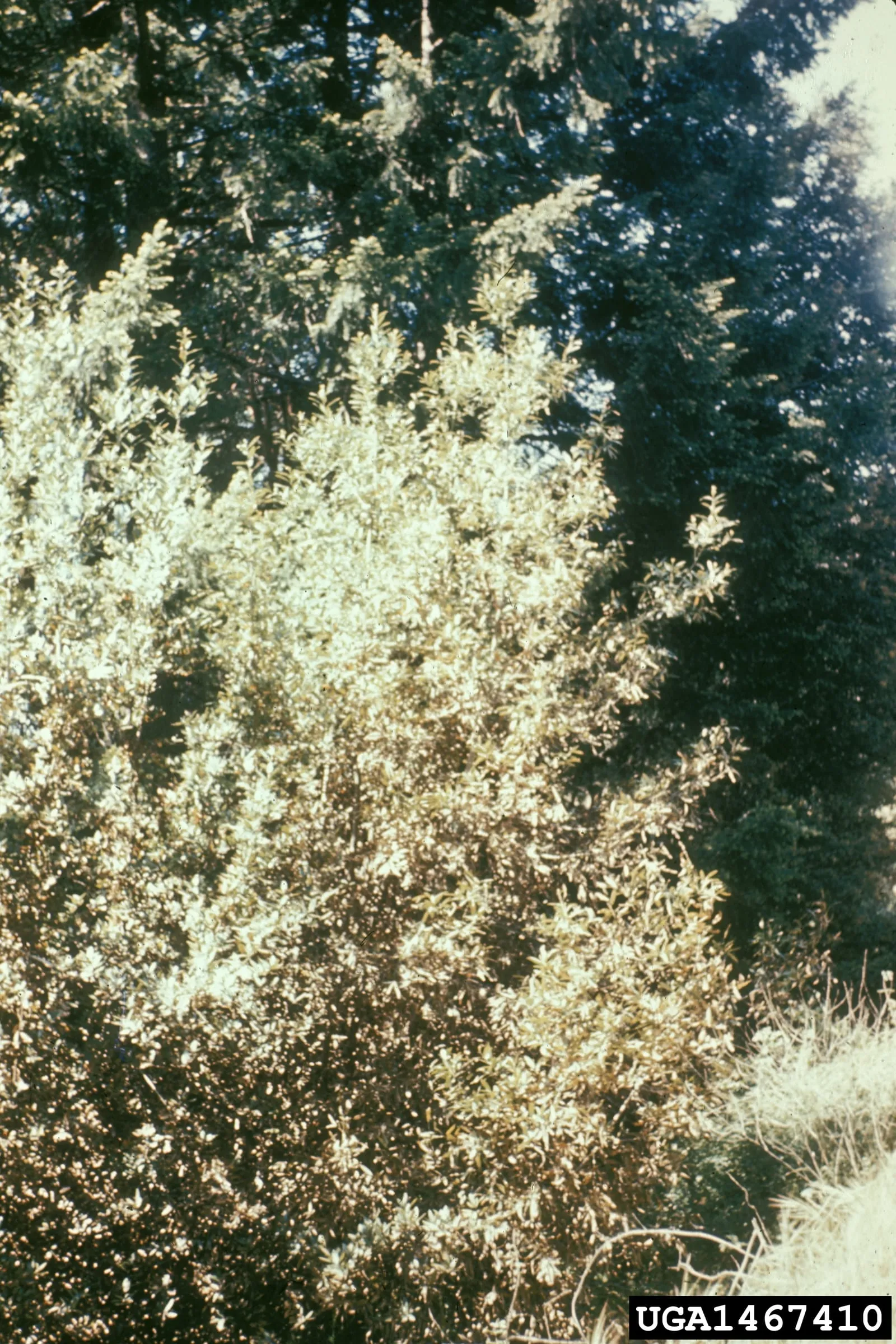
Colletotrichum gloeosporioides
Most damaging mango disease worldwide. Fungal spores infect blossoms and developing fruit during humid weather, producing black sunken lesions that expand on ripening fruit.
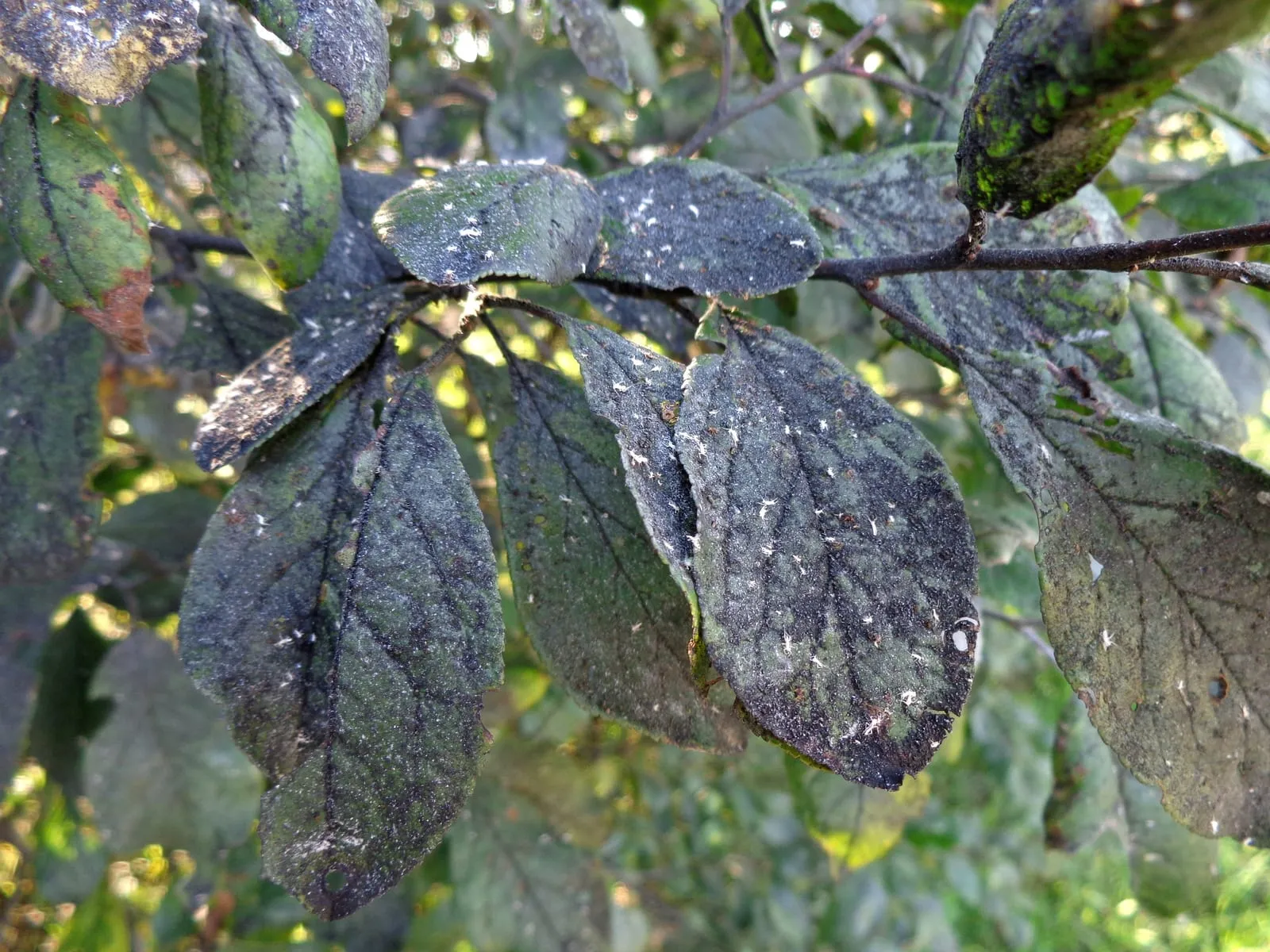
Capnodium spp.
Black fungal coating that grows on honeydew secreted by aphids, scale, mealybugs, and whiteflies. Doesn't infect plant tissue directly but blocks photosynthesis and disfigures fruit.
Modified care for zone 12b
The standard adjustment for lychee in low-chill zones is deliberate water stress from October through December. Reducing irrigation during this period encourages mild physiological stress that can partially substitute for chilling and improve flowering consistency. Resume normal irrigation once new vegetative growth begins to flush.
Pest management requires year-round attention in zone 12b, with no winter dormancy to interrupt lychee mite and fruit borer cycles. Anthracnose pressure (the Colletotrichum pathogen that causes mango anthracnose also affects lychee in humid tropical conditions) intensifies during wet periods near harvest. Copper-based fungicides applied at panicle emergence and again at fruit set are the standard management approach; timing applications to dry windows improves efficacy significantly.
Lychee in adjacent zones
Image: "Starr 061108-9610 Litchi chinensis subsp. chinensis", by Forest & Kim Starr, via Wikimedia Commons, licensed under CC-BY Source.

Related