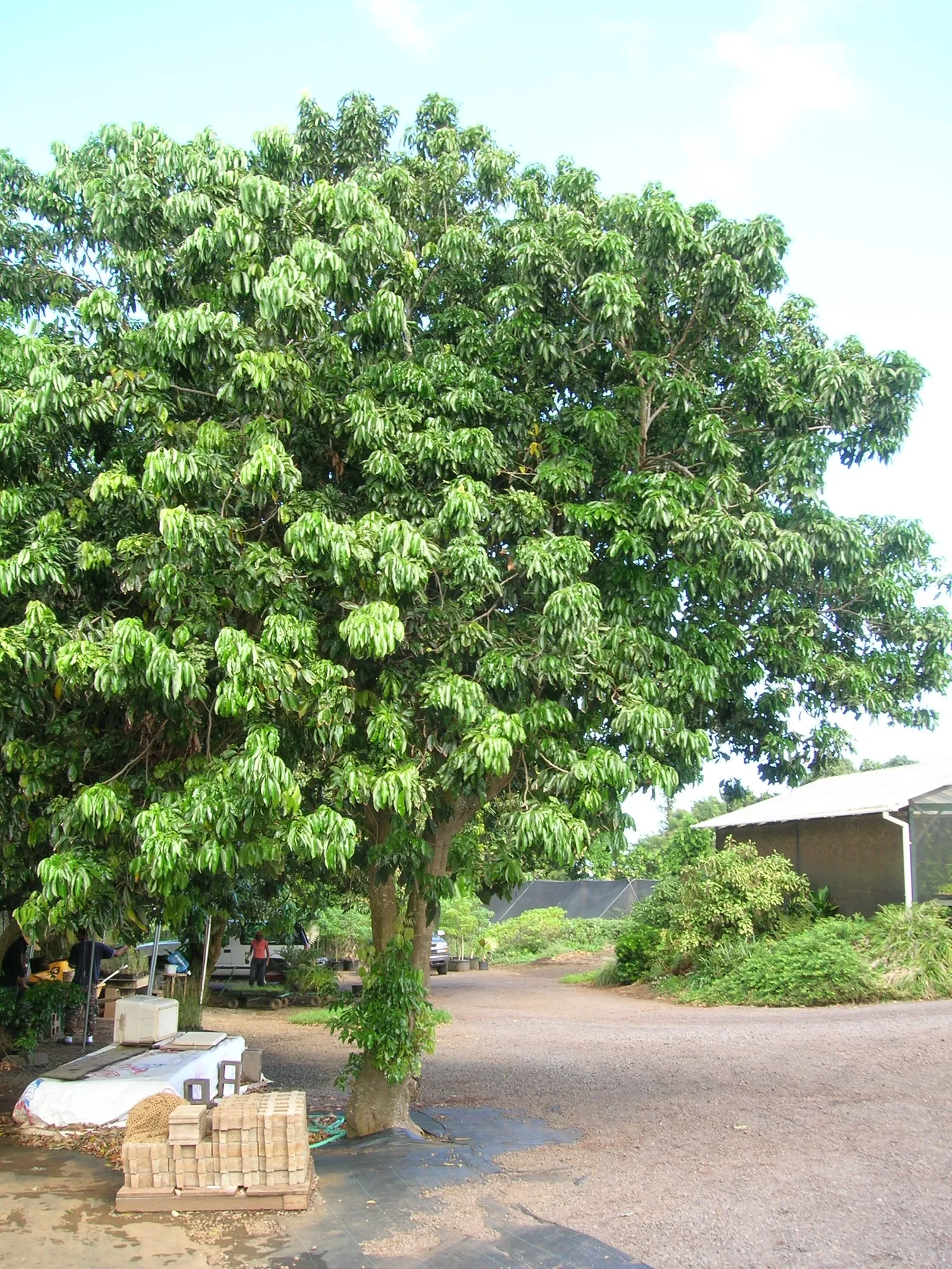
fruit tree in zone 12a
Growing lychee in zone 12a
Litchi chinensis
- Zone
- 12a 50°F to 55°F
- Growing season
- 365 days
- Chill needed
- 100 to 200 below 45°F
- Suitable varieties
- 3
- Days to harvest
- 120 to 180
The verdict
Lychee is well within its thermal comfort range in zone 12a. Minimum winter temperatures of 50 to 55°F pose no cold damage risk, and the 365-day growing season means the tree never enters true dormancy. The chill-hour requirement of 100 to 200 hours, however, is where zone 12a becomes marginal. Chill hours accumulate during periods below 45°F, and in a zone where nighttime lows rarely approach that threshold, reaching even 100 hours in most years is uncertain. Varieties differ in their sensitivity: Brewster tolerates lower chill-hour totals better than some cultivars, and Sweetheart was selected partly for tropical performance. Without adequate chilling, lychee will produce vegetative growth but sporadic or absent flowering. Growers in zone 12a should expect irregular crops in warm winters and consider site selection carefully, favoring higher elevations or inland locations where nighttime cooling is more consistent.
Recommended varieties for zone 12a
3 cultivars suited to this zone, with disease-resistance and zone-fit annotations.
| Variety | Notes | Zone fit | Disease resistance |
|---|---|---|---|
| Brewster fits zone 12a | Sweet floral translucent flesh with a hint of grape; the Florida standard introduced in 1903. Heavy alternate-bearing producer. | | none noted |
| Mauritius fits zone 12a | Smaller sweeter fruit with red-blushed skin; less prone to alternate bearing than Brewster. Tropical Africa/Madagascar lineage. | | none noted |
| Sweetheart fits zone 12a | Heart-shaped fruit with intensely sweet honey-floral flesh and small seed; recently popular among connoisseurs. Productive once mature. | | none noted |
Critical timing for zone 12a
Where chill hours do accumulate, typically during the cooler months of December through February, lychee initiates floral panicles in late winter. In zone 12a, bloom often falls in February or March, depending on the cultivar and how much chilling occurred that season. Fruit development takes approximately 100 to 140 days after pollination, placing harvest in June or July for trees that flowered on schedule. Frost poses no risk in zone 12a; the more relevant timing threat is heat during fruit set. Temperatures consistently above 95°F in the weeks after pollination can cause premature fruit drop. Mauritius and Sweetheart tend to set fruit more reliably through warm spells than some older cultivars.
Common challenges in zone 12a
- ▸ No temperate species
- ▸ Tropical pest and disease pressure
- ▸ Hurricane exposure
Disease pressure to watch for
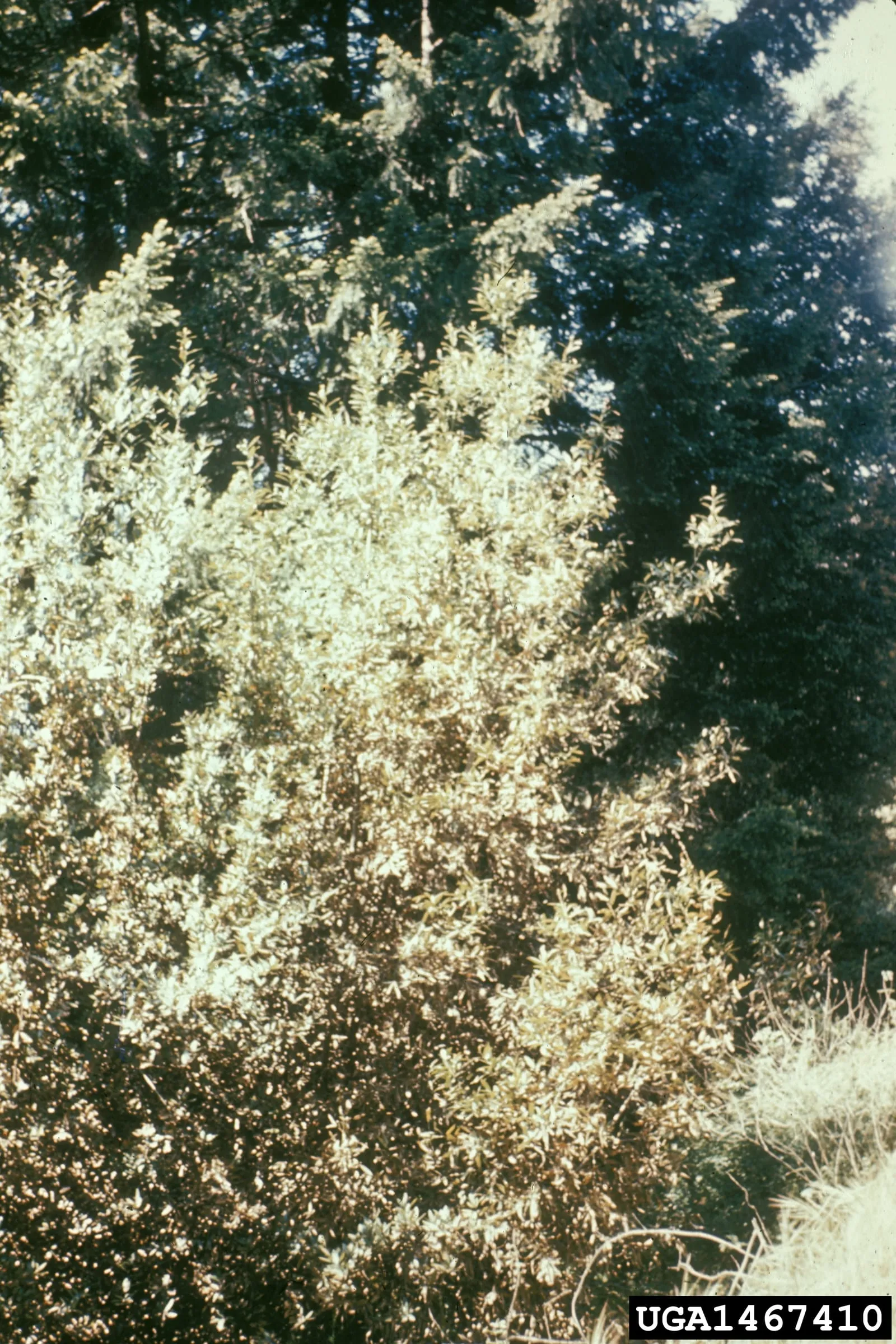
Colletotrichum gloeosporioides
Most damaging mango disease worldwide. Fungal spores infect blossoms and developing fruit during humid weather, producing black sunken lesions that expand on ripening fruit.
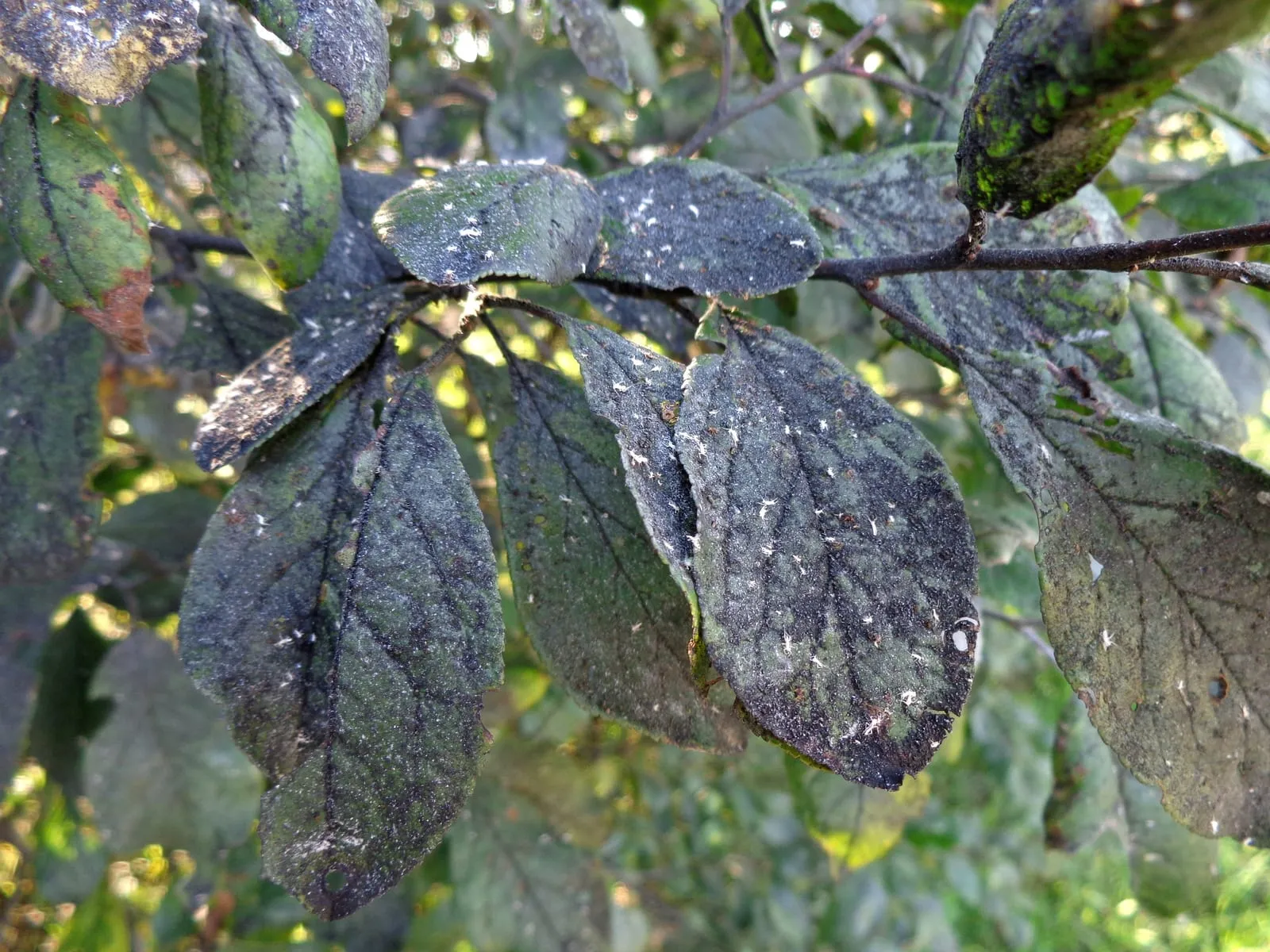
Capnodium spp.
Black fungal coating that grows on honeydew secreted by aphids, scale, mealybugs, and whiteflies. Doesn't infect plant tissue directly but blocks photosynthesis and disfigures fruit.
Modified care for zone 12a
Hurricane exposure is the most consequential zone-specific factor. Lychee trees become large and brittle-branched with age, making them susceptible to wind damage. Structural pruning during the first several years to develop a low, spreading canopy reduces the wind profile. Growers should also have a post-storm plan: broken branches need prompt cuts to clean wood to prevent fungal entry.
Mango Anthracnose, common in humid tropical climates, affects lychee panicles and developing fruit as well. Fungicide applications timed to early panicle emergence and again at fruit set reduce crop losses; copper-based products are the standard in organic programs.
Irrigation management is especially important in a year-round growing season. Lychee in zone 12a needs a dry period to trigger flowering. Withholding irrigation for four to six weeks before the intended bloom window can partially substitute for limited chill-hour accumulation.
Lychee in adjacent zones
Image: "Starr 061108-9610 Litchi chinensis subsp. chinensis", by Forest & Kim Starr, via Wikimedia Commons, licensed under CC-BY Source.

Related