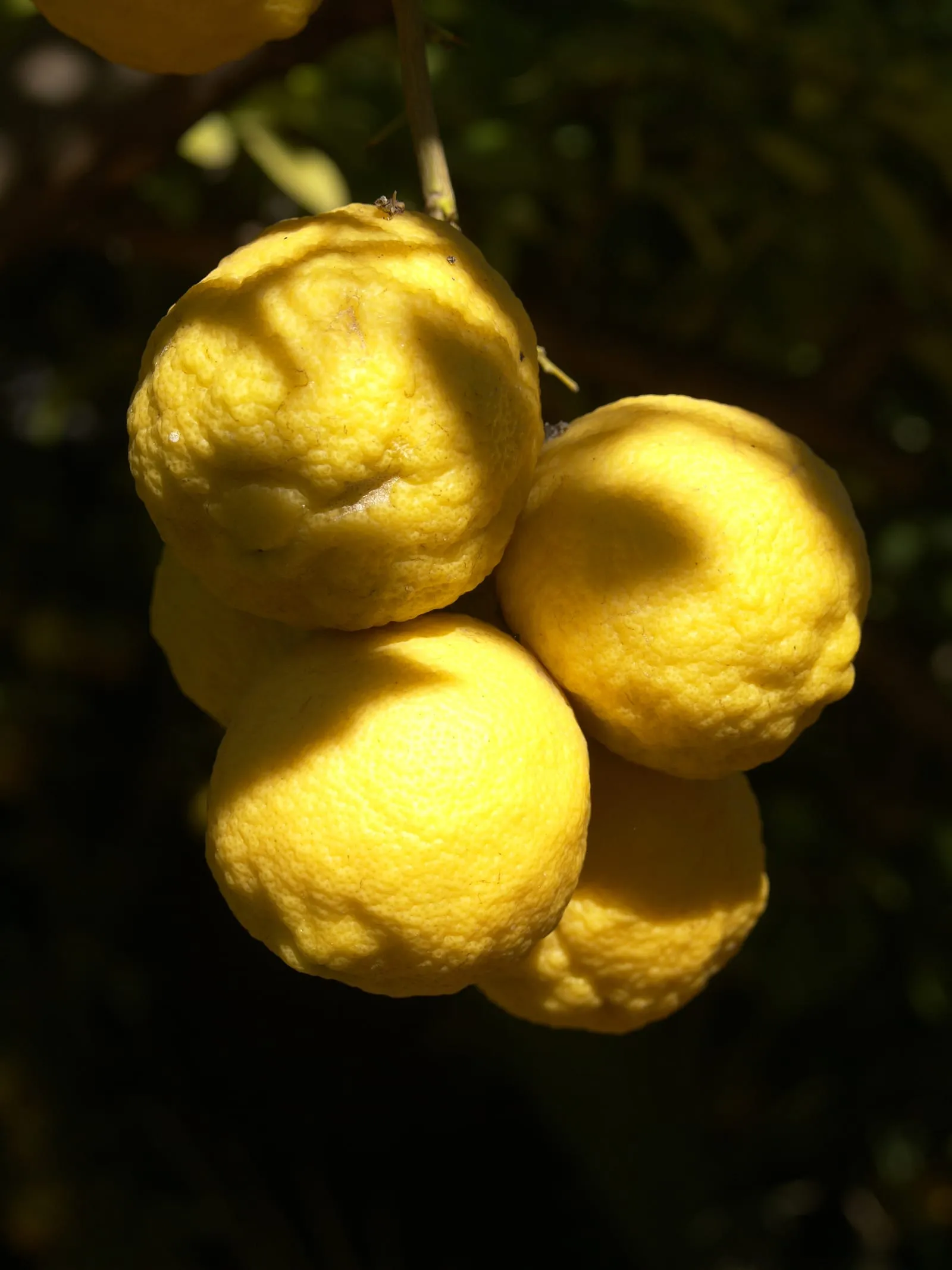
fruit tree
Lemon
Citrus limon
USDA hardiness range
- Zones
- 9a–11b
- Chill hours
- 0 to 100 below 45°F
- Days to harvest
- 180 to 365
- Sun
- Full
- Water
- Moderate
- Lifespan
- 30 to 50 years
Growing lemon
Lemon is one of the most productive citrus species for home growers in warm climates, and one of the least forgiving about cold. Reliable production requires zones 9a through 11b, where winter lows stay above 25°F with regularity. Zone 9 plantings are viable but demand microclimate management: south-facing walls, container culture, or frost cloth in winters that push below the typical range. The tree itself is vigorous and, in zones 10 and 11, capable of carrying fruit nearly year-round under good conditions. In zone 9, production narrows to a tighter seasonal window, and hard winters take fruit and sometimes wood.
Chill-hour requirements are minimal at 0 to 100 hours below 45°F. Lemon is unsuitable for zones 8 and colder not because it needs cold, but because it cannot survive the cold those zones routinely deliver. The Mediterranean and subtropical conditions that suit lemon best are characterized by dry summers and mild winters with infrequent frost.
The separation between a productive lemon planting and a struggling one comes down to siting, drainage, and disease pressure. Citrus greening (HLB), caused by a bacterium spread by the Asian citrus psyllid, is now an active threat in Florida and has arrived in California. Growers in affected regions should source only certified disease-free nursery stock, consult UF/IFAS Extension: Lemon Production in Florida or UC ANR: Citrus Production Manual for current psyllid management guidance, and monitor trees regularly. There is no cure once a tree is infected.
Recommended varieties
See all 4 →4 cultivars for home growers, with notes on flavor, ripening, and disease resistance.
| Variety | Notes | Zone fit | Disease resistance |
|---|---|---|---|
| Eureka | Bright tart juice with a clean almost-floral finish; the standard supermarket lemon. Vigorous nearly thornless tree, fruits nearly year-round in zones 10-11. | | none noted |
| Lisbon | Sharper acidity than Eureka, holds well on the tree. More cold-tolerant and thornier; the better choice for marginal zones. | | none noted |
| Meyer | Sweet-tart with a distinct tangerine note from its mandarin parentage; a chef's lemon for tarts and curd. Cold-hardy to 22°F when well-established. | |
|
| Ponderosa | Massive grapefruit-sized fruit with thick rind; mild-acid juice for novelty rather than volume. Compact tree fits dooryard plantings. | | none noted |
Soil and site requirements
Lemon performs best in well-drained loam or sandy loam with a soil pH of 6.0 to 7.0. Poorly drained sites are the primary cause of long-term failure: roots are highly susceptible to Phytophthora root rot, and soil that stays saturated for days after rain or irrigation will eventually compromise tree health. In clay-heavy soils, slightly mounded planting sites or raised beds are worth the preparation effort.
Full sun is essential, with a minimum of six hours of direct light daily and eight or more preferred. In zone 9, a south- or southwest-facing microclimate, particularly against a masonry or stucco wall, provides several degrees of frost buffer and extends the effective growing season meaningfully.
Standard trees need 15 to 20 feet of spacing. Dwarf rootstocks such as Flying Dragon reduce spacing requirements to 8 to 10 feet and are the practical choice for container culture or frost-prone yards where trees may need to be moved under cover. Container-grown trees require more frequent irrigation and fertilization than in-ground plantings, and containers of at least 15 to 25 gallons are needed to sustain a productive tree.
Avoid low-lying areas and frost pockets where cold air settles on still, clear nights. Even a modest elevation difference of two to three feet above a surrounding lawn can translate to a meaningful improvement in minimum temperature exposure during cold events.
Common diseases
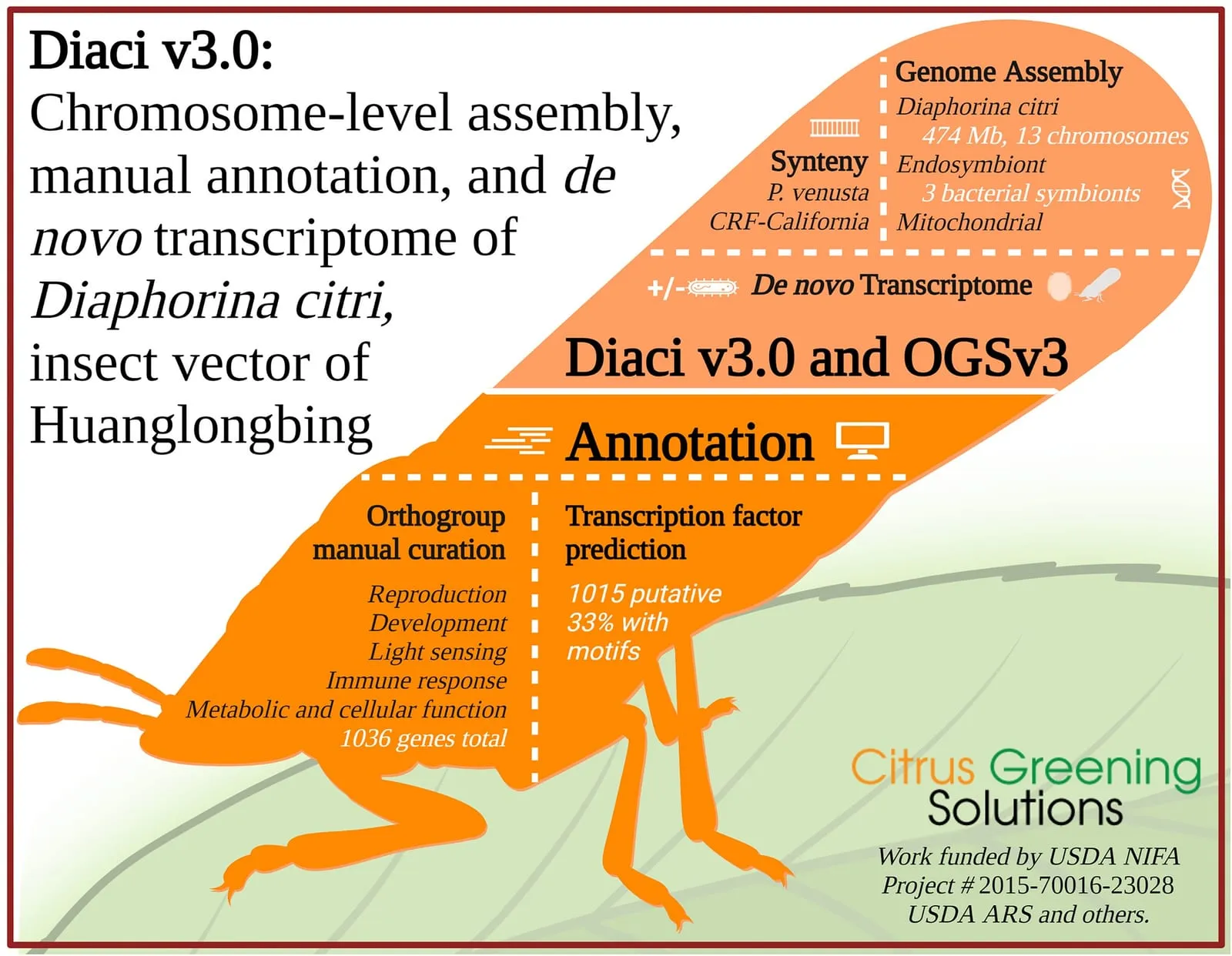
Candidatus Liberibacter asiaticus
Devastating bacterial disease vectored by the Asian citrus psyllid. Once infected, trees decline progressively over several years and there is no cure. Has destroyed commercial citrus across Florida and threatens production worldwide.
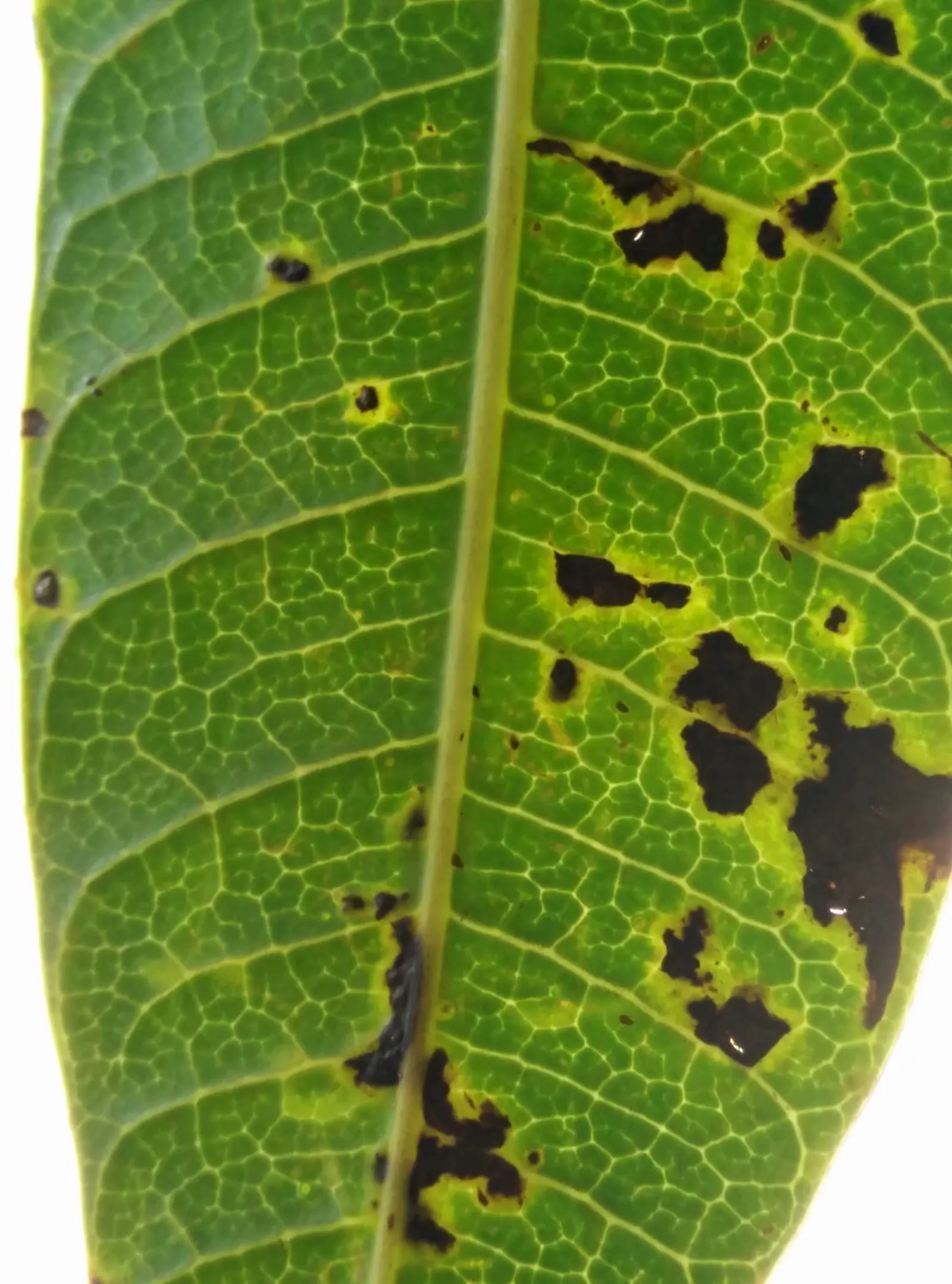
Xanthomonas citri
Bacterial disease producing raised corky lesions on leaves, twigs, and fruit. Spread by wind-driven rain and contaminated tools. Quarantine-regulated in many areas.
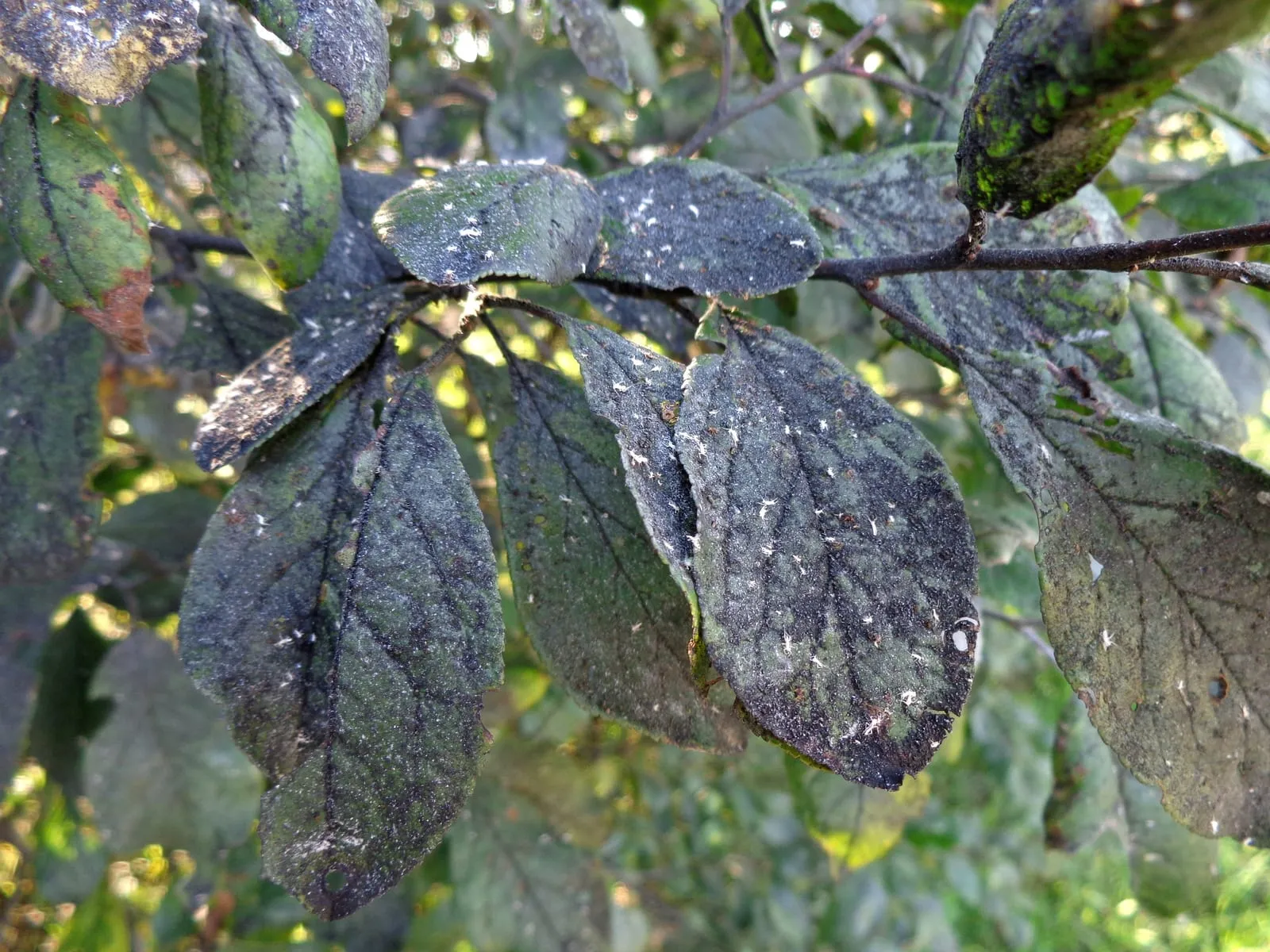
Capnodium spp.
Black fungal coating that grows on honeydew secreted by aphids, scale, mealybugs, and whiteflies. Doesn't infect plant tissue directly but blocks photosynthesis and disfigures fruit.
Common pests
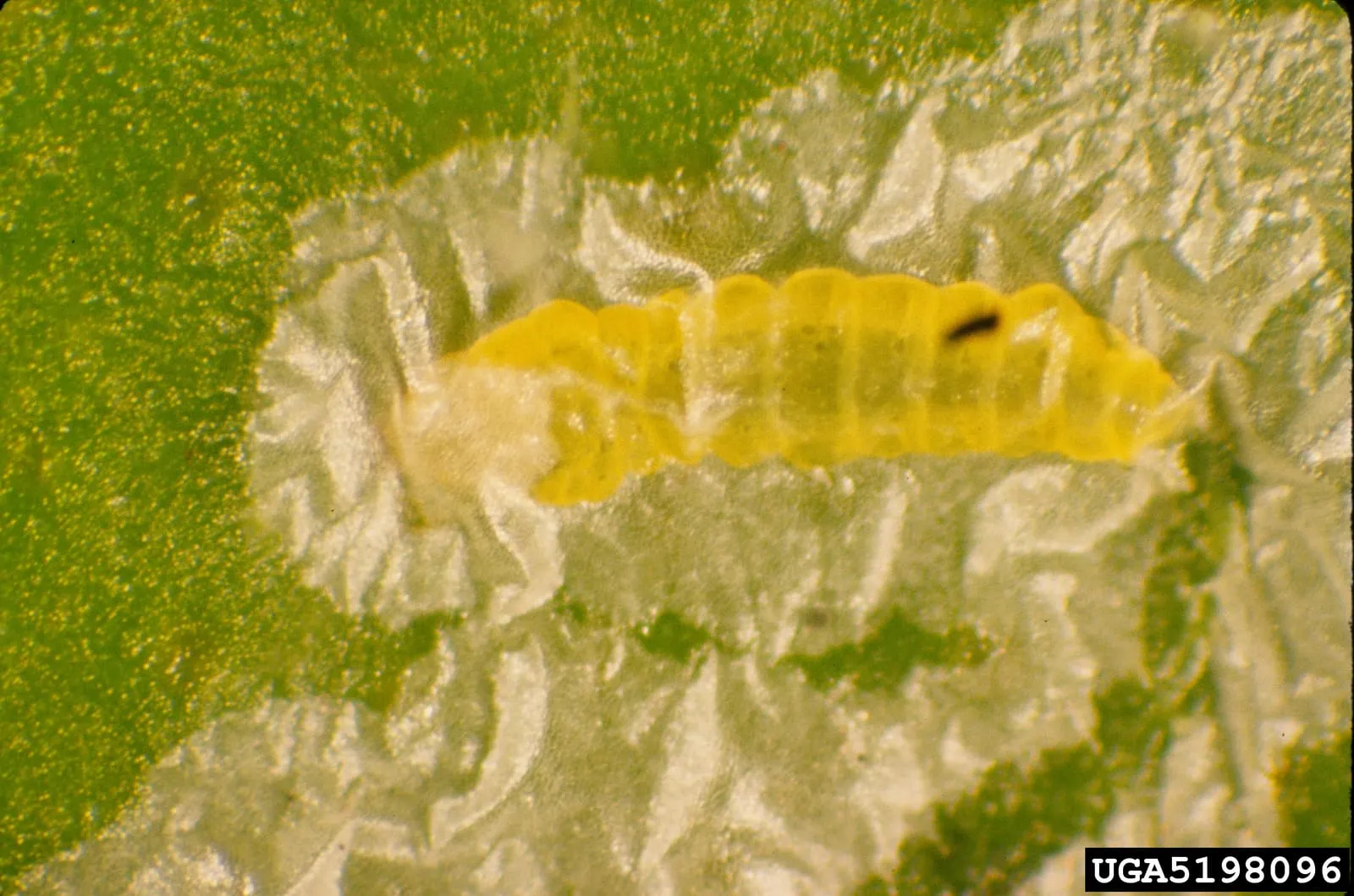
Phyllocnistis citrella
Tiny moth larvae tunnel inside young citrus leaves, leaving silvery serpentine trails. Damage is mostly cosmetic on mature trees but stunts new plantings.
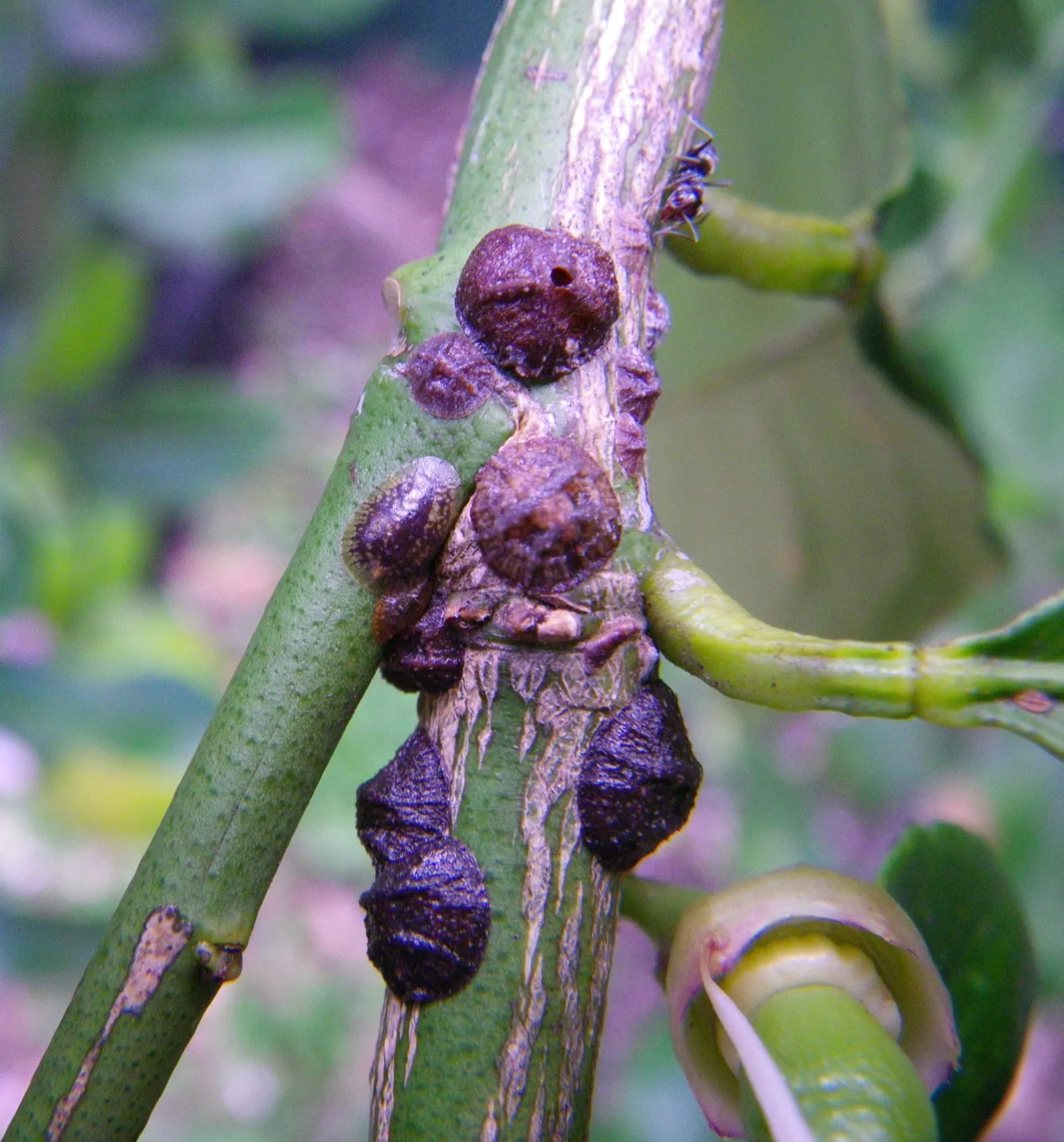
Coccoidea spp.
Sap-sucking insects that attach to bark, leaves, and fruit, secreting honeydew that fuels sooty mold. Heavy infestations weaken trees and cause leaf yellowing.
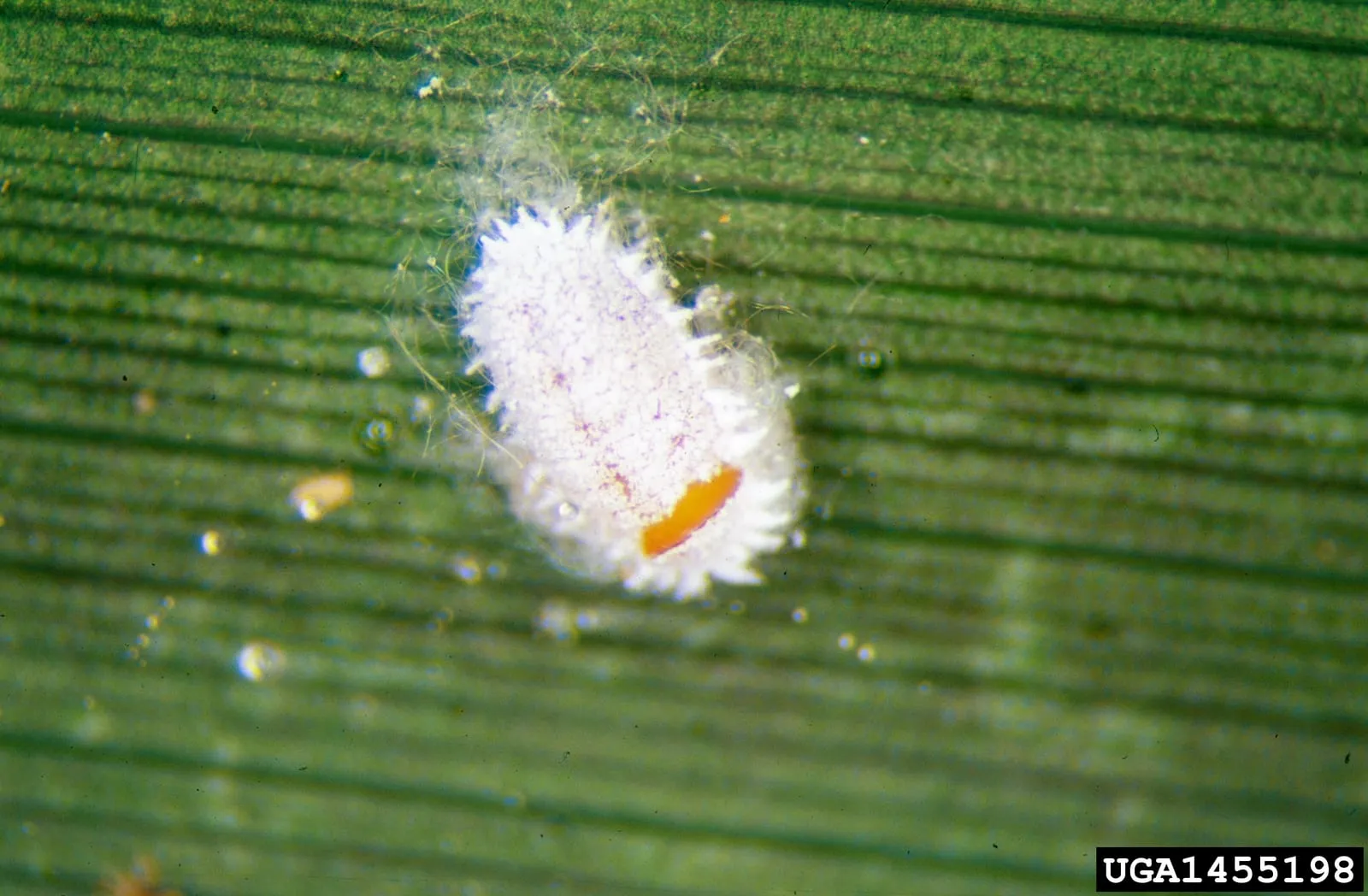
Pseudococcidae spp.
Soft white waxy insects that cluster at leaf joints, fruit stems, and root crowns. Honeydew secretion supports sooty mold; root mealybugs cause decline that mimics drought.
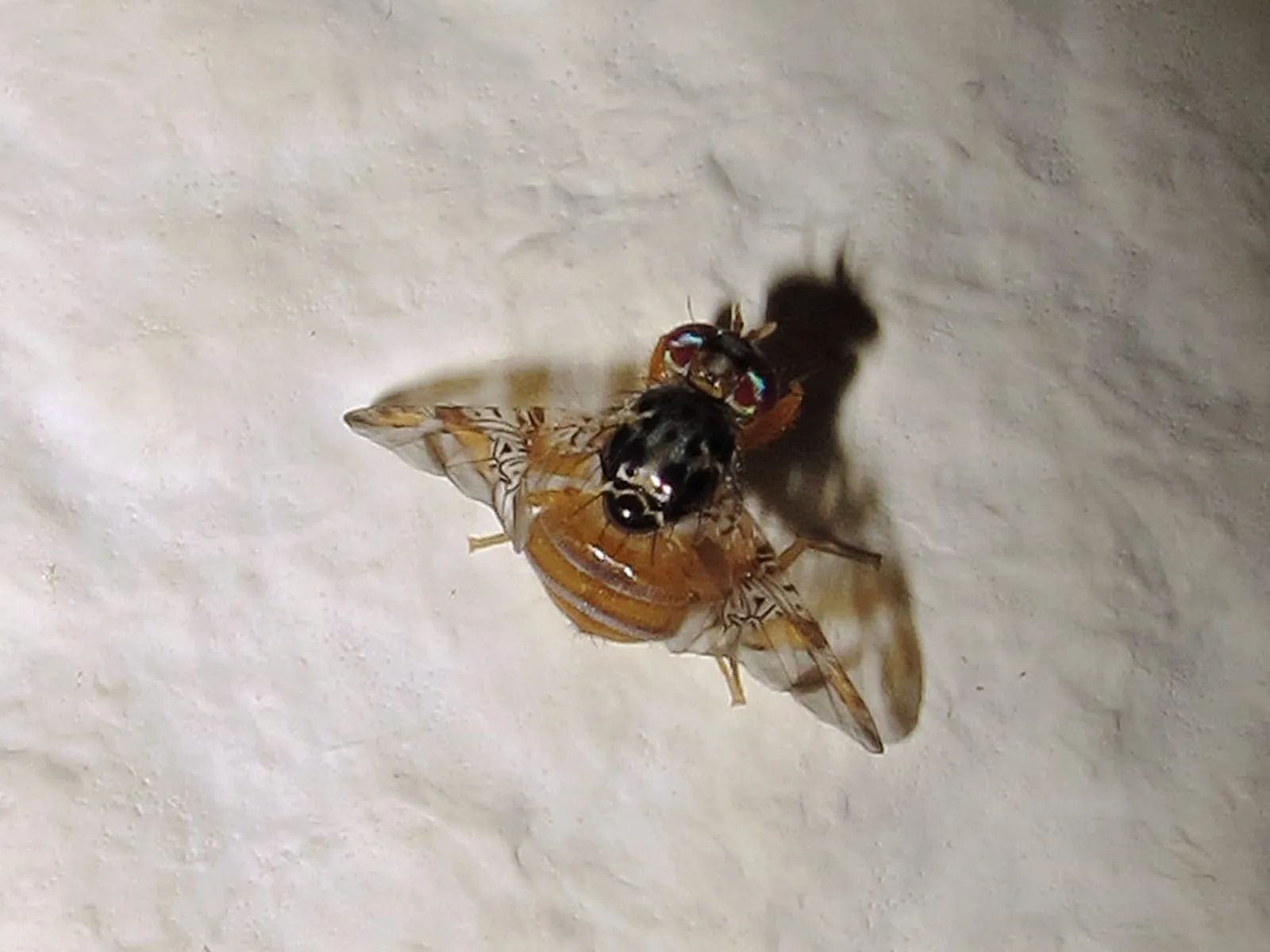
Ceratitis capitata
Quarantine pest in many regions. Adult females puncture ripening fruit to lay eggs; larvae tunnel through the flesh, causing premature drop and rot.
Common challenges
Frost damage is the leading cause of home lemon failure at the cold end of the range. Mature trees can tolerate brief exposure down to approximately 28°F, but extended freezes below 25°F kill wood and can kill young trees outright. Lisbon tolerates cold better than Eureka; Meyer, which is cold-hardy to approximately 22°F when well-established, is the strongest choice where frost is a regular risk. Regardless of variety, trees planted in the ground in zone 9a should be treated as frost-sensitive and protected accordingly.
Citrus greening (HLB) is incurable, fatal, and spreading. The disease has devastated Florida's commercial lemon and citrus industry and is now established in California. Prevention depends entirely on sourcing certified HLB-free nursery stock, controlling Asian citrus psyllid populations with approved insecticides, and removing infected trees promptly to limit spread. Both UF/IFAS Extension: Lemon Production in Florida and UC ANR: Citrus Production Manual maintain current management guidance that is worth consulting before planting in either state.
Drainage failure and overwatering are slow, often misdiagnosed problems. Phytophthora root rot is almost always a drainage issue rather than a watering frequency issue: soil that remains saturated creates the anaerobic conditions where the pathogen thrives. Symptoms, including yellowing foliage, twig dieback, and general decline, can look like nutrient deficiency or drought stress, which leads growers to water more and compound the problem. Establishing trees in well-drained soil from the start is the correct prevention.
Frequently asked questions
- How many chill hours does lemon require?
Lemons require 0 to 100 chill hours below 45°F, making them one of the lowest-chill citrus options. They are not limited by insufficient cold in warm climates; the constraint is the opposite. Zones 8 and colder deliver more frost than lemon trees can survive.
- How long does it take a lemon tree to produce fruit after planting?
Grafted nursery trees typically begin fruiting within 3 to 5 years. Once bearing, the time from bloom to harvestable fruit ranges from 180 to 365 days depending on variety and zone. Eureka and Lisbon in zones 10 to 11 can carry fruit at multiple stages of ripeness simultaneously throughout the year.
- What USDA zones support lemon production?
Lemon is reliably productive in zones 9a through 11b. Zone 9a is marginal and requires frost protection in most winters. Zones 10 and 11 allow consistent, near-continuous production without supplemental cold protection for established trees.
- Does lemon require a pollinator tree?
Lemons are self-fertile and do not require a second tree to set fruit. A single tree will produce reliably on its own. Active bee pollination during bloom improves fruit set, particularly in cooler springs, but is not strictly required.
- What is citrus greening (HLB) and should home growers be concerned?
Citrus greening (HLB) is a bacterial disease transmitted by the Asian citrus psyllid. It is fatal, incurable, and present in Florida and California. Home growers in those states should source certified disease-free nursery stock, monitor for the psyllid, and consult current UF/IFAS or UC ANR guidance before planting.
- Which lemon variety is best for a cold-marginal zone?
Lisbon is more cold-tolerant and thornier than Eureka and holds better under zone 9 conditions. Meyer lemon is cold-hardy to approximately 22°F when established and is the most frost-resilient option, though it produces a sweeter, less acidic fruit than a standard lemon and has some mandarin character.
- Can lemon be grown in a container?
Yes. Dwarf trees on rootstocks such as Flying Dragon perform well in containers of 15 gallons or larger. Container culture is the practical approach for frost-prone locations because trees can be moved under cover when temperatures drop. Container trees require more frequent irrigation and fertilization than in-ground plantings.
+−
+−
+−
+−
+−
+−
+−
Sources
- [1] UF/IFAS Extension: Lemon Production in Florida
- [2] UC ANR: Citrus Production Manual
Image: "Citrus x limon (Outjo)", by Hans Hillewaert, via Wikimedia Commons, licensed under CC-BY. Source.
.jpg)
Lemon by zone
Related