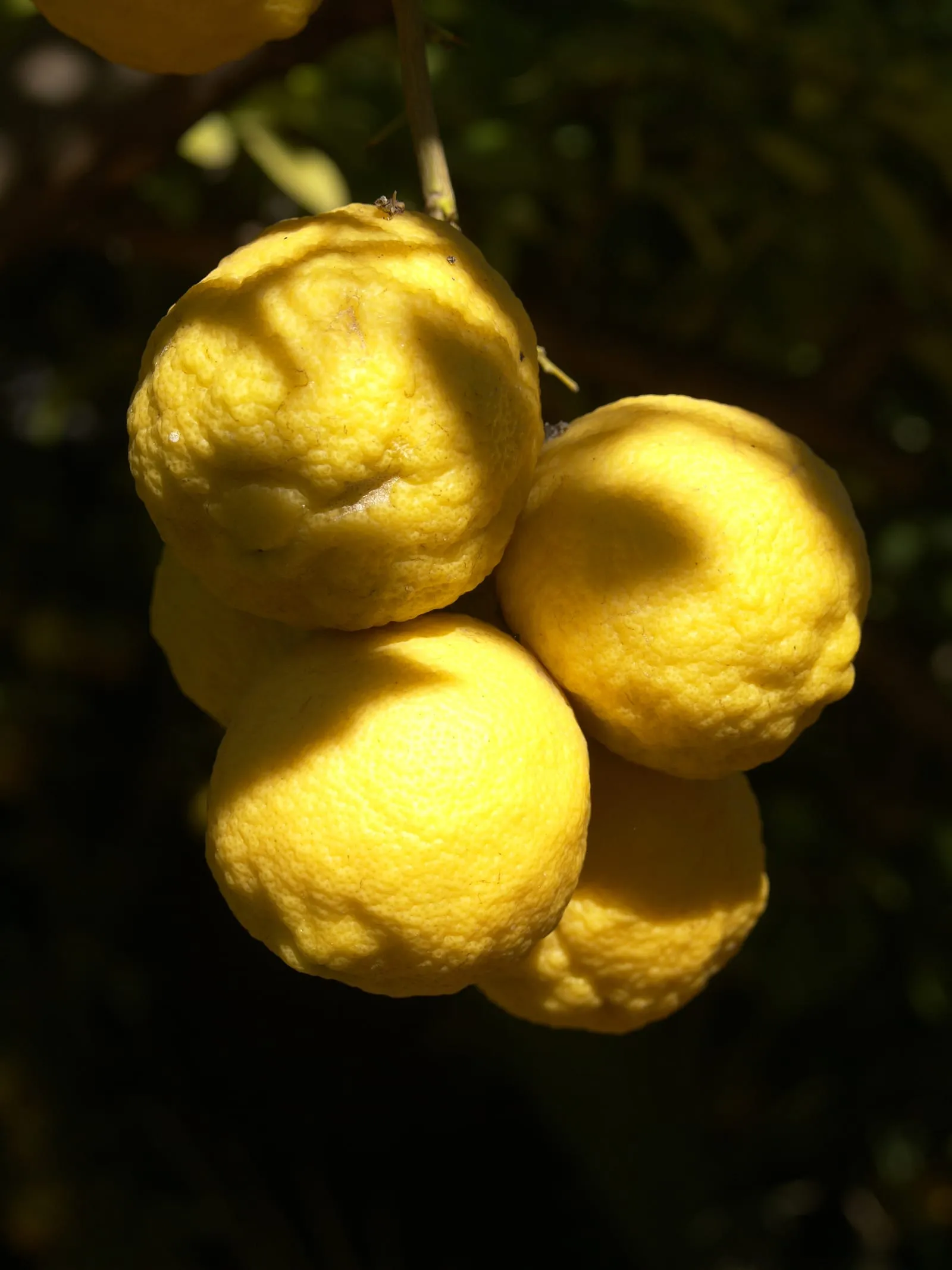
fruit tree in zone 10a
Growing lemon in zone 10a
Citrus limon
- Zone
- 10a 30°F to 35°F
- Growing season
- 340 days
- Chill needed
- 0 to 100 below 45°F
- Suitable varieties
- 4
- Days to harvest
- 180 to 365
The verdict
Zone 10a is a genuine sweet spot for lemon. The crop's chill-hour requirement of 0 to 100 hours aligns precisely with what zone 10a delivers, so bloom initiation is reliable without any chilling manipulation. The 340-day growing season gives the fruit ample time to size and color fully. Minimum winter temperatures of 30 to 35°F represent the one real constraint: lemon is slightly more cold-sensitive than other citrus, and a rare cold snap pushing toward the zone's lower bound can cause leaf drop or tip dieback on unprotected trees. Eureka, Lisbon, Meyer, and Ponderosa all perform well here, with Meyer offering the best cold tolerance among the group and Eureka and Lisbon delivering the highest commercial-style fruit volume. This is not a marginal zone for lemon; it is one of the primary production climates in North America.
Recommended varieties for zone 10a
4 cultivars suited to this zone, with disease-resistance and zone-fit annotations.
| Variety | Notes | Zone fit | Disease resistance |
|---|---|---|---|
| Eureka fits zone 10a | Bright tart juice with a clean almost-floral finish; the standard supermarket lemon. Vigorous nearly thornless tree, fruits nearly year-round in zones 10-11. | | none noted |
| Lisbon fits zone 10a | Sharper acidity than Eureka, holds well on the tree. More cold-tolerant and thornier; the better choice for marginal zones. | | none noted |
| Meyer fits zone 10a | Sweet-tart with a distinct tangerine note from its mandarin parentage; a chef's lemon for tarts and curd. Cold-hardy to 22°F when well-established. | |
|
| Ponderosa fits zone 10a | Massive grapefruit-sized fruit with thick rind; mild-acid juice for novelty rather than volume. Compact tree fits dooryard plantings. | | none noted |
Critical timing for zone 10a
In zone 10a, lemons do not follow a single annual bloom cycle. Eureka and Lisbon are largely everbearing, producing flushes of bloom throughout the year with peaks in late winter and again in early fall. Meyer tends to concentrate flowering in late winter through spring. Harvest follows bloom by roughly six to nine months depending on the flush, meaning fruit can be available across much of the year on an established tree. The zone's frost window, when it exists at all, typically falls between December and February. Late-winter bloom flushes on Eureka and Lisbon can coincide with this window, so a sudden cold event below 28°F warrants brief frost protection for open flowers and small fruitlets.
Common challenges in zone 10a
- ▸ No chilling for traditional temperate fruit
- ▸ Hurricane exposure
- ▸ Heat-tolerant cultivars only
Disease pressure to watch for
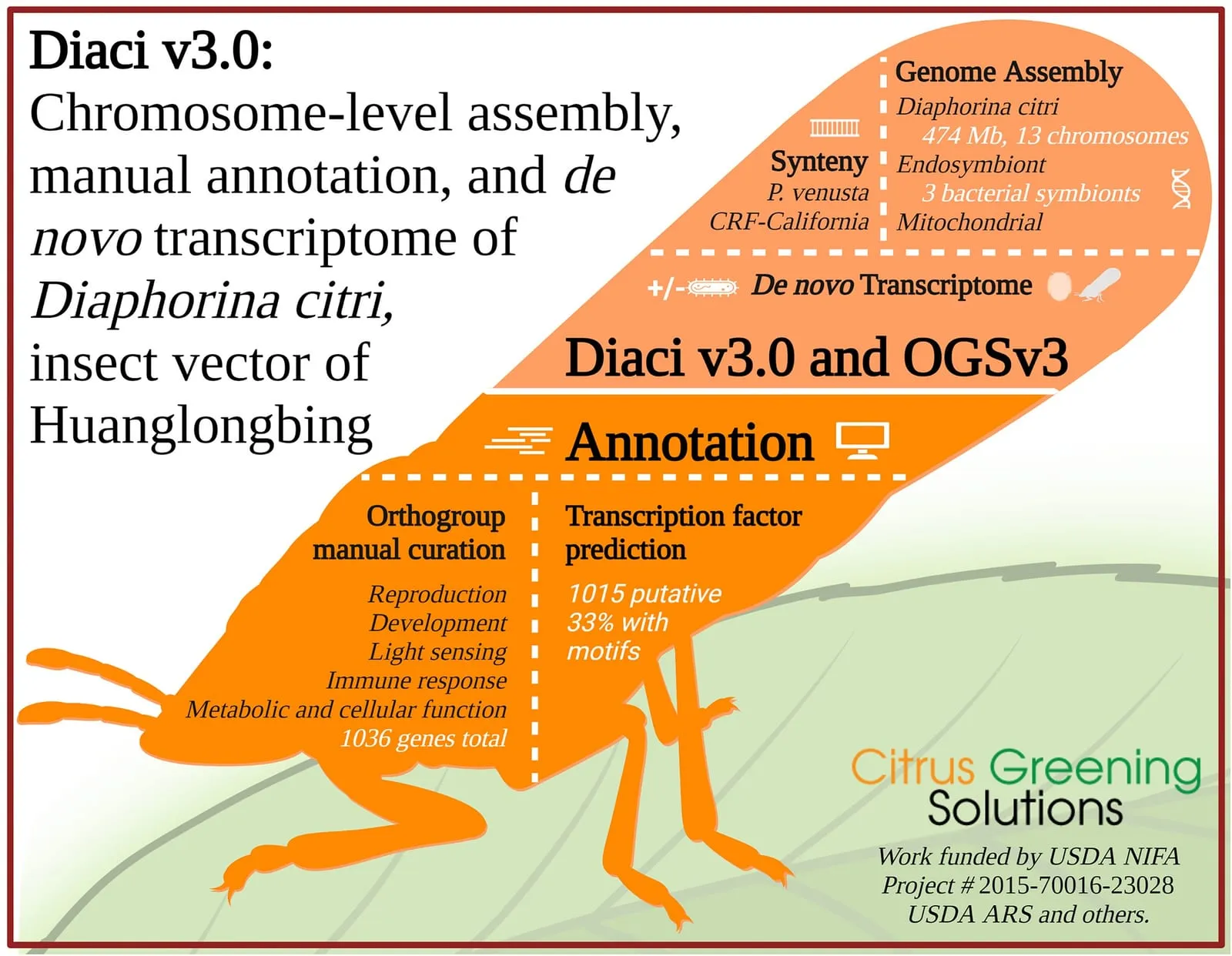
Candidatus Liberibacter asiaticus
Devastating bacterial disease vectored by the Asian citrus psyllid. Once infected, trees decline progressively over several years and there is no cure. Has destroyed commercial citrus across Florida and threatens production worldwide.
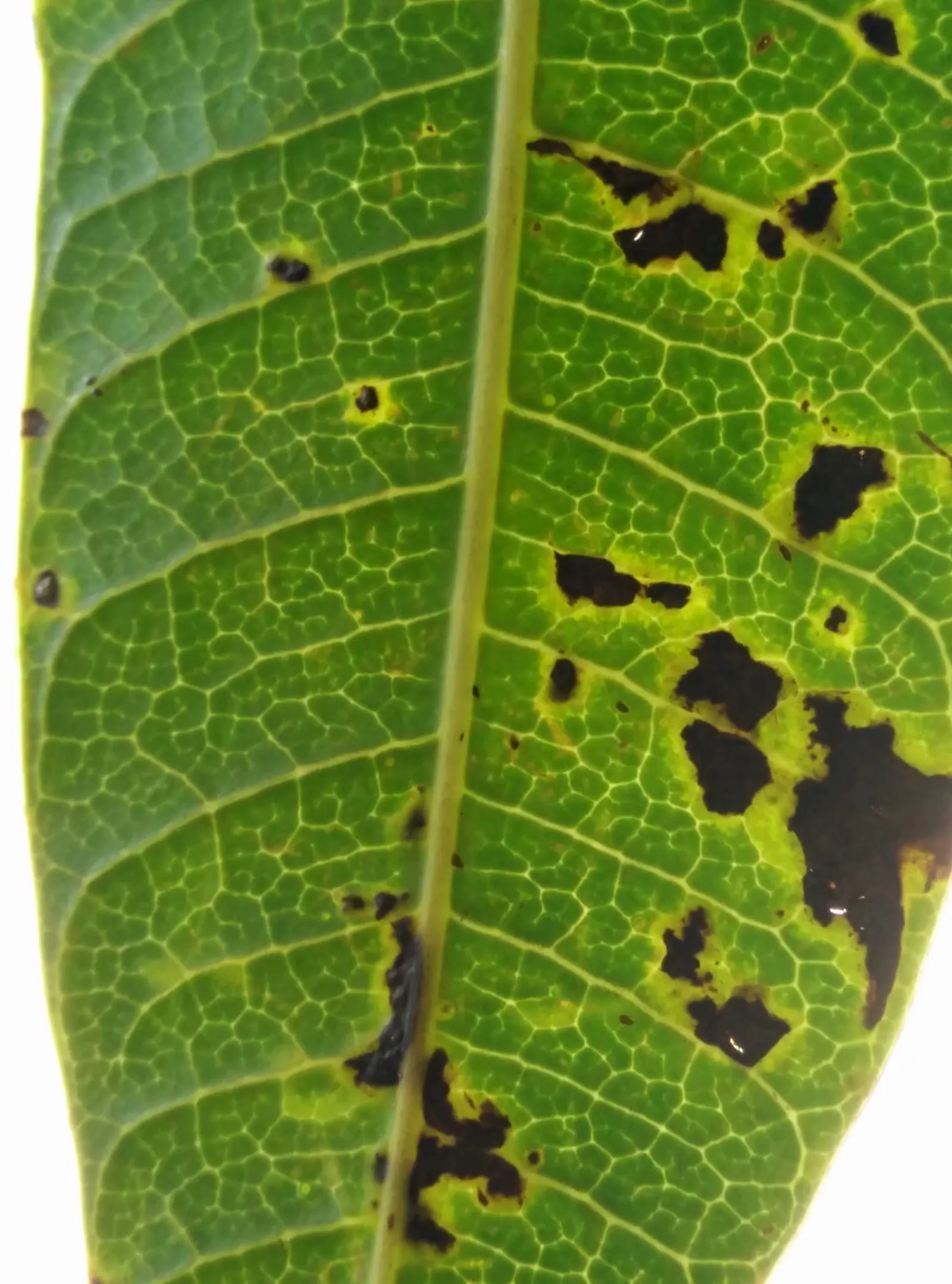
Xanthomonas citri
Bacterial disease producing raised corky lesions on leaves, twigs, and fruit. Spread by wind-driven rain and contaminated tools. Quarantine-regulated in many areas.
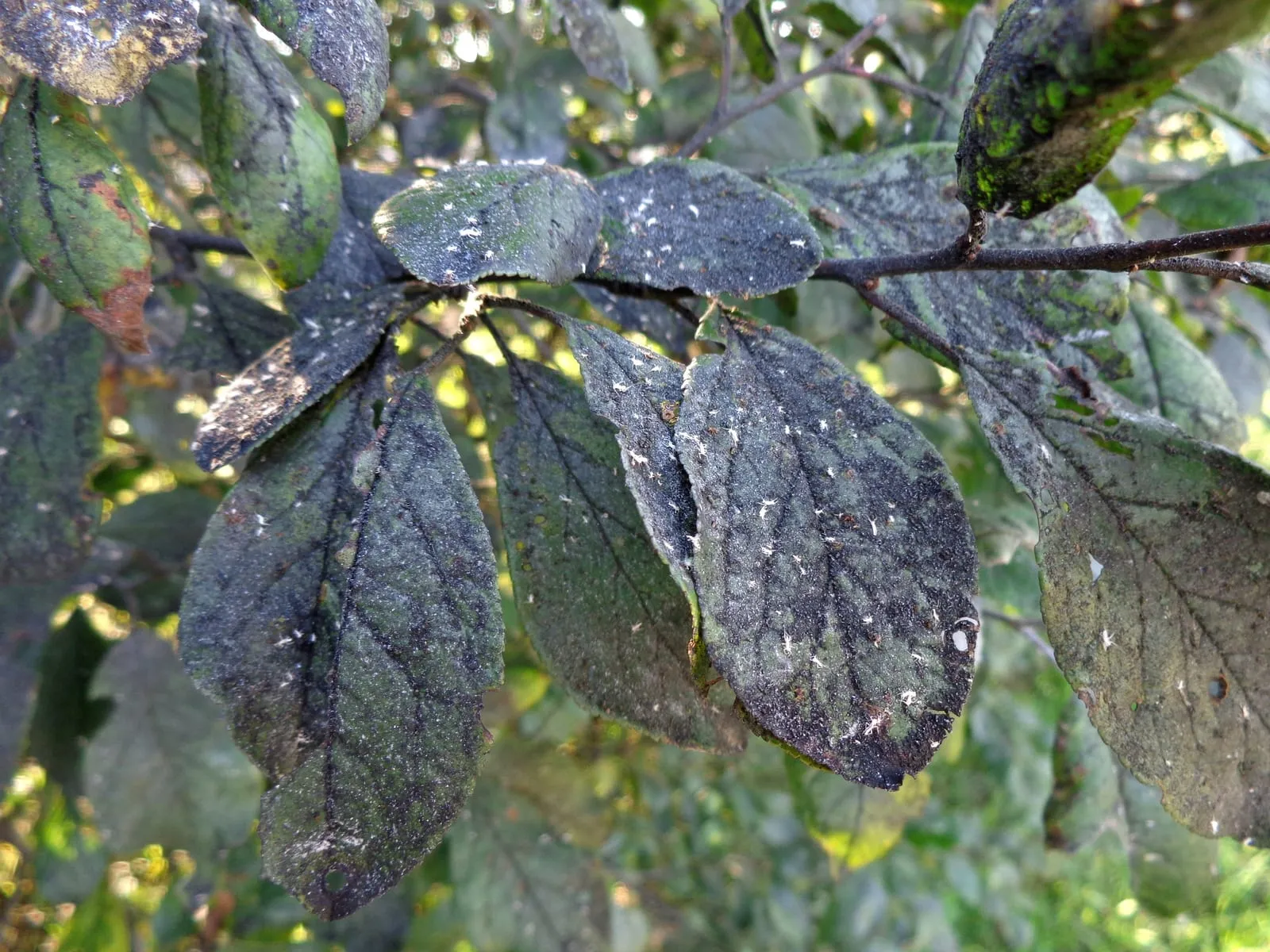
Capnodium spp.
Black fungal coating that grows on honeydew secreted by aphids, scale, mealybugs, and whiteflies. Doesn't infect plant tissue directly but blocks photosynthesis and disfigures fruit.
Modified care for zone 10a
The primary disease adjustment in zone 10a is vigilance for Citrus Greening (Huanglongbing), a bacterium spread by the Asian citrus psyllid that has established across Florida and parts of Southern California and Texas. There is no cure; management centers on monitoring for psyllid populations, removing symptomatic trees promptly, and sourcing certified disease-free nursery stock. Citrus canker, a bacterial disease that produces corky lesions on fruit and leaves, is also active in humid parts of this zone and spreads readily during hurricane-season rain events. Copper-based sprays applied preventively before wet periods reduce incidence. Sooty mold is cosmetic and follows aphid or scale infestations rather than requiring direct treatment. On the cultural side, zone 10a heat in summer can stress trees during establishment; a 3 to 4 inch mulch ring kept back from the trunk moderates soil temperature and retains moisture through peak heat months.
Frequently asked questions
- Does lemon need a pollinator in zone 10a?
No. Eureka, Lisbon, Meyer, and Ponderosa are all self-fertile and do not require a second tree for fruit set. Single-tree plantings produce normally.
- How cold can lemon tolerate before serious damage occurs?
Lemon suffers tissue damage at around 28°F and becomes increasingly vulnerable below that threshold. Zone 10a's typical winter low of 30 to 35°F is within the safe range, but unusually cold nights warrant covering young trees or running overhead irrigation to protect foliage and fruit.
- Why does my lemon have black coating on the leaves?
Black coating is sooty mold, a fungus growing on the honeydew secreted by aphids, scale, or whiteflies. It does not infect the plant directly. Controlling the insect infestation with horticultural oil removes the food source and the mold clears on its own.
- Can Meyer lemon survive in a container in zone 10a?
Yes. Meyer is the most compact of the common lemons and handles container culture well. In zone 10a, container trees can stay outdoors year-round; moving them to a sheltered spot during the rare frost event below 30°F is sufficient protection.
+−
+−
+−
+−
Lemon in adjacent zones
Image: "Citrus x limon (Outjo)", by Hans Hillewaert, via Wikimedia Commons, licensed under CC-BY Source.
.jpg)
Related