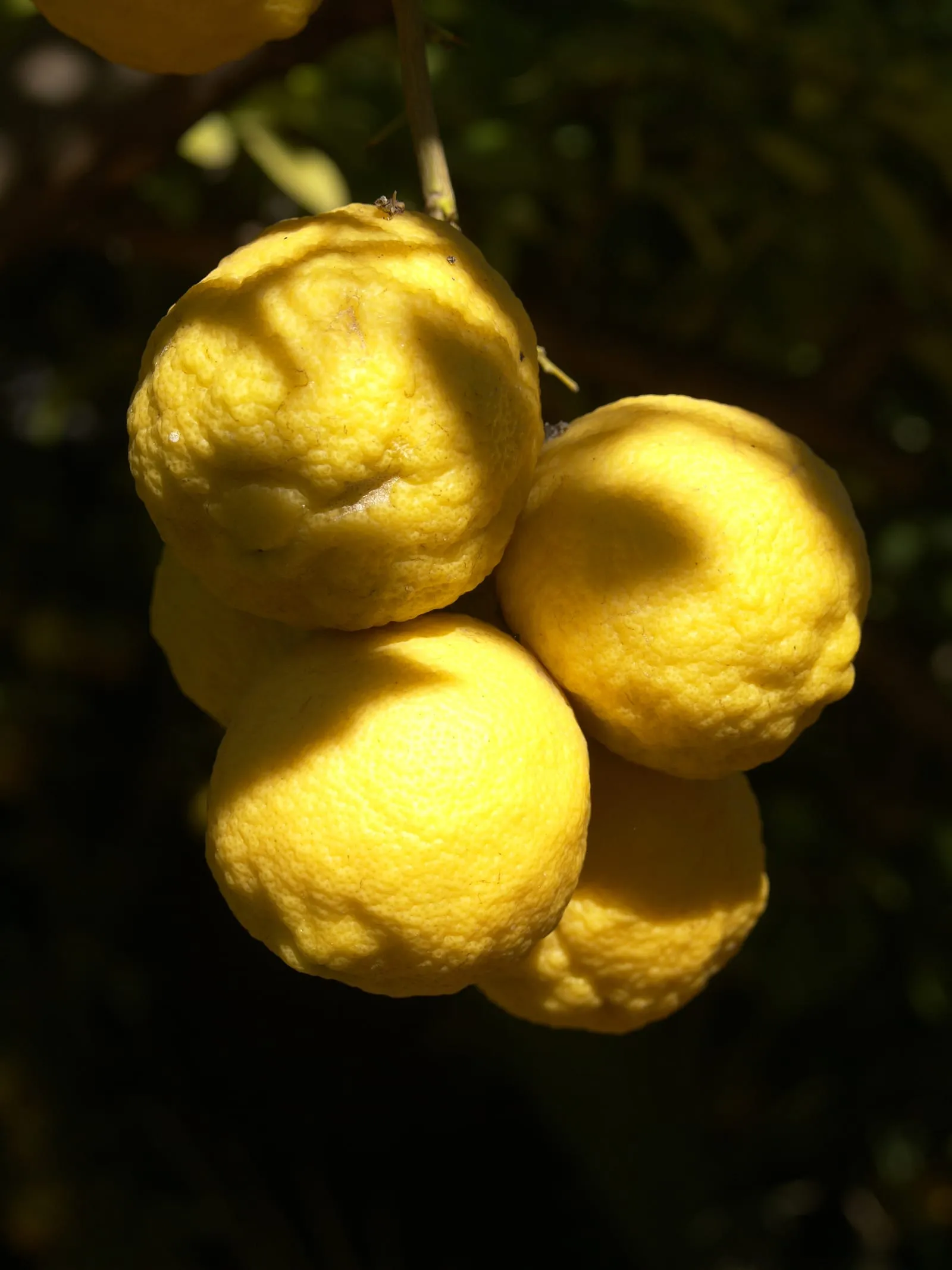
fruit tree in zone 10b
Growing lemon in zone 10b
Citrus limon
- Zone
- 10b 35°F to 40°F
- Growing season
- 365 days
- Chill needed
- 0 to 100 below 45°F
- Suitable varieties
- 4
- Days to harvest
- 180 to 365
The verdict
Zone 10b is a genuine sweet spot for lemon production. Lemons require only 0 to 100 chill hours annually, and zone 10b delivers exactly that: winter nights cool enough to satisfy the crop's minimal dormancy requirement without dipping into freeze territory. The 35 to 40°F minimum temperature range keeps hard-freeze damage rare, and the 365-day growing season lets trees recover from stress without a compressed window. Eureka and Lisbon are the commercial standbys in this zone, both performing reliably as nearly everbearing producers. Meyer, a hybrid with somewhat more cold sensitivity, does particularly well here given the mild winters. Ponderosa is viable but grows large and produces fruit with thick rind, making it less practical for most home growers. The main limitation is not cold, but the elevated tropical pest and disease pressure, particularly Citrus Greening (HLB), which has become the defining challenge for citrus in zone 10b across much of the Southeast and Hawaii.
Recommended varieties for zone 10b
4 cultivars suited to this zone, with disease-resistance and zone-fit annotations.
| Variety | Notes | Zone fit | Disease resistance |
|---|---|---|---|
| Eureka fits zone 10b | Bright tart juice with a clean almost-floral finish; the standard supermarket lemon. Vigorous nearly thornless tree, fruits nearly year-round in zones 10-11. | | none noted |
| Lisbon fits zone 10b | Sharper acidity than Eureka, holds well on the tree. More cold-tolerant and thornier; the better choice for marginal zones. | | none noted |
| Meyer fits zone 10b | Sweet-tart with a distinct tangerine note from its mandarin parentage; a chef's lemon for tarts and curd. Cold-hardy to 22°F when well-established. | |
|
| Ponderosa fits zone 10b | Massive grapefruit-sized fruit with thick rind; mild-acid juice for novelty rather than volume. Compact tree fits dooryard plantings. | | none noted |
Critical timing for zone 10b
In zone 10b, lemons behave as near-continuous producers rather than following a single annual bloom and harvest cycle. Primary bloom typically peaks in late winter through early spring, with secondary flushes occurring in summer and fall. Because the zone carries no meaningful frost risk during bloom, flowers set without the cold-damage disruption that affects growers in zones 9a and below. Fruit from the main spring bloom matures roughly 9 to 12 months later, placing peak harvest in winter and early spring, though ripe fruit can be found on well-established trees in most months. Eureka, in particular, is known for near-continuous production under zone 10b conditions. Harvest timing is less about frost avoidance and more about monitoring sugar-acid balance, since cooler nights in the 35 to 40°F range during fall help develop the tartness that distinguishes quality lemon fruit.
Common challenges in zone 10b
- ▸ No winter chill
- ▸ Tropical pest and disease pressure
- ▸ Saltwater intrusion in coastal soils
Disease pressure to watch for
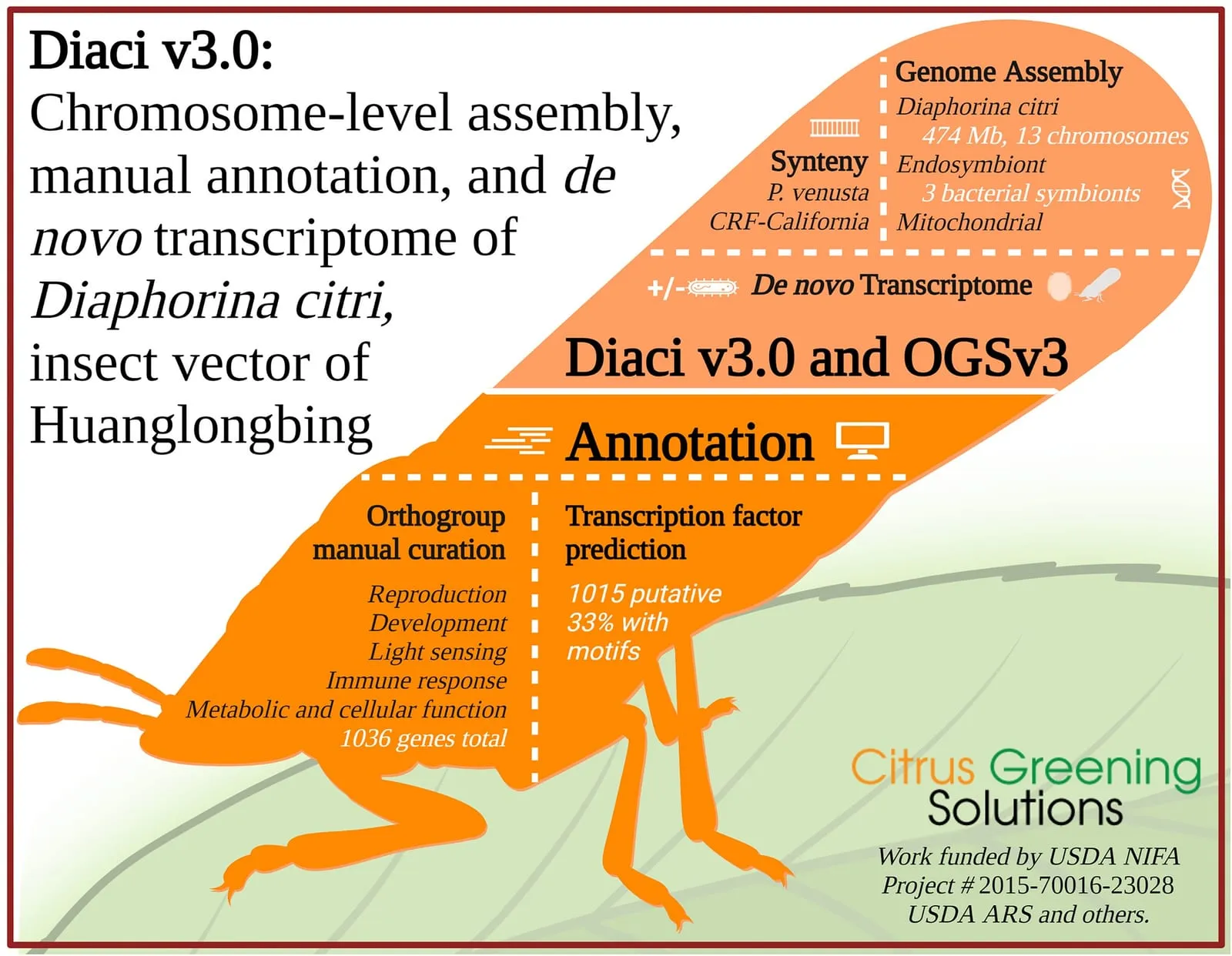
Candidatus Liberibacter asiaticus
Devastating bacterial disease vectored by the Asian citrus psyllid. Once infected, trees decline progressively over several years and there is no cure. Has destroyed commercial citrus across Florida and threatens production worldwide.
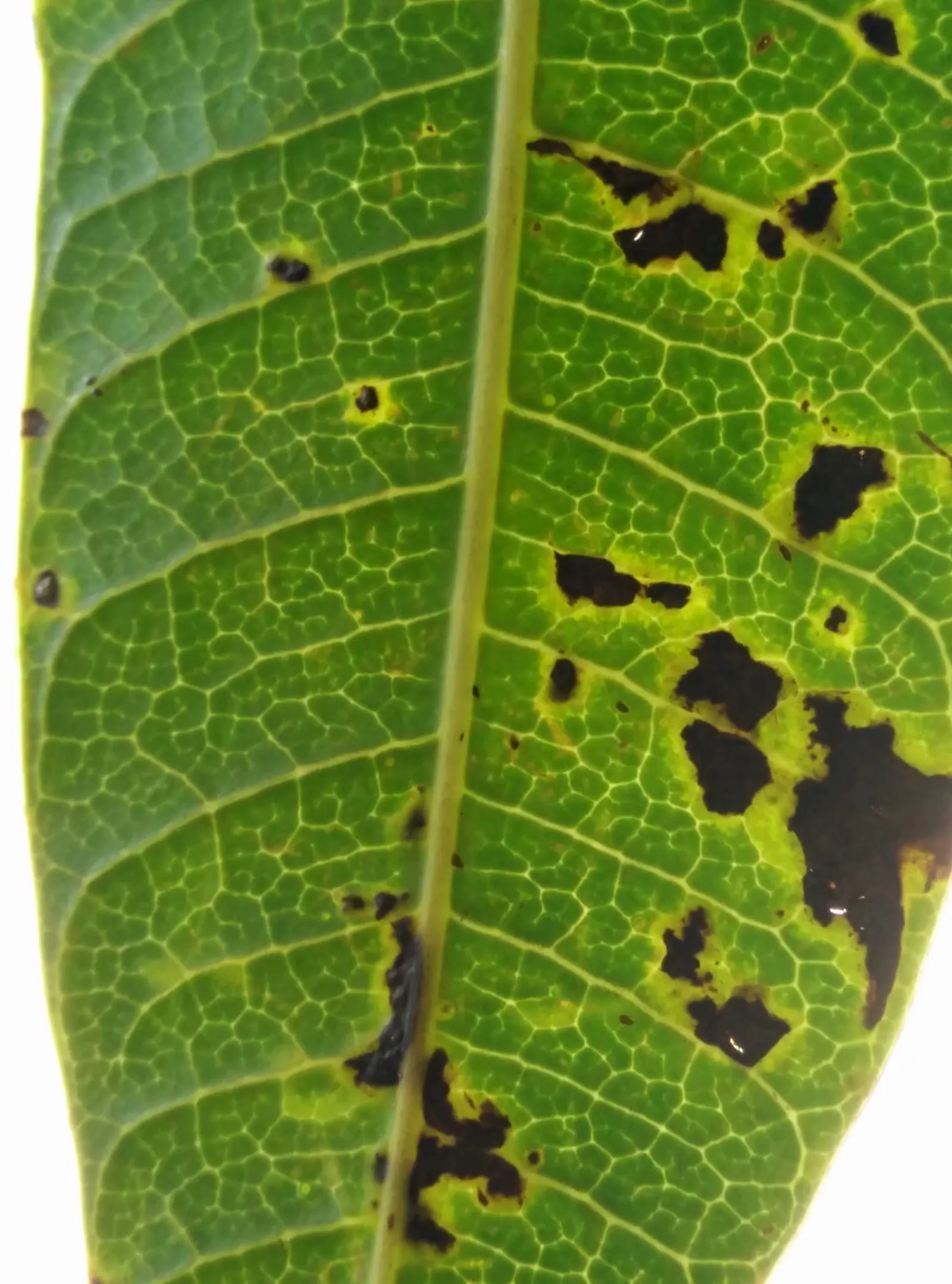
Xanthomonas citri
Bacterial disease producing raised corky lesions on leaves, twigs, and fruit. Spread by wind-driven rain and contaminated tools. Quarantine-regulated in many areas.
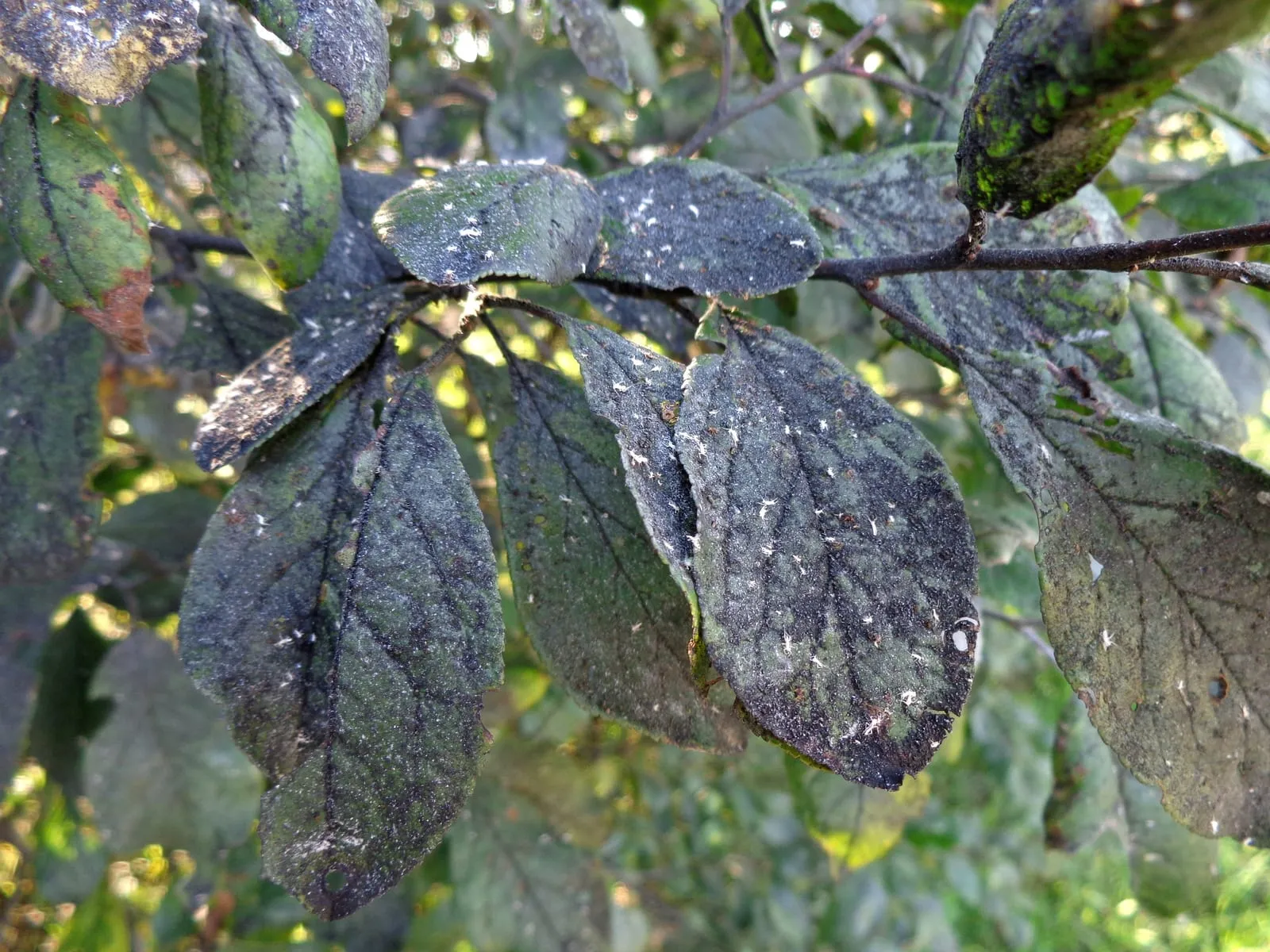
Capnodium spp.
Black fungal coating that grows on honeydew secreted by aphids, scale, mealybugs, and whiteflies. Doesn't infect plant tissue directly but blocks photosynthesis and disfigures fruit.
Modified care for zone 10b
The primary management adjustment in zone 10b is a sustained focus on Citrus Greening (HLB) and Citrus Canker, both of which spread aggressively in warm, humid conditions. Controlling Asian citrus psyllid, the insect vector for HLB, requires a consistent monitoring and spray program; university extension programs in Florida and California publish current integrated pest management protocols. Sooty mold is a secondary indicator of psyllid or scale activity, and its appearance on foliage usually signals that the insect pressure needs addressing before the mold itself is treated. In coastal parts of zone 10b, saltwater intrusion in soils elevates sodium and chloride to levels that stress citrus roots; raised beds or amended planting sites with improved drainage reduce this risk. Irrigation scheduling matters more here than in cooler zones, as heat load is consistent year-round and trees rarely get a natural dry period to discourage root rot.
Frequently asked questions
- Do lemons need any winter protection in zone 10b?
Established lemon trees rarely need protection in zone 10b. Minimum temperatures of 35 to 40°F fall well above the damage threshold for most varieties. Young trees in their first season benefit from temporary frost cloth during unusual cold snaps, but mature trees typically require no intervention.
- Which lemon variety performs best in zone 10b?
Eureka and Lisbon are the most consistent performers, both producing fruit nearly year-round in zone 10b conditions. Meyer is a good choice where a slightly sweeter, thinner-rinded fruit is preferred and space is limited, as it stays more compact than the others.
- What is Citrus Greening and how serious is it in zone 10b?
Citrus Greening (Huanglongbing or HLB) is a bacterial disease spread by the Asian citrus psyllid insect. It is incurable once a tree is infected and eventually kills the tree. Zone 10b's warm climate allows psyllid populations to persist year-round, making HLB the single greatest long-term threat to lemon production in the zone.
- Can lemons grow in coastal zone 10b soils with salt intrusion?
Lemons are moderately sensitive to soil salinity. In areas with saltwater intrusion, growers should test soil sodium and chloride levels before planting. Raised beds with well-draining, amended soil, combined with deep, infrequent irrigation to flush salt below the root zone, significantly improve outcomes in affected sites.
+−
+−
+−
+−
Lemon in adjacent zones
Image: "Citrus x limon (Outjo)", by Hans Hillewaert, via Wikimedia Commons, licensed under CC-BY Source.
.jpg)
Related